
Where is the Midwest?
Searching for value

One thing to note if you are planning a trip to Denmark is that you can rely on public transportation with confidence. In Denmark, this covers trains, commuter rail, metro, buses, and the availability of bike lanes (of which there are shockingly many). Just because it is said that a bus will be at a certain place at a certain time, it does not always mean that it will be there. And if you are in a foreign place, you don’t have the background to think, Don’t worry, the E11 always runs a little late.
Cutting back on concerns is essential when you are on a trip. They are time-consuming. They make you rethink your plans. They drain the fun out of the adventure. And maybe they are the best way to judge the efficacy of a provided service.
In Denmark, all metro, commuter trains, and inter-city trains are accessible via an app. It’s straightforward and easy to use. You can book as you stand on the track. The bus schedules are also available electronically and at each stop. On board, the screens display the time, stops, and the time of arrival at each stop, among other information. A subdued Scandinavian kerfluffle of concern arose on one trip as the wagon had to stop at the central station and not continue as planned to the airport. There was an instant sharing of information among riders to ensure everyone was in the know.
Rail infrastructure is present across the country, whose land mass is only a fifth the size of Minnesota, but whose citizenry is very similar. With the main corridors of population running between the higher-density areas, it is not surprising (in a way) that rail can be the dominant form of transportation. In an area like the northern tip of Jutland, where the rail network is limited, buses take over. As far as I could tell, most of the towns enjoyed regular daily service.
If you are making travel plans from afar, it’s significant to know that not only are the towns, cities, and hamlets accessible, but they are reliably and frequently visited. You might have a UNESCO-rated Viking archaeological site on your list of must-sees, and you know you don’t have to rent a car to reach it. Nor do you have to fudge in extra time if your timing is off in such a way as to miss the one bus that goes through the area. A traveler doesn’t worry about contingency plans or estimate the risk of not having transportation.
Renting a car is possible, but it’s expensive, costing $60-$90 per day. And then you have to pay for gas and parking. A one-hour bus ride up to Lokken, a beach town on the North Sea, costs DK94, or just under $15 —seriously.

Lastly, you will find that the vehicles themselves are well-kept and clean. School children, teens, and adults of all ages trundle on and off them with noticeable familiarity. No need to fear being laughed at or judged for not following any particular protocol. Everyone is simply going about their day. Using the extremely reliable, well-networked, optimally supplied sources of transportation that their governing body chooses to provide with a substantial subsidy.

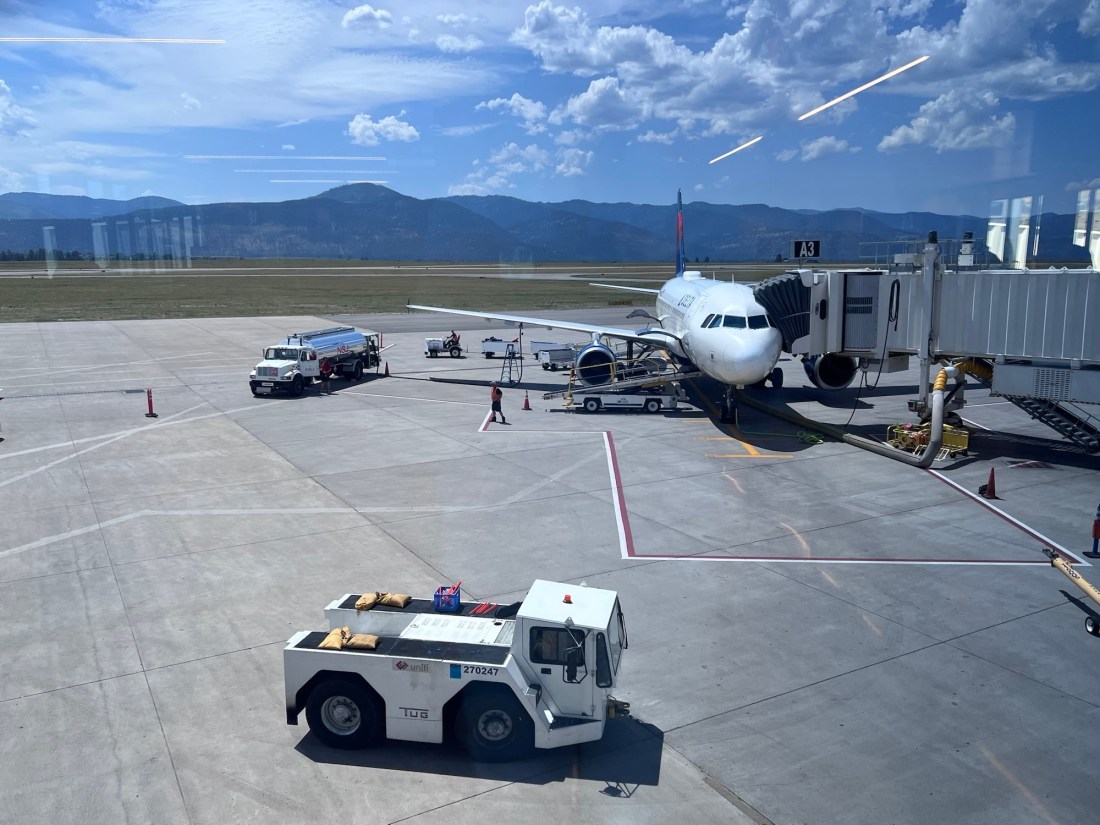
I flew into Missoula today and the Montana Airport is wrapping up a major multi-phase expansion that reshapes regional travel and brings broader economic shifts in its wake. Here are some of the details:
Missoula’s airport expansion is more than a construction project — it’s a gateway to growth. With smart federal funding and local vision, the region is positioning itself for a more connected future. But keeping Missoula livable as it grows will take coordination on housing, transportation, and community needs. How would one go about making some projections? Estimates of impacts and time frames could be interesting to local public leaders.
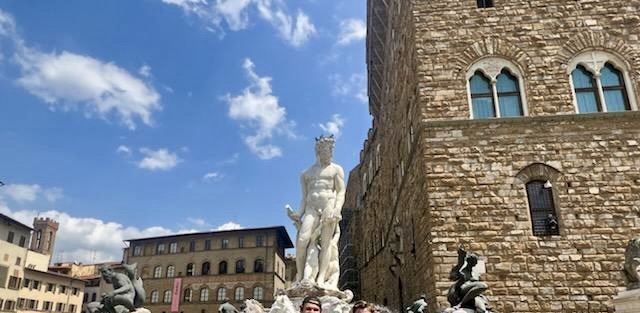
Q: For a 4-5 day trip would it be best to go to northern Italy or Athens area keeping in mind historical significance?
Both Northern Italy and the Athens area are rich in historical significance, but they offer distinct experiences. Here’s a concise comparison to help you decide for a 4-5 day trip, focusing on historical highlights, accessibility, and suitability for a short visit in June 2025.
Verdict: For historical significance in a 4-5 day trip, Athens edges out slightly for its concentrated, world-defining ancient sites and easier logistics. Base yourself in Athens, explore the Acropolis and museums, and take a day trip to Delphi or Sounion. However, if Renaissance art and multi-city charm excite you more, Northern Italy (Venice + Florence) is equally compelling but requires tighter planning.
If you share your preferences (e.g., specific historical interests, budget, or travel style), I can refine this further!

I recently purchased this Aventon electric assist bike. It’s great! There was a time when I’d snarl at the e-bikers as they hummed by barely pedaling. But times have changed, and I’ve decided, out of necessity, that assistance isn’t a bad thing after all. If the difference is to get out and bike at all or bike with assistance, take the latter and get outside!
The bikes are a bit heavy at 70 pounds. You don’t notice when you’re riding, but when you are managing the vehicle at a standstill, there’s a little more to pay attention to. It won’t ride on my old bike rack, I’d mount on the trunk of my car. That’s OK.
The pros are, amongst others, a far greater riding range. The battery life covers up to 60 miles. And so far, that’s checked out against my shorter rides of ten miles or so. It also charges quickly on a convenient charger the size of a loaf of bread. If you want to take longer rides, you can always bring the charger along. I have yet to get a saddlebag for the back. It will sit nicely on the rack over the back fender.
There are five levels of assistance. The rider juggles these along with standard gear changing. The mechanisms are smooth and responsive. And if you are exhausted at the bottom of a hill, just hit the throttle with your left thumb and you’ll climb up the slope without a worry. It’s really a fun bike to ride!
There’s all sorts of reasons to travel. But inevitably you try something new, or experience something new, or learn something new.
Sometimes you see something new like this fancy faucet at the Kalispell airport.
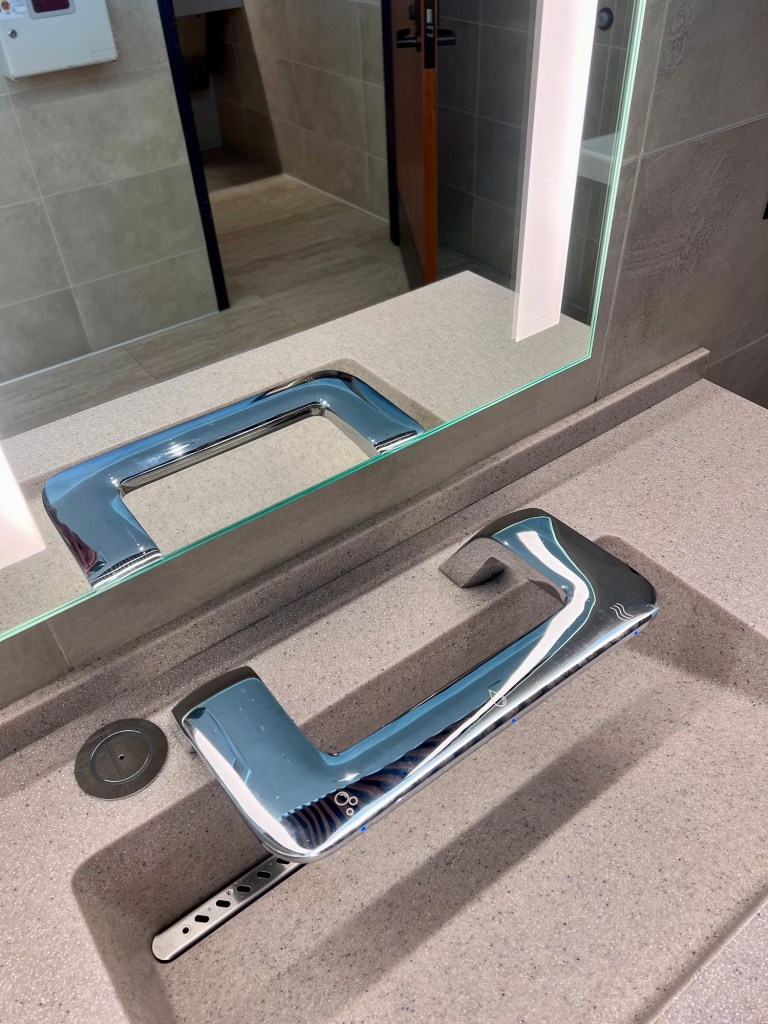
If you look closely at the shiny chrome bar, the left hand side dispenses soap, water is activated under the middle and a cool hand dryer is triggered under the right hand corner.
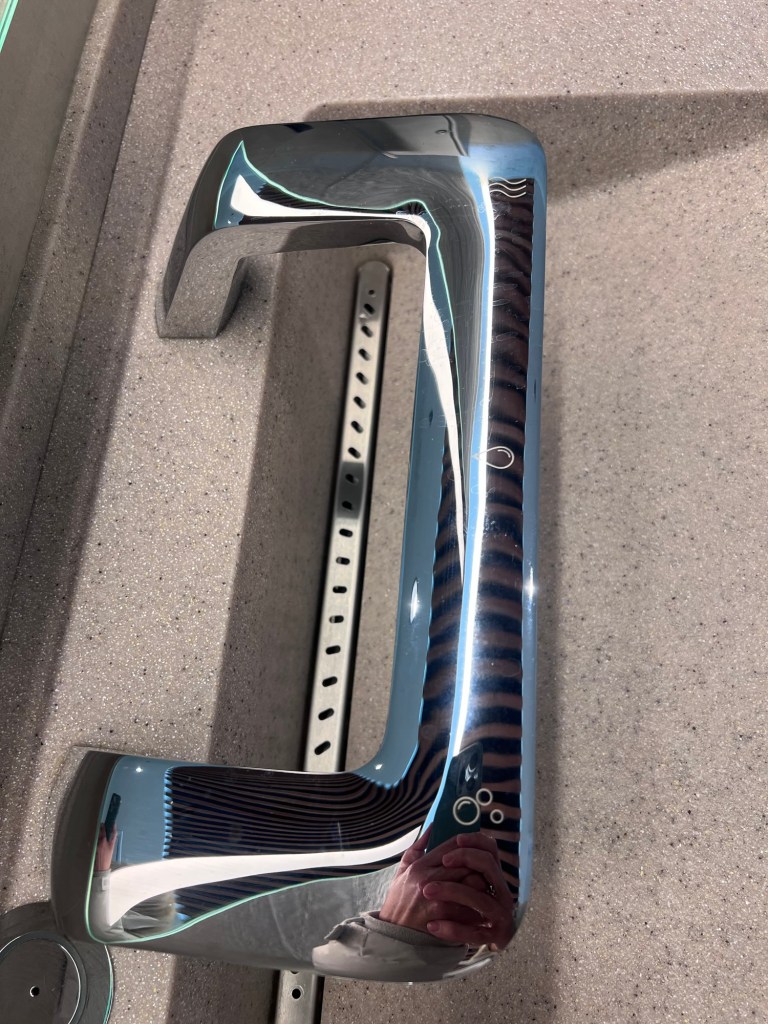
Nifty icons prompt you while the water vanishes through the bar drain.
Touchless and efficient.
According to Grok:
Based on the latest available data, around 3,286 Californians moved to Montana from 2021 to 2022 according to IRS data analyzed by SmartAsset.com. However, another source from the San Francisco Chronicle reported that more than 13,000 Californians moved to Montana since the beginning of the pandemic, indicating a significant influx during that period. These numbers suggest that while the annual migration might be in the thousands, the total over recent years could be higher, especially considering the broader context of population movements during the health crisis.
Montana’s population records in at 1.13 million.

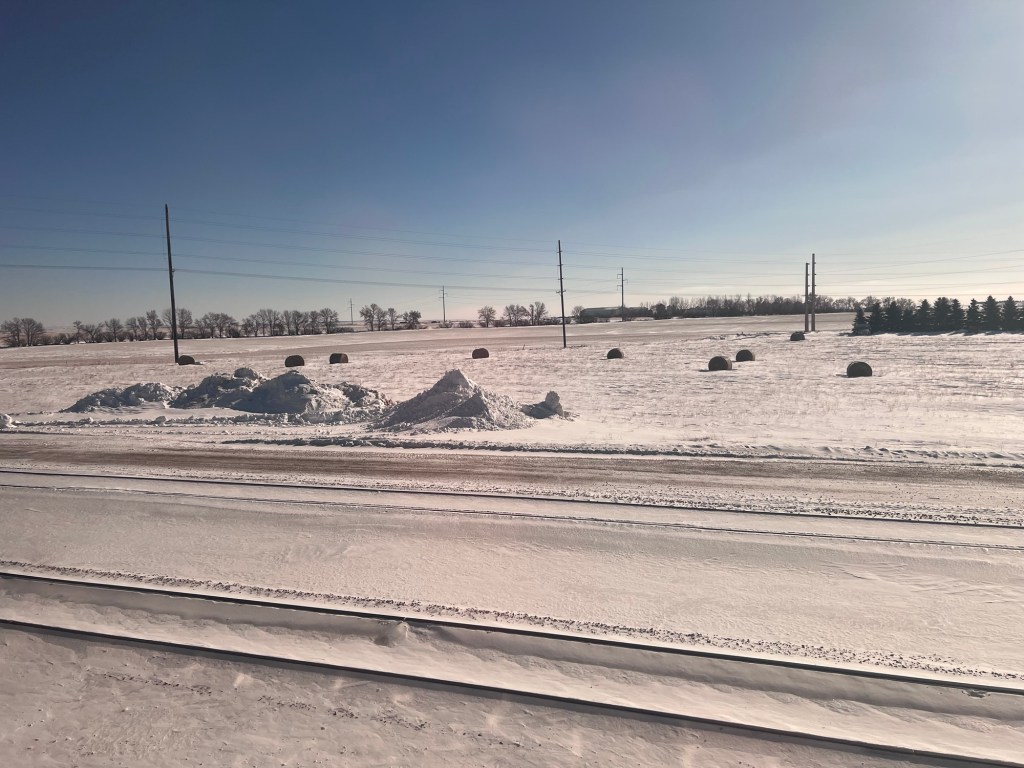
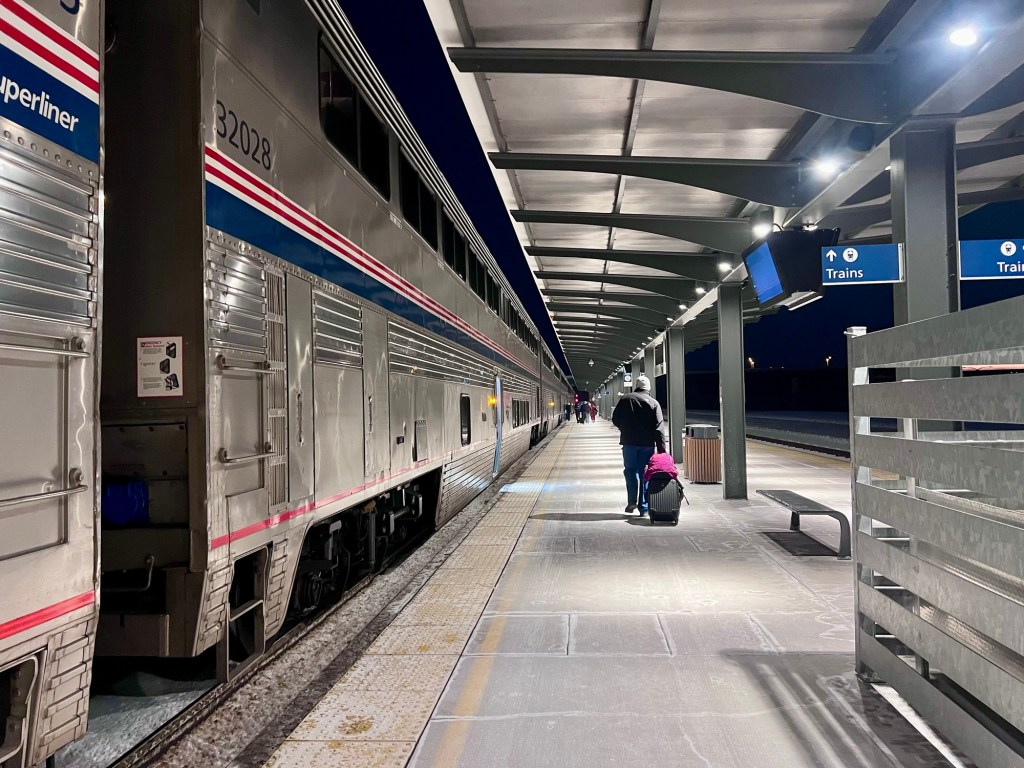
Riding the Amtrak Empire Builder from Union Depot in St. Paul MN to Whitefish MT across the northern plains. A sparse landscape especially in the below zero temps.



Paul Erdos, traveling mathematician extraordinaire, has been on Home Economics before. The Hungarian distinguished himself both in abstract thinking and in being a prolific houseguest. This willingness to travel undoubtedly helped him to become the most collaborative scholar in mathematics.
This free-spiritedness apparently made the FBI uncomfortable. This video (13 min) will fill you in on all the details. One supporter claimed to the government agency that Erdos could never be a spy because his allegiance was to the truth, in science and not in politics.
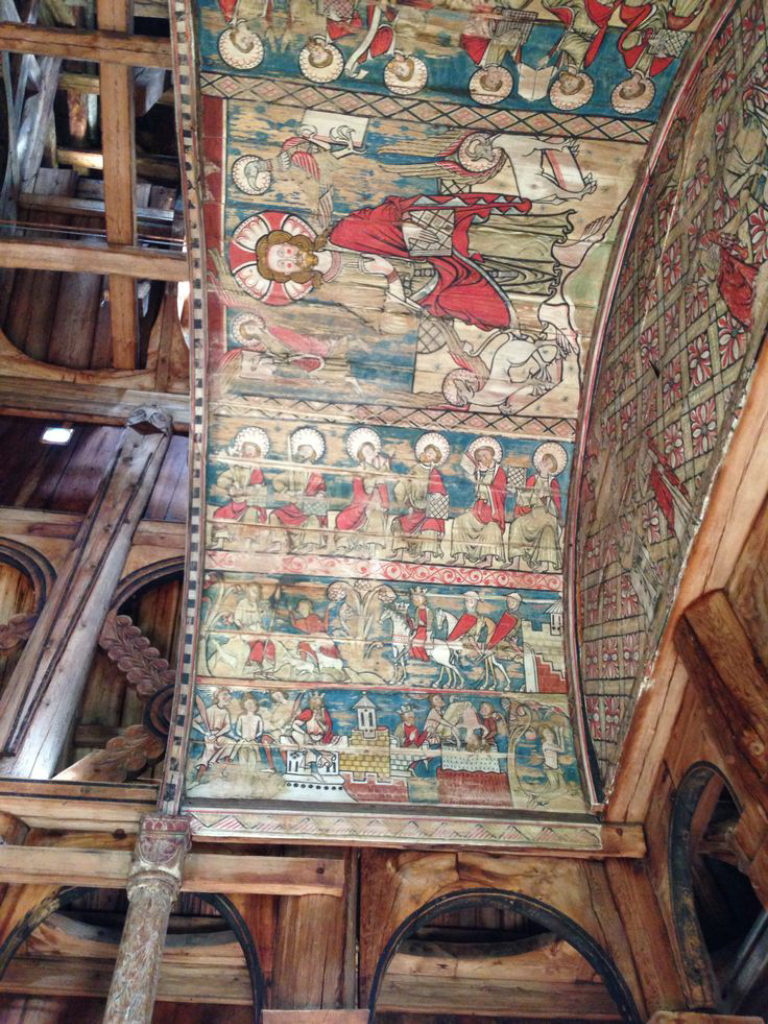
Built in 1192, the Torpo Stave Church is the oldest building within the valley and traditional district of Hallingdal (Norway). The church was dedicated to Saint Margareta.

The Torpo Stave Church is one of two stave churches that are signed by their craftsmen, the other being the church at Ål. In both churches a runic inscription reads: Thorolf built this church.[4] The full runic inscription in the Torpo Stave Church, which is listed as N 110 in the Rundata catalog, reads:§A þorolfr : gærþi : kirku þesa ÷: askrimr ÷ hakon ÷ ælikr ÷ pal ¶ æinriþi ÷ siønti ÷ þorolfr§B þorer ÷ ræist§C olafr[5]
This translates as “Þórolfr made this church. Ásgrímr, Hákon, Erlingr, Páll, Eindriði, Sjaundi, Þórulfr. Þórir carved. Ólafr.”[5] WIKI
A guide; a reference; a suggested path without final judgement.

Am I sentimental or are maps from 1911 far more beautiful than those generated today?

Grain elevators are as prevalent in towns across the Midwest as the corner bar, the grocer, and the three local churches (Lutheran, Catholic, and Presbyterian), or at least in towns on the railroad lines. As the open prairie became home to new arrivals, farmers broke open the soil and turned it into grain fields. Upon harvest, they took their product to the elevators until it was shipped down to the grain exchanges.
This one isn’t as rustic looking as some. The interior wood planking has been covered with a shield of aluminum siding. The structures are known to burn. As they have been decommissioned, local firefighters have set them ablaze for training purposes. Once their original use was replaced by larger shiny cylinders of metal, their new purpose served the community. For one last dramatic day, the flames leap and lick at the side walls as trainees in the safety business try to tame their destructive nature.
When my kids were young I tool them to a fund raiser called Empty Bowls. Participants crafted bowls from supplies laid out by volunteers. Then came back to glaze them. On the final day they returned to pick up the creations in exchange for a donation towards curbing hunger in the community. Little did I know at the time that this would launch my daughter’s pottery vocation.
She crafted this pot, sturdy enough to hold my orchid’s heavy blooms.
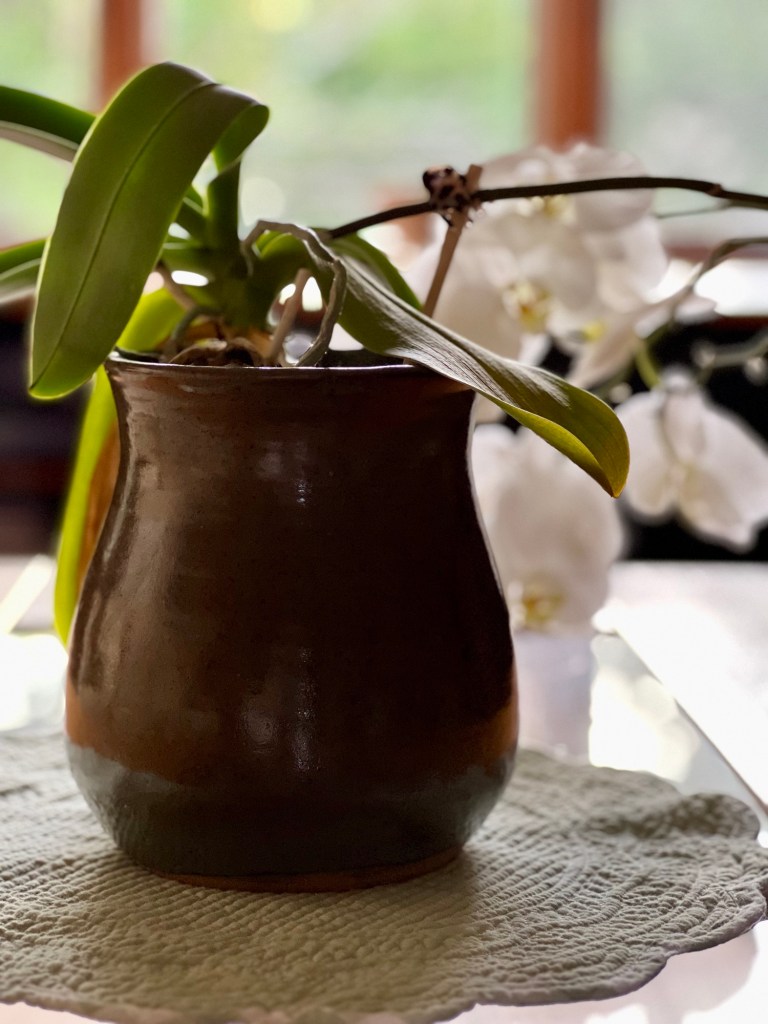
Pottery workshops are offered in various places all over the world. There’s Seagrove Potters in North Carolina, there’s Royal Delft pottery in the Netherlands, and there’s Stoke-on-Trent in Great Britain which claims to be the ceramics capital of the world.
Mostly I am happy to see her take a liking to a creative process.


Ceiling mural in the Torpo stave church, Al Norway. Built in 1192.
One of the most stressful transistions for those who move to MN from out of state is adjusting to winter driving. And there is good reason for that. When the typical rumble of friction between your car’s tires and the pavement goes smooth, you know your sliding. If you panic and yank your steering wheel in an effort to regain control of the 4000 pound beast, you’re likely to spin. A smooth turn of the wheels in the direction of the slide, and then a sensing of rubber feeling the road once again, is the signal that the tires will grip and drive you out and on your way.
It’s not an easy move. If you’re new to the white outs, it’s best to stay home.
Update on the morning commute:
Can you guess where?


Give it a try and put your guesses in the comments.

Talking about the best of the best when it comes to houses, here’s a vote for Alamo Heights in San Antonio, TX from X.
Let’s consider his priorities.
Lot size is cited at a third of an acre. For comparison, a typical city lot from the 40’s on tree lined, sidewalk fringed street is about a fifth of an acre. So a third of an acre is more generous, yet by no means expansive.
Next Girdley mentions easy access to the beach. Parks, trails, and outdoor recreation areas are popular amenities for many homeowners. Several overlapping groups take advantage of the outdoors for excercise, sports, and leisure.
Ease of circulation is important to most everyone. If you are not commuting to a job, you still need to get out and shop, or get your family here and there, or drive to medical appointments, and so on. Note here that transport by car is assumed. If the writer meant public transit, it would be mentioned.
Schools- this public amenity affects a lot of households. Although there are generalized winners and loosers, the rating systems for districts stem from subjective opinions. He likes the schools in Alamo Heights.
Lastly he mentions access to another form of transit, air travel. This note may be a nod to an airport nearby, or to the geographic distance to California. It’s hard to know if it is an infrastructure issue or a natural circumstance.
To summarize, Gridley votes Alamo Heights as an optimal bundle of building site, access to nature, road infrastructure, public schools and air travel.
Are there other factors that people use to judge their optimal real estate package? That’s what we will be exploring. Stay tuned.
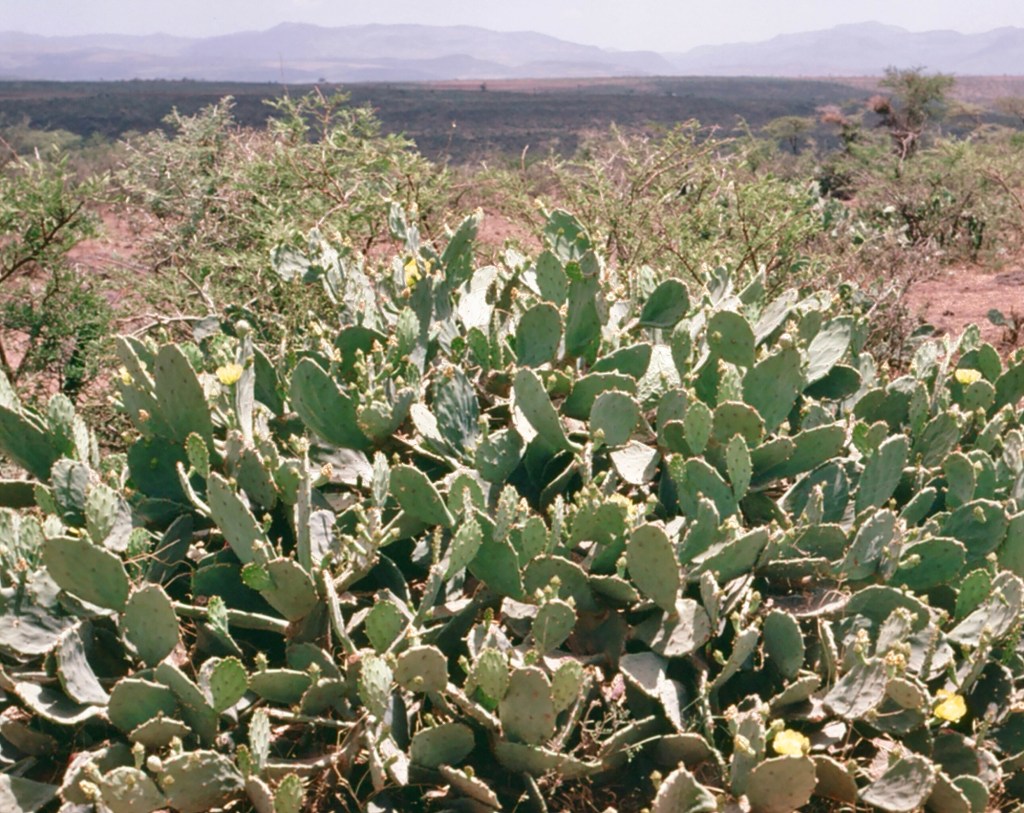

As a young girl being raised abroad, there was a lot to figure out. Like, is it kind to treat elephants like domesticated circus performers?
The answer offered was never a quick yes or no. Nor were words of outrage offered up, nor ones of dosed with saccharine. The answer was to have a look around and note what you see. The mighty beast seemed agreeable and well looked after. His rib cage was not protruding like some oxen in the field. His handler was well dressed and whispered little noises in his ear. They made a good pair.
The answers did not appear on the faces of my parents. Observations were encouraged. Comparisons presented and sifted through. Touch, feel, see, and then decide if the situation is better than the available alternatives. And this can only be done once one has recalibrated to a new surrounding, and absorbed new standards.
This was the first time I felt an elephant.
The civic impulse to acquire and develop a Minneapolis park system connected by trails started well over a century ago. One fortuitous outcome of these endeavors is called the Grand Rounds. It completes a thirty-mile loop in a rough rectangle around the municipality.
Today I biked a small section which circles two lakes, Lake Harriet and (Lake) Bde Maka Ska, in the SW corner of town.
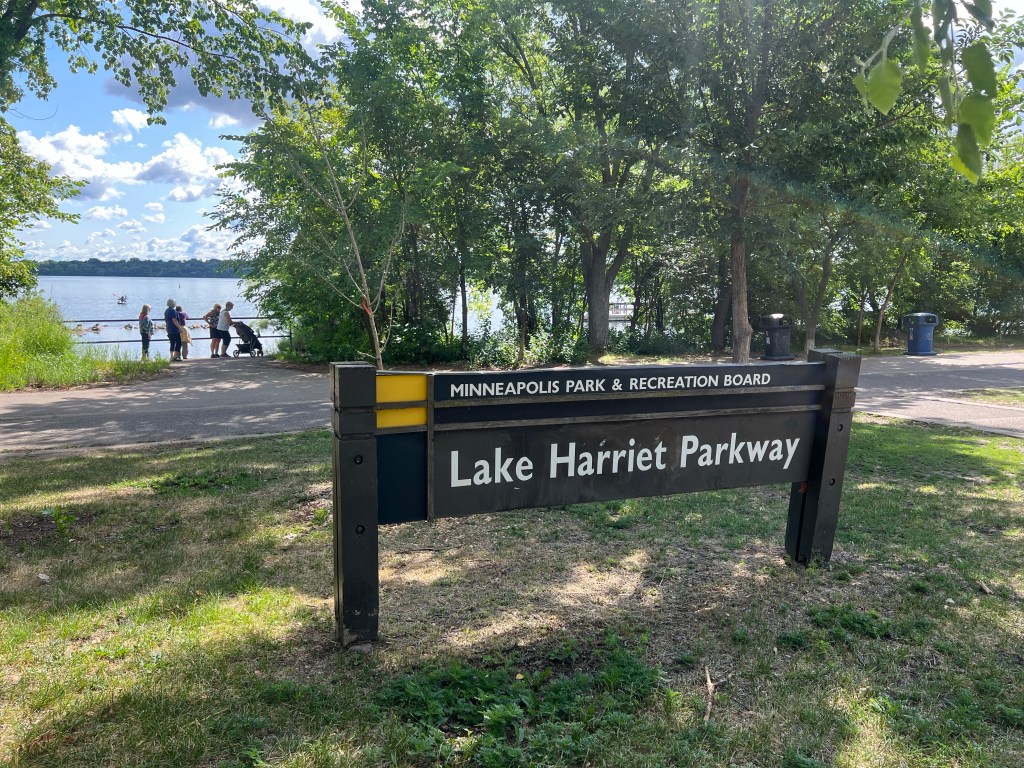


Lake Harriet is a more residential area where grand homes overlook the sky-blue waters. The parkway enlarges here and there along the way so there is plenty of parking under old-growth trees. Two trails ring the perimeter of the water, one for walkers and one for cyclists. Here people of all ages walk their dogs, push strollers, catch up with friends, rollerblade with AirPods, and chatter with work colleagues. The crowds consist of locals, not tourists.

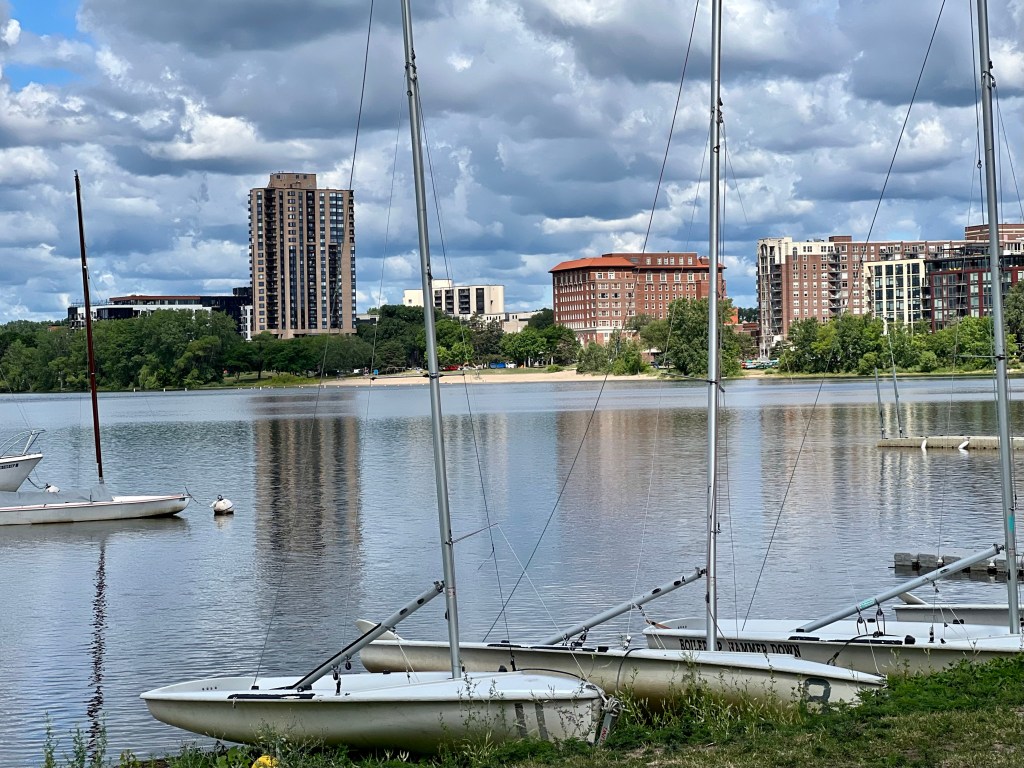
As you circle Bde Maka Ska to the north, and a downtown view appears, the physical structures transition from single-family homes to condos and a few business buildings. There are public beaches on the lake as well as restaurants. And benches scattered here and there as if someone said, ‘I think Gramps would want his bench here,’ and set it down without a reference to any other object. It’s a lived-in feel instead of one of pomp and circumstance.


Before circling back to the SE, the trail touches the far side of the Uptown area. This spot is full of shops, restaurants, bars, and lots of apartments for all those wanting to be close to where they recreate.
The bike trail is a one-way loop which is nice as the slow riders stay to the right and the left-hand side is used for passing. There is a speed limit of 10 miles per hour painted in white on the asphalt every quarter mile. But I wonder how many cyclists have speedometers on their bikes. It is only necessary to wait for car traffic at the intersection pictured above left, in a section between the two lakes. This is also the only incline on the tour which makes the legs work a little harder.
At seven miles it is a pleasant run for the experienced rider. A way to get out on a nice day and enjoy the urban landscape.
When you don’t have time to go on a big overseas trip you can still perfect your travel skills when planning out an enjoyable bike ride. It’s a bit of an adventure as trail maps are more vague than street maps.

Like that section of Cedar Lake Pkwy as it slides up next to Hwy 394. I’m not convinced that it is a straight easy shot into downtown. But it might be. The Midtown Greenway is an old rail bed and that one I know is all paved and free from road crossings.
The thing you don’t get off of maps like this is the elevation changes. A general sense of the mileage is helpful in deciding how far a treck you want to tackle. But the energy exertion is significantly impacted by hills and valleys.

There are several extra benefits to biking: the views, the variety of terrain and the exercise of course!
To cap off coverage from the trip to London, here are a few of the culinary treats we had in London.

Fortnum and Mason, a department store in Piccadilly, is like a fancy wedding cake with decorations at every level. Prim and proper is exactly how you feel once you’ve reached the fourth floor, up a double staircase with gorgeous dark wood banisters. The piano player may already be laying fingertips onto the ivories, depending on when you arrive for afternoon tea or how long you’ve lingered enjoying the treats. A skeleton holder of stacked plates filled with goodies will arrive at your table. The sandwiches each have their own delicate flavor. The scones are best with tea. The aroma of the libation is so sweet you wonder if every other tea will pale into a substandard replacement from now forward. Caution- the bill is not for the faint of heart.
The India Club restaurant is tough to find. The number over the unassuming door is 143 on the busy Strand. Two flights of narrow steps will lead you to an unassuming entrance to a lovely rectangular dining room. The space is tight. The tables are small. The atmosphere is gigantic. The evening we went for dinner all the tables were edged shoulder to shoulder with a younger vibrant crowd. The noise was that comfortable hum of humans enjoying their evening. Most importantly, the curry was rich in flavor.
Cubana Restaurant Waterloo is located in a space that looks convincingly like worn unattended buildings which I imagine to be in Havana. The place is unique. Several levels create private spaces for folks to enjoy their meal and their company. The wait staff looked the part and were effusively attentive (did I say good-looking?). The pulled pork gave off a rich smokey vibe. It is as delicious. The plantains too- which is surprising because I usually steer around them. Not this time. You have to take the whole place in while you clear your plate!
According to Schumpeter, the “gale of creative destruction” describes the “process of industrial mutation that continuously revolutionizes the economic structure from within, incessantly destroying the old one, incessantly creating a new one” (Capitalism,Socialism and Democracy)
Wiki
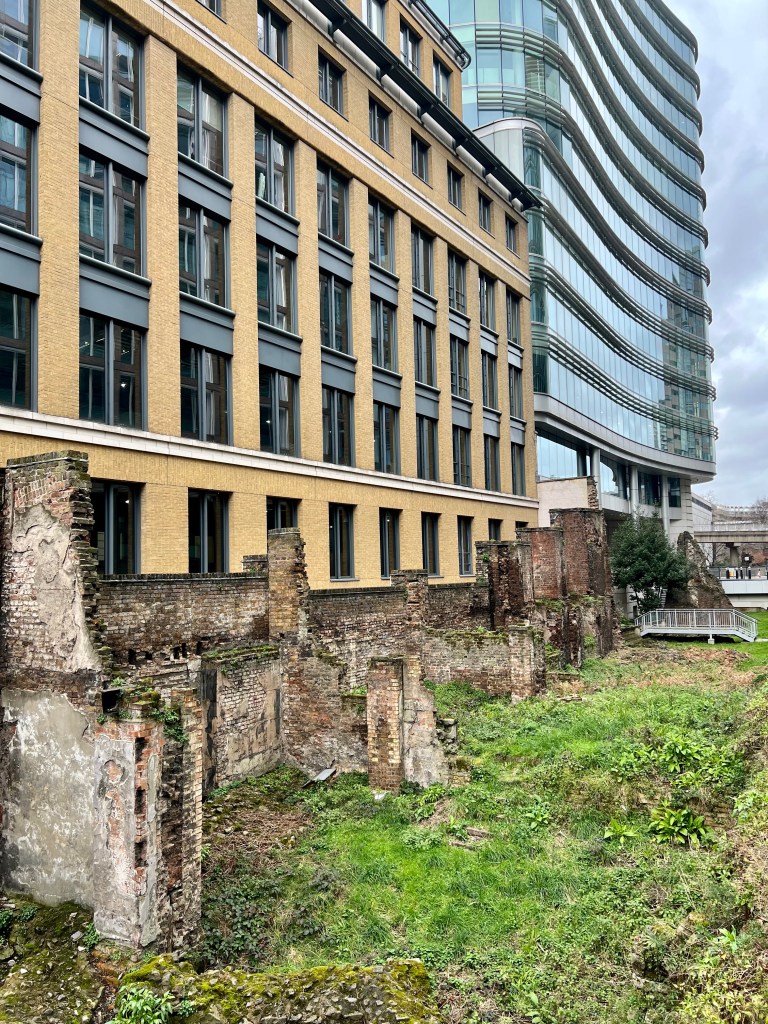
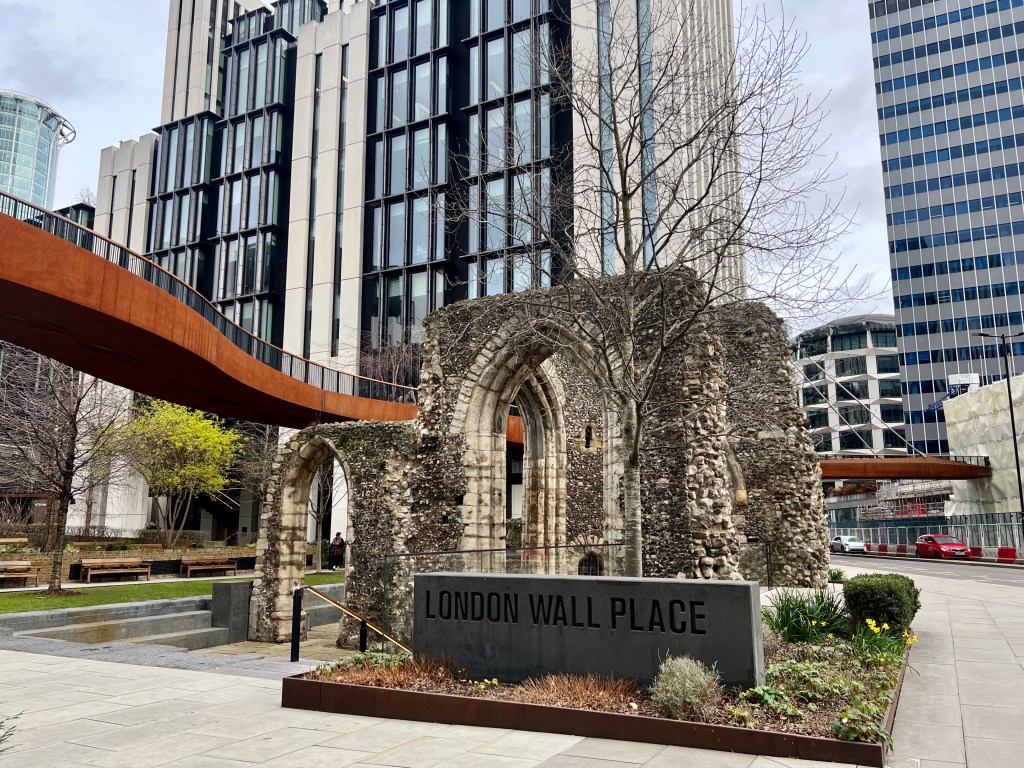
In the City of London, the remains of Roman walls juxtapose modern high rises. The destructive forces of the great fire of 1666 and the Blitz opened up windows into archiology of the ancient past. This was followed, over many generations by an energetic rebuilding.
The results of the ancient side-by-side with the modern are quite spectacular.
I’ve never met anyone who has regretted a visit to Banff National Park. Just an hour and a jig west of Calgary, Alberta making it easily accessible via an international airport. Regular bus service transports worldwide visitors up to the spectacular peaks. The mountain range is stunning. Summer, fall, winter, or spring, nature will impress you by washing the skies in pale blue and then fluffing out a smattering of white clouds through the valleys.
We generally come in the winter to ski at Lake Louise. Two hills in the areas, Sunshine and Mt Norquay combine their ticket sales under Ski The Big Three. But we stick to Louis. Even in years such as this one where the snow is scarcer than they would like and the tips of boulders are peaking through some of the moguls. How can anyone pass up that view?

A nice Brit took this picture of us today. He threatened to walk away with my phone and laughed at his ruse (and clearly gave me back my phone). On some of the runs, you can see Chateau Lake Louise and the lake beyond. Both it and the Banff Springs Hotel were built by the Canadian Pacific Railroad in the 1920s to encourage tourism into the park. In recent years the park attracts about 4 million visitors a year. Many stay in the town of Banff which is about forty mintues east of Lake Louis.
For us, one key component is the ease of transport. It’s easy to get up to Banff with all the ski/board equipment. The airporter drops riders off all along Banff Ave and up on Tunnel Mountain. Likewise, comfortable coaches pick up from strategic spots amongst the lodging choices to get skiers up to their hill.
If you need a connector shuttle, the city of Banff has several routes running through the town of 8000. This one is waiting out a six-minute pause before his next circle starts. He’s pulled up into a large camping area that is packed with people and their RV’s and campers in the summer months.
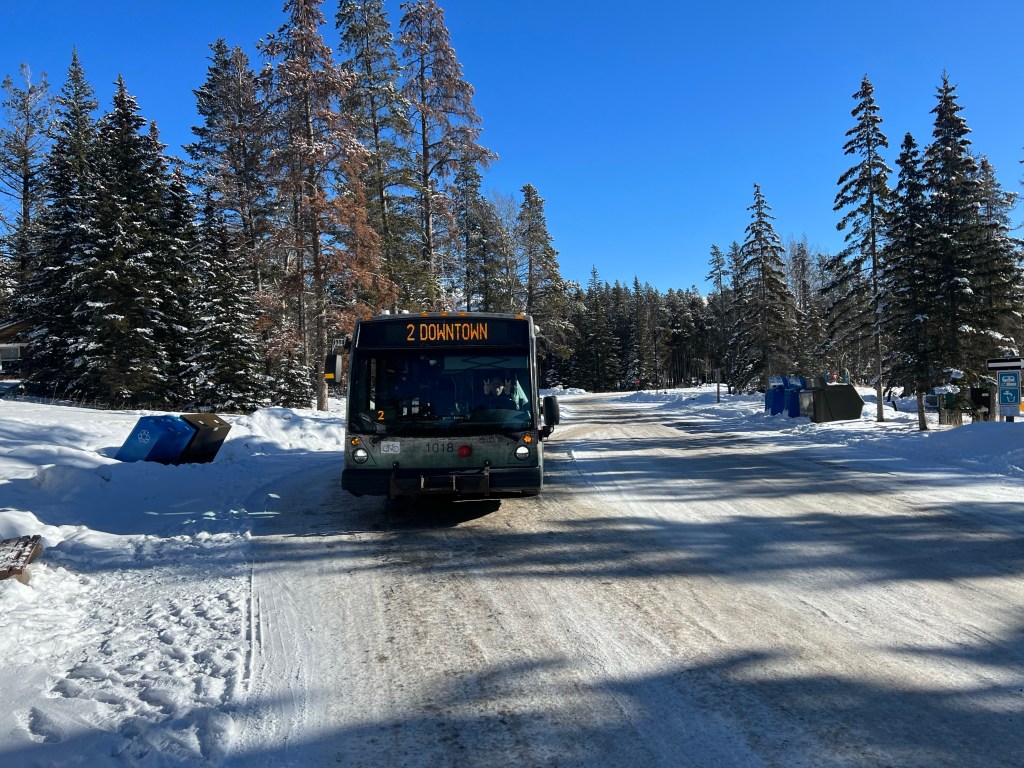
Whether you need a ride up to the park from the airport or around the ski hills or through the quaint and historic town of Banff, they have you covered in the most convenient ways.
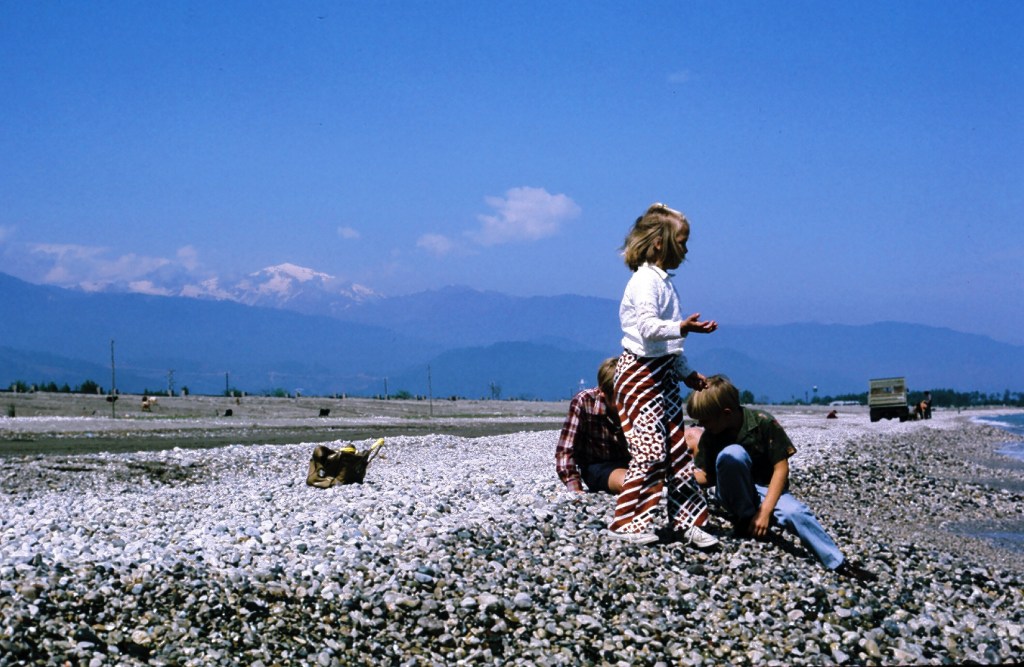
For a handful of decades, no one in my family paid any attention to the carrousels of slide trays that held film of trips we had taken in my childhood. Finally, I convince my mother to package up the thousands of images and have Costco scan them for easier viewing. Some were in sequence and some were not. This, along with my parents failing memories, added complexity to determining exactly where the pictures were taken.
It didn’t take too long to figure this one out. I vividly remember visiting the Caspian Sea. The name alone is romantic and adventurous. When we got there the pebbly beach felt remote and austerely beautiful. The drive from Tehran is only two to three hours, and crosses a dry and rocky mountain range.
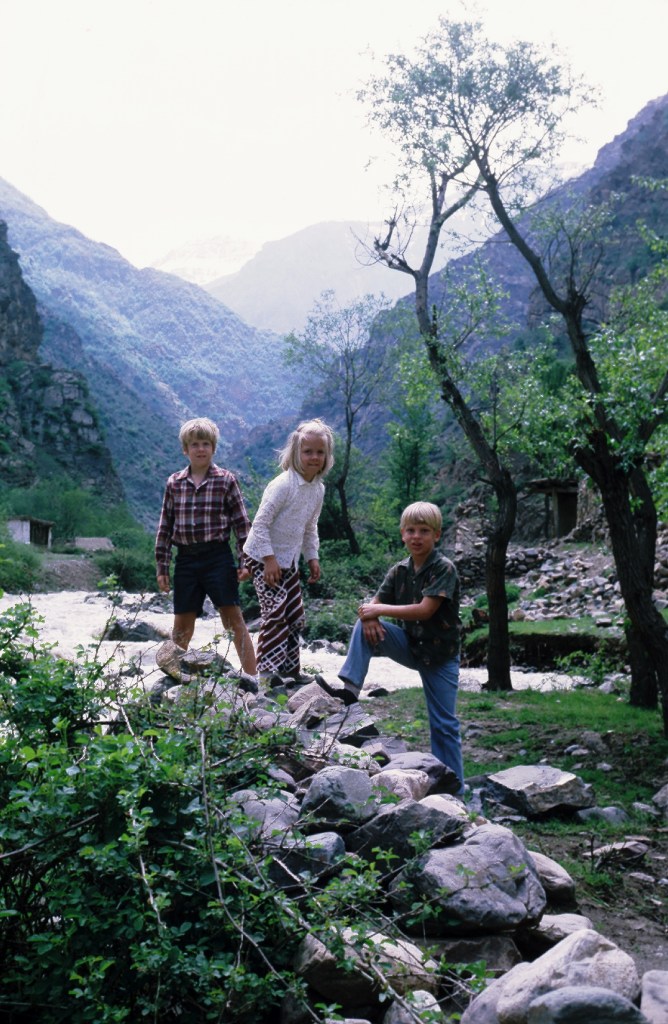

Perhaps it is difficult to imagine now, how easy it was to travel through this part of the world in the early 70s. Aside from having to watch for the cabbies rounding up their fares, I have no recollections of difficult or unpleasant encounters on these sojourns. Hopefully one day the world will right itself again and people will be able to appreciate the sites there are to see in this part of the planet.
For more recent photos of this area, along with some video footage through the mountains check out this link: Adventure Iran, Tehran to the Caspian Sea.
My husband and I enjoyed dinner at Blackboard, a restaurant located at the intersection of two country roads in Ottertail County. If I’m going to pay someone else to cook for me, then I prefer something I wouldn’t make myself. The walleye was scrumptious and fit the bill. I’m pretty open to the ambiance in the sense that I am more than willing to go to a dive restaurant or a street vendor if they have the goods. But this place is quaint and cozy. We sat indoors in a space that glinted and winked at you to make you feel special. The outdoor seating looked wonderful as well.

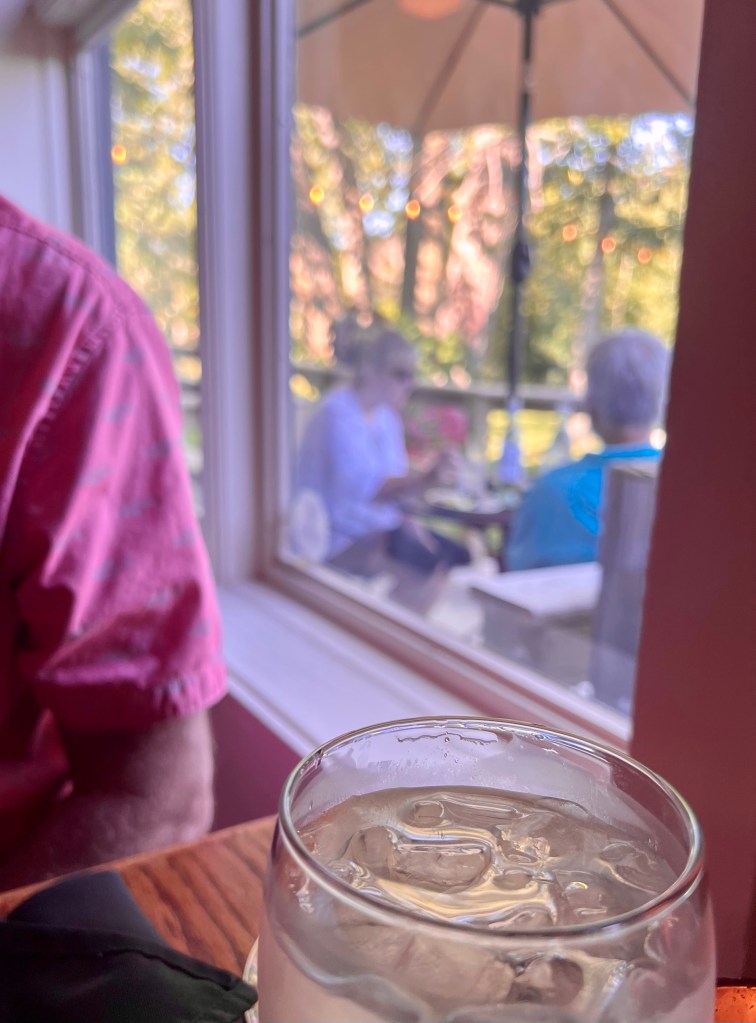


The setting of Blackboard is a little unusual as it is truly on backroads. There are many lakes in the area and lake homeowners need restaurants. It also has the good fortune of being trimmed in by a thirty-two-mile bike trail connecting it to several communities as well as Maplewood State Park.
They have live music on Thursday evening. We’ll have to go back.

Charles de Gaulle is a busy airport. Sitting about sixteen miles to the northeast of Paris’ city center, it is a hub for Air France and inter-continental air travel.
In 2019, the airport handled 76,150,007 passengers and 498,175 aircraft movements,[4] thus making it the world’s ninth busiest airport and Europe’s second busiest airport (after Heathrow) in terms of passenger numbers. Charles de Gaulle is also the busiest airport within the European Union. In terms of cargo traffic, the airport is the eleventh busiest in the world and the busiest in Europe, handling 2,102,268 metric tonnes of cargo in 2019.[4] It is also the airport which is served by most number of airlines with more than 105 airlines operating to the airport.[5]
Wiki
Bozeman Montana also has an international airport- the busiest in the state. Avid skiers who call Big Sky their main mountain account for a portion of the 1.8 million passengers who passed through the boarding gates in 2021. At BZN it wouldn’t be uncommon for a perky flight attendant to look out into the line of passengers waiting to go through security and beckon passengers on a flight with an empending departure to cut the line. The other passengers wouldn’t say a word. It is perfectly acceptable to not let a fellow traveller miss their flight!
That’s not quite the way they roll at CDG. First off the lines are horrific. A snaking string of figures and baggage step through the cordoned passageways. An agitated passenger, boarding pass in hand, attempts plunging on ahead. They are concerned they will miss their flight! The attendants look away. They will only step in for the elderly or those with babes in arms.
Is OK to push ahead in CDG when polite line waiting is the only way to go in BZN? Can a person maintain their moral standing when various environments dictate different rules? Or do you just accept that sometime you’ll miss your flight?
I was recently reminded of the travel writer Dervla Murphy. Her book Full Tilt: Ireland to India With a Bicycle lingered on the shelves of my childhood home. It is a journal entry account of a solo bicycle trip across Europe, Iran, Afghanistan, (West) Pakistan and India. The journey starts in the winter of 1963. Her travel log is far from a dull diary style as her entries are picturesque and informative.
The landscape, as throughout Swat, was very green and we passed through many pinewoods where the aroma of resin mingled in the hot air with the scents of a multitude of flowering wild shrubs and herbs. Weeping willows lined some stretches of the road, granting a brief escape from the sun, ‘Irish’ bramble hedges and ditches induced homesickness, and on the slopes of the grey, round-topped mountains little green bushes like juniper grew thickly.
There were few travel resources when we ventured across Pakistan some five years later. Mostly plans were made based on firsthand accounts from other embassy personnel. Car travel was easy. The roads were uncongested in the countryside, and although city driving was haphazard, it was a slow-as-you-go type of driving. I can’t imagine depending entirely on a bicycle. Although there is the benefit of the pace allowing for lingering views of your surroundings, such as this approach to Murree.
The hour from 6.30 to 7.30 p.m. was unforgettable, with sun set colours tinting the snowy ridges of the Himalayan foothills, and long shadows stretching across the valley’s steep slopes, which were terraced and irrigated in orderly patterns and dotted by tiny mud houses. Then the cool radiance of moon light succeeded the brief dusk as I dragged myself up the last and steepest two miles to the P.W.D. rest-house where I’m now half asleep as I write.
This hill station lies to the northeast of Rawalpindi. The photo below of the head post office is at its town center.


I left Murree at 7.30, having called on the Irish Presentation nuns at the somewhat startling hour of 6.45 a.m. and got a terrific reception. They’re always so pathetically pleased to see someone fresh from Ireland that it’s worth the effort of answering all the usual questions for the umpteenth time. On the way out of Murree a carload of tourists stopped to ask was I the Irish woman? When I said ‘yes’ they asked if I was going to Madras, and I said ‘perhaps’, whereupon they gave me their address and told me I must stop with them.
Every time I’ve read one of Dervla’s accounts I’ve been taken back by her bravery. She shows a steadfast trust in the general good nature of human beings. And although she had a few run-ins over her travels, her adventures confirm that there are more people who are hospitable than not.
I’m pretty sure these photos were taken on a trip through the Indus River valley, and on up to a hill station in the most northern part of Punjab province, Pakistan. The only lost city that makes sense is one established by the Greeks when they invaded India in 180BC, the city of Sirkap. But if anyone out there can confirm? It would be a great help in confirming a segment of my childhood travels.
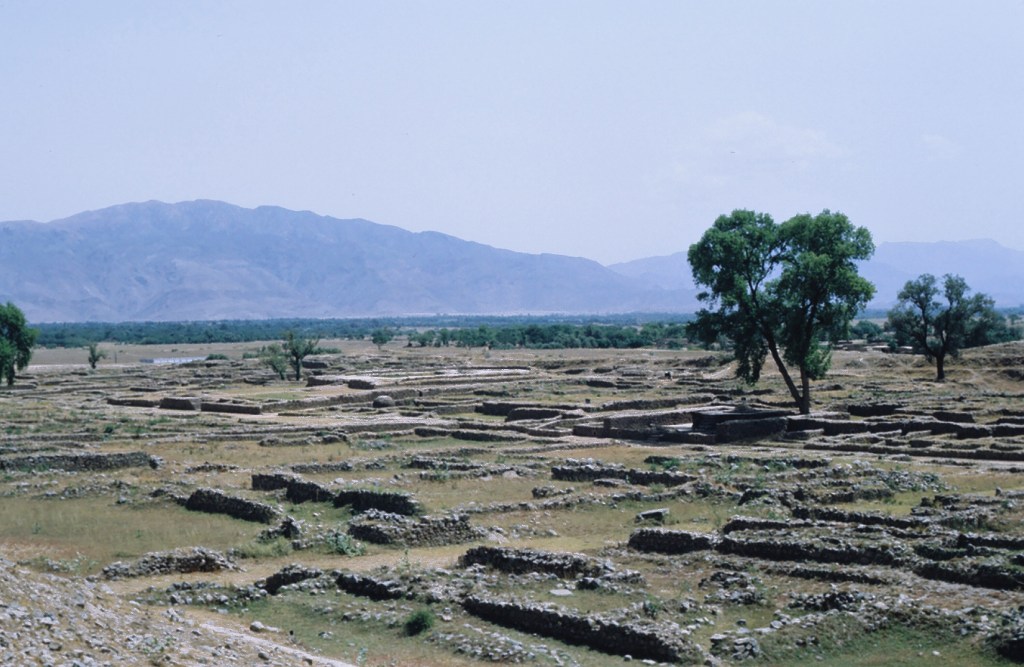


From Wikipedia:
The site of Sirkap was built according to the “Hippodamian” grid-plan characteristic of Greek cities. It is organized around one main avenue and fifteen perpendicular streets, covering a surface of around 1,200 by 400 meters (3,900 ft × 1,300 ft), with a surrounding wall 5–7 meters (16–23 ft) wide and 4.8 kilometers (3.0 mi) long. The ruins are Greek in character, similar to those of Olynthus in Macedonia.
Numerous Hellenistic artifacts have been found, in particular coins of Greco-Bactrian kings and stone palettes representing Greek mythological scenes. Some of them are purely Hellenistic, others indicate an evolution of the Greco-Bactrian styles found at Ai-Khanoum towards more indianized styles. For example, accessories such as Indian ankle bracelets can be found on some representations of Greek mythological figures such as Artemis.
Wikipedia
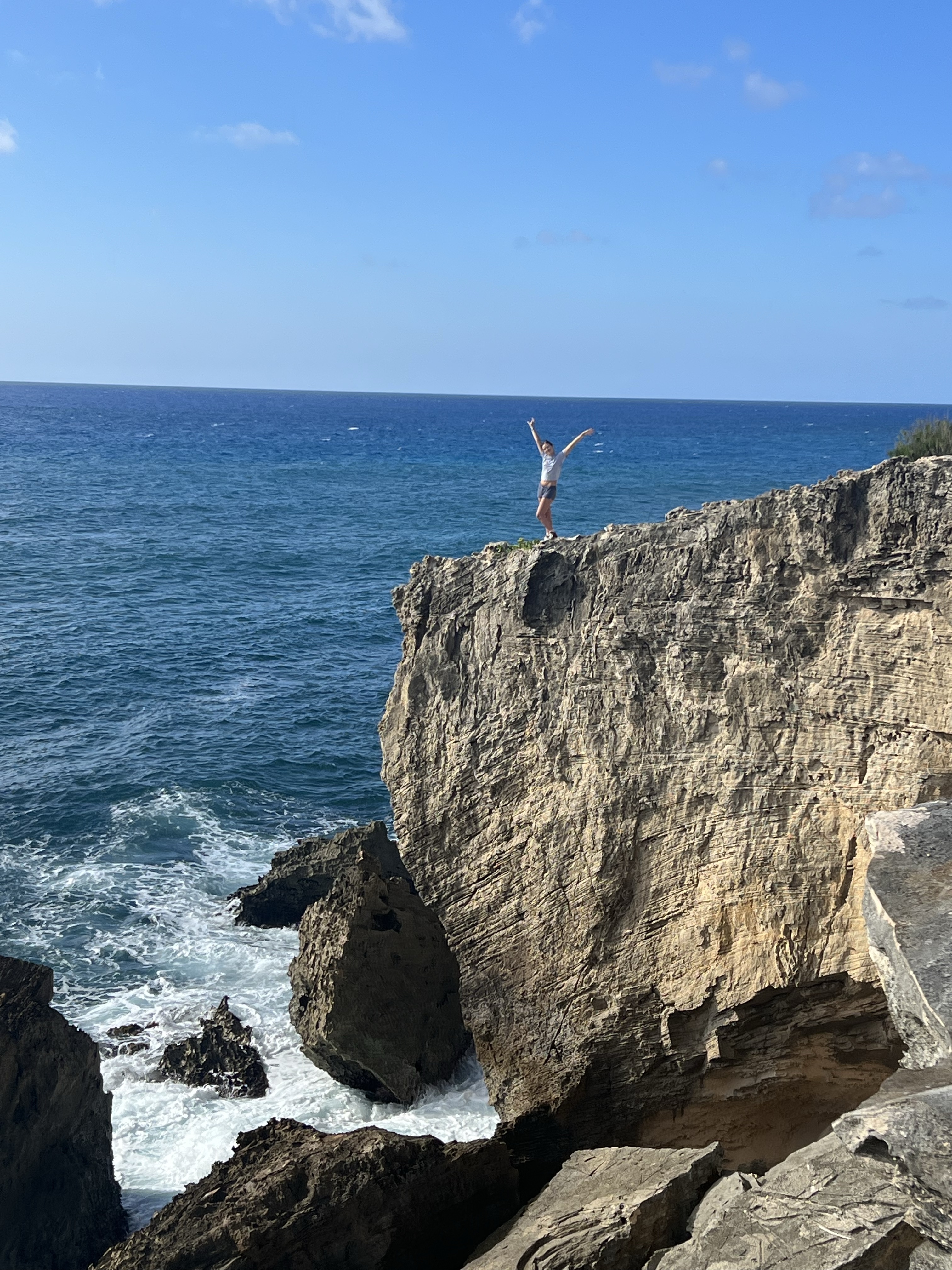
Kauai is the fourth largest of the Hawaiian Islands and is nicknamed the Hanging Garden. Its volcanic formation resulted in a serious peak, Kawaikini, which receives the most rainfall on the planet. This moisture drains into an elevated swamp, the Alawa’i Swamp, which drips moisture down onto the island. The tropical beauty and mystic peaks made it the perfect backdrop in the Jurassic Park movies.
The flight schedule is a little cumbersome from Minnesota. The western states have great service, but the central states must transfer through a hub. And of course there is the four hour time change which messes up one’s schedule for a few days. Covid wise, things are more favorable than going to Canada. Vaccines are required to avoid quarantine, and there is a government app that needs info, but no 72hr testing.
The weather has been spectacular with temps ranging between 70-85 degrees F. It’s not as damp as the Caribbean and not as dry as Cabo. Perhaps we were just lucky- but it’s a good thing as there are beaches at every turn to enjoy. The inlets allow for sheltered swimming and snorkeling, whereas surfers paddle out a bit to catch the waves.
We had wonderful experiences with the scuba folks on three different two tank dives. The first focused on highlighting the giant sea turtles. Many are snoozing down on the reef, but some will come out and swim with you for a while. A boat dive took us out to a reef with a large variety of fish. And we ran into a couple dozen dolphins on the way back to the small craft port. Finally our night dive opened up a whole new selection of wildlife that prefer the later hours like a ghost octopus.
All three dive masters were interested in sharing their love of the underwater sealife and took care to show us the different species. They had a bunch of hand signals to communicate en route as they pointed to a rock looking thing that fluttered away with colorful fins (devil scorpion fish) or they used an open and close puppet motion to indicate a spotted eel. The wildlife is abundant and they are please to welcome you to their world.
Captain Adam was our boat captain who talked pretty steady. He’s fishing when he’s not driving the scuba tanks or taking tourist around to the Na Pali coast. There’s a rhythm to his speech that islanders get even though he looks like he could be from Wisconsin. The way the multi vowel Hawaiian words rolled off his tongue seemed to say he’s a lifer.
One thing you notice right away is all roosters wandering about. In fact you hear them before you even see their assorted feathering patterns. They are protected as the import only feature of the island has created a creature unique to its environment. This is true too of some regional fish, in particular the state fish of Hawaii, humuhumunukunukuāpua (yes, real name for a trigger fish with distinctive markings).
Hiking is a feature attraction as well. The diverse landscape offers many distinctly beautiful settings to stretch your legs. Although the trail infrastructure isn’t quite what it is on the mainland, the roads are well paved and the shoulders are used by pedestrians. There is a maze of paths through the Waimea canyon.
Overall this island scored high on our preferred island adventure destination list.

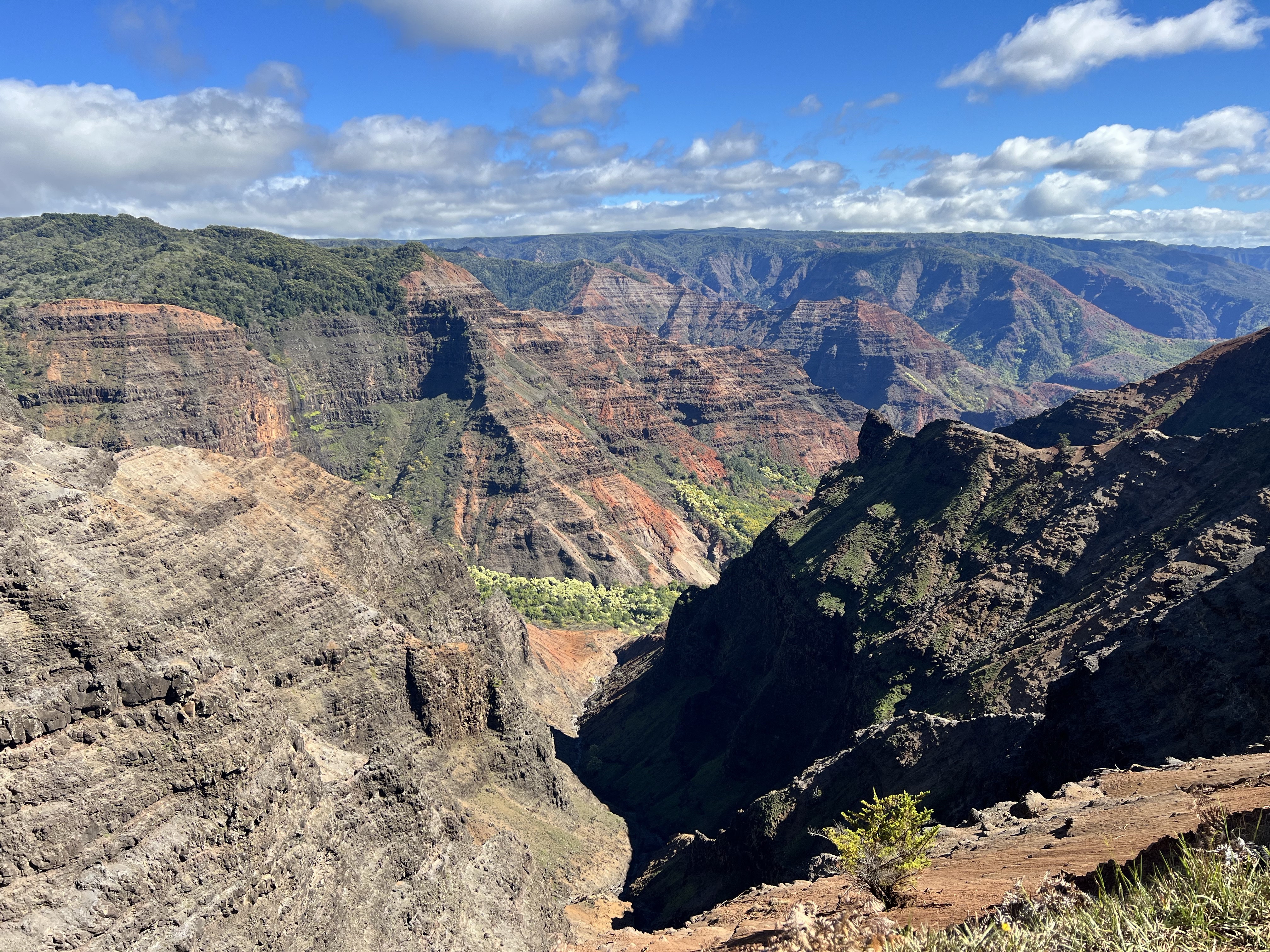

Considering travel options to islands for some rest and relaxation can very over time. There are many that may meet the basic criteria of tropical beauty, access to beaches of equal quality, opportunities for water sports and boating, and a comparable level of lodging. But choosing one over the other can hinge on boring basics.
Going to distant shores is appealingly exotic. Leave all the standard stuff for those who have no sense of adventure. The travel cost is more as the sheer distance is greater. And there is a surcharge for the extra leg of travel to get well off the beaten path. There is the additional minor inconvenience of time zone changes, mostly born out in the transition back to working life upon return.
The extra travel expense can be recaptured by more reasonable lodging and meal costs as the cost of living differences are often substantial. For this reason such destinations appeal to the younger traveler. At least it was for me.
But then, when young children come along, the idea of having a drug store just down the street with recognizable remedies for toddler care is pretty comforting. And it certainly helps to know that medical services are in place if something more serious comes up. To further facilitate the excursion being pleasurable with the offspring, being in the close to grocery stores with favorite foods makes mealtime more pleasant. It is meant to be a vacation after all.
All these extras tip the practical ocean front in lieu of the exotic. Distant and cheep is great as a youthful solo traveler. But when dependents are in tow, it is no longer exciting to get caught up short on the bare essentials. Quite to the contrary, the reassurance of infrastructures around health and safety become exponentially more valuable.

As morning breaks over the Bitterroot Mountains in western Montana, the outlines of the craggy ridges materialize against the lightening sky. Big Sky. It’s the state’s motto. The blue atmosphere embraces you from all sides like a hug from a friend who will not leave you.

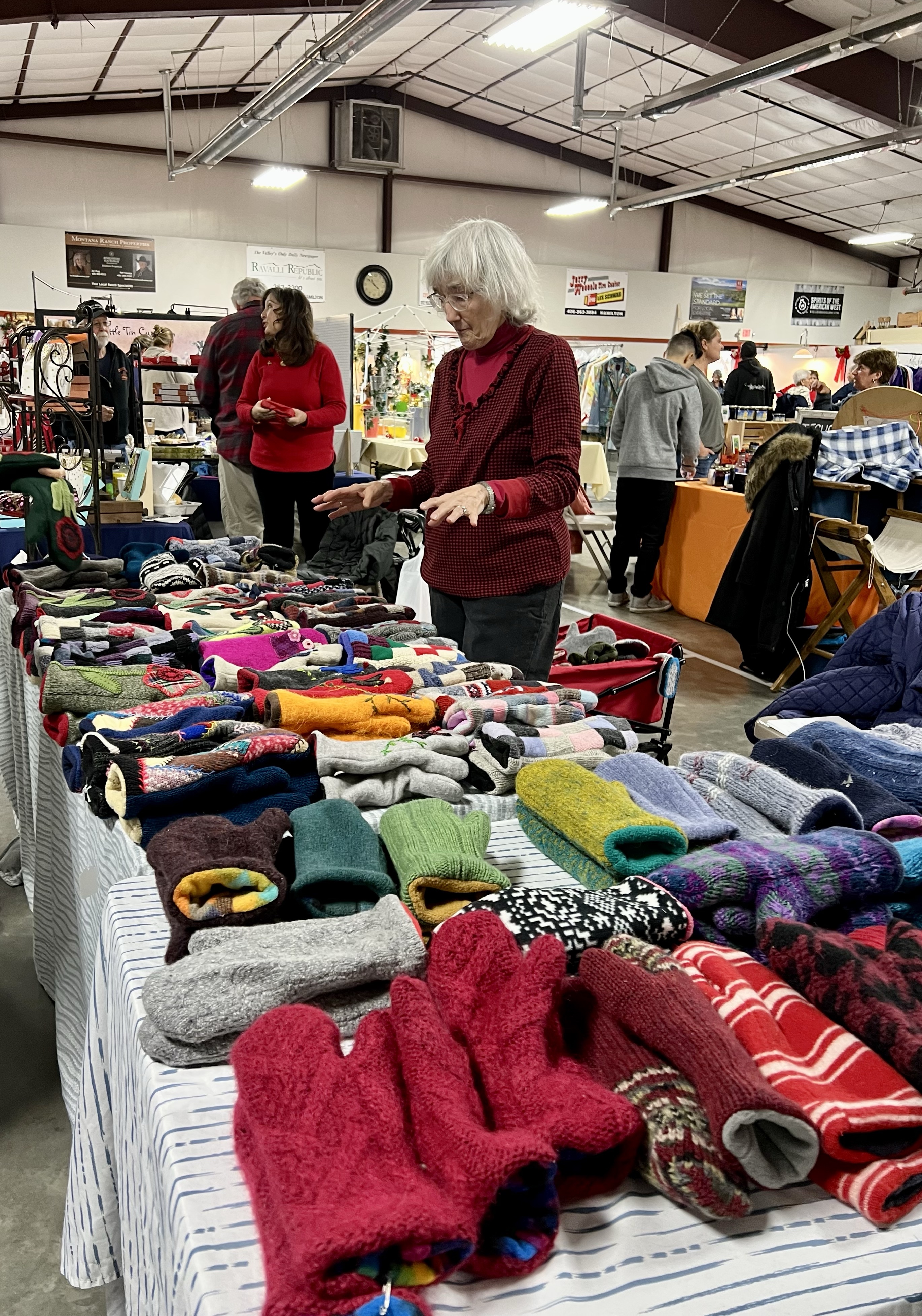


Montana is still remote enough to attract super stars who know the locals won’t be impressed by their presence. No autographs or selfies required. There are still craft fairs where the fine art is in the both besides Brenda selling her fleece lined choppers, made with used sweaters bought at thrift stores. She turned 83 today and we all sang Happy Birthday after the announcement came over the PA. She told me she didn’t have time to sit around. Idleness is not an option.
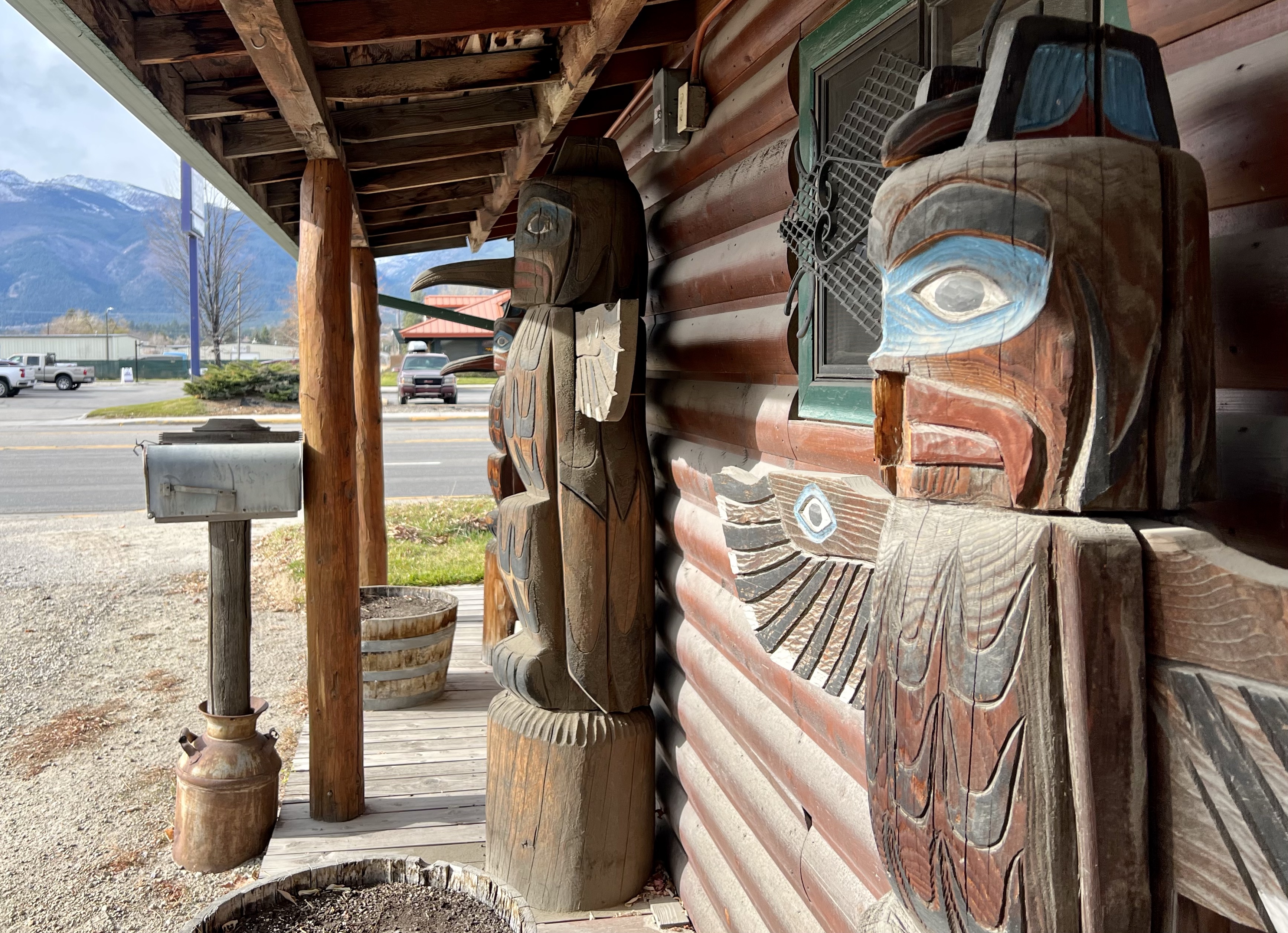
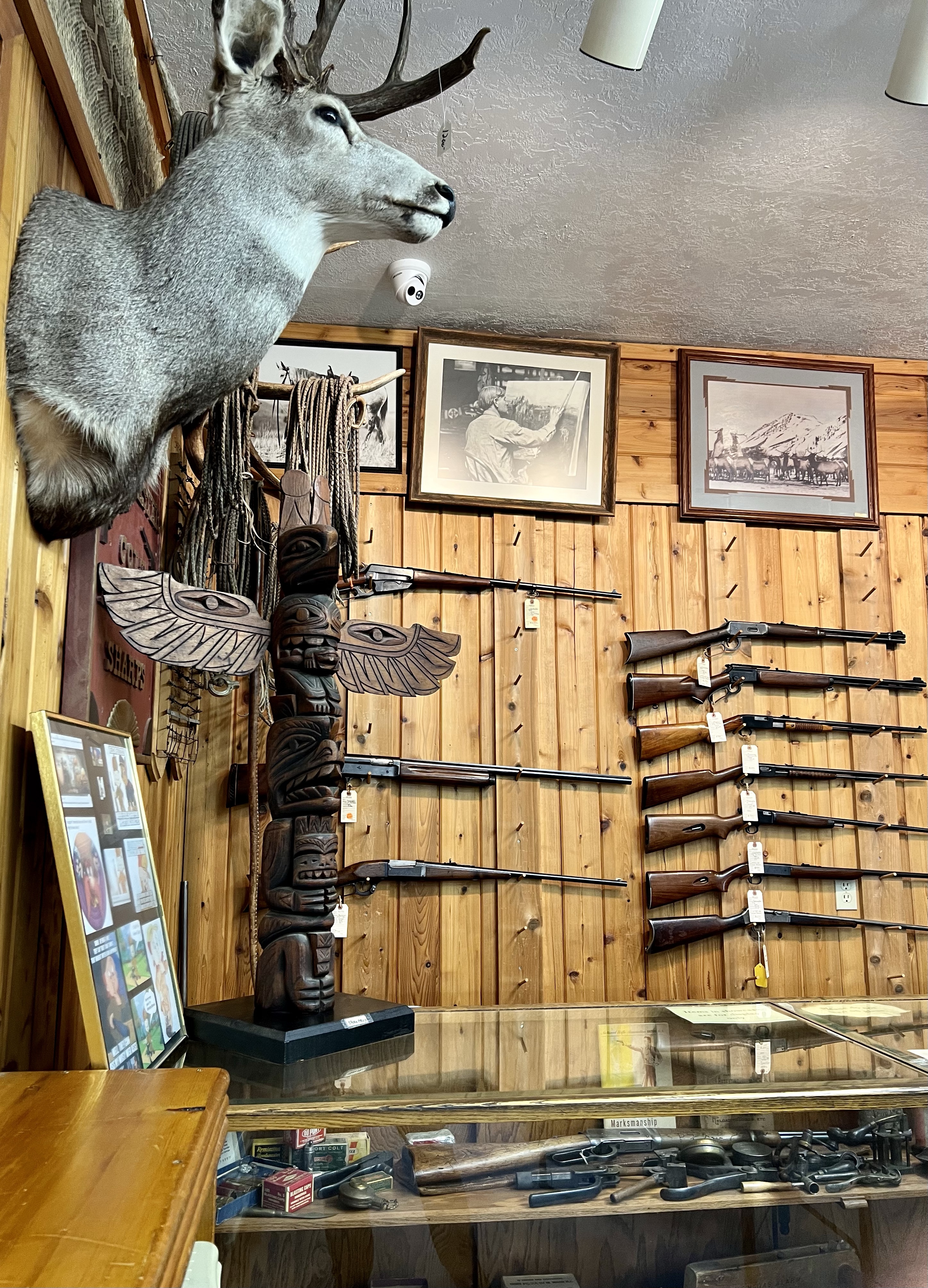


It’s hunting season and the locals are passionate about their public lands. Miles of it are open to hunters. They are out looking for moose, elk, prong horns if you are ambitious. Low lying clouds roll over the peaks. You can’t miss the beauty of the place. It’s all around you.

Our posting to Addis was one of the longest in my childhood, so naturally I have many memories from our time there. We arrived in September, at the end of the rainy season. Since our housing wasn’t ready, we lived temporarily at the Hilton Hotel. This photo was taken from one of the upper floors. I believe that is Menelik II Ave rising up on the right side of the photo. If you google present day photos of Addis, you can see how the city has been transformed.
We were fortunate to have traveled across the country during our time. From the Awash valley, to Djibouti, to Lake Langano, up into the Rift Valley, and to trout fishing in the Bale Mountains.
I hope some day to travel there again. But the news update below isn’t encouraging. So for now, US travel is it has to be!
We are seeing the crisis/death of 2nd generation constitutions: Ethiopia with its diversity-sensitive constitution, federalism & self-determination clauses, mirrored in the angst and twitches in South Africa 2/7
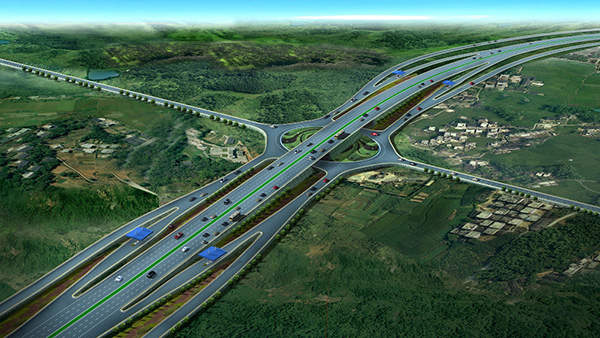
Ethiopia reminds us of the limits of the “modernisation” (read big infrastructure ) model that “brings” development and nurtures cohesion through satisfied stomachs. It was rising until it fell 3/7
It also demonstrates that African dysfunction can’t always be attributed to the colonial experience. Ethiopia wasn’t colonised and led a highly storied war against the Italians 4/7
It shows that the existence of a large foreign presence in a country – a regional hub – is no inoculation against state collapse 5/7
Ethiopian conflict proves what has been observed in conflict literature: the best predictor of war in a country is a prior experience with war. Once you break your “peace virginity”, just expect more children down the line 6/7
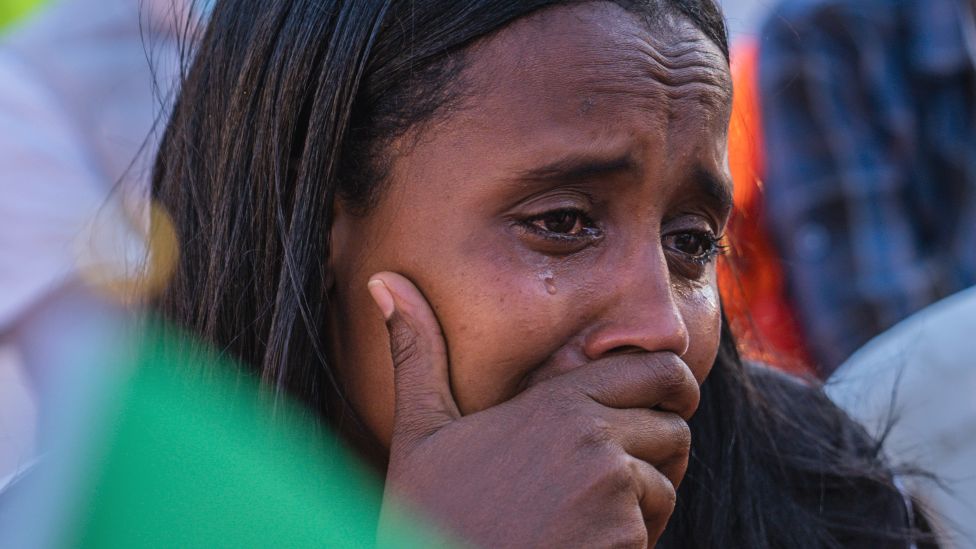
📸EPA
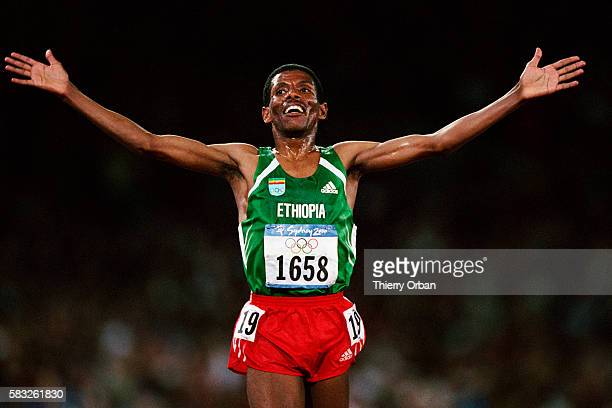
Last, on a light note, having a Nobel winner ( PM Abiy & Wangari Maathai in Kenya) and great Gold-winning runners (Haile Gebrselassie or Eliud Kipchoge) is no guarantee of peace 7/7
Originally tweeted by Charles Onyango-Obbo (@cobbo3) on November 5, 2021.
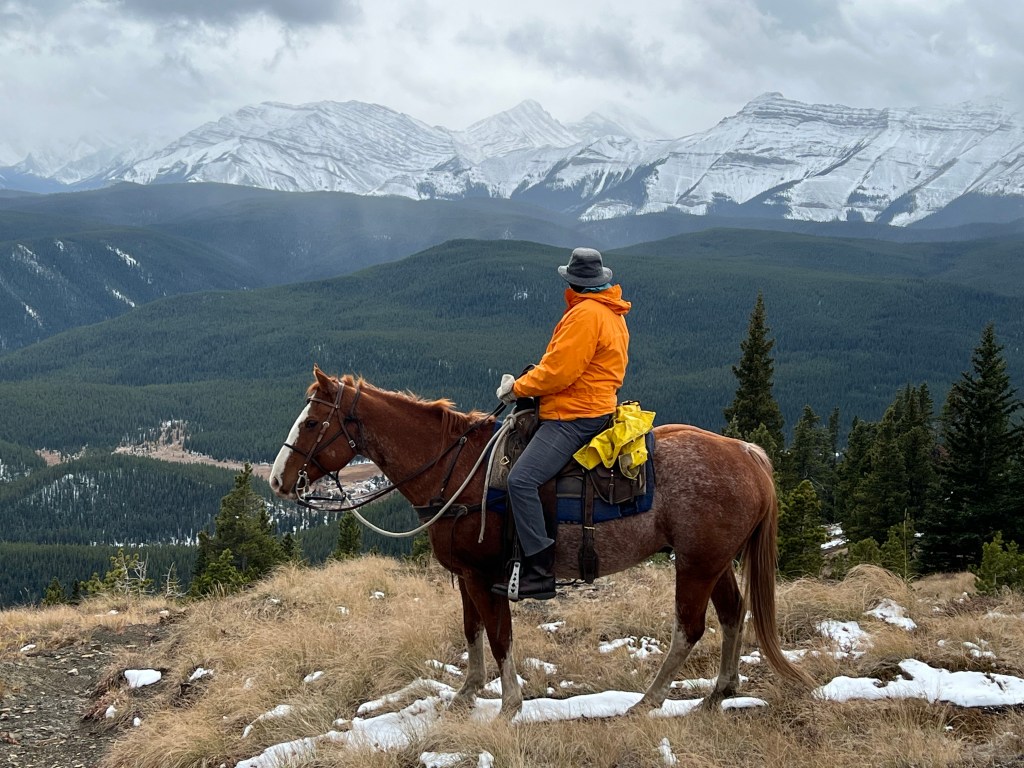
Connectivity notes: The upshot of the phone upgrade to an iPhone 13 Pro is that it appears to have been completely worth while. In past years I have had limited connectivity in the Calgary, Alberta area (through Sprint). This trip I had a signal virtually all the time- when we went for a horseback ride in Sheep River Provincial Park the data didn’t load until we hit some peaks. Now whether the improved connectivity was due to my conversion to the T-Mobile 5G network or simply due to a superior antenna in the iPhone 13 Pro, I will never know. No matter- the result is that I had far better service.
Photos notes: The photos captured my new phone are fabulous. It picks up the light, focuses properly and has an ease of use that allows my subjects to be captured in the moment. I am sure I will produce more fun stuff as I get to know the phone’s features better. And it sure beats carrying around a bulky DSLR camera, especially in the great outdoors.


One way to show the level of depth in every picture is to enlarge it several times and see how grainy the image becomes. You can see the shot at the lower right is still nice and crisp.
I’m excited to keep playing with my new phone toy to see what other party tricks are encased in its new blue finish.
Transit notes: Calgary transit system is quite good. The bargain price is $3.5CAD ($2.8US). Google maps provides estimate timing for bus and light rail arrivals which are remarkably accurate. This helps to reduce idle time in the use of mass transit which in turn lines it up more favorably against a car. I even looked up directions (Google Maps) by transit from the airport. The duration of the trip increased considerably– by forty minutes.
My first inclination was to eliminate the option. But then I started to consider how long it takes to rent a car. You have to get from the air terminal to the rental agency. Then you usually stand in line as other passengers are doing the same thing. All in all, renting a car often burns the same 45 minutes. I’ll revisit the option down the road.
Covid notes: Canada is still under a lot of Covid stress. You need to be vaccinated and show proof of a less-than-72-hour-old-negative-test result to enter the country. You need to create an ArriveCan account. You will be asked to show your vaccine card at restaurants. But it was the random testing at the airport, after arrival, that I thought was completely over the top. Oh well– they let me in and it was sure nice to be back in Alberta.


The Battle of Largs (2 October 1263) was a decisive, albeit small, battle between the kingdoms of Norway and Scotland, on the Firth of Clyde near Largs, Scotland. Through which Scotland achieved the end of 500 years of Norse Viking depredations and invasions despite being tremendously outnumbered, without a one-sided military victory in the ensuing battle. That said, the victory caused the complete retreat of Norwegian forces from western Scotland and the realm entered a period of prosperity for almost 40 years.
Wikipedia
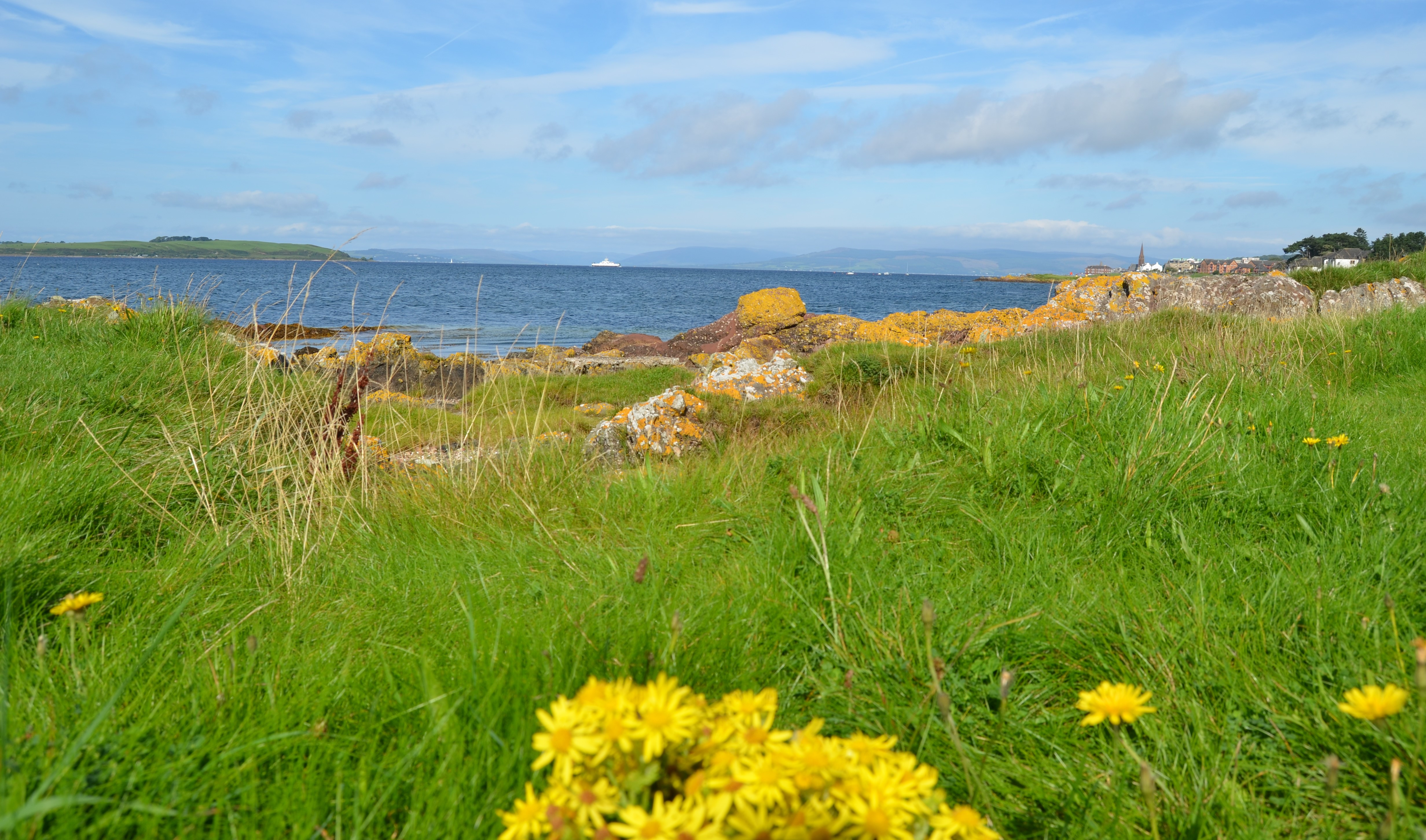
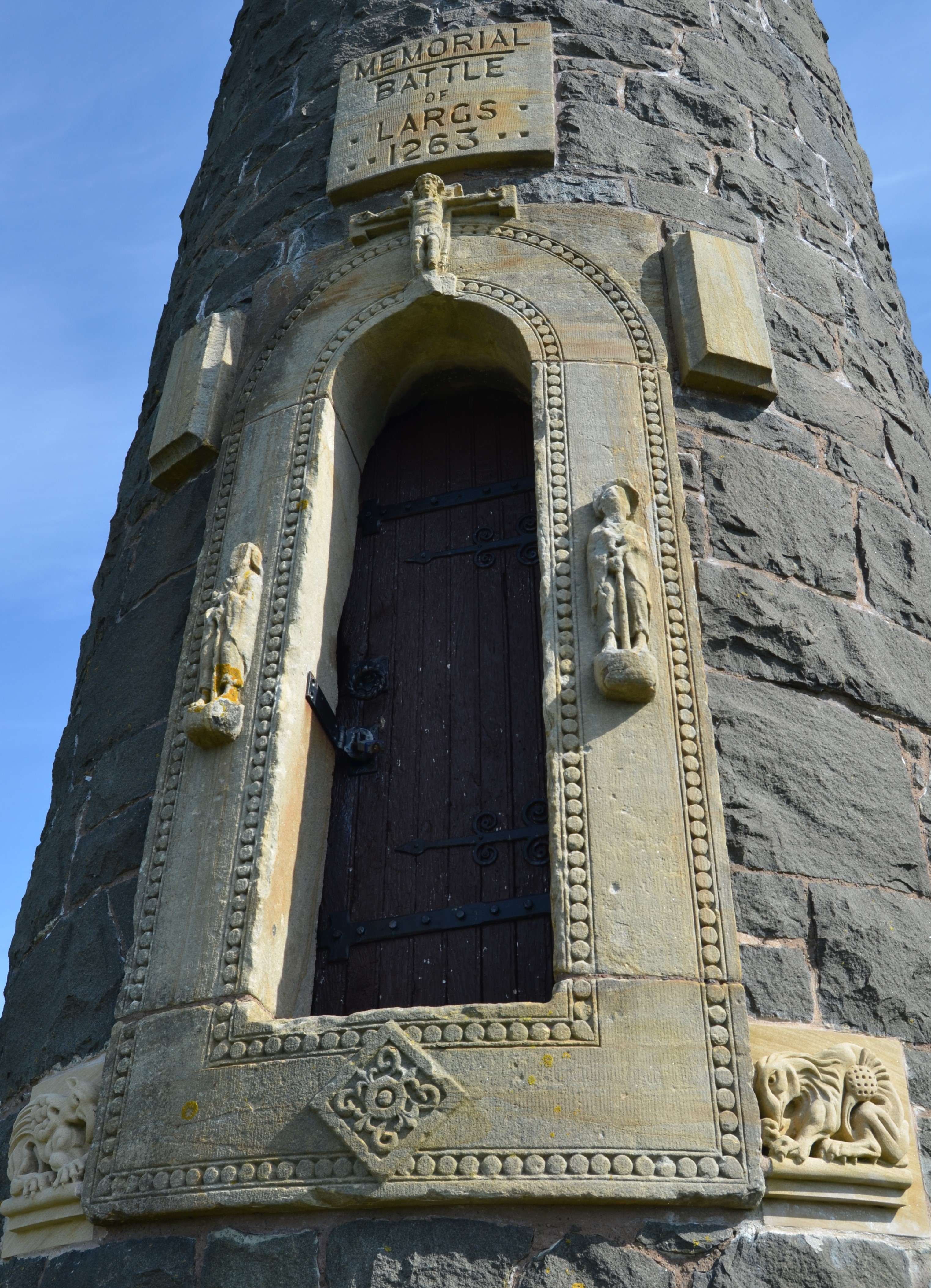

The battle for ownership of land and all things seems to be part of the human condition.

It has been a while since I’ve posted a vintage photo, so here is a scene from Addis in about 1974. The wall in the foreground encircled our residential compound, separating our house from all those along the road below. In parts it was studded with broken glass, and stood at ten feet above our yard, dropping fifteen or more to the road below.
The tall eucalyptus trees frame the edges of the photo. This is appropriate as their distinctive smell lingers in every memory of the mountain top capital. Fresh and pungent.
A smoke also lingers amongst the branches as there was always a fire lit, smoldering out of a cook top or a chimney. Although the daytime temps can be warm, the high elevation promises a cool night’s rest. Back then most women snuggled into the white muslin wraps just like the figure striding down the road.
Come morning the roosters were as reliable as the rising sun, beating the rays to the shuttered windows at announcing day break. Our first night in that house, with jet lag still playing on the rhythm of the waking hours, the crowing was unexpected. Exotic. It wasn’t long before the sounds of roosters were the steadfast signal of life on a new day.
Maybe difficult to pick out in the picture is all the corrugated tin which was (still is?) the roofing material of choice. Rust isn’t a problem, I think, due to the elevation. But when the rains come the clatter is impressive! It makes one feel extra dry to hear exactly how much water those roofs protect you from.
The recent pictures I’ve seen of Addis are nothing like it was when we lived there. There were no skyscrapers. Bole road to the airport was the only thorough fare. So I don’t know if the red clay roads such as the one by our house are still maintained by the pounding of foot traffic and donkeys loaded with bundles of firewood.
Someday I hope to return for a visit and find out.
Post note: Our Addis house is one of the tiles in the banner for the blog. Can you guess which one?
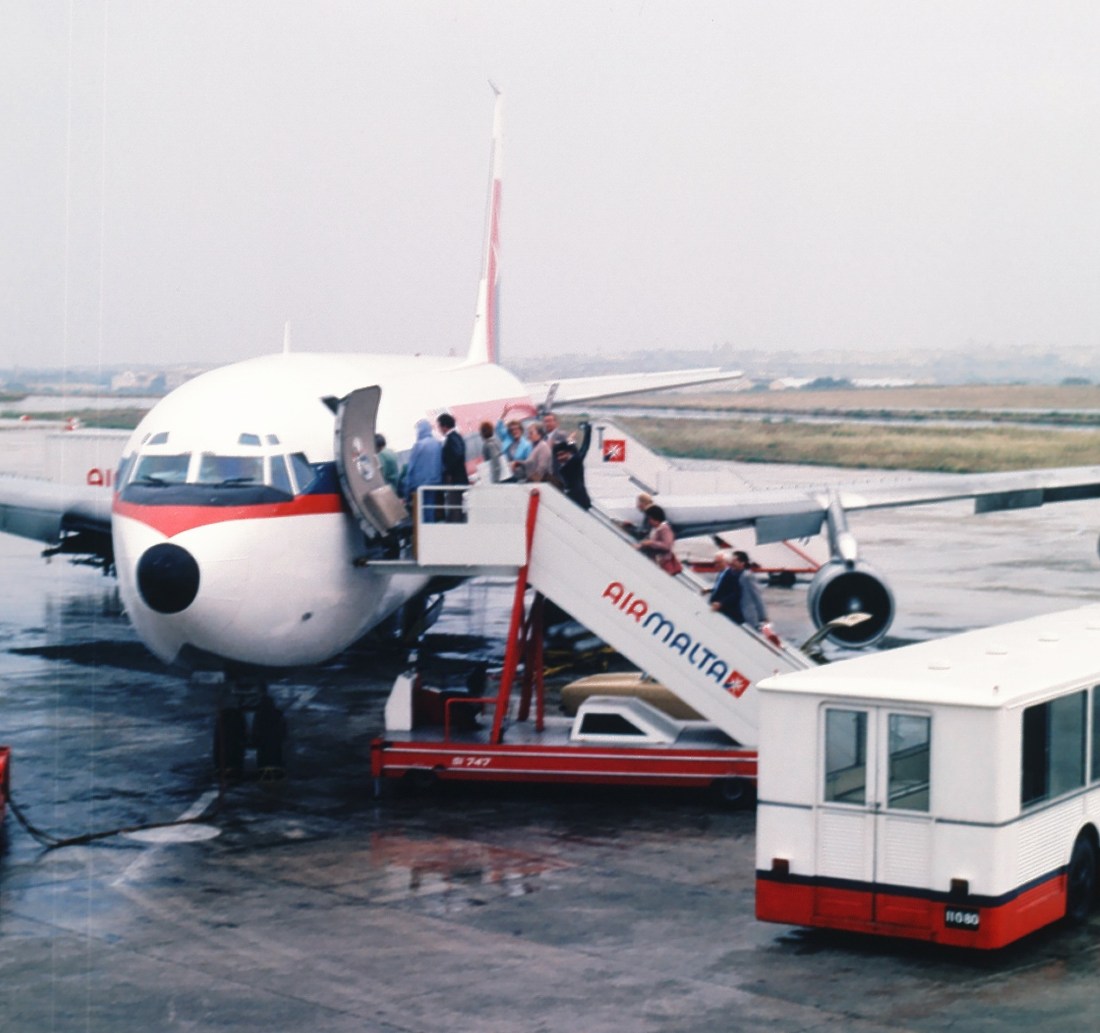
When we travel, I’m usually the one who figures out all the logistics. A direct flight to a not so distant destination is easy to plan. After weighing the various departure times and prices, and taking into account the shuttle service to the hotel or condo, the choice is relatively apparent. The type of trip can add considerations, like a ski trip includes extra luggage and a drive up to the ski hill.
Juggling a more complicated journey with multiple flights and modes of transport, requires further evaluation. This is especially true if you are toting along your kids whose complaints from discomfort can grate on you like finger nails on a chalkboard. So the analysis then insures extras like timely food availability and total travel time.
I’ve been having quite a time finding viable air travel to Kauai for our trip over the Thanksgiving holidays. I’m not sure how far west you have to go before Hawaii becomes a popular sunny destination. But Minnesotans generally go south to places like Cabo or Cancun, the Dominican or Costa Rica. It is even much easier to fly to Europe than to Hawaii. As a result the connections to the Aloha State are either quite irregular or considerably more expensive.
At every thought of my offsprings’ (and spouse’s) objections to waiting out layovers in the likes of Phoenix or Las Vegas, the dollars I was willing to spend for one versus two connections kept mounting. Then it occurred to me that they really needed to be in on the choosing. Since all the choices are middling to poor, we would have a more favorable experience if everyone decided on the deal.
It’s so easy to take something on and make the decisions. But to deny others the overview of choices is to deny them the ability to process two layovers and fourteen hours of travel. If the choice is made for them, and all the choices are subpar, then they will be dissatisfied no matter what.
It is similarly easy for elites, or politicians, or heads of non-profits to make choices for the vulnerable people they serve. Many times these choices are from a selection of far from ideal circumstances. But when the recipients are denied the ability to make a choice, they are denied the practicality of seeing how the result is still incrementally better than another option.

It seems like July is vacation month based on the photos spanning Martha’s Vineyard to the Black Hills popping up on social media. Lots of quips about time with the family, delivered with various innuendos. Aspirations of time alone to read proffered as acceptable time off activity.
Personally, I’m dreaming of Northern Italy. Fly into Milan. Check out the fashion culture with my daughter. Find Da Vinci’s Last Supper mural painting at the refectory of the Convent of Santa Maria delle Grazie. Relocate to Verona. Bike around Lake Garda. It looks feasible to plan a day hike in the mountains just to the north.
Cap the trip off with a tour of Venice. Check out Piazzo Saint Marco, the bridges, the canals. The art. And reflect in the gold mosaics’ on the Basilica that it was the free flow of people and their goods which are responsible for the still lingering wealth.
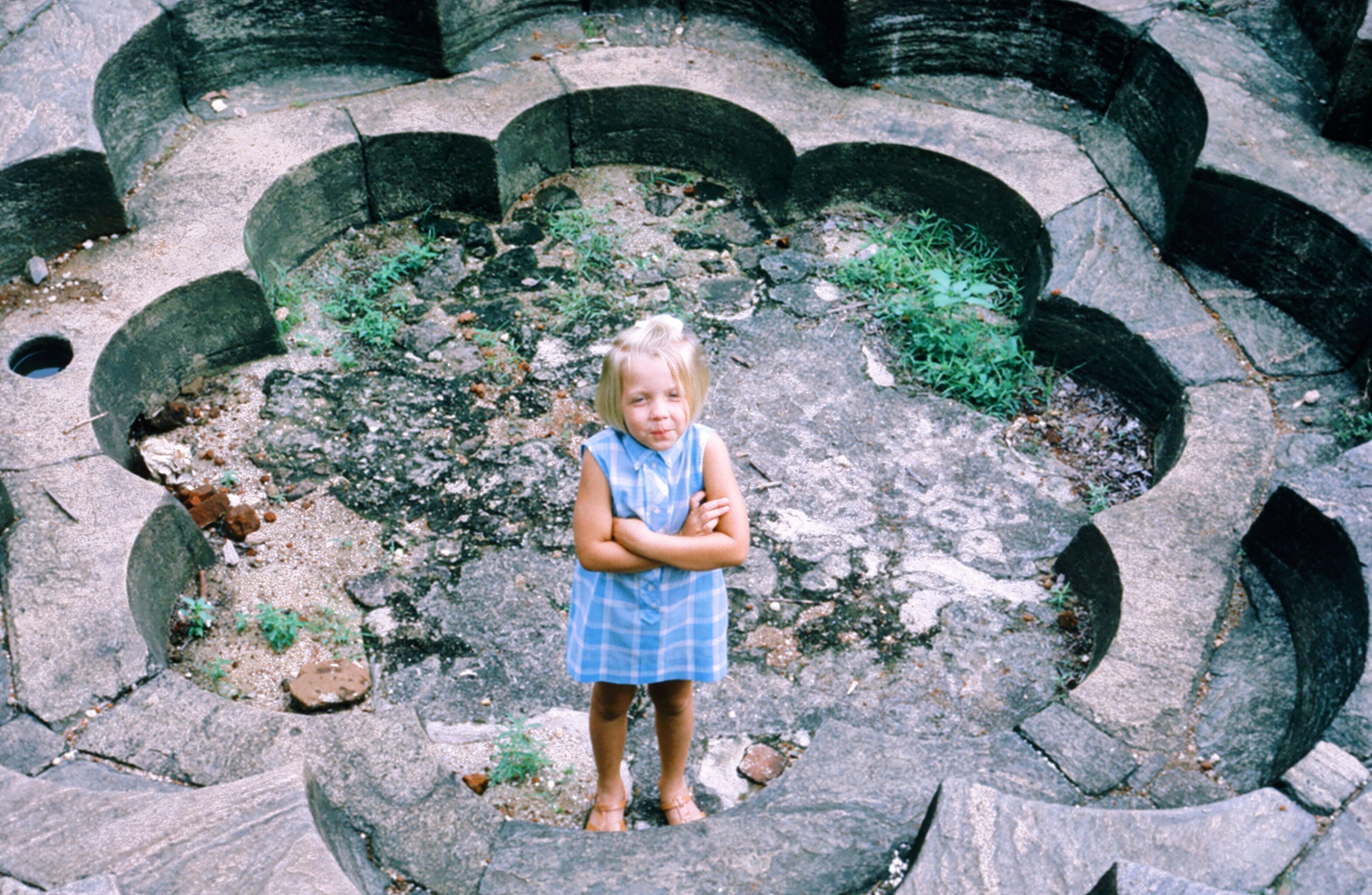

Thanks to Praveen Wijesinghe for posting on Google maps, confirming that once upon a time I was in Polonnaruwa.

I started posting my photos to google maps about four years ago, undoubtedly because some AI trick prompted a friendly message onto my screen encouraging me to do so. As I became more familiar with maps, and the cooperative efforts of people around the world to share what they were seeing on the ground, I began to value the service. Which led to more postings.
For instance, I was going through childhood travel pictures and family members could not recall the location of this fortification.

Google Lens was helpful, but it suggested more than one fortified option. The choices spanned destinations from the Punjab to Egypt and in between. Fort Attock Khurd looked the most promising so I went to Google Maps and found it sitting beautifully overlooking the River Indus.
Then I paged through the photos posted by recent visitors to the area. With a little adjustment for perspective, the ramparts, curved walls, the river all came into focus. It’s truly (I’m going to show my age!) spectacular that I can access vacation photos from someone on the other side of the earth. It allows for such ease in piecing together a road trip taken half a century ago.
So now I am asking my AI friend, if he/she is listening: Explain the mystery of why some of my photos get so many views and some not. For example, this park is located in a sleepy little suburb and the park itself is nice but not as heavily used as others. The numbers under the playground equipment are particularly strong– it doesn’t seem like the best photo to me out of the group. Why so many views?

I wrote about this DQ about three weeks ago and the views on it have taken off. I guess it is ice cream season. And people often search for food and restaurants. Still it seems like a lot in comparison to other photos of equal quality.

I liked the shot of the Minneapolis skyline from under the I94 Bridge. Maybe I’m biased because we had such a nice bike ride along the river. The river flats area is famous for being the low income housing area of a century ago.
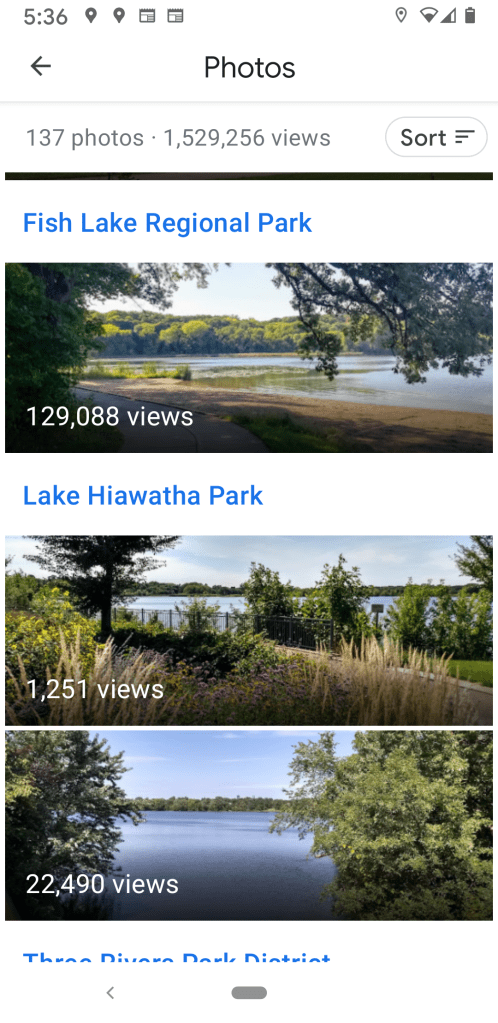
My all time high views is of a beautiful beach at Fish Lake Regional Park in Maple Grove. I do love that park. In addition to the beach, there are walking trails, you can rent a variety of water craft and there is a dog park. We have an extensive regional park system in Hennepin County, and maybe the numbers reflect the number of patrons planning visits.
Still– if AI big sister is listening: Please explain the variance in views!

Remembering my grandmother’s mother who was laid to rest in a grove adjacent to a white clapboard country church.

Was there a pool in your childhood where you whiled away the long hours of summer? There were several in mine– where is this one?
For additional help I pulled up the satellite view from Google Maps as it is still in use.

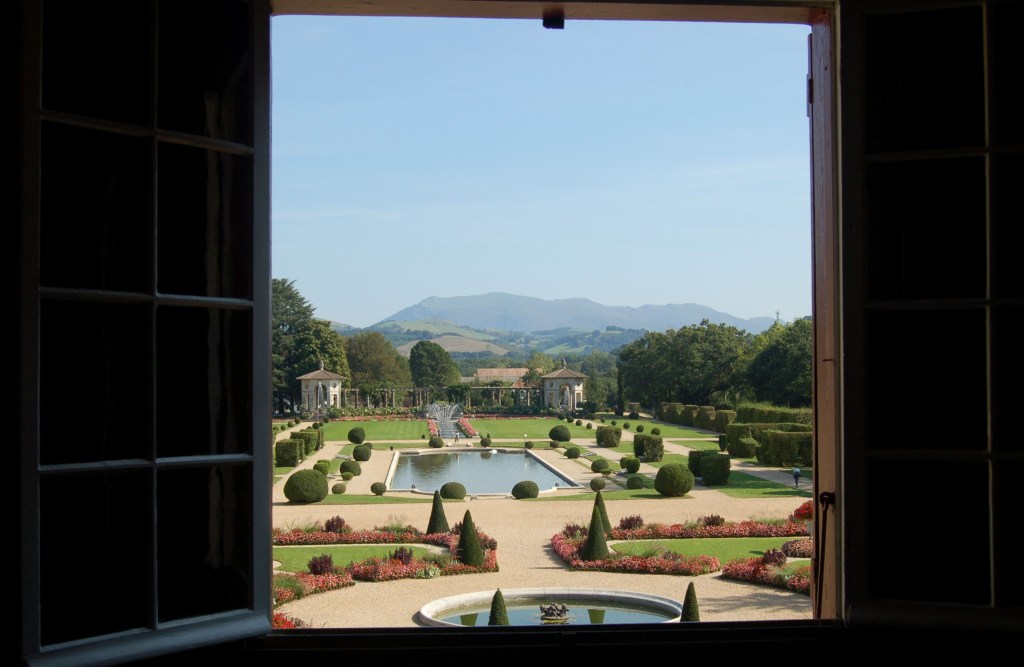
Bonus points for identifying the hotel.



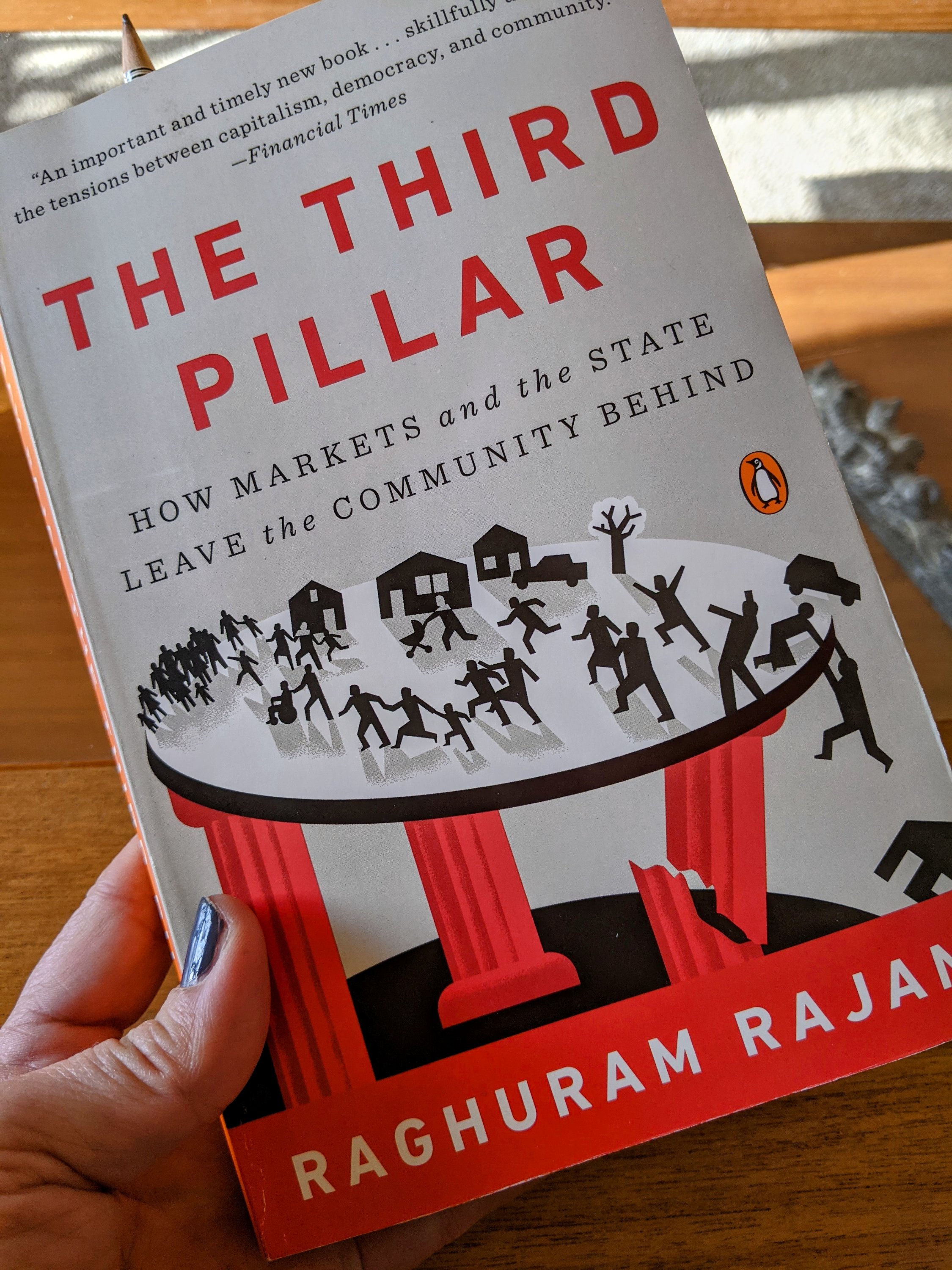
Even back twenty years a go when the death kneel sounded for the end of paper books, I was skeptical. I never tried the Nook or downloaded books from the library. The feel of the printed page in my hands is part of the reading experience.
In those in between years, when national bookstore chains were shutting down, I made a point to visit Birchbark Books which is one of a handful of independent bookstores to weathered the competition from technological alternatives. It’s a sweet brick storefront with a large glass paned window, owned and run by writer Louise Erdrich.
Her shop, which is in an old money neighborhood of Minneapolis, has an eclectic inventory on its shelves with brief commentary on handwritten cards taped up so as to give you a preview of what is to be found between the pages. Quite a few shelves are devoted to her books as well as the work of other Native American writers, as this is a venue for their display.
Last week while out in DC we visited Union Market, an old grocery marketplace now being rehabilitated after a long period of decline. Politics and Prose has a cozy presence in a slim shop settled in a long row of what appears to have been food distributers. The area has that cool vibe of a place artists would like.
The redevelopment, however, is coming fast and furious. The contrast is visible as the four to seven story apartment or building space surround the street level shops.



In honor of the alignment of the rising sun on the spring solstice between the ancient stones of Stonehenge, here is picture from my visit in the mid 1970’s. I do remember the now UNESCO World Heritage site as being well attended. And from the lack of grass around the ancient stones, it seems that everyone was allowed full access to the area.
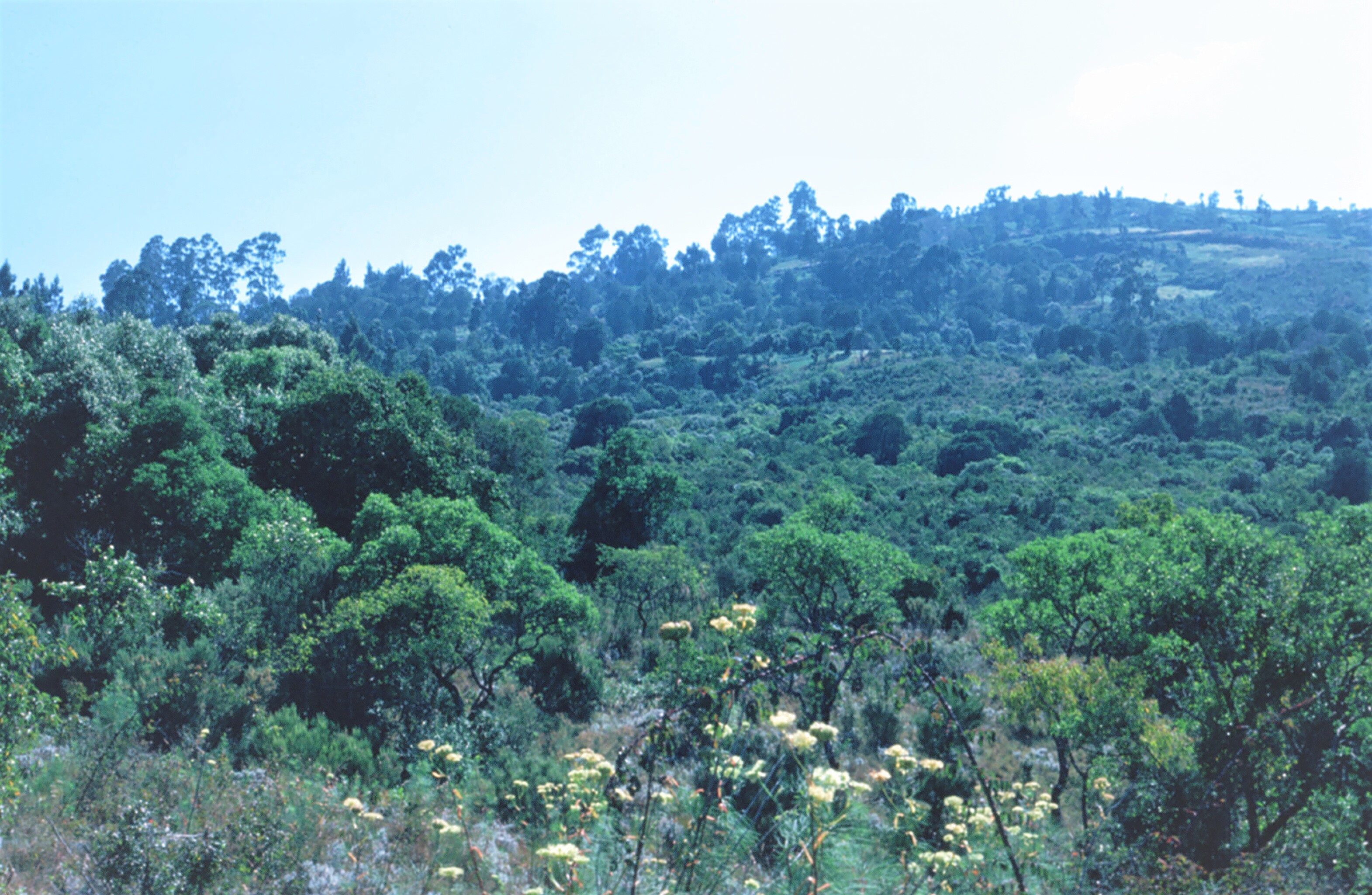
A hike up to the crater lake at Mount Zuqualla is a day trip from Addis Ababa. The drive out of the capital city and off the Ethiopian high plateau, down through the valley to the base of the extinct volcano can be done in less than a couple of hours. It is a bit of a climb up to the lake, and the road is rough. The verdure is thick right after the rainy season, and yellow flowers, similar to our tickseed, bloom throughout the countryside. Silhouetted on the ridge of the hill are oversized eucalyptus trees. They grow everywhere in the highlands and their fragrance is unmistakable.
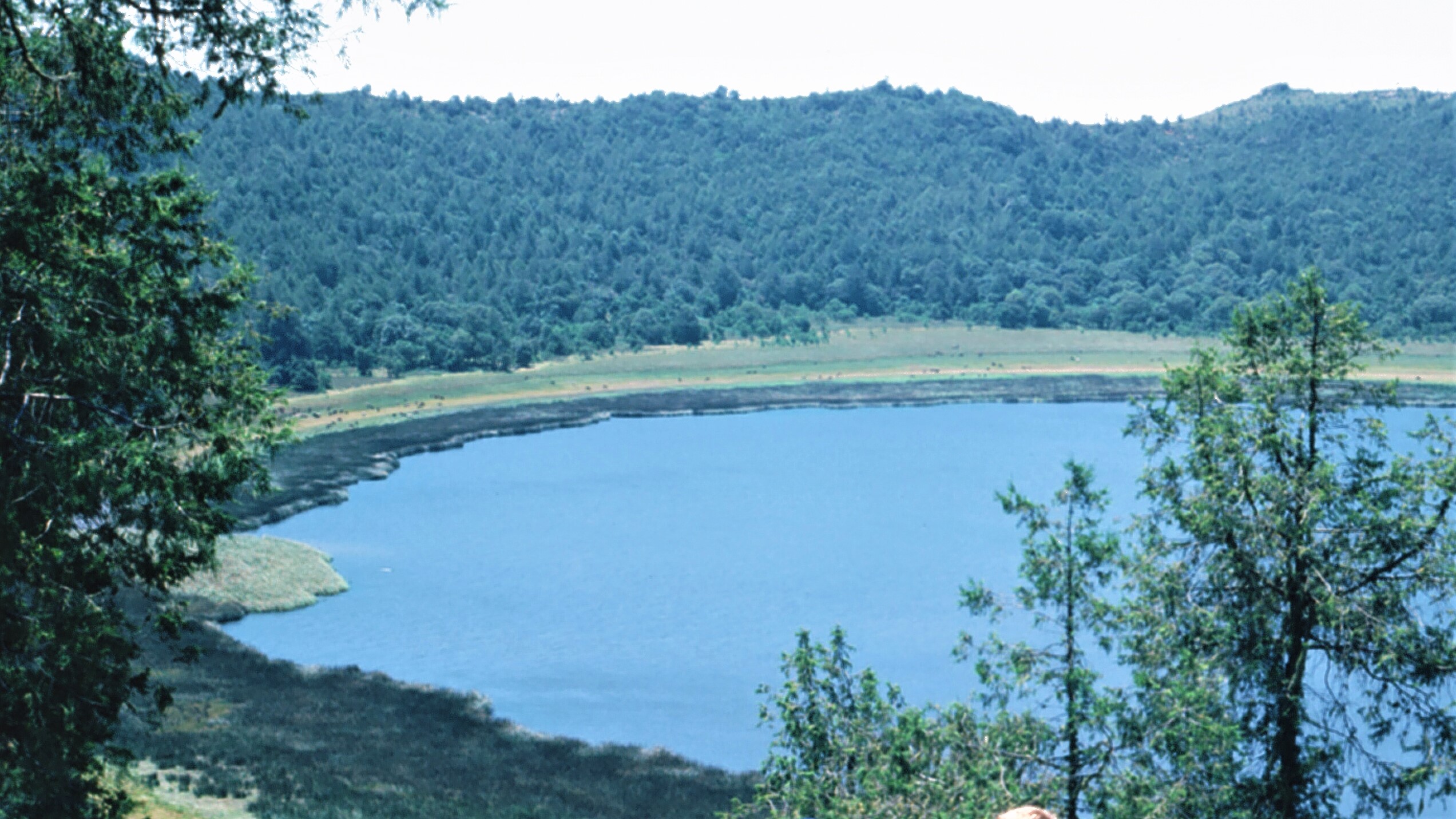

The crater lake is not much to look at but the views back over the valley are spectacular. A 14th century monastery is visible off to the west, but we did not venture in its direction. I came across this post on twitter telling the story about how it was settled.

The British Museum has an extensive collection of Ethiopian manuscripts which are beautifully inscribed and illustrated. If you ever hear people complain that Christian art does not depict the stories of the bible in their image, send them to this resource. Ethiopians trace their Christian heritage back to King Solomon and the Queen of Sheba.

To say I grew up in airports is a bit of an exaggeration, but only slightly. International travel in the 60’s was still rather new and exotic and susceptible to schedule changes. Long layovers to coordinate connections were common, and delays due to weather or mechanical issues were even more common. My parents were adventuresome and thought nothing of towing three young children around with them. In the photo, my brothers and I are cooperating dutifully on the luggage cart at the Colombo airport having arrived from Dhaka for a little R&R.
The vintage “where in the world” posts are from trips we took while stationed overseas with the US Diplomatic Corps. Even by foreign service standards we moved a lot, fulfilling only one DC assignment which lasted less than three years. The school years spent on Chesapeake Street between Reno Road and Connecticut were idyllic, only blocks from Murch Elementary.
On the weekends we would go for hikes off the scenic Skyline Drive or ride our Shetland ponies on an acreage in West Virginia. But this tame American experience couldn’t match hiking the terraced tea gardens of Malaysia or climbing up to the crater lake at Mount Zuqualla or even the rather urban stroll up to Victoria Peak in Hong Kong. The whole family was eager to take back to the skies. I didn’t return to live in the US until college.
With so much time on our hands at Heathrow or Narita or Charles de Gaulle my brothers and I would play games eavesdropping and then betting on the nationalities of our chosen observation subjects. Of course there was language to give us some guidance, but also mannerisms and apparel. If we were lucky they would pull out their passports to allow us to settle our bets.

Fifty years ago, as pre-covid, airports were busy places with passengers rushing anxiously to catch flights. Perhaps forgotten now, is that by 1972 a total of 150 US planes had been hijacked. Commandeering aircraft was in a golden age. Airport security was considerable. I remember the Rome airport in particular crawling with camo clad soldiers, each carrying an assault rifle. The true power, however, was held by the typically slender uniform behind the passport control counter. He (usually, but sometimes she) could question or detain you. Have your luggage searched.
The approach was straightforward. Only answer the questions when asked. Don’t offer additional information. Do nothing that could antagonize the one person who could delay your travel. I still think of these very prompts when I travel abroad.

The overall rating for our Christmas trip to Park City was five out of five stars.
Travel and logistics: There are multiple daily flights from MSP to SLC, accommodating early risers or those who want to tick out the very last minutes of the day. The front desk at the Marriot recommended Four Seasons Concierge Service (approx $75/person round trip including stop time at Wal-Mart) to haul the four of us, and all the equipment, the 40 min drive up to Park City. We no longer have any desire to drive on icy, unfamiliar roads and use whatever bus or car service is available. This one was excellent.
Lodging and Food: Marriott Mountainside offers villas which are two bedroom suites with a kitchen and living area. So we cooked-in most all meals. Our driver pulled into Walmart parking (conveniently right on the way), where an employee loaded a week’s worth of groceries into the back of the suburban. By ordering on-line the day before departure, our groceries were ready to be picked up, all confirmed by text message. Definitely a Covid lesson I will repeat. There was only one additional stop for groceries the whole week.
Marriott Mountainside is right on the hill. You walk past the pool and hot tub with your gear, pop into your skis and slide down into the lift line. This frees up the time normally spent stomping out to an early morning bus ride up to the ski area. Park City Mountain is the largest resort in the US, but more importantly for us were the number and quality of blue runs. Skiing on a 4-out-of-5-day pass ($415/adult) we had plenty of terrain to keep us busy. Lift lines were a little long, but thanks to Covid, a reservation system kept the numbers in check.


Since we had such easy access to the room, we took a break for lunch every day. We did go into town for a nice steak dinner one evening. Prime Steak and Piano Bar lived up to its on-line accolades both for food and ambiance. You wouldn’t be able to get out of there without spending $300 (us more) for four. We felt it was well worth the money. The live vocals and piano music were particularly welcome this year.
The Town: Silver mines brought people and wealth to the area starting as early as 1868. So there are a fair number of preserved historic buildings. Main street is filled with what you would expect in a resort town: restaurants (said to have over 200), galleries, merch shops, snow wear and gear.
Weather: Average temps in December and January are between 13-32 degrees. This year the snow cover was sparse–for guaranteed depth it is best to arrive mid-January. The climate is dry which allows the snow to remain powdery despite the warmer temps. It was sunny four out of the six days.




 Home Economics