
Aspiring Towers
Searching for value
If one had a labor theory, where would one start sketching it out?
The first thing to know is what labor is. The traditional view would be the time and expertise an actor sells to the state, a business, or anyone who will pay. I suppose. Labor is given to fulfill a job, for pay, that is. So anyone who throws a hammer to reroof a house, counts coins at a teller window, or cares for a child in the oncology ward is earning a paycheck for their time.
The thing is, people do these very same actions without pay. A handful of buddies construct a deck as a weekend project in exchange for some beers and a BBQ. A granddaughter shows up at Grandpa’s house to sort through and pay his medical bills. A sister takes in her niece, who has the flu, so the mom can go to work. This is labor, too. Except it’s done in community and not for pay. So,we call it volunteerism.
The first premise is that people spend their time on paid labor and volunteer labor. It is measured is labor hours.

People expect their government, or governing bodies, to protect them. It’s the most basic and oldest public good. Band together in a cave or behind fortifications and put the physically strongest in charge of fending off harm. For better or worse, this placed the physically strong in high-status positions for more than several millennials.
But what does that mean to keep you safe? And here is the sticky part. There is a broad spectrum upon which the answers to that question may fall. In some cultures, women are safe when clothed from head to toe and sequestered out of the public eye. Most people and women find this a violation of individual liberty. It is not up to the group to seek a safety goal so that it impinges excessively on one or a whole section of society’s liberties.
One story in the news yesterday tells of a mom in Georgia arrested for negligence when her ten-year-old was seen walking home on a rural road. The police were notified by a neighbor. They then showed up at the family’s home and cuffed the mom in front of her kids. Last month, there was a story in the news of another ten-year-old in another part of the country who was finally detained when he drove a stolen car through his neighborhood playground. This ten-year-old had been released on numerous occasions for auto-related theft to a mother who was never held responsible in any way.
Of course, there are many more mundane questions about what is safe. How many smoke detectors does a house need? How many inches does a metal vent need from a combustible floorboard? Will that tenth detector be the one that alerts the family of smoke in the house? Can a wood rafter really catch on fire from metal only exposed to air heated to seventy degrees? Someone thought so. How high does a standard need to be to be safe enough? I’m not sure. But I expect that no one wants to be the regulator who, after a death from a fire, is thought to have been too lax.
The thing is that too much regulation can kill, too. At least, that’s the argument for those who feel there are too many restrictions in the drug industry. Failure to approve causes people to die from lack of access to a cure. Lengthy approval processes cause people to die, too. Just like too many building codes add an undue burden to housing expenses. Without housing, some people are severely disadvantaged and may even die on the streets.
So– what to do? What level of protection is requested when the people go to the government and ask? It seems like the answer would be some expected norm of the group.
If you raise the standards above the norm, people are restricted from liberties they would have enjoyed. Plus, more than likely, some people will disregard the regulation as they feel it is not worthwhile. Before you know it, the mayor of some town is caught at a party without a mask when all other good city dwellers have been putting up with the stinky things. A non-conformist attitude can then carry over to different areas, like permits for home repair. And people start getting their brother-in-law, who’s ‘handy’ to connect a gas line. Here the permit and ensuing inspection is beneficial.
Walking the fine line between setting regulations and meeting people’s expectations for safety is a balancing act worth figuring out.


I checked out Francois Furet’s book (yesterday’s post) from our nationally recognized Hennepin County Library. It’s a great service to have unusual, high quality books locally available.
I was startled to find the pages profusely underlined in black ink. Throughout the whole book. And every time Furet explains a downfall of the communist system there is a sidebar note: No!

Does the defacer of a publicly owned book not see the irony in treating the volume as their own? That the blatant disregard for the fine-tuned implications of ownership is where precisely where the communist project gets ripped to shreds?
I met a guy. He’s French and smart. He’s got all these great ideas. Well— I didn’t meet him exactly, but I know what he thinks because I met him through his book, The Passing of an Illusion: The Idea of Communism in the Twentieth Century. His name is Francois Furet. His work on The French Revolution (1965) brought him fame, but in a video interview on YouTube, he says he was just doing his job. He hadn’t yet found his question, the one that would stay with him, the one that demands his concern.
In the early 1970s, Furet was involved in a large-scale, interdisciplinary initiative that combined history with statistical methods to better understand the social and political dynamics of the French Revolution. The project was highly innovative for its time, as it sought to use quantitative analysis to uncover patterns and trends in historical events, particularly in relation to the Revolution.
Cool, hugh? That he wanted to set out a statistical approach to the social sciences.
The project didn’t work out quite the way they anticipated. In the video he is clearly disapointed. He says math is tough. It only considers one variable. Despite all the demographic data, the results posed more questions than answers.
Yet in The Passing of an Illusion (here’s a book review to give you an overview of it), there’s a sense that the author has thought through the historical events in terms of definitions and relationships. His narrative talks of actors and associations instead of the grand sweeps of inevitable movements. He tells of individuals and the choices they make. He groups people by their shared ambitions. There is an agency to the peasants or the bourgeoisie, to the aristocrats and the intellectual class.
There’s a sense of time in his sorting as well. As soldiers took up arms under their national flags in July of 1914, he describes a sense of obligation to the past, to the generations who came before and fought to maintain national borders. The sentiments of statehood weren’t found in the moment but had built up a reserve of obligation over time.
Whereas the passion ignited on behalf of the downtrodden proletariat reached a universal appeal. The shared interest in favor of the worker found at odds with the capitalist would not be contained by political boundaries. Communism, indeed, found its footing across the globe.
Furet, rather shyly, also talks of another facet of social activity: volunteerism. It’s hard to know if he looks down and away in the video because the concept wasn’t well received. But the idea that people devote their volunteer labor to the cause is part of his theory. From Chat:
Summary of Key Ideas in Furet’s Concept of Volunteerism:
- Rejection of Structuralism: Furet rejected deterministic structural explanations (such as class conflict theory) for revolutionary action, arguing instead that individuals and groups made deliberate decisions that led to the Revolution.
- Ideology as Driving Force: He saw ideological commitment as the key motivator behind revolutionary action, with people acting voluntarily to advance certain political ideas and principles.
- Revolutionary Agency: The French Revolution was a voluntary act of will, driven by the agency of individuals and groups who made choices based on their ideological commitments, not merely by economic conditions or social determinism.
- Collective Action from Voluntary Unity: Furet explored how diverse groups, driven by shared ideological commitments, united in collective action to achieve common revolutionary goals.
Here’s how ChatGPT summed up Furet’s focus.
This approach presents the Revolution as a complex interaction of ideology, agency, and action, where individual choices play a central role in determining the outcome of collective struggles.
I couldn’t agree more. But I think we can generalize this structure across all public efforts, including all those which are much more mundane than revolution. Thankfully.

Now it’s time to return to honoring the faithful, like the military personel who serve our country. Let’s hope for a while we can bring back recognition for most, instead of the few, who voluntarily support the many in lieu of the self. Let’s remember, through the year, at each holiday, to praise those tried and true workers who show up for others.
You know how during a basketball game, when the losing team comes back from halftime with new energy. All of a sudden, the three-point shots start to fall. The layups hit the glass right at the sweet spot. Turnovers help to turn the game around. The momentum has shifted, and the losers can do no wrong.
That sort of thing happens in neighborhoods too. It might start off innocent enough. One resident starts to add a few extras to their lawn maintenance routine: edging along the sidewalk and mulching the flower beds with that deep chocolate-colored mulch. Another neighbor takes note of the new look when out walking their dog, thinks to themselves how nice that looks, and evaluates how little extra time it would take; he too brings the soon-to-be new norm back home.
The satisfaction of returning home to a place that looks just a wee bit nicer acts as an accelerant. Pretty soon, a scrutinizing eye picks up on some peeling paint. The next weekend, a paint scraper, primer, paint brush, and matching paint are purchased and put to use. Others might not be able to handle the ladder work and hire it done. That’s when the cargo vans start to show up. Some have rolls of carpet peeking out of the back doors strapped shut with tie-backs. The one with a lightning bolt logo on the side deposits a worker who installs nifty spotlights over the covered porch.
And on it goes. The circulating activity of people in the trades leaves the neighborhood just a bit more polished when they leave. People enjoy the effect and start to walk their dogs more frequently to check out everyone’s progress. There’s a beautification movement underway. Residents are betting on the future.

The embers of the women’s movement championed by Gloria Steinem and Betty Friedan are cooling and turning to ash. During the last election cycle, a successful initiative was still able to galvanize women voters into one voting block through abortion rights. Similar attempts did not succeed in this year’s competition. Falling in status are pink things people wear on their heads, bra burnings, and Murphy Brown reruns.
Where will white wealthy women turn for direction?
Nancy Pelosi is without a doubt the most powerful women in American politics. She took office in the house of representatives in 1987. She was the first women to become speaker of the house in 2007. All this after she raised five children with a man she married in 1963. Despite spending nearly a quarter of a century focused on being a wife and mother, Nancy Pelosi has enjoyed an enormously successful political life.
Perhaps being part of a large, bustling family contributes to her success rather than distracts from it. Perhaps devoting the necessary energy to maintaining a life-partner garners the type of support one needs in political life. Justice Ruth Bader Ginsburg (1933-2020) also chose a very traditional family life. She raised two children with one husband, whom she married in 1954. The same can be said about Secretary of State Madeleine Albright.
As minority groups switch alliances, perhaps it’s time for a new focus for women. Perhaps there will be a rising status of all those activities in neighborhoods full of long-term partners and their kids. It seems that such efforts come back in forms of future career support later in life.

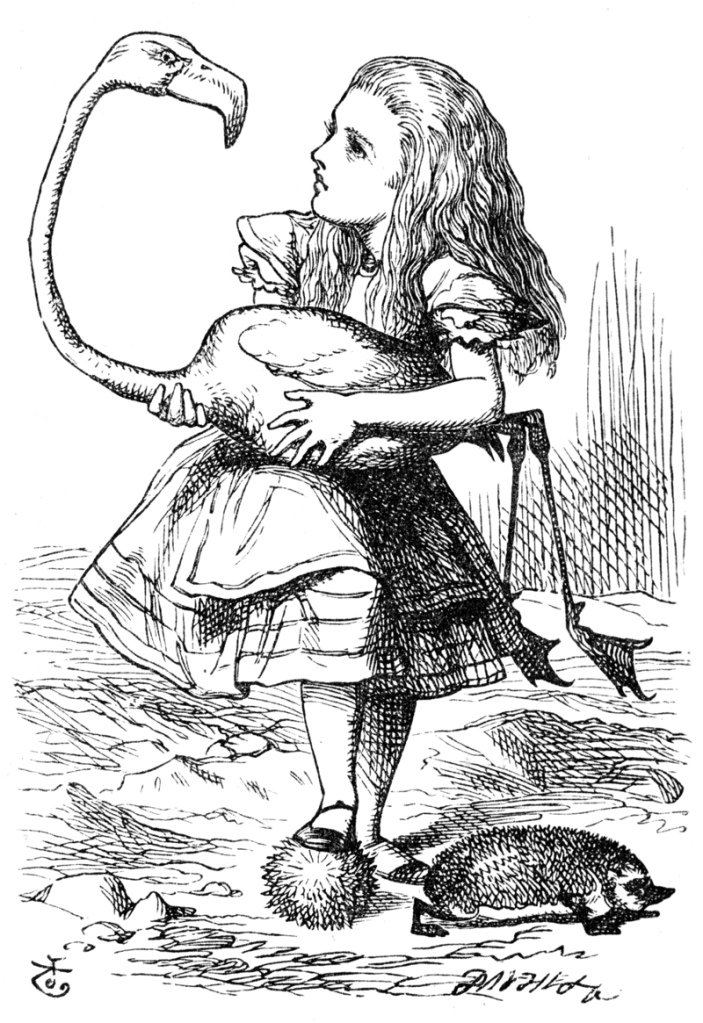
Did you know that Lewis Carroll penned more than a story about a young girl stumbling through a fantastical world of characters? I did not. I had an Alice in Wonderland doll like many of my peers. When I was a teenager, I read somewhere that Carroll was a math teacher and found that interesting. But this source of information provided no additional accolades around his professional achievements.
Perhaps it is because Lewis Carrol is a pen name for Chales Lutwidge Dodgson. Perhaps it is because we now live with never ending access to information, at least to those who wish to jump down the rabbit hole. His Wikipedia page is quite long. Here’s a bit (the youth clearly suffered from distraction).
His early academic career veered between high promise and irresistible distraction. He did not always work hard, but was exceptionally gifted, and achievement came easily to him. In 1852, he obtained first-class honours in Mathematics Moderations and was soon afterwards nominated to a Studentship by his father’s old friend Canon Edward Pusey.[19][20] In 1854, he obtained first-class honours in the Final Honours School of Mathematics, standing first on the list, and thus graduated as Bachelor of Arts.[21][22] He remained at Christ Church studying and teaching, but the next year he failed an important scholarship exam through his self-confessed inability to apply himself to study.[23][24] Even so, his talent as a mathematician won him the Christ Church Mathematical Lectureship in 1855,[25] which he continued to hold for the next 26 years.[26] Despite early unhappiness, Dodgson remained at Christ Church, in various capacities, until his death, including that of Sub-Librarian of the Christ Church library, where his office was close to the Deanery, where Alice Liddell lived.[27
The book that catches my attention is a volume on symbolic logic, Symbolic Logic and the Game of Logic. What else could the mind that offered up so many tremendous visuals in an adventure do with little drawings and abstract concepts? A visual of a fleeting concept can be quite powerful. Apparently the book is full of quirky humor.
Even prior to the election outcome, there was bipartisan interest in reducing regulations which hinder housing. Yet in 2024, efforts around housing ended up being a power struggle between different levels of government and zoning control. Traditionally, land use is determined at the local level. The political efforts were geared at removing local control through state mandates. Come to find out, residents like to control the land in their direct periphery.
With the new administration, one would anticipate this spirit of deregulation to find its way to most industries. Is there a good place start? Where would less government result in a net positive? Where are the low hanging fruit?
The market solves for social concerns. Tesla is a prominent example. If there is a mass of consumers with a shared concern, than they will demand it of the market. Looking for the majorities with shared common interest might be a start. For example a ballot measure passed in Minnesota to divert funds from the lottery to the environmental trust fund. It passed with 77.5% of the vote.
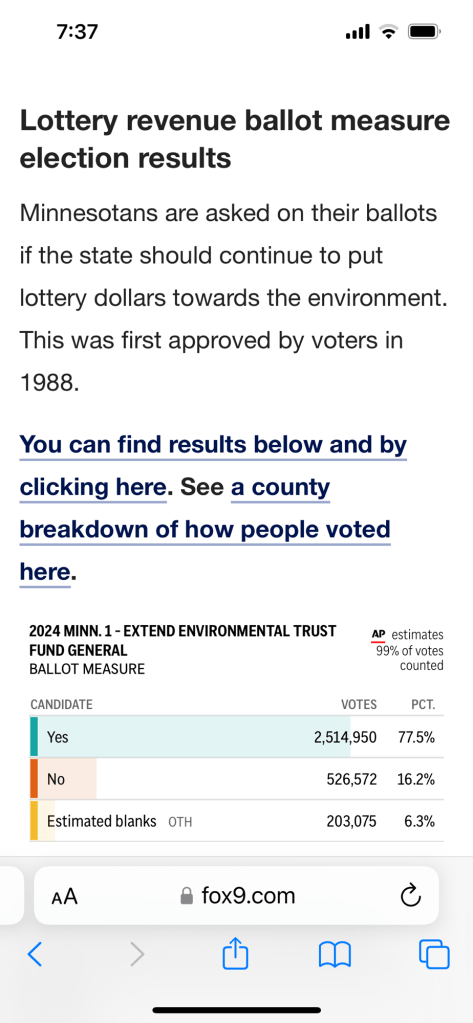
When people voluntarily allocate resources for a casue there is a better chance that mediating their interests through the market will result in a more efficient outcome. Without the surcharge of bureaucracy and the unintended outcomes of intervention, markets often are more fruitful. When it comes to the environment, the majority of Minnesotans indicate that they will spend the money to preserve and protect.

O! say can you see by the dawn’s early light,
What so proudly we hailed at the twilight’s last gleaming,
Whose broad stripes and bright stars through the perilous fight,
O’er the ramparts we watch’d, were so gallantly streaming?
And the rockets’ red glare, the bombs bursting in air,
Gave proof through the night that our flag was still there;
O! say does that star-spangled banner yet wave,
O’er the land of the free, and the home of the brave?

On the shore dimly seen through the mists of the deep,
Where the foe’s haughty host in dread silence reposes,
What is that which the breeze, o’er the towering steep,
As it fitfully blows, half conceals, half discloses?
Now it catches the gleam of the morning’s first beam,
In full glory reflected now shines in the stream,
‘Tis the star-spangled banner, O! long may it wave
O’er the land of the free, and the home of the brave.

And where is that band who so vauntingly swore
That the havoc of war and the battle’s confusion,
A home and a country, shall leave us no more?
Their blood has washed out their foul footsteps’ pollution.
No refuge could save the hireling and slave,
From the terror of flight, or the gloom of the grave,
And the star-spangled banner in triumph doth wave,
O’er the land of the free, and the home of the brave.

O! thus be it ever, when freemen shall stand
Between their lov’d home and the war’s desolation,
Blest with vict’ry and peace, may the Heav’n rescued land
Praise the Power that hath made and preserved us a nation!
Then conquer we must, when our cause it is just,
And this be our motto: “In God is our trust;”
And the star-spangled banner in triumph shall wave
O’er the land of the free, and the home of the brave.
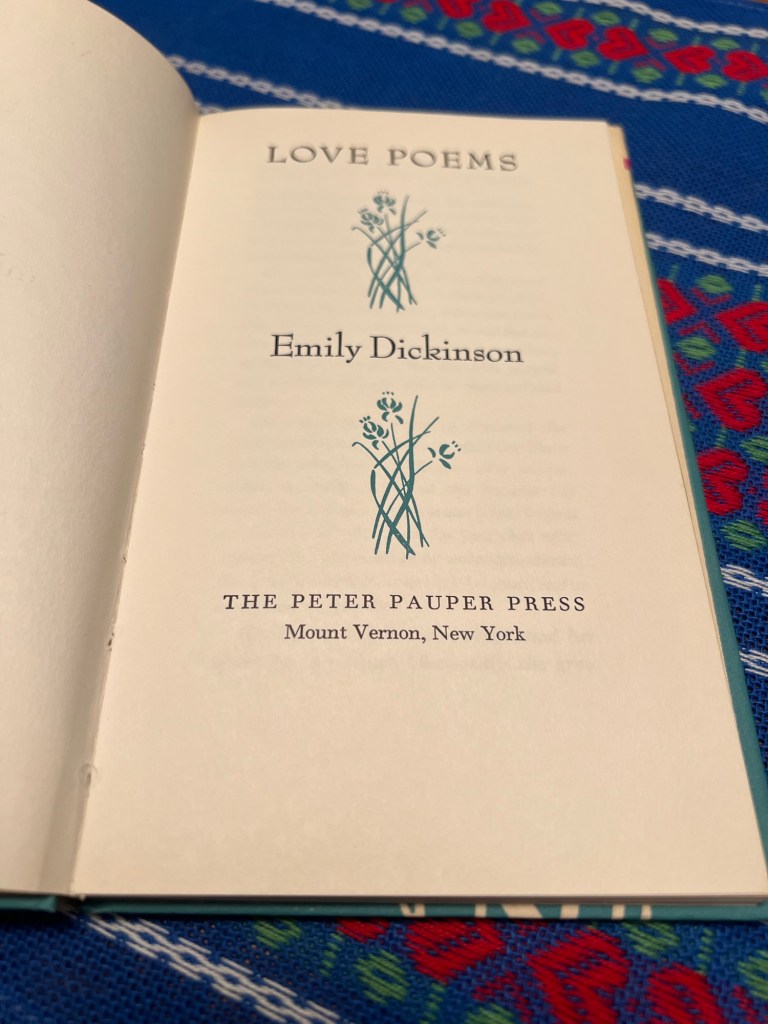
Estates sales are the place to find,
well worn books of all kind.
This precious tomb of poetry
practically jumped out at me.



How many over-educated, under-utilized bitter people does it take to change the role of the homemaker and mother in society? Apparently, less than 4 percent.

Hayek won the intellectual battle. Government of any sort is not be capable of planning their country’s economy. If in doubt, this animated version of Leonard Read’s famous essay, I, Pencil, will surely convince you.
Near the end of his life, Hayel published his last book The Fatal Conceit, The Errors of Socialism (1988). By now the debate had lost its salience. The Berlin Wall would fall just a year later vindicating all who opposed socialism. A reader is left to think of the Fatal Conceit as a remix of a brilliant mind’s famous career.
But I think Hayek was trying to advance his ideas of extended order to a new level. First note, in the clip above, that the creation of the pencil navigates hundreds if not thousands of exchanges between people. It’s a linear activity. The order is rather flat.
Hayek suggests there is more.
Moreover, the structures of the extended order are made up not only of individuals but also of many, often overlapping, sub-orders within which old instinctual responses, such as solidarity and altruism, continue to retain some importance by assisting voluntary collaboration, even though they are incapable, by themselves, of creating a basis for the more extended order. Part of our present difficulty is that we must constantly adjust our lives, our thoughts and our emotions, in order to live simultaneously within different kinds of orders according to different rules. If we were to apply the unmodified, uncurbed, rules of the micro-cosmos i.e., of the small band or troop, or of, say, our families) to the macro-cosmos (our wider civilisation), as our instincts and sentimental yearnings often make us wish to do, we would destroy it.
Yet if we were always to apply the rules of the extended order to our more intimate groupings, we would crush them. So we must learn to live in two sorts of world at once. To apply the name ‘society’ to both, or even to either, is hardly of any use, and can be most misleading (see chapter seven).
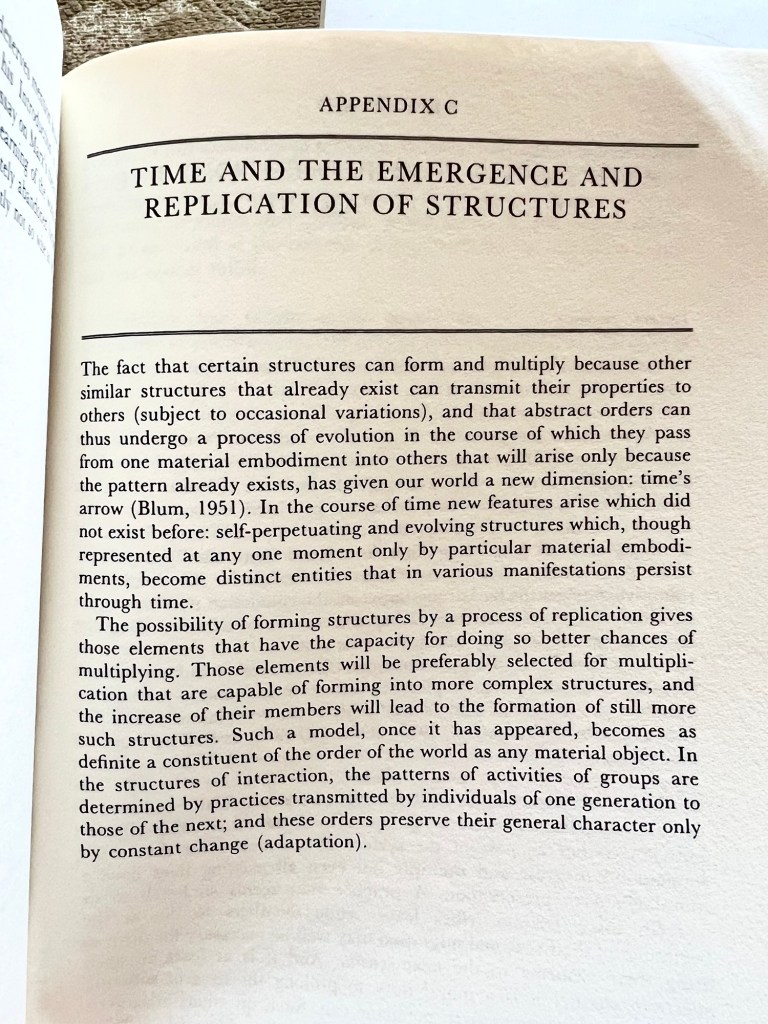
We live in two worlds. The mechanics of one would crush the other—but then again, the passions are known to be deadly as well. In this way, the actions in one must bend to the actions in the other. And in the worlds of dual ambitions, the subgroups explode into a cacophony of midlevel playing fields of interactions. He describes the replication process in Appendix C.
This is turning out to be a really good series. The writing holds. So many times the storylines start to repeat or are drawn out to slow the whole thing down. But the material here tumbles along and plays to the actors’ strengths instead of grating against them.
Mandy Patinkin, Claire Danes, and Damian Lewis are strong leads, with the supporting cast also interesting and credible in their roles. I love the way they play the idea that everyone is holding back something in their lives; everyone has a double life in a way. Claire Danes has the most opportunity with this material, and she guns it. As long as you can handle all the self-questioning, her performance has more depth than most things you see on the small screen.
Other plusses are the international themes and the DC lifestyle takes. Also, the dwellings of each of the characters are credible. The furnishings, the level of mess or trendiness, ring true in each house. Kudos to the prop people. They take their job seriously.
It was a privilege to meet sociologist Viviana Zelizer yesterday. Our No Due Date book club read her 1994 book The Social Meaning of Money and we are fortunate to have an hour live with authors to discuss their work.

I think ChatGPT provides some interesting insights into her work:
Viviana Zelizer’s work suggests that the value of social relations is not simply an external force acting on price, nor is it strictly endogenous in the sense of being fully determined within the price mechanism itself. Instead, she argues that social relations and economic transactions are deeply interwoven in a way that both shapes and is shaped by the cultural and moral contexts surrounding them.
In her framework, Zelizer contends that social values and economic exchanges co-constitute one another. That is, social relations influence economic value and practices, but these exchanges also affect the nature of social relationships. For example, in “The Social Meaning of Money,” she demonstrates that people assign specific social meanings to money and earmark it for different purposes (like gifts or household expenses), which reinforces particular social relationships. The relational context affects how money is perceived and used, indicating that social and moral values are not external to money and price but integral to how people understand and navigate economic transactions.
Zelizer’s approach thus goes beyond a simple model of “external influence” or “endogenous value,” advocating instead for a relational view. She calls this the “relational work” perspective, emphasizing that people continuously create and manage the boundaries between social and economic life. Through this process, social norms and values both influence and are influenced by economic behavior, making them mutually constitutive rather than separable or one-directional forces.
One- that this is news. Two- that actions speak far louder than words. Three- that this is considered a solution.
A Minneapolis City Council committee has approved a proposal to add two people who are currently or were previously unhoused to join its housing advisory board. (Bring Me the News)
Buyers and sellers are always feeling their way through the market process whether they are trading homes, water softeners, or landscaping services. Sellers make their products or services known, and buyers respond by coming to tour a home, requesting a bid on a water softener, or having the landscaper over to explain what could be accomplished at a certain budget.
The more complicated the product, the greater the need to investigate all the options. A home search may take six months as the homeowners-to-be seek out different areas, consider different floor plans, and evaluate the level of condition they need to fit their lifestyle. It’s a hard-earned process as it requires a fair amount of time and attention.
Appliances and smaller mechanicals are a bit less involved. There are often a couple of models the installers offer, some based on efficiency, some based on the manufacturer’s reputation. But there is more than the component to consider. There are differences amongst the installers as well. Some will ‘forget’ to pull a permit. Some will encourage the homeowners to consider a list of additional adjustments (shut-off valves, new venting, replace an access panel, and so on). Some will do the bare minimum and think that anything more is a waste. Some will go above and beyond code on the install and anything else in the area. For some picky folks this is the way to go.
The point is that there isn’t one way to buy a house or get a job done. The landscaper can pull out all the existing shrubs and rock border around a house and start over from the dirt. Or the landscaper can bring in a new stone edging, fertilize the existing plants, top it all off with some new mulch, and have it looking trim. One might hire a crew from the neighborhood to support a local business, or one might prefer the design plans, plants, and shiny equipment from the large nursery in town.
Shopping is part of the discovery process. It reveals a lot about what goes into price.

Homelessness in Minnesota is tracked once a year by the Wilder Foundation.
Homelessness is a difficult issue to quantify, but for more than three decades the Wilder Foundation has been trying to do just that through the Minnesota Homeless Study.
It’s a statewide count taken on the last Thursday in October every three years.
“We know there are more folks on any given night that are homeless and we can’t find, but it is a really comprehensive effort. We have a lot of people working to find as many people as we can on that particular night,” Michelle Decker Gerrard, Senior Research Manager/Co-Director of the Minnesota Homeless Study, said.
The latest study completed in 2023 found 10,522 Minnesotans were experiencing homelessness — down 7% from a record high in 2018 — but still, the second highest since the study started in 1991.
In an ideal world, everyone would find themselves under a roof and between four walls after dark, so they could lay down for a rest as darkness closes in. What proportion of Minnesotans are lacking this amenity? With a state population of 5.7 million, the homeless comprise less than a fifth of one percent. And shouldn’t we expect some homelessness for those who have just fled an abusive situation, for those traveling through, or for those who simply choose to remain in the open air?
One source puts the number of religious organizations in Minnesota at just under six thousand. Matching this to the homeless population, each faith group would just need to care for about one or two individuals who find themselves without shelter. Lining up the numbers in this way is insightful. It seems that the homeless people who are in need of a service, and those who are mandated to provide it, are fairly well aligned.
Yet policy types want to point ot affordable housing as the issue here, as seen in the comment in the article. “”It points to a lack of affordable housing for those communities and barriers for getting into housing,” Decker Gerrard said.”
But I don’t think the data supports this conclusion. The data suggests that these are folks in need of services and support. The catch-all ‘affordable housing’ rant is a talking point. Meanwhile the cause for people on the run goes unchecked.

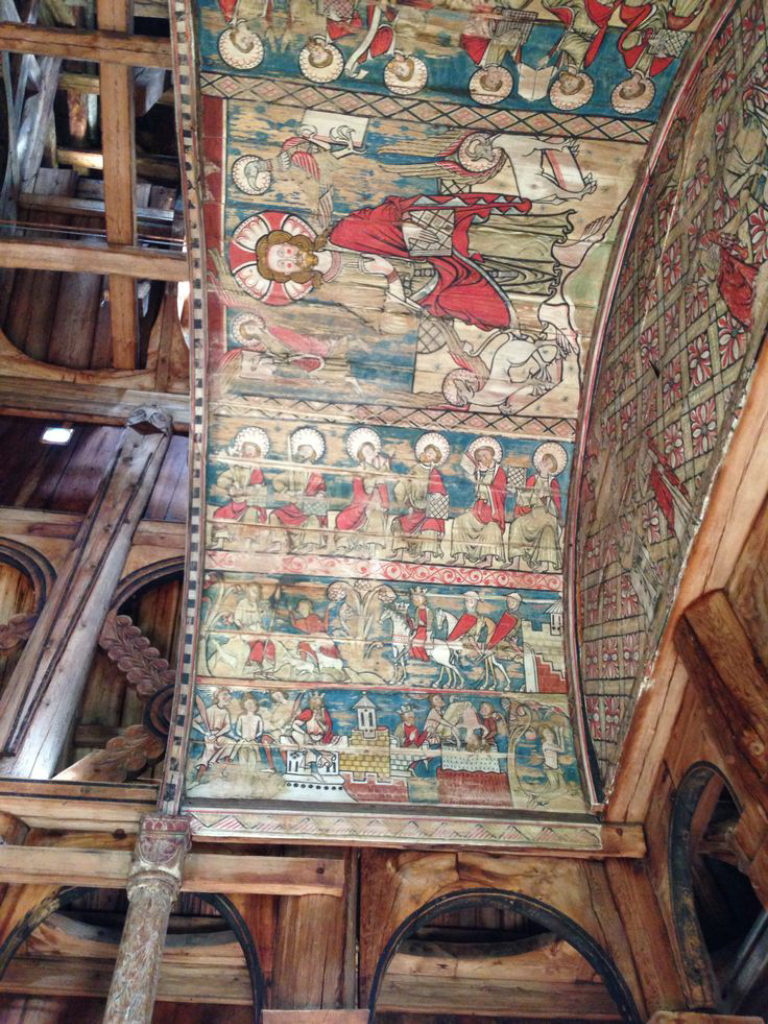
Built in 1192, the Torpo Stave Church is the oldest building within the valley and traditional district of Hallingdal (Norway). The church was dedicated to Saint Margareta.

The Torpo Stave Church is one of two stave churches that are signed by their craftsmen, the other being the church at Ål. In both churches a runic inscription reads: Thorolf built this church.[4] The full runic inscription in the Torpo Stave Church, which is listed as N 110 in the Rundata catalog, reads:§A þorolfr : gærþi : kirku þesa ÷: askrimr ÷ hakon ÷ ælikr ÷ pal ¶ æinriþi ÷ siønti ÷ þorolfr§B þorer ÷ ræist§C olafr[5]
This translates as “Þórolfr made this church. Ásgrímr, Hákon, Erlingr, Páll, Eindriði, Sjaundi, Þórulfr. Þórir carved. Ólafr.”[5] WIKI
Notes from the Underground by Fyodor Dostoevsky.
What are your values? They are peace, freedom, prosperity, wealth, and so on and so forth. So that any man who should, for instance, openly and knowingly act contrary to the whole of that list would, in your opinion, and in mine, too, for that matter, be an obscurantist or a plain madman, wouldn’t he? But the remarkable thing surely is this: why does it always happen that when all these statisticians, sages, and lovers of the human race reckon up human values they always overlook one value? They don’t even take it into account in the form in which it should be taken into account, and the whole calculation depends on that. What harm would there be if they did take it, that value, I mean, and add it to their list? But the trouble, you see, is that this peculiar good does not fall under any classification and cannot be included in any list. Now, I have a friend, for instance why, good gracious, gentlemen, he is also a friend of yours, and indeed whose friend is he not? In undertaking any business, this gentleman at once explains to you in high-sounding and clear language how he intends to act in accordance with the laws of truth and reason. And not only that. He will talk to you, passionately and vehemently, all about real and normal human interests; he will scornfully reproach the shortsighted fools for not understanding their own advantages, nor the real meaning of virtue, and exactly a quarter of an hour later, without any sudden or external cause but just because of some inner impulse which is stronger than any of his interests, he will do something quite different, that is to say, he will do something that is exactly contrary to what he has been saying himself: against the laws of reason and against his own interests, in short, against everything. . . . I’d better warn you, though, that my friend is a collective entity and that for that reason it is a little difficult to blame him alone. That’s the trouble, gentlemen, that there exists something which is dearer to almost every man than his greatest good, or (not to upset the logic of my argument) that there exists one most valuable good (and one, too, that is being constantly overlooked, namely, the one we are talking about) which is greater and more desirable than all other goods, and for the sake of which a man, if need be, is ready to challenge all laws, that is to say, reason, honour, peace, prosperity-in short, all those excellent and useful things, provided he can obtain that primary and most desirable good which is dearer to him than anything in the world.
Only at the end of the chapter are we informed of this desirable good- freedom.
One’s own free and unfettered choice, one’s own whims, however wild, one’s own fancy, overwrought though it sometimes may be to the point of madness-that is that same most desirable good which we overlooked and which does not fit into any classification, and against which all theories and systems are continually wrecked. And why on earth do all those sages assume that man must needs strive after some normal, after some rationally desirable good? All man wants is an absolutely free choice, however dear that freedom may cost him and wherever it may lead him to. Well, of course, if it is a matter of choice, then the devil only knows . . .

Two nationally recognized papers refuse to endorse. Claim the need not to interfere with the elctoral process,
From the VP’s homestate of California, the LA Times is also refusing to endorse.

If there were a measure of the widest breath of participants in a conversation topic, the largest span measure would have to go to national sport(s) coverage. No?

In an unusual move, the mayor of the state’s capital city is publically denouncing a ballot initiave. Voters from St. Paul be able to check yea or nay to dedicated funding of daycare through property taxes. The mayor says he will not follow with the program despite the outcome of the vote.
The funding would support a “last dollar” early childhood learning program that would plug the gap left after accounting for any state or federal child care aid, but would only support roughly 150 families in the first year, according to a projection put together by a consultant on the program. By its last year, more than 4,000 kids would benefit from the program annually.
The program will require a new department with city staffin one number I heard was seven new full-time positions. Perhaps it’s the surcharge which accompanies any program run by a bureaucracy that the mayor finds objectional.
The new special tax levy would bring in $2 million in the first year and scale up to $20 million by the tenth year of implementation for a total investment of $110 million over a decade.
Perhaps the fear is that once in place, it will grow into an insatiable objective. Or perhaps it’s about asking voters to signal their preference in the distribution of one very specific piece of a system instead of the actors in play in the objective. Perhaps its about fairness when only 150 families benefit when there are perhaps 20,000 in a position to receive aid.

A French conversation group started at our library earlier this year. It met twice a month and then went to every week as the turnout was strong.
Practice truly is the path to perfecting a skill. For one hour you demand your brain to look a little deeper amongst the crevices for those vocabulary words which have not been dragged out and dusted off in a while.
The words start to glow and you surprise yourself when two consecutive sentences flow out dressed in a fairly tuned accent. It’s fun to improve and watch the improvements by other participants.

In this recent episode of Econ Talk with Russ Roberts, Bryan Caplan discusses his publication about housing. One topic that is often discussed when tackling the issue of increased housing expenses is the community’s reaction to the relationship between building more inventory and prices.
Bryan Caplan: So, I am a public choice economist. I’m right here in the building–Center for the Study of Public Choice. There’s a very common view in public choice that it’s actually interest groups and not public opinion that really drives policy. One of the main things that I’ve been saying in my career is actually democracies pay a lot of attention to public opinion. It’s just that public opinion is so different from what economists assume it would be that they just have to start looking around for other possibilities. It can’t really be that normal people want to strangle the housing industry. Why would they? Can’t really be, for example, the tenants think that it’s bad to build stuff.
Yet, a lot of what I say in this book is, I go over actual empirical public opinion. And what economists assume people would have to think, is this wrong. People do believe just the craziest things. It really is true that it’s normal for tenants in the United States to oppose new construction. And, if you’re wondering, like: Why would tenants oppose new construction? Obviously they are the beneficiaries of new construction. They are the ones that are going to enjoy the lower prices. And the answer is: most people, first of all–most people deny that allowing more construction will just cause housing prices to go down.
So, first thing is: Basically if you just survey the U.S. public on what would happen if you allow a lot more construction, you roughly have one third saying prices will go down, one third saying no effect, one third saying prices will go up. So, if that’s what people think, then it’s no wonder that they don’t favor more construction because it actually might even make the problem of high housing prices worse.
How could that be? More inventory should lead to lower prices. Why don’t they see it?
A while ago, I was part of a group designated to come up with some answers to housing costs, and I was surprised to hear a real estate peer deny the tie-in with more buildings and lower costs. Those of us who work in the market daily are sensitive to the weight shift between the buy and sell sides and how that influences pricing. More houses means better prices for buyers. And if all the numbers are aggregated, that is what they would show.
However, this individual was voicing what she saw in her corner of the city. New construction is expensive, and thus, the rental projects are often centered in the hottest parts of town. Those areas are the ones with shops, restaurants, and fun entertainment. Single-family housing occurs in the fringes, where large swaths of land are easily converted into single-family plots. When there is a steady increase in the number of new people going to the metro, they will gravitate toward these projects. They are safe choices.
If all the lovely new stuff is gobbled up by more affluent newcomers, the low-to-mid-range properties simply remain in the same market stratosphere. There is no price break in this layer of the market. As a result, these city residents witnessed a lot of public effort to enhance and renew infrastructure for these new projects while still not being able to afford the move-up nor receive a price break from the increased inventory.
If one could say that every real estate market segment in a metro experienced new construction, then it would follow that all residents would experience downward pressure in real estate prices. But if you build up a whole bunch of luxury downtown condos, don’t be surprised if large groups of consumers do not tie a building boom to lower housing costs.

A guide; a reference; a suggested path without final judgement.

Am I sentimental or are maps from 1911 far more beautiful than those generated today?
In a swift and unusual action, a worker was fired. Perhaps people are finally fed up.
Here’s the photo of the offense.

Nobody knows this little Rose
Nobody knows this little Rose —
It might a pilgrim be
Did I not take it from the ways
And lift it up to thee.
Only a Bee will miss it —
Only a Butterfly,
Hastening from far journey —
On its breast to lie —
Only a Bird will wonder —
Only a Breeze will sigh —
Ah Little Rose — how easy
For such as thee to die!
by Emily Dickinson
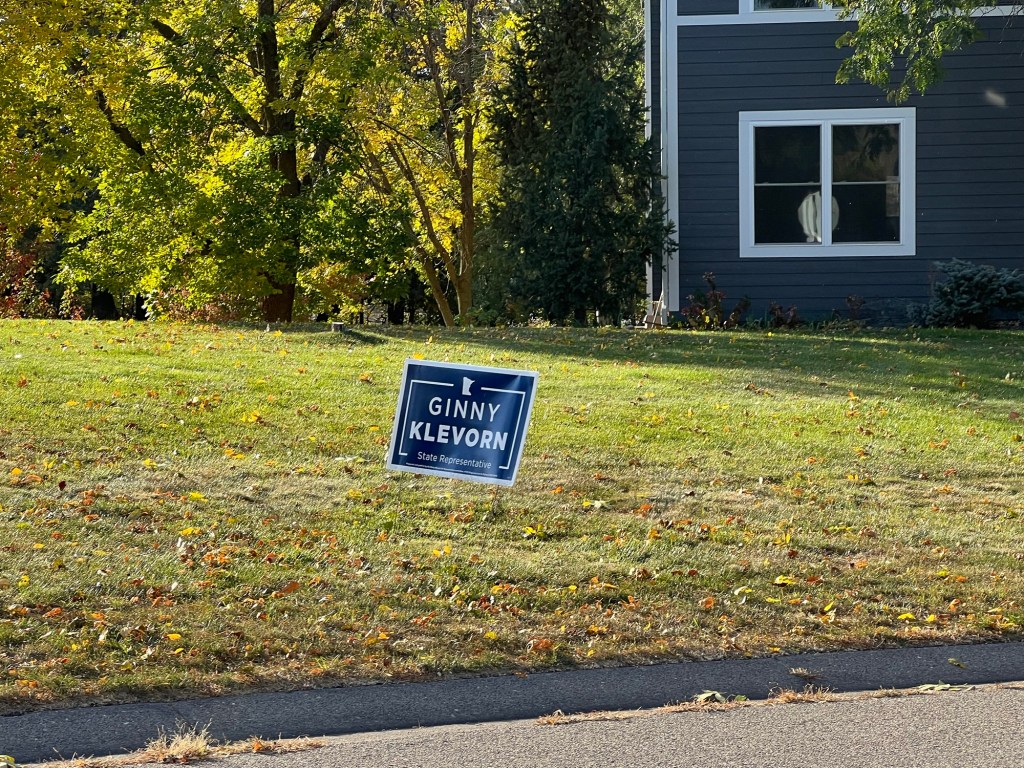
There are a pitiful number of yard signs out in the neighborhood, considering it’s a presidential election year. Fifteen to one of the signs are for local councils, mayors, and state offices. Ginny is a popular state representative. Her signs are ones that people have out and about.
Moliere (Jean-Baptiste Poquelin 1622-1673) has always been a favorite of mine, even as a young student. Look at how I marked-up this copy of Les Precieuses Ridicules with a green fountain pen, the ones with ink cartridges.
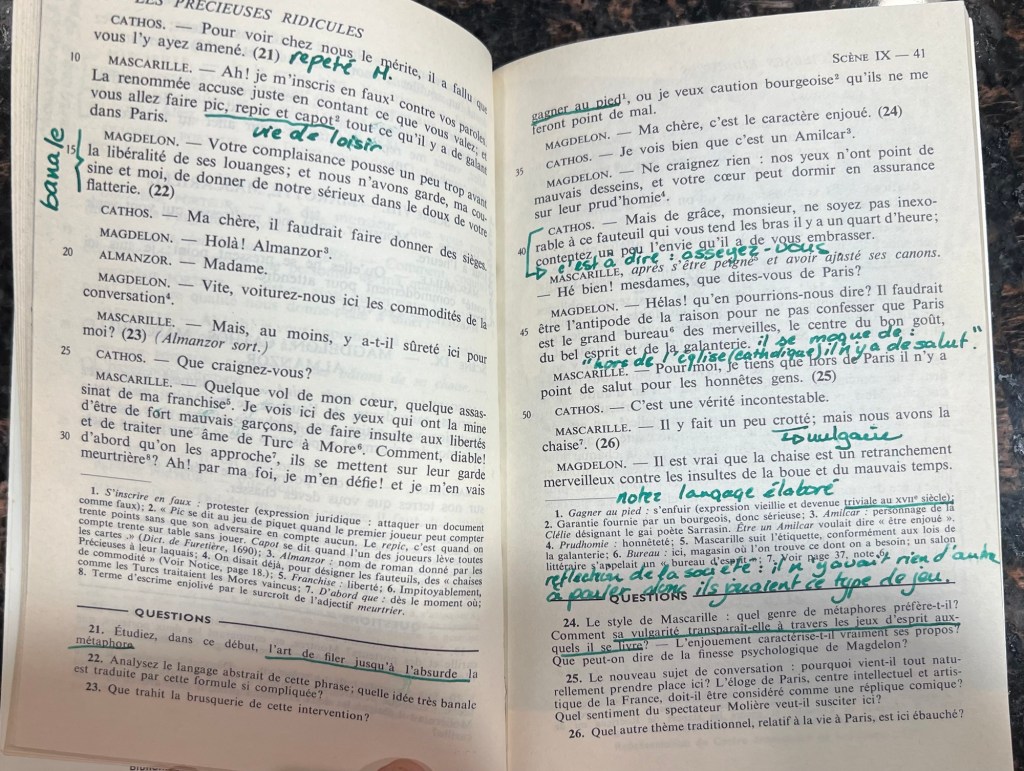
I know now what it was about his writing. He used satire and the stage to suggest unattractive social norms. It’s the best way to get around everyone’s press secretary. Entertain people while messaging their unlovely excesses. He tackled all the big institutions. Here are some of his major works:

The vivid image of a press secretary managing one’s self-image from the real world is the best part of Robin Hanson’s (and Kevin Simler’s) book The Elephant in the Brain. The theory goes that humans trick themselves into altering the world around them by obfuscating their true intentions as they go about their daily lives. Whether it is to avoid unpleasant traits like jealousy or greed or to feel better about oneself through public displays of charity, the authors give many examples to convince us that we write our own story and stick to the script.
A little man in a suit with a press secretary badge stands at a podium, dolling out PR for all your actions. It is a great visual. It reminds me of the Devil and the Angels on shoulders graphics whispering advice to an undecided listener. But now it is a Rolex watch has been purchased, and instead of taking Veblen’s view that it is conspicuous consumption, the new owner’s press secretary justifies the expense in light of the machine’s mechanical prowess.
The power to deny the nature of one’s impulses exists also among groups. It can be set up as self-defense rather than rejecting an unattractive impulse. When hard decisions are at hand, it is helpful, even comforting, to have the support of a social norm to fall back upon. For example, whether to offer aid to those nearby or those in more desperate need further away is a moral question. Guidance of what is acceptable is often shaped by family and friends, neighbors, and parishioners. The guidance gives people a means of acting decisively while allowing the press secretary to vouch for your level of response.
Here’s more from Robin Hanson. A most interesting polymath.
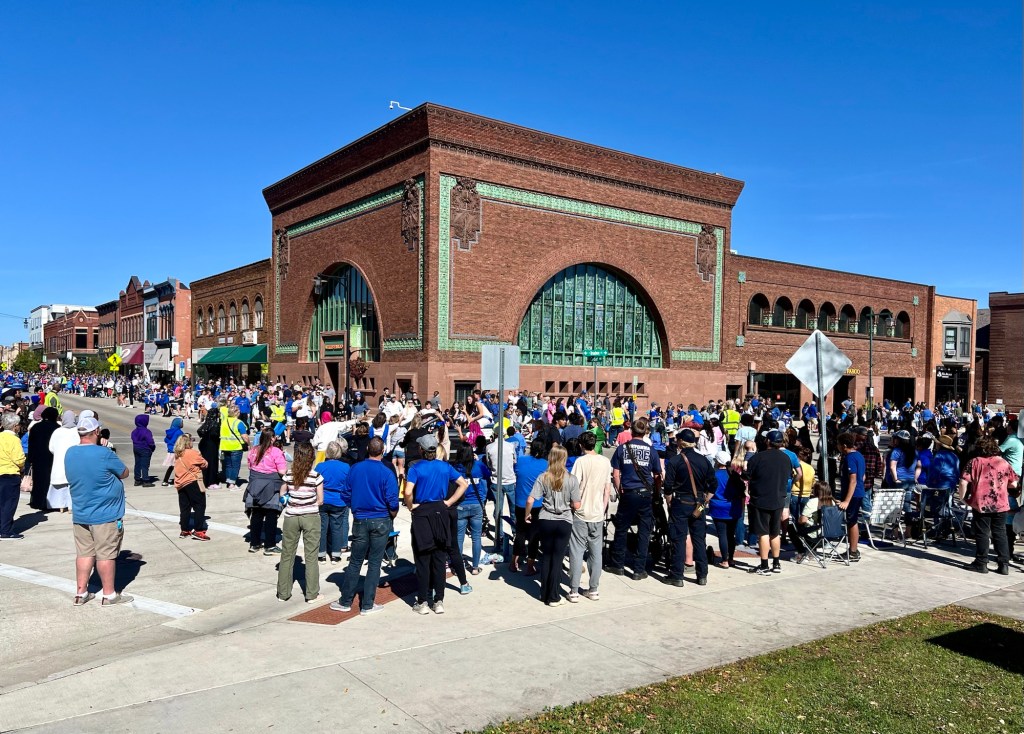
Last week hundreds of supporters lined the downtown streets of Owatonna to cheer on the high school football team. The in-group here is far more significant than at most schools. The accumulated population of grades 9-12 comes to 1475, a small size compared to the ones in the metro.
The parade watchers include a broad spectrum of folks in various shapes and sizes. People turn out. People in smaller towns are connected in many different ways and thus show support to those related to those they know. Then, the whole thing turns into the best social event, which is located an hour and a half from the heartbeat of the major metropolis.
A high school rivalry is the main event. It brings a town together, where people feel part of a team jousting against others. In this community, many other common goals, complaints, and successes are shared and passed along. The activity transpires on an invisible platform, providing sure footing to the townsfolks while leaving outsiders at bay.
The On-Line Sociologist newsletter has been popping up in my mailbox recently, and today’s installment included in-group and out-group under key concepts.
In-Group: A social group an individual identifies with and sees as essential to their identity, creating feelings of loyalty and solidarity.
- Example: A person who strongly identifies with their nationality may feel pride and connection with others from the same country.
Out-Group: A group that an individual does not identify with and may view as fundamentally different or opposed to their in-group.
- Example: Someone with a strong religious affiliation may see members of other faiths as part of an out-group, which can lead to feelings of rivalry.
There are some great examples of in-groups and out-groups in the neighborhood setting, which also exemplify this sense that action for people within the group is altruistic, whereas action outside the group is competitive. Take school districts for instance. For activities within the district, volunteers come forward with their time and resources. The same educational supporters are more than willing to badmouth the adjacent district for being too lax, too uptight, not creative enough, and so on.
When I was young the ‘wrong side of the tracks’ was a popular framing of the other side of town that isn’t quite good enough. If you live over here, we will rideshare with you, we will look out for each other, but if you’re from the other side of the tracks, it’s not up to us. You are in the out-group.
Of course, the divide may require a nose stuck even higher in the air when discussing refined neighborhoods with famous people or the seriously affluent. And those folks want to be rated against the other ultra-rich, maybe even in another state. The competition here has reached a plateau that requires proper comparisons to reach across state lines, across to greater metropolis.
What in-group and out-group formations do you see near you? Cyclists versus auto drivers? Shift workers versus day workers?

I’m late getting to know Olivia Coleman’s (Sarah Caroline Sinclair) work. I saw her first in The Lost Daughter and was taken by her brilliance. A week ago, when browsing for something new to watch, the search by performer suggested Broadchurch. This series was released in 2013 but feels as fresh as more recent productions. The episodes are an hour long, my TV time allowance.
ChatGPT offers a nice summary.
Broadchurch is a masterclass in British crime drama, blending gripping mystery with deep emotional exploration. Set in a small coastal town, the series kicks off with the tragic death of an 11-year-old boy, Danny Latimer. As the investigation unfolds, we watch the town’s secrets unravel, exposing its residents’ hidden complexities and tensions.
What makes Broadchurch stand out is its commitment to character-driven storytelling. DI Alec Hardy (David Tennant) and DS Ellie Miller (Olivia Colman) are the heart of the show, both giving nuanced performances that elevate the series beyond a typical whodunit. Hardy, a tortured detective with a complicated past, contrasts beautifully with Miller, who is deeply embedded in the local community. Their evolving relationship—marked by tension, mutual respect, and occasional moments of humor—adds layers of emotional depth.
The series also shines in its portrayal of grief and the ripple effects of tragedy in a close-knit community. Beth and Mark Latimer (Jodie Whittaker and Andrew Buchan), as Danny’s parents, give heartbreaking performances that feel raw and real. Their struggle to cope, while facing suspicions cast upon their friends and neighbors, creates a strong emotional core that anchors the show.
Visually, Broadchurch captures the mood of the story brilliantly. The coastal landscapes, often shrouded in mist or bathed in dim, cold light, create an atmosphere that is both haunting and beautiful, mirroring the internal struggles of the characters. The pacing of the series is deliberate, building tension gradually as secrets are teased out in every episode.
If you’ve been following this site, you know the thesis in play here is that at the time of transaction, there is a settling of accounts. Both private and social ambitions are considered before cash is exchanged for a good or service. Price is a numerical representation of both selfish and communitarian aspirations and obligations.
But that’s not what you hear when externalizing costs and internalizing benefits are explained. A familiar story of social costs is a story of industrial pollution. The product is being sold at a sub-optimal level as it does not reflect the nearby communities’ detriment of absorbing manufacturing waste. Marginal Revolution University (the best place for economic education) offers this graph in their section What Are Negative Externalities.
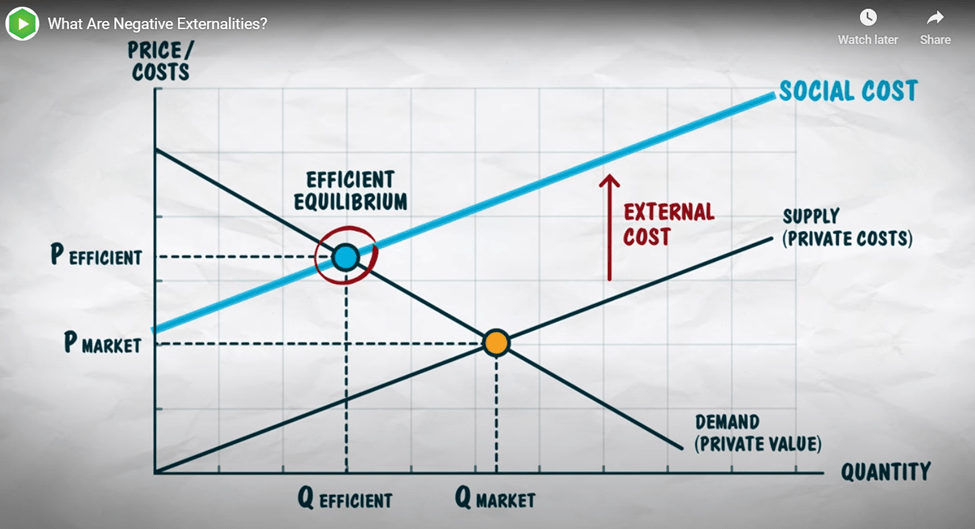
The lines on the chart tell the story. If the cost of the good included the social cost of pollution, the price would be higher, and the company would have to survive on fewer sales. Note the efficient quantity on the horizontal axis is to the left of the market quantity.
Fortunately, the market can also be responsible for positive externalities. This occurs when a transaction leads to extra benefits for those nearby who did not contribute financially to the transaction. If a few businesses at a corner invest in surveillance equipment, the neighborhood could benefit from a drop in crime. If a wealthy family invests in a school music program so their young protege can have a venue for their talents, the whole student body benefits from access to a higher level of music education.
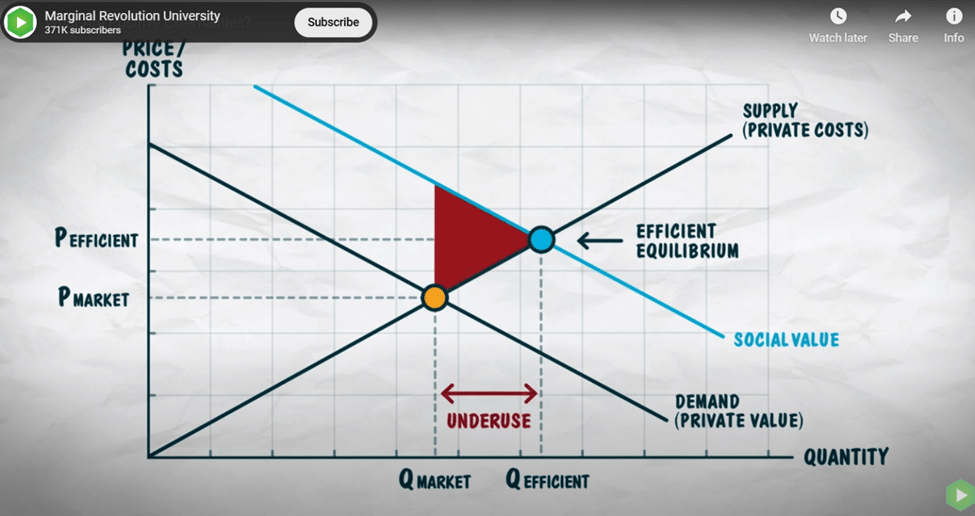
In this case, more of these transactions would be beneficial to groups nearby, so they are underproduced, as the graph shows. Here, you will note that the quantity most efficient is located on the right-hand side of the market quantity on the horizontal axis.
Thus, the efficient quantity, which we want for the best private/social optimization, lies along the horizontal axis from left to right. At some point, Q efficient must share a spot with Q market. That’s the price we are interested in here- the price at which the optimal level for both private and social needs and ambitions is met. Price falls on this point more often than not.
The system is fluid.
My brother told me today that Minnesota was one of the first in the game of GIS mapping. Hence, the state offers a wealth of geospatial data at Minnesota GIS and Maps.
Here’s a sample of their data on daycare providers.
This dataset is a collection of records that communicate the locations of child care, family child care and certified child care centers in Minnesota. It was created by downloading licensing information from the Minnesota Department of Human Services (DHS), geocoding the spreadsheet records and converting them to a spatial format. The approximately 10,000 records are combined into one layer, which can be queried to separate by license type. This version focuses on a smaller set of core attributes than can be found on DHS’s Licensing Information Lookup Page; see that page for all the attributes: https://licensinglookup.dhs.state.mn.us/
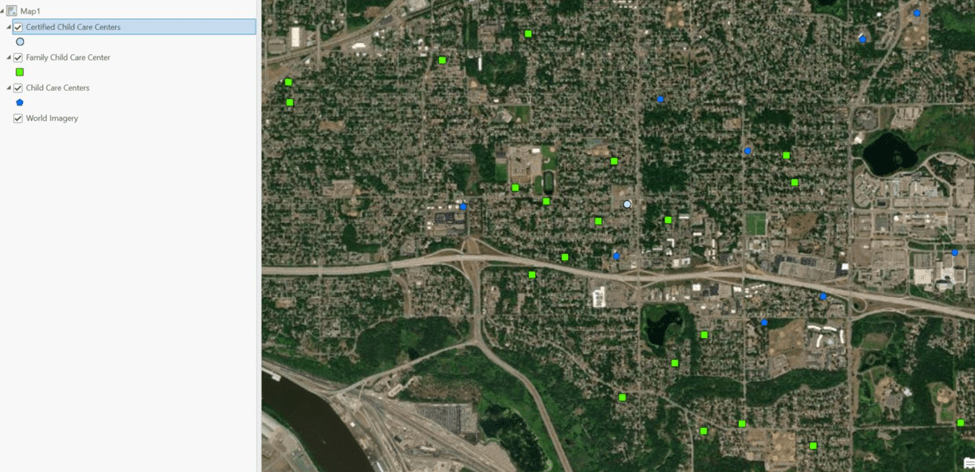
There’s a section called What’s in My Neighborhood?
The MPCA’s What’s in My Neighborhood contains a wide variety of environmental information about your community. This includes potentially contaminated sites, permits, licenses, registrations, inspections, and closed enforcement activities.
Potentially contaminated sites: Since the early 1980s when major federal and state cleanup programs were created, the MPCA has been aggressively searching for and helping to clean up contaminated properties, from very small to large. This website contains a searchable inventory of those properties, as well as sites that have already been cleaned up and those currently being investigated or cleaned up.
Environmental permits and registrations: This Web application also contains a searchable inventory of businesses that have applied for and received different types of environmental permits and registrations from the MPCA.

Viviana Zelizer’s sociological classic, The Social Meaning of Money, is full of historical examples of the conveyance of time and resources to those in need. The author also depicts the evolution of aid from charities to pensions from the state, from controlled expenditures to variations of individual freedom to choose how to spend.
What sort of money, then, was this new charitable cash? Rejecting the model of dole, wage, or insurance, pensions appropriated instead the forms of the middle-class domestic economy; or, more precisely, they replicated women’s housekeeping cur-rencies. Considering that most recipients of public pensions and a large number of those receiving or at least managing private cash allowances were women, charitable cash was easily transformed into a special category of domestic currency, a sort of collective pin money. Notice the vocabulary: the term “allow-ance” comfortably echoed the familiar income of middle-class wives. Pensions, of course, had been legitimized as a dignified payment by the enormously successful federal program of Civil War payments for veteran soldiers. But there was also a long tradition of pensions as a substitute income for husbandless women. And it was middle-class women who, for the most part, ran this feminized currency exchange; not only did women’s organizations become the strongest supporters of mothers’ pensions but mostly female social workers supervised both public and private forms of cash relief.
Zelizer is one of the few academics who speaks of the poor as worthy to choose. Furthermore, she repeatedly illustrates how participating in systems of trade serves to educate the participants, gives them standing, allows them to be role models to their children, and so on. Instead of the standard starting point that the poor will simply be happy to receive, Zelizer paints out in broad relief the full benefits of market participation to this group of modest means.
“Fool!” said my Muse to me, “look in thy heart and write.”

This video is tremendously underrated, with only 166K views in fourteen years. Filters, messes, too simple, good versus evil, a big accident, human action, uh oh, get tough, easily grasped, conflicting purposes, nudge, sway, blink, seduced, talisman, outsiders, bias, patterns are all parts of thinking in stories.
What stories thread through your lives?
I do not understand why people look abroad when we have the best institutions right here. Secure property rights underpin the entire real estate industry. No one does it better. And yet.
Beleive the explanation and move on. Nothing to see here.
Iowa is an agricultural state home to more pigs than people. The deep, dark topsoil which coats the landscape is one of the richest in the world. Its topography is ideally suited for large machinery to work across acres of flat open spaces.

Ratings are given to the productivity of each site and tracked by Iowa State University. Land rents and sales prices are also posted and often used in commerce.


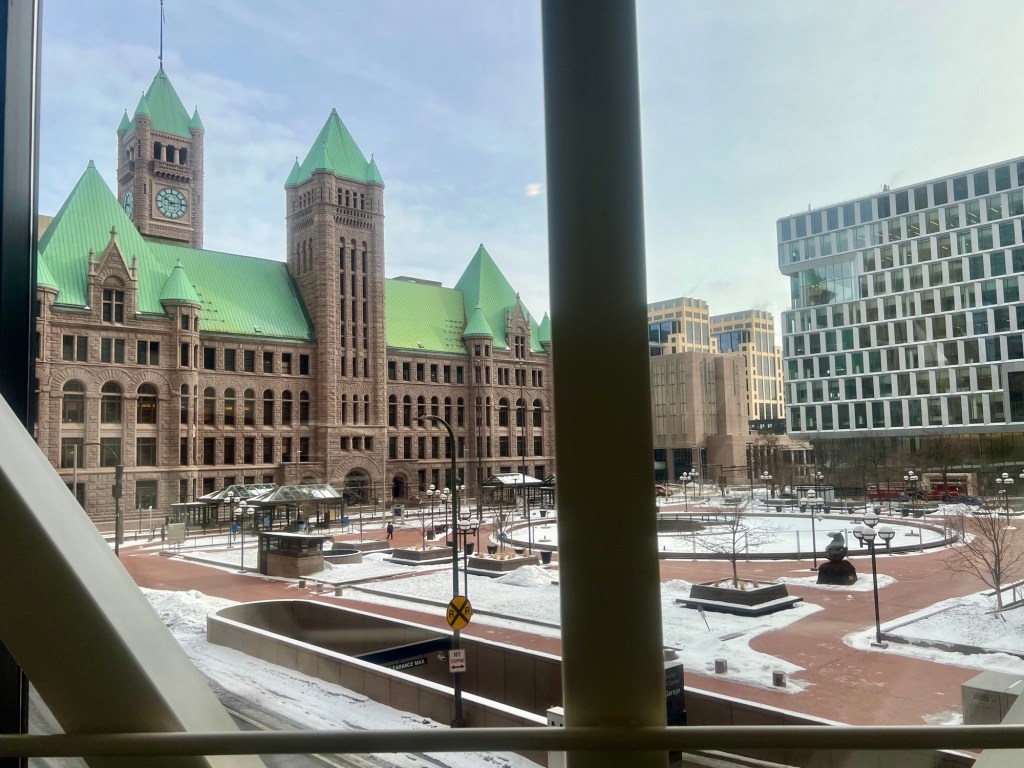
I sat through an interesting presentation today at the Federal Reserve Bank of Minneapolis—a striking glass and steel building on the edge of the Mississippi River. The commentators all shared angles on the ambitions for affordable housing in their respective areas of the country. The very pragmatic Jenny Schuetz with Brookings is speaking here.
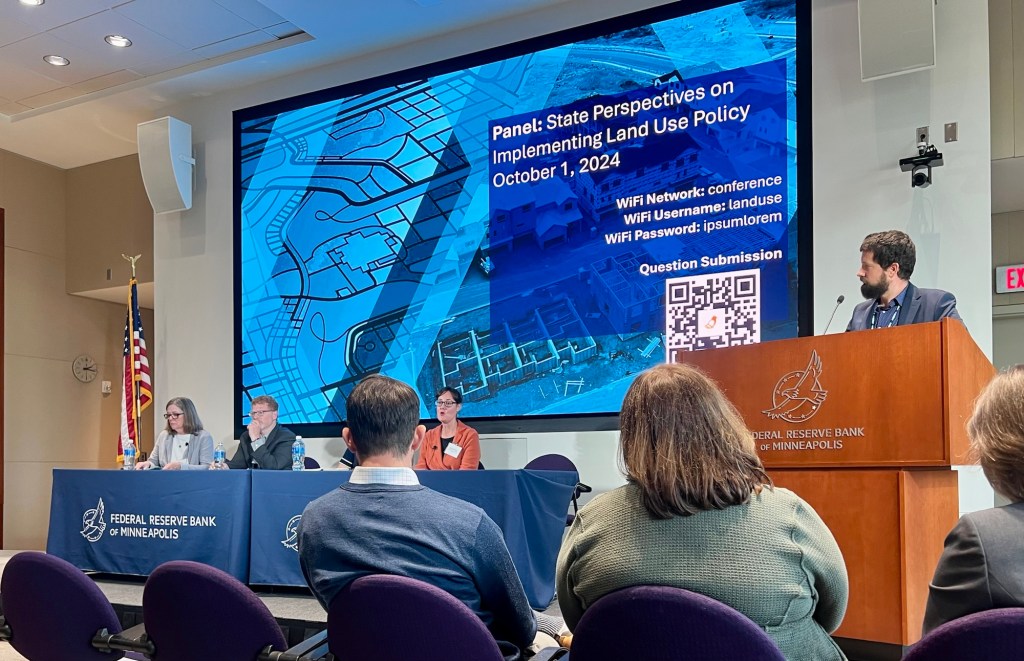
One of her messages is to pick a reasonable goal, such as downsizing parking requirements, and get that passed. Massive bills packed full of ideas are interesting only in theory.
With simplicity in mind, here’s a product idea meant to steer resources in the right direction. A few days ago I panned the idea of swaying behavior through signage- Will Signs Work? The lack of incentives is what is missing here.
Let’s think of it as a model. The man in the middle, we’ll call MN1. After all, the driver of all intentions in this endeavor is MN1. This is the person we desire to receive resources. Without this person, there is no need for the non-profit to exist to come to their aid. Without MN1, the drivers would not be tempted to pull to the side at a busy intersection and pass a few dollars through the window. The model takes the perspective of MN1.
What does MN1 want? In the news clip, the panhandler said he hoped to earn $20-30 from a day on the curb. Now we know the amount of incentive necessary to show up. What do the motorists want? They wish to satisfy their impulse to come to the aid of a fellow human in need. To give directly is very satisfying. What do the non-profits want? They wish the panhandlers would come to their sites for the services they are trying to administer. Their livelihood is based on attracting MN1’s.
If the motorists could purchase a voucher for $50 which the MN1s could redeem at the non-profits, all actors achieve satisfaction. The motorists pass aid directly into the hands of the panhandler. The cash incentive should drive MN1s to contact the non-profit. This allows face time to sell their services. Furthermore, for vouchers lost or unclaimed, the non-profit earns the face value of the donation.
The MN1 folks are able to come away with cash and hopefully additional avenues to services that alleviate their plight. The motorists appease their need to help while donating a nice amount to the local non-profit of their choice, a choice with the added benefit of a screening process. The non-profit has customer leads showing up at their door while receiving additional donations.
What should the voucher be called? A Twenty-Bucker?

How much US cash is held out of the country? A lot. Christopher Neely at the St. Louis federal Reserve explains:
The U.S. dollar has been the most widely used international currency since 1945.1 The dollar is the most traded currency on international financial markets, dollars comprise 60% of official reserves (i.e., foreign exchange reserves), and many traded goods, such as oil, are commonly invoiced in dollars. In addition to these commercial uses of the dollar and dollar-denominated assets, individuals in many parts of the world hold U.S. currency, i.e., paper money, both as a store of value and as a medium of exchange.2 This blog post3 explains the widespread use of U.S. currency and provides some simple, back-of-the-envelope calculations on the size of some of the benefits to Americans.
The rest of the world holds a great deal of U.S. currency, i.e., cash. Although the amount can’t be precisely tracked, the Federal Reserve Board of Governors recently estimated that foreigners held $950 billion in U.S. banknotes at the end of the first quarter of 2021, or about 45% of all Federal Reserve notes outstanding, including two-thirds of all $100 bills. Overall holdings of U.S. currency have grown rapidly, however, and overseas holdings of Federal Reserve notes would now be worth closer to $1.1 trillion if such holdings are still half of all U.S. currency.

CS Lewis explains in Reflections on the Psalms, “What must be said, however, is that the Psalms are poems, and poems intended to be sung: not doctrinal treatises, nor even sermons. Those who talk of reading the Bible “as literature” sometimes mean, I think, reading it without attending to the main thing it is about; like reading Burke with no interest in politics, or reading the Aeneid with no interest in Rome. That seems to me to be nonsense. But there is a saner sense in which the Bible, since it is after all literature, cannot properly be read except as literature; and the different parts of it as the different sorts of literature they are. Most emphatically the Psalms must be read as poems; as Lyrics, with all the licences and all the formalities, the hyperboles, the emotional rather than logical connections, which are proper to lyric poetry.”
I say no.
The City of St. Paul is looking to curb panhandling in busy intersections. It’s looking to encourage people to donate money to organizations that help those who are unhoused instead of handing out cash. FOX 9
City leaders say they’re doing it for public safety reasons. It’s putting signs up at intersections to bring awareness to drivers on how to help those who are unhoused.
This is so Minnesotan. If we simply ask nicely, the good people of St. Paul will listen and do as we say! Let’s ignore incentives and inclinations.
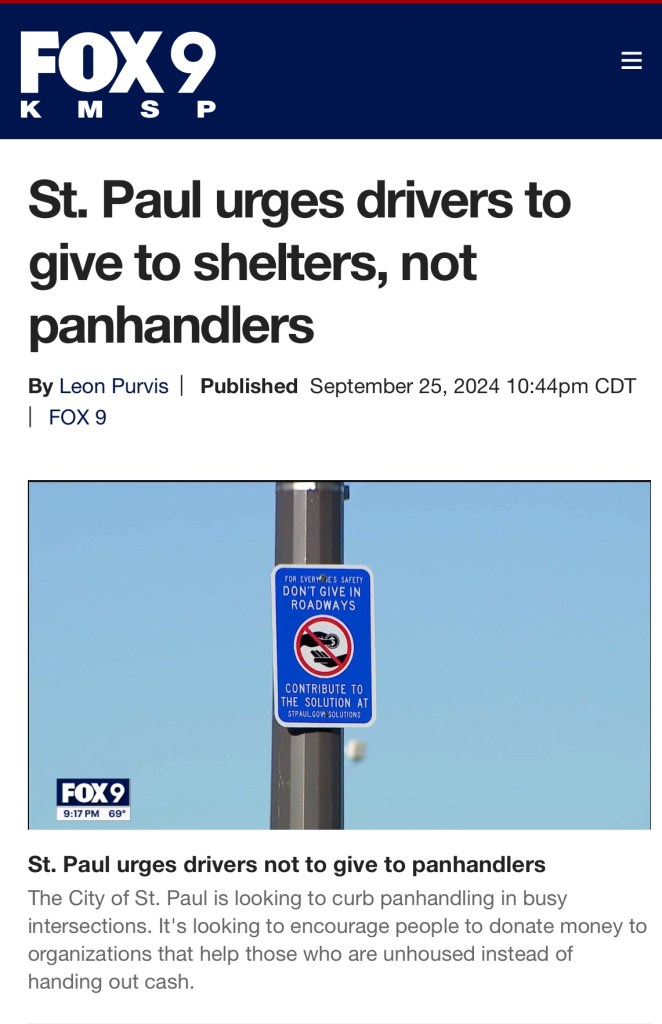
There are two groups and two forces at work. The well enough to do in their cars are compelled at the sight of the need to fulfill an urge to act. Their instincts are crying to lend a helping hand. This is so easily accomplished by reaching into a wallet for a few dollars and rolling down a window. Searching for a reputable organization to direct funds to is tedious and not very rewarding. When you send in a check, you just get a thank you but no human touch.
Incentives for Group 1: Sign 0 Direct Give 1
The second group is the panhandlers. They have a need and are working to externalize cash from motorists’ desire for mutual aid. Although public policy types may rationalize that these folks really need this, and really need that, and it’s all because of X, does not eliminate the clear immediate need for cash. That’s their mission. The solution in the sign does not meet this need.
Incentives for Group 2: Sign 0 Direct Give 1
The sign idea does not work. If vouchers were given to motorists who want to reach out and touch someone to make a difference, and the panhandler could take said voucher to the organization for cash, among other things, then you would meet the incentives for both Groups 1 and 2. The organizations would also have a shot at ‘selling’ the panhandlers on their other services. If successful, the panhandlers would no longer need to hit the curbs with their stools and cardboard signs.
This time of year, the farmer’s markets are full of fresh produce. Most of the suburbs in our area have their day when a collection of vendors pitch tents in parking lots and sell their products to all who try to stop in. It’s hard to pin down the appeal of the ancient agora. Grocery stores of every stripe nearby are open at just about any hour, so it’s not about convenience. It’s not about variety, as minivans can only transport so many items. It’s not about bargaining- the people meandering by the stalls pay whatever is asked of them.
I say it’s about inspiration. The thought of all those plump tomatoes made me want to try making tomato basil soup- which I adore.

Maybe others bring home too many choices and thus force themselves to find inspiration in what they brought home. Perhaps a conversation over the bushy fresh dill led to Grnadma’s pickle recipe being pulled out and put to use.
Experiences stay with us. They teach us, and we go back to them again and again.
Busy public spaces are now setting aside a room for quiet time. People who suffer from anxiety or overstimulation can recluse themselves from the packed community center on a Saturday and shut out the activity in a sensory room until calm returns to them. These are lovely spaces. Muted colors, sound buffering panels all serve to quiet the environment.
Come to find out the airport has included this design element in their terminals.
My only question is, how are they going to keep people out?
Activism is an activity for the rich.

As long as prices are ticker taping along with typical elan, most people are happy to know that the amount they would give for a good or service is agreed to spontaneously, but many others. Sure, people will complain when a touch of frost ruins the citrus crop in Florida, leading to higher prices for grapefruit, lemons, or oranges. Little fluctuations make the dinner table news but are not show-stoppers in the ever-churning commerce between vendors and consumers.
The vibe changes when a typhoon rolls into the Sunshine State. Proclamations against price gouging come from the political power at hand. Every four-by-eight piece of plywood is needed to cover glass windows. However, the market system is no longer viewed as the desirable mechanism for distribution. Profit at the hands of disaster makes people uncomfortable.
Insurance alleviates the restraints of fears for the suddenly disadvantaged. When a hail storm comes through, insurance replaces all damaged vehicles or roofs. No one cries, ” Price gouging!” Everything is all right as long as it’s on the insurance company’s tab. Insurance coverage didn’t take the repairs out of the market system, but it did change the size of the risk group.
This happened with masks during COVID. In the early days of the virus, state health departments were desperate to get masks for essential personnel. As the prices soared, administrators realized every state was bidding up the price from foreign suppliers. Changing the buyer group from the state to the federal level, tampered down the bids.
Disasters are shared concerns over more extensive groups of people. The market system is not in error; it just needs regrouping.

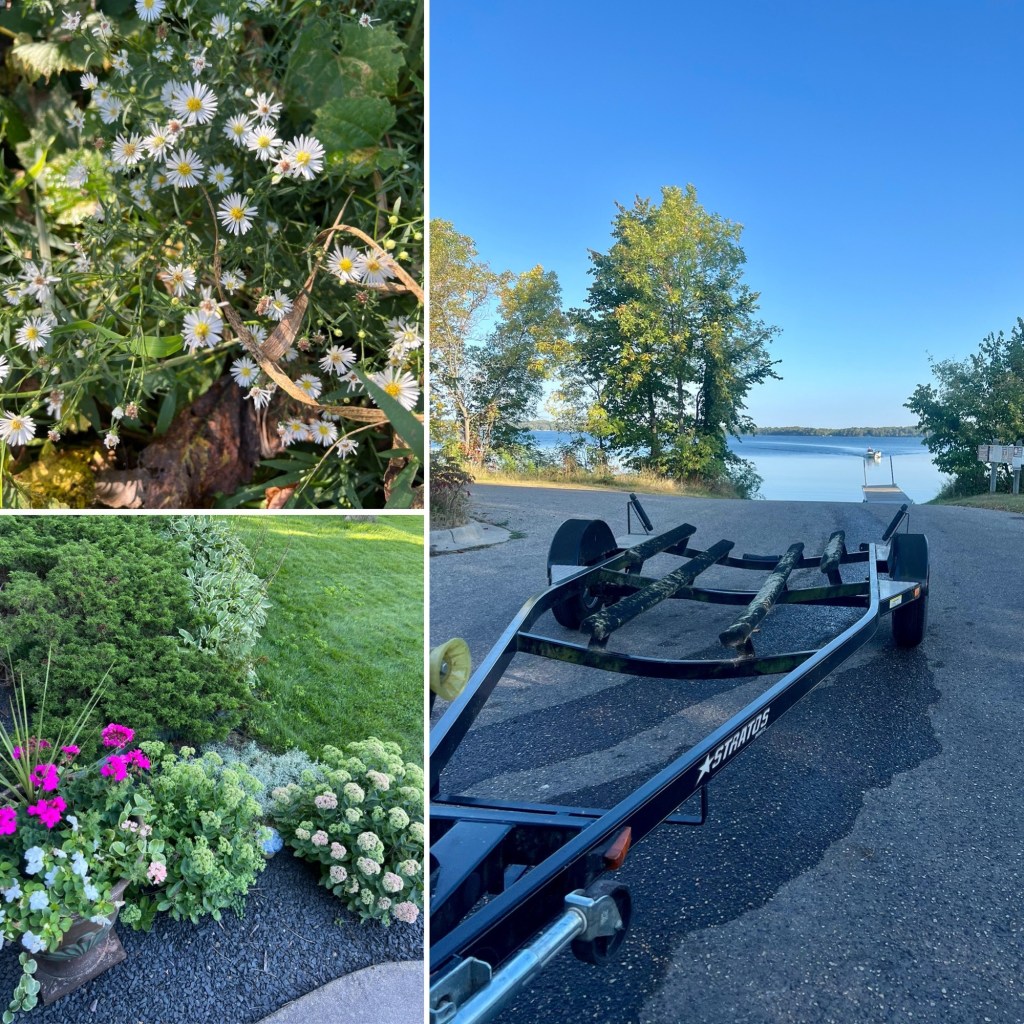
There comes a warning like a spy
A shorter breath of Day
A stealing that is not a stealth
And Summers are away —
The War on Prices, How Popular Misconceptions About Inflation, Prices, and Value Create Bad Policy is a compilation of essays edited by Ryan A. Bourne. The twenty-four entries are organized into three sections: Inflation, Prices, and Price Controls and Value. Bourne steers the way with introductory comments.
What I like best about the book is the variety of stories in which price plays a leading role. You start to notice that the numerical representation tallied at the time of transaction in the exchange of a good or service has its own flare—a price personality.
George Mason economist Alex Tabarrok is known for describing price as ‘a signal wrapped up in an incentive.’
Here, we’re looking at the action price- a very popular one indeed. It is the price that will cause the actors in the market to take charge and make a deal. Action price is the number most serious sellers want to post to attract buyers and move some merchandise.
But there are many others. Take Chameleon Price. In the West Needs Water story, we hear about the city of LA going out into the country in search of water rights. The early Californian farmers had secured water rights, which were now more valuable in the quickly growing urban area. When the Water Board went to the rural farmers with money in hand, they wanted to purchase the land at a price derived from its agricultural value. Soon, sellers realized that they were not selling farmland; they were selling water rights and demanded a price linked to the increased property values on the receiving end of the water.
At first glance, the object in the transaction takes on one appearance only to change to another hue at a new price.
More price talk to come.


Water is a slippery issue. You can pump water from the ground if you have your own well. It costs you the electric bill. As an owner of the lot, you have rights to the water swelling through the subterranean substrate.
The farmers who arrived first in the West have rights to the water in rivers through the first possession doctrine— a similar principle to land and mineral rights. Under this doctrine, historical patterns of water use give rise to de facto property rights. Specifically, whoever historically has diverted water and put it to beneficial use gains a legal right to continue diverting water for beneficial use in the future. Farmers diverted flows from rivers and streams through dams and irrigation ditch networks. Projects by the Bureau of Reclamation, part of the U.S.
Department of the Interior, augmented these systems and after 1926 would contract only with irrigation districts for water delivery. The fact that farmers have rights to and use vast quantities of water in an arid region is not a problem, in theory, if those water rights could then be traded to urban users who might value them more. But the history of water trading in the West offers a cautionary history about how difficult it can be, in practice, to facilitate true markets and arrange trades through property rights. (The West Needs Water Markets, but Achieving That is Tough, Peter Van Doren)
When you pay a water bill in an urban area to your local municipality, you are paying for the infrastructure to pipe the water to your home, as well as the water treatment process. Private property rights determine the type of access: well, municipal, irrigation ditches… The value of the water shows up as capital in the plot of land with access rights.
To obtain Owens Valley water for the aqueduct, the Los Angeles Water Board purchased over 800 farms and the water rights that came with them. Negotiations were difficult because of bilateral monopoly. The board was the only buyer and was under pressure to buy because Los Angeles was in a drought in the early 1920s. Large farmers formed pools to collude as sellers. Sellers wanted the surplus from the increased land values in Los Angeles arising from the water availability. The city’s board offered compensation based on agricultural revenue from the farms.

The LA people wanted to buy out agricultural land based on farm use. The farmers realized they were selling access to water. Thus they based their price on the value increase of the properties receiving their water rights in LA. This makes sense.
But then there can be no complaints when the agricultural land can no longer be farmed. The property’s use value transformed, and the transaction compensated the sellers at market value.
Shoe-string organizations run valuable community services. Most employment is provided on a volunteer basis. The positions are usually stretched, leaving a few core people to bear most of the responsibility. Thus, a lot of trust is placed in the hands of folks who have just shown up for the job.
It isn’t uncommon to hear people joke about so-and-so or such-and-such, keeping a few extra concessions in their garage or pocketing some cash from the till. You wouldn’t think there would be much money in it, but a basketball tournament weekend would draw in a net of $25K back ten years ago when I ran them. That said, these thefts are typically small stuff that is not worth pursuing—except once in a while, a whale is caught.
Investigators found that she began making unauthorized withdrawals less than two months after she assumed the role of treasurer.
“The PTO debit card was also used in hundreds of personal purchases, including childcare expenses, student loan payments, groceries, and takeout food purchases,” the criminal complaint read. “The unauthorized transactions included checks written out to [McMullin] and deposited into her personal bank account. Once in [McMullin’s] personal bank account, the money was used for mortgage payments, bills, and other personal expenses. [She] also withdrew cash from the PTO bank or from ATMs. At various points, Defendant did make some nominal deposits from her personal bank account back to the PTO account.”
But only a portion of the actual loss is in the dollars pilfered. Stealing from the social side of life is a strike against shoring up losses; it’s an attack on moving people forward. Kids’ programming can set youth on the right track with competition and discipline. Kids’ programming keeps young folks doing physical activity that is known to promote long-term health. Kids’ programming puts mentors in touch mentees for guidance throughout formational years.
Fraud within the industry is a drag on participation. People tend to give up their time when they trust a system and share the ethos of the work. Suspicions of theft encourage people to take their support elsewhere.
Few things are more enjoyable than meandering on a bike trail or cruising through a state park on a beautiful sunny day. Fortunately, communities share this ethos and support the continued development of public trails.
Today’s ride followed some of the new Heart of the Lakes Trail. It doesn’t show up on all the maps yet, so it’s essential to do some research to map out the route. There are excellent services along the way, like mile markers, benches, and trailheads for parking. With a plan in hand we set out for Lakes E-Bikes to pick up our rentals.

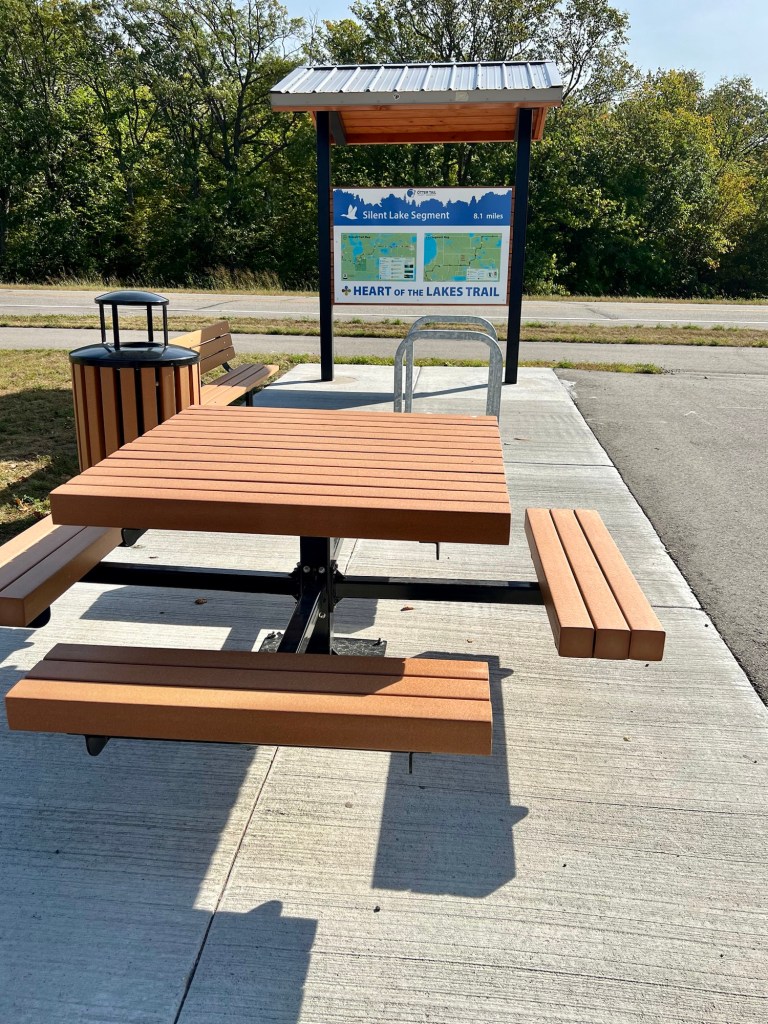
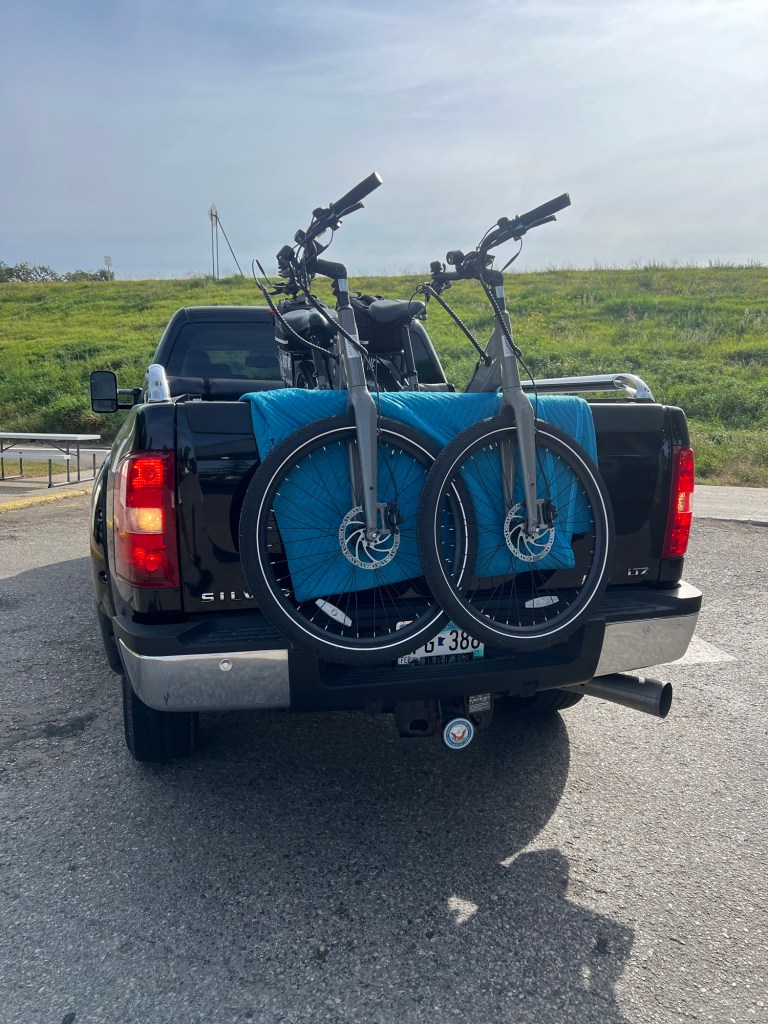
The operation runs out of a family-owned RV dealership. A third-generation member pitched the idea of selling e-bikes with an expectation of making twenty sales or so a year. His brother informed us while helping to load the cycles into the back of the pickup, and this year, he watched 250 go out the door. Hitting the market right can make all the difference.


If you haven’t tried an e-bike yet, I highly recommend it. It’s not really biking; it’s more of a scooter. But it takes you to the most wonderful places, and that’s what matters.
Thank goodness for all those who devoted countless hours in county board meetings to make it all happen.
My husband and I both come from families with five kids. Even then, ours were larger families, as the average US woman bore 3.6 children. Big families were those with ten or more children. A college friend with twelve siblings scored top prize in the mega family category.
Today’s fertility rates are not even up to replacement numbers. So, what can be done to make large families fun again? One approach may be to consider them in election choices. Here’s a father of five kids running for a county commissioner position. People who live a lifestyle conducive to a gaggle of kids are bound to favor programs and support services geared that way.
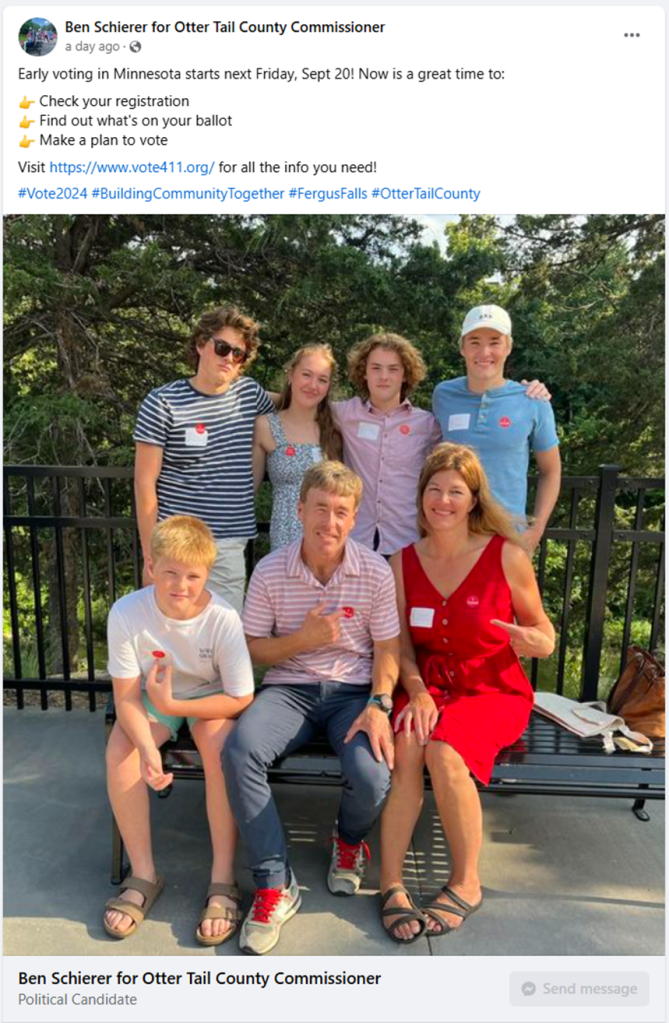
Most people want similar things, such as personal safety, good schools, and adequate health care, all within the reach of decent employment. However, a large families’ focus is undoubtedly skewed to their preferences. Safety means kids can navigate city roads to and from schools and parks without harm. In contrast, a family with a musical prodigy may be perfectly willing to buffer themselves against some urban crime so their child can be within reach of the top ballet school. One wants ubiquitous small town the other wants access to specific cultural activities.
Good schools, for instance, mean good public schools in the large family scenario. It can also mean a school that isn’t too elite so that their kids have a chance to dabble in varsity sports or theater or debate without being squeezed out by intense competition. Large families form a buying group of public services. Figuring out how to match the most likely who desire a large family with the mix of services that enriches their lives is the best way to grow the population.
Building a new structure is a process!
Even a small project like this shed involves: structure permit, earth moving permit, excavator, township road approach approval, deliveries, the builder’s crew, garage door guy, electrician, concrete guy, and state electrical review.
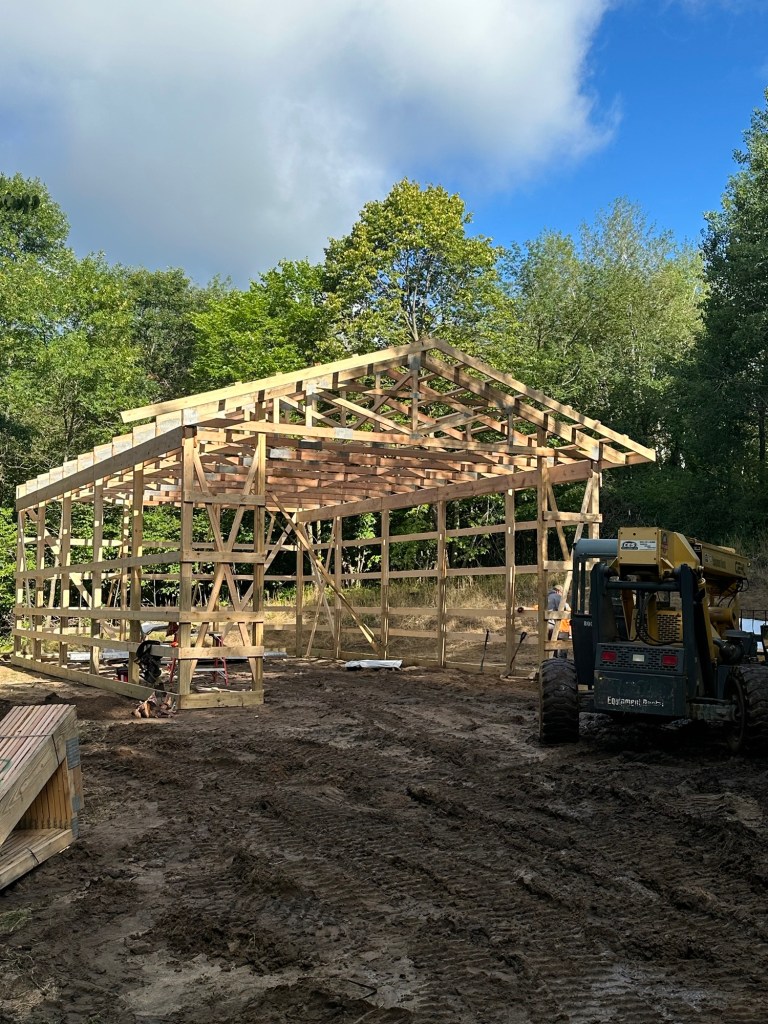


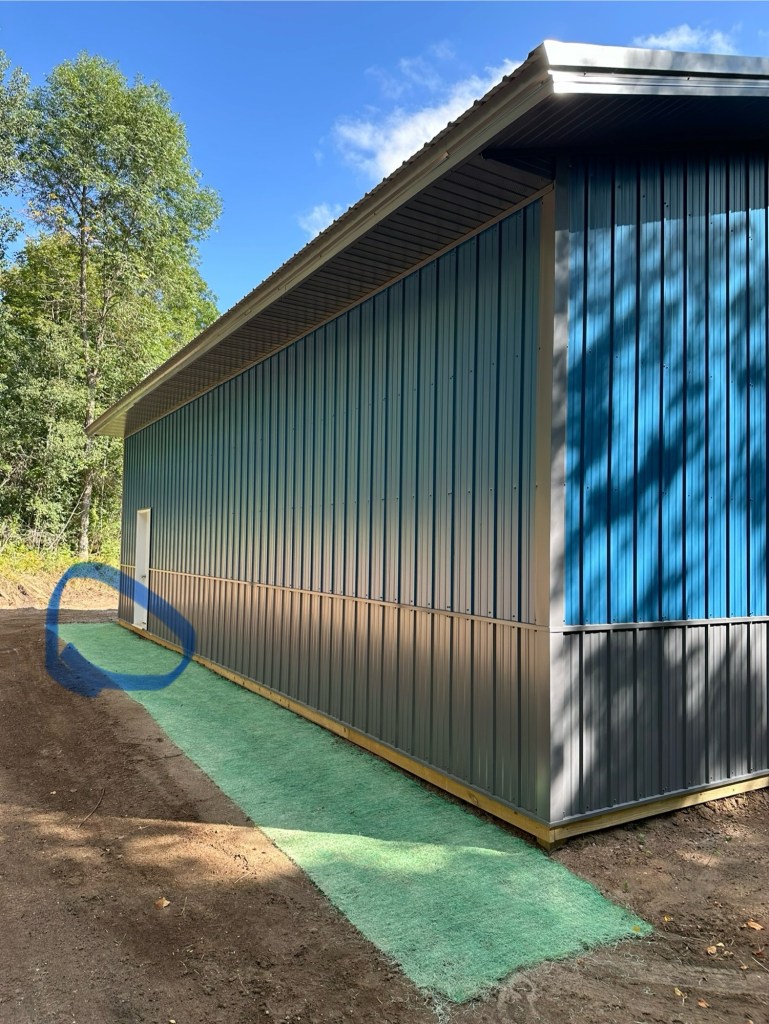
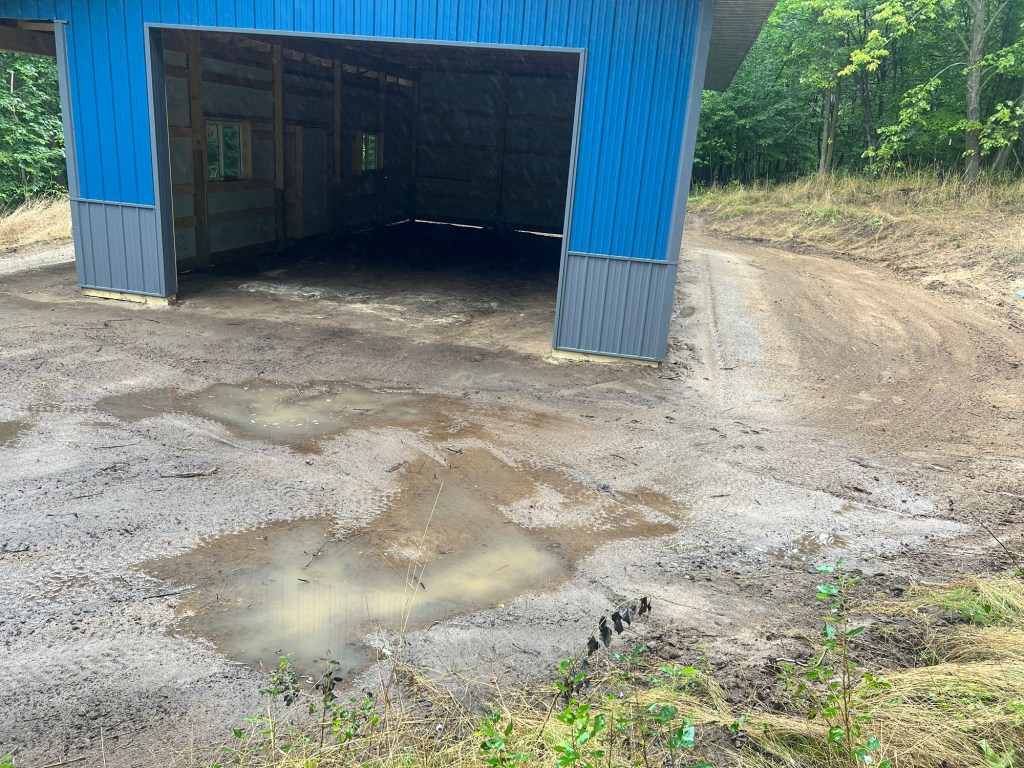
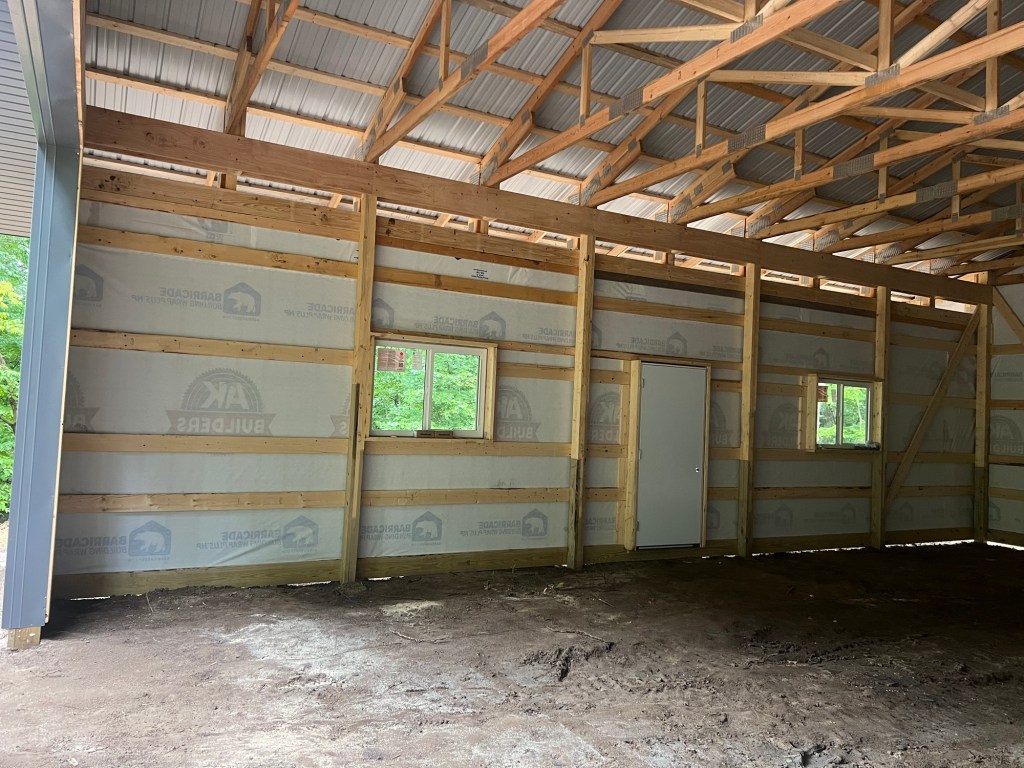


All in for what you see (excluding land cost) $63K.
A few people were talking in the office the other day about how small their electric bills were due to the use of solar panels. One gentleman disclosed that the bill on his home in Arizona was barely above what would be typical for running standard kitchen appliances. This was when his air conditioner was continuously running to beat the hot desert sun. The Minnesota home was squeaking by with being charged an electrical bill that was less than most streaming services. These are wonderful endorsements for an eco-friendly real-estate-related energy application.
A group of realtor types don’t think word-of-mouth stories like these are enough to spread the word about eco-friendly energy use. They want the dollars saved through higher efficiency and more environmentally positive energy use to show up in the numbers. If a home has a certain level of insulation or a particularly efficient set of appliances, then the market should bear a higher price for that property, they reason. So instead of trying to find it in the price determined by buyers and sellers in a meeting of the minds, they suggest appraisers add a tweak post-sale. When in doubt- fudge it, I guess.
The reality is that the benefits of newer mechanicals and construction are featured in price. The reduced electric bill from solar panels is in there, too. It’s just not as standout noticeable as some people want. Therefore, I suggest they spend their efforts on another end to this issue. The focus should be on hyping up those communities where the ethos of the problems is alive and well. More people will be on board if they feel the acceptance of the norm by others. Start in the middle and work out.
I’m not sure utility bills and insulation thickness are the lowest-hanging fruit. Proper disposal of all the old appliances, depleted mechanicals, and construction debris seems much more problematic. Think of the rusty wall heater in the basement or the moldy knotty pine paneling from fifty-odd years ago. Face it, people are bad about staying on top of clutter; part of this is disposal.
Start a movement- clean out your house!


Our parks board meeting was held at the historic Plymouth town hall this evening. The building had been decommissioned in 1960 (when everything old was out), neglected for decades and then rescued in recent time by a bunch of friends with civic spirit. Around six years ago they turned the project over to the city, their age pushing them onto another phase of life.
It’s been a huge project. The structure’s exterior was in need of significant repair. On the interior worn plank flooring, wainscoting and an elevated lectern were as thick in dust as in appeal. It was hard to see the details past the moving boxes stacked high and low. Apparently donations to the society were not turned away, nor sorted for local interest.
A fine historian has been busy for the past year doing a lot of house keeping. The walls are crisp and the flooring swept clean. There are historical vignettes throughout. The enclosed back porch is set up as a research area and study- a pleasant and inviting space. Professional cabinets hold artifacts in the lower level. He’s really brought the project forward.
He relayed the most frequent question people bring them is regarding the history of their property in Plymouth.

The presidential debate has actually been worth watching.

The moderators are doing a good job. The candidates are acting fairly presidential. They dodge the questions equally. They preach from their notes a fair amount. But there is still new information being talked over. There are glancing insights to new angles of old problems.
This is a definite improvement over politics in the past ten years.
I enjoyed this historical series set in sixteenth century France. The sets and costumes are exquisite. The narrative stays close to historical facts. Instead of the emphasis on soldiers, war, and conquests, there is a particularly female perspective.

Taking on action on God’s behalf.
This post draws a comparison between charging for parking on city streets versus charging for water through city pipes. The thought process is that people willingly pay to have potable water at the turn of the tap but object to renting a spot on a city road to leave their car.
It really comes down to ownership issues. It’s clear who owns the water system infrastructure. The cities maintain the lines in the street to the hook-ups. The property owners maintain the pipes through their front yards and their properties. Water is delivered and metered so that people pay based on their usage. But no one owns the water. People pay for the maintenance of the public system and the purification process.
On the other hand, city roads are publically owned. They are free to use by everyone. They are paid for by residents. So to exclude people from use by imposing a payment signals a change in ownership structure.
People often gather together to share on-going utilties. That’s the idea behind home owners associations. Individuals who no longer wish to mow their lawn and look for a roofer when the time comes, enjoy sharing those expenses and management with others. Whether to pay for clean water, garbage pickup or electric bills, the monthly useage payments is the sensible means of pecuniary support.
When it comes to the use of shared land like public parks, trails and streets, it is difficult to determine a proper amount to meter out on a monthly bases, and it is abrasive to be exclusionary.

Ayaan Hirsi Ali starts her life learning about her tribe. (From her book Infidel)
My grandmother nods, grudgingly. I have done well, for a five-year-old.
I have managed to count my forefathers back for three hundred years the part that is crucially important. Osman Mahamud is the name of my father’s subclan, and thus my own. It is where I belong, who I am.
Later, as I grow up, my grandmother will coax and even beat me to learn my father’s ancestry eight hundred years back, to the beginning of the great clan of the Darod. I am a Darod, a Harti, a Macherten, an Osman Mahamud. I am of the consort called the Higher Shoulder. I am a Magan.
“Get it right,” my grandmother warns, shaking a switch at me. “The names will make you strong. They are your bloodline. If you honor them they will keep you alive. If you dishonor them you will be forsaken.
You will be nothing. You will lead a wretched life and die alone. Do it again.”
The importance of knowing one’s family lineage becomes a life-and-death matter about midway through the memoir. The country is falling apart. People in flight gather at Somalia’s border with Kenya in hopes of crossing to safety.
To be tied by blood is to be part of a large safety net. There is an obligation to aid and rescue. There is an obligation to support single women and provide housing. It’s a group thing.

Say there’s been a lot of local advertising lately about universal free school lunch for children who attend public schools between kindergarten to twelfth grade. A casual observer would think this is worthwhile, admirable in fact. Now what if the statement was broken down to reflect various groups in the public schools. Disadvantaged kids whose families earn below a certain income have received free school lunch (as well as added meals like breakfast) since the 1940s. In 1946, Harry S. Truman signed into law the National School Lunch program.
The qualifications for who qualified for the subsidy has undoubtedly been expanded. But the group of children who received subsidized free lunch and those whose families were sending in checks every month to the lunch ladies were not the only two sets. There was another group of kids who were always on the verge of being turned away from eating in the cafeteria. This group belonged to the families who didn’t qualify for free and reduced lunch yet did not choose to pay for their children’s food, leaving their student in an awkward position over the lunch hour.
Occasionally, a wealthy parent or a coach would cover a bunch of unpaid lunch tabs. But universal free lunch definitely takes the plight of the cafeteria workers versus the delinquent parents off the table.
Still, to promote a policy without a proper definition of the groups is misleading. To then claim the moral high ground as if the policy were the first to feed those who are truly disadvantaged is a bit much. It’s an accounting trick. Now, rich families get free lunch too.
Group disclosures please.

Has a claim in a post ever held you up as false, so you take a closer look and realize the starting and ending spot on the x-axis of the graph is a carefully curated time segment? Take crime reduction, for instance. Most people would say crime is still up. Then the claim comes around that no-no-no, it is, in fact, down thirty (or some dramatic number) percent. A closer peek at the graph shows tracking starting at a peak level of crime following the 2020 riots. This seems like one of many mis-speaks floating around these days. It’s up to the public to be wary of their sources of information and look a bit closer at the graphics.
Other than being misleading, different time increments can convey a message with an undenial punch. A ‘then and now’ approach provides a magnitude which could get lost in averages. Then segmenting the population between two groups in the ‘now’ leverages hope of a future in the making.
Sarah Paine, a war historian and strategy professor at the Naval War College, infers another use of time. (For those interested, I suggest you watch all of her videos.) This one is interesting as she names this time element of a strategy “half-court tennis.”
By imposing tariffs on foreign goods coming into the country, there is a lack of consideration of the ensuing response from other nations. The analysis happens in time segment 1, and by time segment 2, a very different outcome results.
So what are the proper uses of time segments in presenting and evaluating outcomes? Is there a natural cycle that needs to be observed? Or a disclosure of some type? Do all defence strategies need full courts? What about evaluating social indicators like health and education?
Tolstoy spends more pages telling us about the Russian aristocracy than the serfs, but when he does describe them at work in the fields it is some of his most beautiful writing. Being the curious type, I did a little digging and found this excellent paper on the micro economy of the time. Micro-Perspectives on 19th-century Russian Living Standards provides a widespread overview of the prices in the years following the emancipation of the serfs.
Their finances weren’t great- but according to this paper their income was sufficient to purchase enough food and basic living utensils. What messed things up for this class of people which constituted eighty percent of the population, was the failure under land reform to allow private ownership.
Historians of this period have come to very different conclusions regarding the impact of these social and economic changes on rural living standards. A long tradition in Soviet and Western scholarship views the emancipation and land reforms as re-imposing constraints on the peasantry that amounted to a new form of serfdom. Peasants were assigned formal membership in land communes, which continued to be characterized by collective control over property rights and joint liability for land and tax obligations. According to this literature, the external burdens
placed on peasant communities remained exceptionally high and even exceeded those imposed under serfdom. Tied to such obligations and subject to the whims of communal decision-making, peasants were unable to improve agricultural productivity, freely dispose of their land, or leave agriculture for industrial work. These restrictions kept living standards low and led the agrarian economy into crisis by the 1890s.
This paper, Russian Inequality on the Eve of Revolution, focuses on inequality in Russia. There is plenty to talk about. The chart I liked best from the paper is this one which shows that writers made as much as doctors and professionals. At least that seems like an admiral priority.
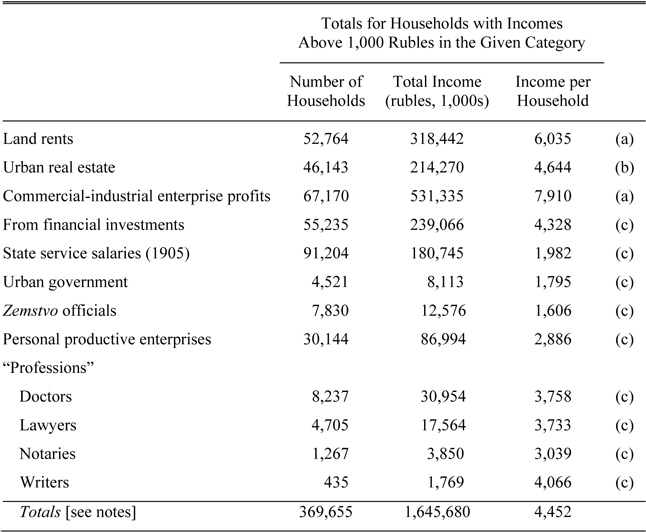
I gave you my onlyness,
Give me your tomorrow.
I’m really enjoying Ayaan Hirsi Ali’s memoir Infidel. In part because I also spent the early 70s in the Horn of Africa and remember the turmoil she describes. I can visualize her and her siblings playing within the compound of the home. Stories of soldiers showing up at homes to question people or haul them off to jail were part of the news the house workers would share when they reported for duty in the morning. It was an unsettling time.
Her parents’ story is daring. After many years being held as a political prisoner, her father was aided in a successful prison break. He fled to Ethiopia. Her mother then went to work at securing false passports for herself and her three children. When asked where she wanted to reunite the family, she chose Saudi Arabia.
My mother didn’t want to move to Ethiopia, because Ethiopians were Christians: unbelievers. Saudi Arabia was God’s country, the homeland of the Prophet Muhammad. A truly Muslim country, it was resonant with Allah, the most suitable place to bring up children. My mother had learned Arabic in Aden; more important, she also imbibed a vision that Islam was purer, deeper, closer to God in the countries of the Arabian peninsula. Saudi Arabian law came straight from the Quran: it was the law of Allah. Inevitably, the life of our family, reunited in Saudi Arabia, would be predictable, certain, and good.

Although their life in Somalia wasn’t sophisticated, they had many freedoms. And thus the move to Mecca and then Riyadh was oppressive.
But as soon as we left the mosque, Saudi Arabia meant intense heat and filth and cruelty. People had their heads cut off in public squares. Adults spoke of it. It was a normal, routine thing: after the Friday noon prayer you could go home for lunch, or you could go and watch the executions. Hands were cut off. Men were flogged. Women were stoned. In the late 1970s, Saudi Arabia was booming, but though the price of oil was tugging the country’s economy into the modern world, its society seemed fixed in the Middle Ages.
Women were not to leave the home without male companionship. Yet she did. There was shopping to do and kids had to be taken to school. Thus she was heckled by neighbors and degraded. Yet she still persisted with the choice to give up liberties in order to feel she was leading the good life.
I think there were times when she was happy: cooking in the evenings, her family around her. But how many of those evenings did she have? Sometimes, at night, I would hear my parents talking, my mother listing all the ways my father had failed her, her voice tense with rage. Abeh would tell her, “Asha, I am working to give us a future in our own country.” Or he would say, “These things wouldn’t happen if we were living in a normal country.” Abeh never liked Saudi Arabia and always wanted us to move to Ethiopia with him. But my mother wouldn’t do it: Ethiopians were unbelievers.
Clips are great. They are short portions of a longer piece which give you just a taste of the interview, usually with a punch, which makes them fun to name. This segment from Dwarkesh Patel’s interview with historian Sarah Paine could be titled: Dealing with a Double Downer
Or this one with geneticist David Reich: Isolation is to Elimination what Integration is to Transformation,
Dwarkesh is a super interesting host.
I hadn’t heard of this 1971 movie with Donald Sutherland and Jane Fonda. The neo-noir thriller is a movie of its time. The blocky framing in the cinematography provides a modern backdrop, while the lens still captures striking panoramas of skylines. Words like “freak” and “square” stand out in their use, which has been commonplace. Whereas when Fonda says, “It’s important to be able to let it all hang out.”
The cuts to Fonda’s counseling sessions with her psychologist are interesting in framing women’s issues of the time. Baby-faced Jane explains that prostituting herself is the only way to feel she is in control (over a man). The ease with which the actress becomes the activist face of women’s issues in the US is easy to understand.
Donald Sutherland is fantastic in this film. Fonda got the award nomination, but I doubt it would have happened without his strong performance. The scene where the two make some purchases at a fruit and vegetable stand is so well done. They feel like a couple.
On a sidenote, Ann Roth is responsible for the costumes.
There are times when its seems necessary to ask the question: ‘Who owns that?’ Owners are the ones who hold the keys of entrance and admission as well as how something is used. So, for instance, if a local gang has taken over a city park, they have taken a grab at ownership privledges without the paperwork. Hence it reasonable for the residents of the city or their police force to remove the gang. But the way some stories are told, or some policies are made, make it difficult to determine, who owns that.
For example, when a portion of the federal interstate is up for reconstruction in the coming years, residents who live near the traffic artery use political activism to voice opposition to additional lanes. Do folks who live near a freeway, train track, or airport have disproportionate ownership rights over the rest of the public, which makes their voice disproportionately louder? What share of the project is allocated to the federal purpose of connecting all states by a freeway system and what portion is to be shaped by the opinion of local residents, if any? Who owns the road?
Calling out ownership versus voice will be an ongoing game: Ownership Issues.
There’s a local story circulating through the press about increasing the daily per diem for jury participation. Blois Olson writes an informative daily newsletter, Fluence Media, and here is his explanation:

The daily rate is too low to be competitive against even the minimal paid job, so it’s difficult to follow the logic that more money would be enough of an impact to draw in this segment of the population. After all, the others who show up aren’t happy to be there either. Some have delayed more than once to avoid the inconvenience to their daily lives.
So why do people show? Somewhere along the way, people who are meaningful to them impose it as a duty to support an existing system. You have duties to your family, for instance, like visiting the elderly in care homes. You have duties to a level of civic decency in your neighborhoods, like not playing your Elton John albums at full volume while lounging on your deck. You have duties to your workmates and so on. You give to generate a pool of goodwill which eventually comes back around.
Jury duty meets an even higher standard for some, as they are live participants in a system that affects their lives. Perhaps that is why they shy away from it. They don’t want to be asked uncomfortable questions. Yet, it is through participation that their input is recorded. Showing up is how the game works, and that is the message, not pricing, that needs to be sent out.
A majestic bird that is easily identified by its size and how the light causes a flash of white on its head or tail feathers.
One word that distinguishes the periods is intertemporal. Here’s a straightforward definition:

Then there’s the distinction of choosing between different time periods and thus enhancing the time span with the outcomes of a choice which one might infer comes from action.

Whereas Wiktionary’s definition keeps the specifics loose and says intertemporal includes any relationship between time periods.

David Hume, a member of the Scottish Enlightenment crew and good friend to Adam Smith, was a practical sort of guy. Perhaps it was his good sense that kept him out of the universities and engaged with a broader, more genial audience. He wrote on many topics. Fortunately, people like Letwin parse through the material to pull out interesting bits like this one.
But if the politician had to be in a way mediocre, he had also to be thoroughly civilized. Civilization was not the same as morality. Hume refused to divide men into good and bad; in the history he rounded off each portrait with a neat balance of virtues and vices, that fails utterly to give a picture of a living man, but makes it clear that he was neither saint nor villain. For Hume would allow no character to be “wholly bad or good; tho’ the prejudices of party make writers run easily into the extremes of both panegyric and of satire.”
So often people are painted as all evil or all angel when we all know, as David Hume tells us, there’s at least a bit of both in most everyone. Then what should we look for in evaluating the political performance of public servants who are apt to be swayed in both directions?
The political morality Hume demanded is in a way far more difficult to observe than the extremest puritan austerity. For it is easy either to follow some set of rules absolutely or to ignore moral qualms altogether. It is easy also to try to establish a perfect city, come what may. But the man who tries to adapt himself to circumstances and yet preserve his integrity, to recognize new problems without destroying law and order, has an endless task. He is eternally obliged to balance one thing against another, to distinguish and compromise, and all this without falling into moral indifference. Perhaps most difficult of all, Hume’s politics assumes great personal resources, an ability to find meaning in life for oneself, and to require from the state nothing more than a convenient setting for private enthusiasms.
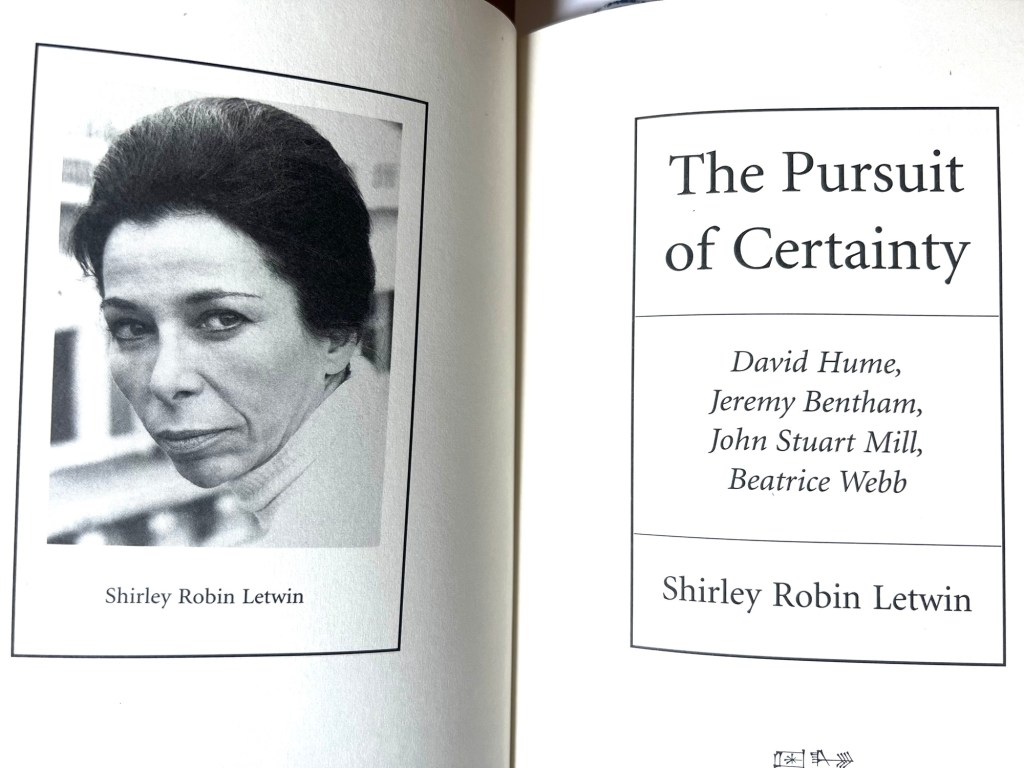
You know how you just stumble into a good situation sometimes? I’ve had the good fortune of reading Anna Karenina with a bunch of smart people. The conversation has left more questions unanswered than answers securly rendered. Which leads to the most lovely contemplation throughout the day.
One continuing thread of inquiry over the four weeks has been around the feelings, aspirations, and fulfillment of joy in the rich selection of characters in the novel. How the characters are able, or how they fail, to pursue their best lives. What brings them pleasure and satisfaction versus what brings them torment and madness.
Some in the group have observed that joy bubbles up as part of process of search, discovery and consumation. Kitty, for example may not have felt much joy when a suitor she desired, Vronsky, turned his affections toward Anna. In fact she made herself sick with shame and dismay to the point that her parents whisk her away to an overseas location. A joy meter would register below zero for Kitty at this point in the story. Yet later on in the novel she too finds love.
Is a joy to be measured in the instant? Or over a period of time? Is joy to be measured in stages of life?
Anna was joyful in her first marriage until she met true love. Her passion was all she needed as long as she and Vronsky could steer clear of the judging eyes of greater society. She clung to the joy in the steady state part of the relationship, making every attempt in her personal appearance and ambitions to be attractive. But in her isolation from female companionship and social interactions she looses touch with reality and is driven mad.
Is this the moment where the measure on her joy barometer is the best representation of her life?
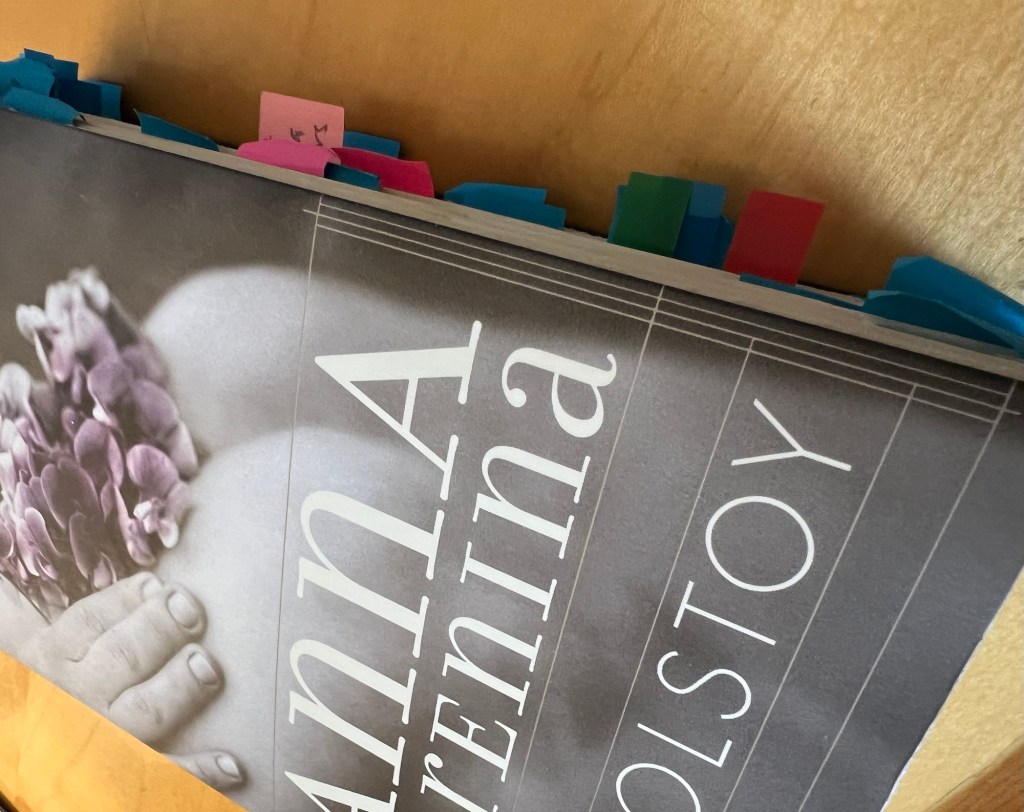
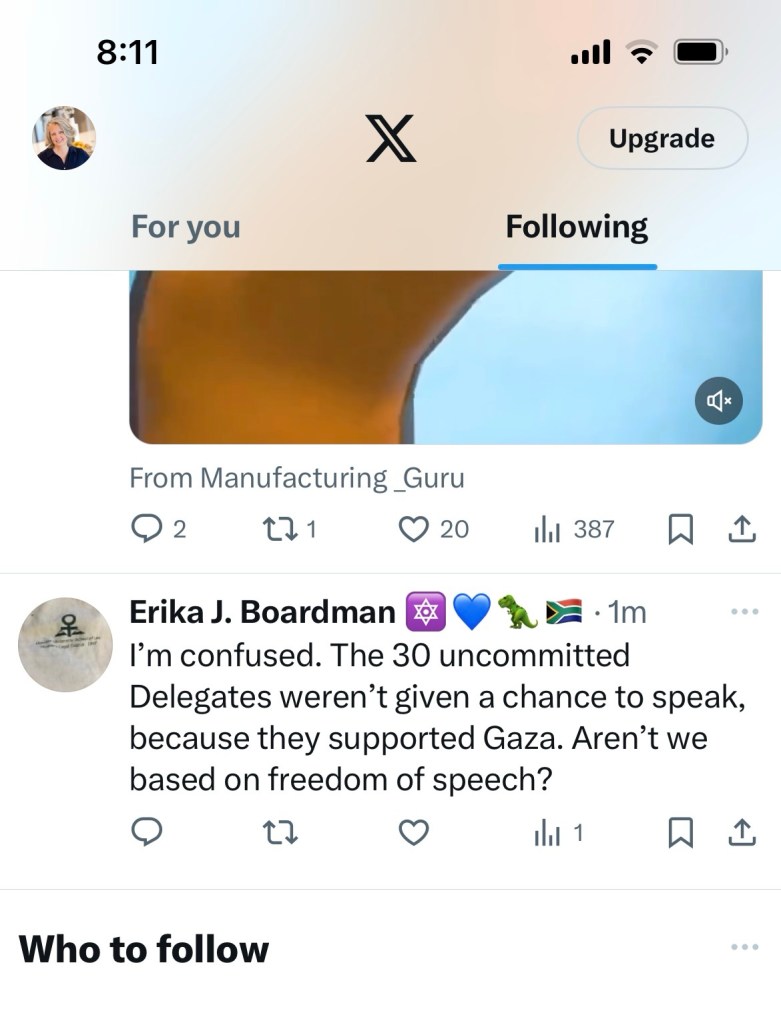
Amish pies fifteen dollars.

I swung through Sauk Centre recently and took a picture of the birthplace home of writer Sinclair Lewis (1885-1951). It’s hard for us to imagine how popular his books, Main Street, Babbitt, and others were back at the beginning of the twentieth century. They were immediate hits, turning the small-town boy into a millionaire.
He was born to a doctor and his wife in 1885 in this home in a town which then was home to about sixteen hundred residents.

The detail work on the structure is notable for a home of this period. The balustrade along the porch roof, a frieze below its eaves, the dentil work, and scrolled corner brackets. The windows are topped with a cornice and sided by shutters. One must wonder if immigrant labor from the old country was put to work in creating such ornate structures. The timber most likely arrived on the railroad tracks which ran through town less than three blocks away. The rail bed is now a regional bike trail facilitating a different type of traffic.
It’s a handsome home. At the time it was built, there was no electricity. That would have come later. The roads were dirt, and in the back stands a structure more attuned to a small barn, most likely designed for a carriage. The turn of the century brought all sorts of technological improvements from plumbing, to windows, and lighting. Foundations changed from dugout cellars to functional deeper spaces. But whenever I see the attention to artistic accents on the Victorian era homes, I have to think there was an extra pleasure in their creation.
The town is only three times the size it was back when Lewis exposed the stifling discomforts of small-town life. In a way, he is similar to his peer Zora Neale Hurston (1891-1960), who wrote about her youth community in Florida, telling of insights some would prefer not be exposed. Norms are meant to be understood and followed but not openly discussed in good company.
In 1986, a young Whitney Houston captivated audiences with another breakout hit, How Will I Know. Before she gives in to her passionate feelings for the object of her desire, she wants reassurance. She wants to be sure the love in her heart is not leading her astray.
In the refrain, she tells us, ‘Don’t trust your feelings.’ Apparently, the moment of passion is not always a reliable barometer for stormy weather. ‘Love can be deceiving.’ When triggered by a natural impulse, the urge to rush in may lead one off course.
Following your heart, or your passion, is a tricky business. The natural inclinations to react in an altruistic manner may also lead to misgivings. How do we know who should step in when a family is in turmoil? Should it be presumed that a vagabond would be happier in a group home? How do we know who truly needs help and who is an opportunist?
The video tells us more. There’s a moment when all Whitney’s peeps are on the phone. I assume she’s calling her gal pals for advice on the object for her affection. She asking them, how will she know? And I think she is on the right track. Most people look to their peer group to decide how they know who needs help and who’s fine in the moment.
It was Pioneer Fest in Perham this weekend. Summer is a great time to give people a reason to get out and about and visit rural communities. Historic parks, such as these, also offer reminders of how standards change over time.

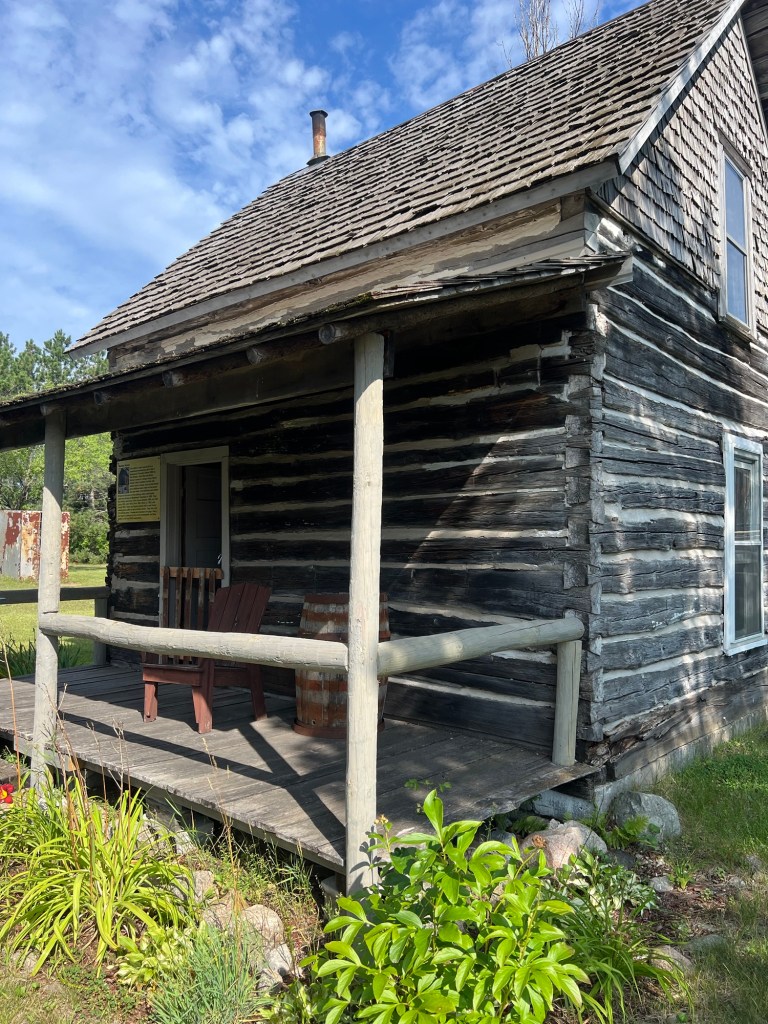

This seems to be a popular question these days in light of the new US VP candidate. Those who would like to stress the decline in the quality of life in Minnesota post photos of homeless tents cropping up on vacant forty-foot lots in the city. The chaos, litter, and disorder represent a decline in street life since the summer of 2020 following the riots. The images are current. There is an ongoing whack-a-mole operation underway as neighbors have become tired of the issues around tents in their communities. The city moves them from one location only for them to relocate ten blocks away.
Those who like to stress the beauty of Minnesota post this type of image:
This portrait of a city framed in greenery, wildflowers, and water is not at all unusual or hard to come by. The Mississippi runs through the city, and twenty-two lakes lie within its boundaries. One hundred and eighty parks surround water features, old-growth trees, or grassy play fields, and fifty-five miles of walking and biking trails connect the system. The over seven thousand acres of public space started in 1856 with the donation of Murphy Square.
But here’s the argument that the recent unrest is unsettling. What people point to as the best features are those which were initiated over one hundred and fifty years ago. These whispers and aspirations took decades to initiate, then decades more to shape and form, then decades more to maintain and develop into a system for perpetual use. The photo exemplifies consistent and long-term commitment to this support.
Posting an image of an urban amenity that was decades in the making is an argument against the recent tolerance for civic destruction and unrest. There’s only so much public capacity. If it is drained in one area, then eventually, over time, other public amenities will fall to the wayside and deteriorate.

If people can’t handle the truth (as Jack Nicholson is known to have said) then what will the new standards be? When will the slip up, the mispoke, be called out as a flat out lie?
It is not uncommon for people to misspeak. In thinking about the next thing to say, instead of “blue” you say “red”, or instead of “east” you say “west”. Few will object to a proper slip-up. It’s unintentional. It’s sloppy but harmless. But what about slipping up twice on the same word, or twenty times? When does the use of an incorrect title which embellishes one’s position and stature in a hierarchical system become more than an oops?
There should be some rules to such things. After all, you can’t go around calling out “liar, liar, pants on fire.” Nor is it always appropriate to blurt out a truth. It’s like the spouse who steers clear of the question, “Honey, do I look fat in this outfit?” Here a white lie gets you through the moment of insecurity and lets the evening proceed without an analysis about what one should do about a few extra pounds. Here no one gets hurt, in fact the couple is better off.
So is that the new rule? If no one gets hurt, letting a deception fall to the wayside is not a big deal? Who would care if your twelve year record in the girl scouts was real? Well, if you were making decisions about the future of the scouts, people in the audience may place more value on your opinion given a long-standing relationship with the organization. That’s how people make decisions. They gather information from reliable sources before taking action. Most feel firsthand knowledge is more reliable than outside opinion, so a long-standing interactive relationship lends credibility to a point of view.
It’s a theft in a way. People rely on product information before they make a purchase. They take action based on the material attributes of the product. If people are choosing their public goods, they should have access to a similar level of product information to a degree of reliability. Where the public will settle on the acceptable level of truth-telling is yet to come.

I’m getting a kick out of the weird word. Being weird is not that hard to do, especially when people give you bad advice. Like, always tell the truth. The truth in business is often not what your boss really wants to hear. Nor is it what the local politicians want written on the front pages of the paper. They want the narrative, whether it is the one that makes the boss look good or the politician. They need the narrative.
Asking for an explanation is also not popular. People do not want to explain why they do what they do or they prefer what they prefer or they feel inclined toward a certain outcome. It’s simply understood.
I like the whys. I’ve spent my life asking why. Here I am at a young age looking for a response from a nice lady in red. My one brother sings ‘la-la-la-la’ so he doesn’t feel the discomfort of the lady grasping her ever-tightening hands. My other brother looks off, cute as aways, playing the knave. Undoubtedly the lady in blue is thinking, ‘she’s an odd little girl.’

I don’t regret being weird for a minute. Looking for answers is the most interesting pastime.
The tragic outcome of opioids:

Cynthia Tu went through the Minnesota Health Department’s records to compile the data and reported her findings here.
How would that work exactly, an efficiency commission? In the business world, when the system is open and monopolies aren’t gumming up the flow of things, new entrants keep prices lean by undercutting the legacy companies, while maintaining a high enough price so as not to go bust. This tension is how people trust that they are paying a competitive price.
When groups or governments come up with pledges to jointly pay for goods and services, the obligation to purchase distorts a more fluid and flexible exchange. It also can set up a fictitious demand, as in the Feeding our Future Fraud case. The knowledge that the funds would arrive gave a financial incentive to fabricate the hungry kids who demanded the meals.
Another inefficiency appears in the form of joint missions, also known as mission creep. For instance, a government acquires a property in poor condition. Instead of bringing it up to the standard that most of the nearby residents would do if it were their home, the government entity goes over and above, not by a little but perhaps by three times the expense of average expectations. “Because it is the right thing to do.”
There are two counting mechanisms that could help an efficiency commission discuss examples such as these. The first is to count the population of the end recipients or receivers of service. A simple demographic count of the kids meant to be served would have immiediately revealed the fraud that led to the theft of $250 million from Federal subsidies. The state demographer has those numbers. It’s not hard to add.
The second example requires a comparison to the average typical repair for the area. Many home repairs and services vary in price. Should a homeowner go with the highest efficiency model, or is 80% high enough? It seems that the likely answer lies with the community of like-minded folks and not the bureaucrat. Wouldn’t it make most sense to spend the money in the fashion that a conscientious owner in the neighborhood would choose to do? After all, they’ve gone through the scheme of pricing and comparing.
Those in charge of public dollars should be vigilant to avoid being taken for a ride, as well as in line with the spending expectations of their constituents.
Basketball player Brittney Griner spent ten months in a Russian penal colony for being caught at the Sheremetyevo airport with e-cigarettes with cannabis oil in her luggage. The experience may be the reason for her emotional response to the playing of the national anthem while on the podium at the Olympics.
It’s easy to take for granted what is so familiar to us. Coming into contact with dire regimes across the world most often causes people to appreciate the standard of living in the US, despite the problems here. When it doesn’t, be wary.
I hope all goes well in the primaries tomorrow.
I really enjoyed this movie, and it’s been a while since I’ve hit on a winner. Full disclosure, I’m a Clint Eastwood fan and found it by searching his large portfolio of films. I also like Laura Linney, who did a fine job. Gene Hackman, Ed Harris, and Judy Davis all came through in their performances as well.
The story is based on a book by David Baldacci and will keep your attention. I also appreciated the balance of enough show and tell to make a point without overt violence or gore. A little can be a lot, and certainly enough.
The most valuable aspect of the Fergus Falls Hospital is the apparent lack of objection by the community to being neighborly with a spectrum of individuals under the auspices of mental illness. For over a century, the facility housed a tenth of the town’s population.
Imagine, for the purposes of conversation, that returning the hospital to a newly renovated in-patient treatment facility would allow for a capacity of five hundred residents. Now imagine the alternative. How much time would be required at city council meetings to obtain neighbors’ approval to house five hundred residents in group homes of fifteen residents, or thirty-three sites. It’s mind-boggling, as more often than not the site will not pass the NIMBYs, and thus the process would start over and over again.
The stories told during the tour of the historic complex included tales of interaction in the town of Fergus Falls. Some residents simply walked off the campus and were not pursued. Some residents were gregarious in their interaction with visitors on the long grassy lawn in front of the entrance of the building. But there they coexisted, the residents who lived in the facility over one hundred and twenty-five years and the townspeople of fifteen thousand.
I overheard bits of conversation after the tour guide had wrapped up his talk. A nurse who had started working at the hospital in 1977 was relating some of her memories to a cluster of silver-haired women. A man of a similar generation shared that he had lived on site in his youth. The reality of people’s stories is never as frightening as what is envisioned by a neighborhood asked to become host to this group of society. The reality is far more banal and empathetic.

It’s hard not to believe that the hospital brought many a profession or at least a stable job with a pension. Although not near a bustling metropolis, the area has many beautiful natural features in its lakes and open spaces. For those interested in the outdoors, hunting and fishing, there isn’t a better place to be. For those who enjoy a nestled small town atmosphere or space that acreage living affords, this is where you can find both. A housing and professional facility for those who now live under bridges and in tents on concrete curbs could bring solace to the residents and an income for local residents.
The town not doubt has a mix of good memeories, humorous memories, and undoubtedly some bad ones. But never has it been said or implied that the hospotal closed under pressure from the nieghbors.
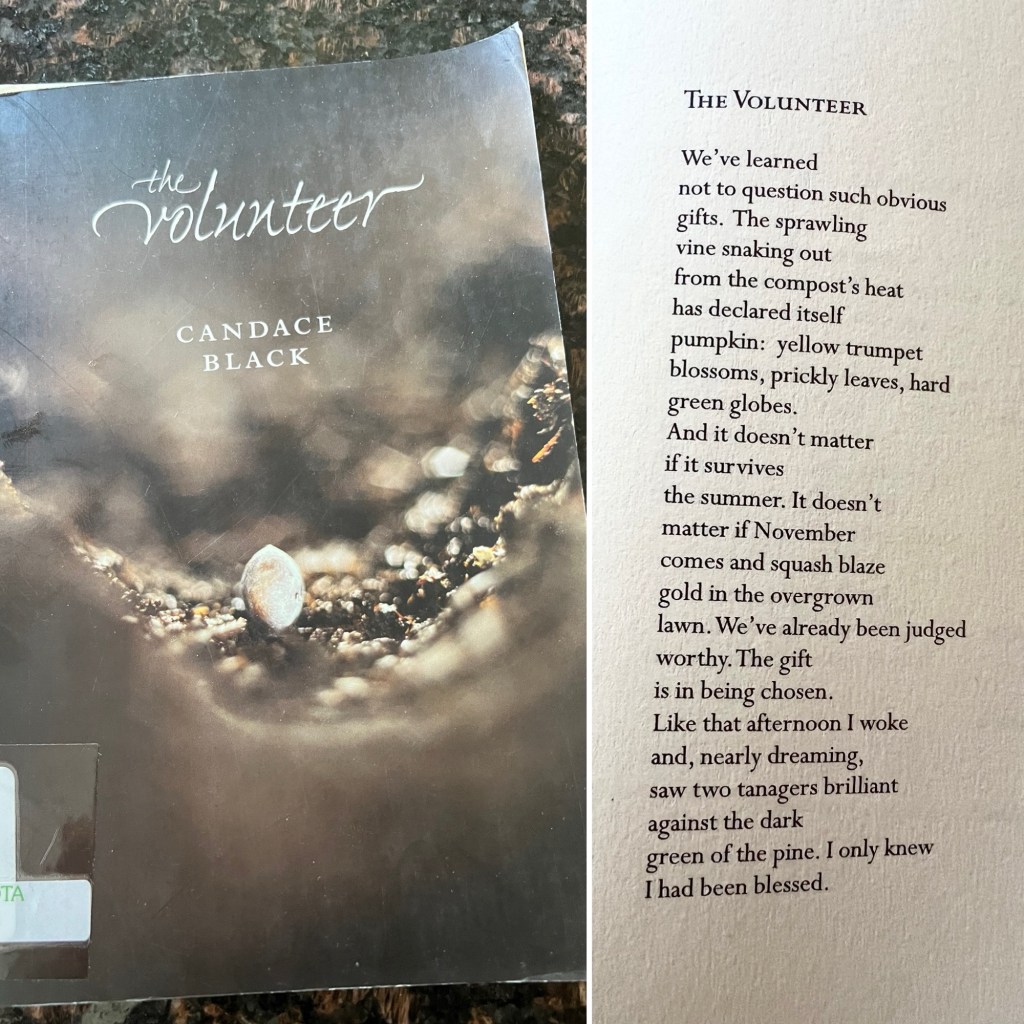
Before rehabbing a structure, most owners consider how the building will be used. With high vacancies in the downtown business districts, some folks are suggesting the commercial buildings be converted to residential units. It doesn’t take much imagination to understand the impracticality of changing around floor plans from acres of cubicles to one thousand square foot residences with a couple of bathrooms, a kitchen, and outward-facing windows. It’s not impossible to change the use from office space to living space, yet a momumentous task.
The hospital housed the patients, so it is more akin to residential use. The buildings are grand.

There are historic photos of wards lined with beds, which would no longer be acceptable. Instead of 1900 residents, perhaps the space could accommodate 500 in order to comply with modern standards for living space. This would still be a sizeable project. I’m wondering though if the building would appeal to the mainstream population? It seems people would have a difficult time shaking off thoughts of the mental illnesses formerly contained within its walls. Although the structures look like dormitories in a liberal arts college, details like bars on the windows are reminiscent of past occupants.
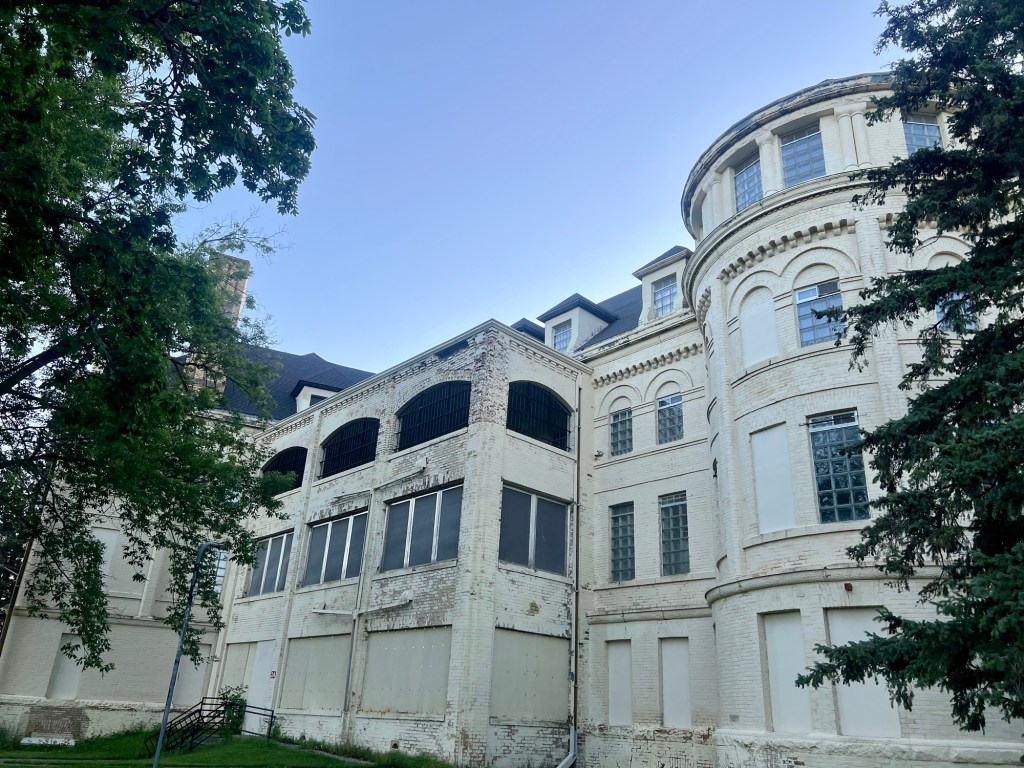
It seems like the best use for the complex would be for housing folks who are presently suffering from homelessness and mental illness. It’s quite a step up from the tent encampments being dismanteled daily in the core cities.
There’s been a debate in MN for the past six years around media bias in favor of the Governor and his party. With national and international focus on our fine state, the debate may be settled, or at least fine tuned.
The topic of the day centered around implied combat service by the Governor. Those types of aggrandizements would not have been called out by local media. Now we see full coverage such as this report by CNN.
https://amp.cnn.com/cnn/2024/08/07/politics/tim-walz-military-record-vance-attack
What will tomorrow bring?

In a rural county seat, two and a half hours northwest of the Twin Cities, is an arc-shaped building complex that housed mentally ill patients for a century and a quarter. The state hospital was decommissioned in 2007. It is owned by the city of Fergus Falls and now sits vacant, waiting for news of its destiny.
Although the buildings were maintained as long as they were used, a building of that age requires on-going maintenance. Older buildings often are more expensive to keep up as one project leads to another and the standard products and sizes which were used at time of construction are now special orders and customs fits.
Infrastructure, like pipes, electrical and safety measures also age out of their useful life. Take the orange column in this photo.

It reminds me of those chutes they set up in high-rise buildings when they are remodeling. But no, it is not a trash chute. The guide on our tour of the site said there are slides inside those rusty tubes so residents could slip out and evacuate in the event of a fire. Somehow, I’m not sure if they would still meet code.
Renovations cost money. New construction costs even more money. Here’s a project in Austin with no historical appeal (those roof lines are very unpopular in MN!). The project still costs $600K per unit.
The long and the short of it is that the material condition of the buildings does not unduly affect their commodity value, if you will. The age of the structures should not deter a redevelopment in and of itself. The numbers will most likely fall in line with other residential redos.
Here’s the first page of a snapshot review prepared for the MN Senate Committee on Health and Human Services.

This data is for children specifically, but I bet the message for other groups is the same. There is a need for more services. The flow, as with many socially supported endeavors, is the lack of coverage leads people to use more expensive services- in this case emergency room visits.
Do more today, to prevent expenses tomorrow.
Not just any asylum – one that was built in the middle of a farm field in a small Minnesota town on the railroad line between St. Paul and Fargo. The last surviving Kirkbride Building that was designed by Dr. Thomas Kirkbride: a complex of four-story structures creating an arc to maximize light and hence health benefits. At 700,000 finished square feet (TPT), the Fergus Falls (formerly) State Hospital is a lot to take care of.
If footage is hard to visualize, here are some comparisons as listed by The Measure of Things. The facility is three fourths as big as Alcatraz (960,000), two times as big as the Lincoln Memorial Reflecting Pool (339,000), and half as big as the Pentagon (1,490,000). In addition to the main buildings, there was a power plant, a gymnasium, a workshop, maintenance buildings, a rehab center, a nurses’ quarters, and acres of cropland which sustained the facility.
On a recent tour I captured a few shots.
Over its one hundred and twenty-year history, there were good times and bad. Built before the turn of the twentieth century, at its peak, it housed 1800-2000 patients. The years of overcrowding led to criticism, which in turn was addressed. The tour guide from the Ottertail Historical Society narrated a balanced set of stories from personal experiences as written in journals, to newspaper articles, to reviews given to the facility from state inspectors.
State-run institutions became an unpopular means of managing mental health patients starting in the 1980s. The trend at the time was to return individuals back into the communities for care. The hospital’s population decreased until it was closed by the state in 2007. Shortly thereafter, the property was sold to the city of Fergus Falls, a community of 14,000.
The conundrum now is what to do with these structures? A commercial building on an acreage site would get bought out and redevelopped, as is underway at the Prudential Site. Even when the buildings are in decent shape, the value of the land makes the numbers work to pull down the structure and replot the acreage for further development.
Over a few posts, I’ll discuss why this scenario is different. Of course, the location in a rural area, an hour away from the Fargo airport is a factor. The condition of the buildings comes into play in redevelopment costs. The historical designation impacts the outcome. So what is it? What is the highest and best use for a historic asylum?
Upon a recommendation from a friend, I’m delightfully plowing through Anna Karenina. I had yet to tackle the great Russian novelists, and now I see I’ve been missing out. Tolstoy wrote AK over a four-year period in the 1870s, with its first publication appearing in 1878. The title may lead one to think the story is only about a socialite who betrays her husband, but this is not the case. Over the nearly one-thousand-page book, Tolstoy touches all layers of Russian society and a great many facets of human nature. It is a remarkable book.
On more than one occasion the author distinguishes between private interests and public concerns. Levin is a country squire who is preoccupied with bringing agricultural pursuits to a new level. He contemplates all angles of farming. In particular, he expresses a need to invigorate the ambitions of the labor force. Tolstoy depicts various arrangements throughout the novel, including a family farm, hired workers, and leaseholders. It’s important to note that the emancipation of the serfs happened in 1861.
He is desperate to engage the workers for his estate, to key into their motivation. Here is how he frames his ambition:
I need only push on steadily toward my aim and I shall achieve it,’ he thought, ‘and it is worth working and striving for. It is not a personal affair of my own but one of public welfare. The whole system of farming, and above all the position of the people, must be completely altered: instead of poverty – wealth and satisfaction for all; instead of hostility-concord and a bond of common interest. In a word-a revolution bloodless but immense; first in our own small district, then throughout the province, throughout Russia, and the whole world-for a good thought must be fruitful. Yes, it is an aim worth working for! The fact that the author of it is myself, Constantine Levin,…
For Tolstoy, a combination of motive in the private and the public is possible.

Government is really good at saying ‘no.’ Rule-making is all about saying “don’t do this” and “don’t do that.” Sometimes solving problems means saying yes. Like, yes, we can fix that stinky, polluting car. In steps the philanthropic entrepreneur, Environmental Initiative.
Launched in 2017, Project CAR works with local car repair shops to cover the cost of fixing emissions control and exhaust systems for qualifying lower-income Minnesotans. Nearly 600 cars have been repaired since the program began, eliminating 32 tons of emissions. Project CAR is focused on fixing the estimated 25% of passenger vehicles that cause 90% of vehicle air pollution in Minnesota.
Folks who are driving the car which contributes the most to declining air quality are also stretched by other priorities.
Cathy Heying, executive director and founder of The Lift Garage, an established partner of Project CAR, praised the program’s expansion, expressing enthusiasm for the collective impact such partnerships can generate. “Customers come in with all sorts of needs, and, often, environmental impact is not their top priority due to cost constraints. So, this program is amazing because customers want to do the right thing for the environment and this program allows them to do that while also improving their car’s functionality,” she said.
This non-profit ends up offering a two-for-one. They provide people with transportation to go about their daily lives and they reduce a negative externality to the local public. All this without interfering with the owners’ everyday flow of finances and obligations.
What other low hanging fruit are our there for the entrepreneurs to capture?

The Hennepin County Commissioners just voted to raise their pay by 49%. Sometimes this is justified, when the starting pay is unreasonably low. A large percent of a very small number is still a small number. But here the Commissioners were already at what people in this part of the US would consider a nice salary.
District 2 member Irene Fernando proposed the pay raise during Tuesday’s Administration, Operations, and Budget Committee meeting. The proposal would increase the current salary cap for commissioners from $122,225 to $182,141.
According to Fred, this figure is double of the per capita income in the state.

The commissioners stated that this new amount brings their wage in line with other county executives. But is this a fair comparison? Should elected officials be motivated to serve and then draw an adequat salary? Or should the salary be the motivator to run for office?
The Governor chooses to take home only $127K a year. He seems to think that part of the prize is the job, not the wage.
A strong monetary motivation can also produce golden handcuffs. It’s commonly accepted that incumbent county officials (or city coucil people for that matter) rarely loose their position in an election. Their name recognition and familiarity with the constituents often secures their job. Is it a good idea to pay out a salary that would be tough to duplicate elsewhere and thus encourage someone to stick with it once they’ve lost interest in the spirit of the work?
When I was young, I often heard that jobs from teachers to government positions were done with a spirit of public service. That generation appears to have retired from the workforce.
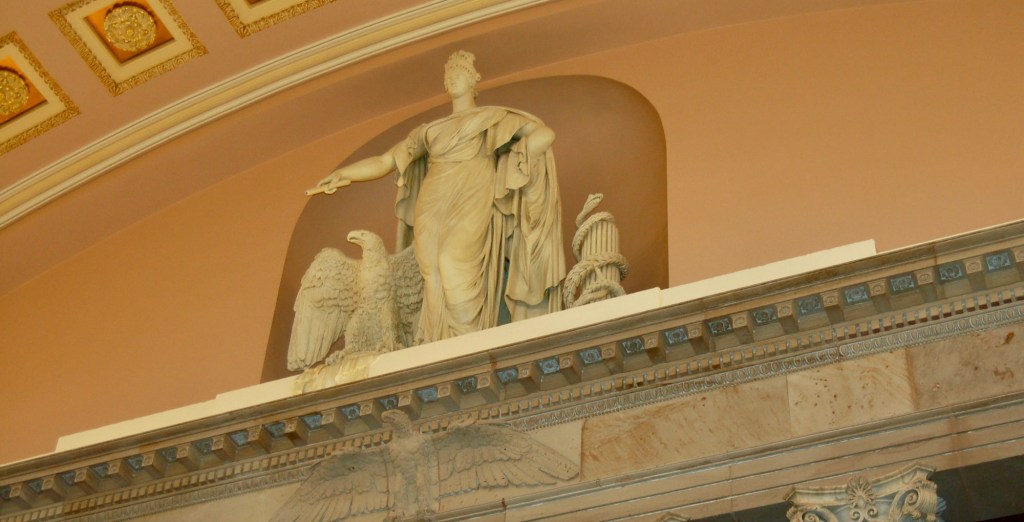

The Savior must have been
A docile Gentleman—
To come so far so cold a Day
For little Fellowmen—
The Road to Bethlehem
Since He and I were Boys
Was leveled, but for that ‘twould be
A rugged Billion Miles—
Often, the merits of a transaction are given from the perspective of a single agent in the trade. An assembly line-worker lost their job when the plant was moved to another location. This is bad. The worker suffered a loss. Quickly, within sentences, the effect is generalized to all the workers in the plant, town or even region. The Experience of the middle aged white guy who is difficult to retrain and find meaningful work of the same quality is the catalyst for all sorts of feelings and demands for government intervention.
Do you see the slide? From a valid totaling up of wins and losses for one individual turned into a model involving segments of society.
It’s important to declare which model is in play as this dictates whether the players are individuals or groups, whether the tally of net benefit or loss is assigned to one or to many, and perhaps most interestingly the flow of reaction and counterreaction as value settles in the system. More interesting insights surface when consequential outcomes are looked at in a flow of events.
Think back to the time of the 2008 recession. Say one buyer purchased a home at the peak of the housing market with a three-year adjustable ARM. When the ARM recalculated in 2011, the buyer’s payment adjusted upwards to an amount beyond their ability to pay. Due to the recession, the value of the home had decreased below the mortgage balance. The buyer ends up in a familiar situation at that time and loses the property to foreclosure. This is a clear loss.
But say every other homeowner in the neighborhood had owned their homes for more than ten years. None of them were interested in selling until after 2015. These individuals realized no impact from the value changes during the recession expcept to see their assessed values decline resulting in lower property taxes. As a neighborhood the effects of the recession were uneventful.
In the plant closure story, there were most probably workers who ended up better off for the closure. Perhaps it encouraged them to return to school to achieve an updated skill. At the other end of work life, perhaps someone nearing retirement ended up with a more favorable retirement package. Getting people to think of workers as a mass might be useful for unions, but loses a finess of obeservation for analysis.
It seems, to have a profitable discussion, one must pick a playing field. If you want to pick a town, then the players are all the workers, their economic impact on local services, and the support available through the municipality’s local services. Who netted out what and where did the money settle in time periods 1, 2, and 3 following a plant closure. If there was a draw of support from a higher level of governance, maybe the playing field needs to be moved up a rung to the county level, or to the region within the state. The players then get expanded to blend in other economic agents and their positive and negative tallies.
Instead, the story is usually told like some mid-19th century Russian novel. The peasants were persecuted and the capitalists must be blamed! This is not helpful.


I say, yes, without a doubt. Home-cooked food is worth pursuing.
I got wind of a family that was going through a rough time, so I dropped off dinner: a pan of chicken alfredo in penne pasta, Brussels sprouts, buns, and a pan of blond brownies (minus a test brownie to be sure it met grade). I wasn’t even out of their neighborhood before I received a thank-you text. And then I heard later through mutual friends that the food was deemed delicious.


An unexpected gift is often a delight. A gift of a meal just as one is getting hungry is bound to taste better than reheated leftovers. Still, I believe the appreciation for the food is in part because it did not arrive in takeout boxes.
If one is a careful counter of costs, then one will be impressed by the price difference between made-from-scratch and prepared foods. It is substantial. There are lots of financial incentives to spend a little time with the church ladies’ cookbooks and fine-tune a repertoire of family-friendly options. I’d guess, on average, the ratio is 1:3 or 1:4, even with substitutes like Subway. It’s simply so much cheaper to learn to cook!
I won’t sugar coat the drugery of the educational experience. The peppering of complaints from the kitchen table of a missing this or a what if you tried that can almost push one over the edge on the right day. The hang time is worth it, though. When they return from college campuses begging you for a home cooked meal you are blessed with one more affirmation that you did something right. Vindication comes in many forms.
A local writer-comedian asks on X:
Here are some of the eighty-four responses which rolled onto the thread in just a few hours.
The benefit to volunteer hours is that at every donation an individual evaluates the worth of their time against the mission at hand. This anarchist form of dispensing goodwill will never exceed the need and hence avoids fraud. It also is given with the lowest possible overhead.
Zoning is not a taking by the government. Zoning is a means for a population to control the neighborhood where they live. Whether they bought into the single-family setting, or whether they zoned the corner bar out of their neighborhood, it’s the neighbors’ call.
There’s no shortage of desire for control. So accept zoning. It’s here to stay.

That’s what Michel de Montaigne thought about.
Montaigne was not pitying himself; rather, he was using the criticism of more ambitious contemporary works as a symptom of a deleterious impulse to think that the truth always has to lie far from us, in another climate, in an ancient library, in the books of people who lived long ago. It is a question of whether access to genuinely valuable things is limited to a handful of geniuses bom between the construction of the Parthenon and the sack of Rome, or whether, as Montaigne daringly proposed, they may be open to you and me as well.

Vacant properties are not popular with municipalities. Cities create a vacant land registry to keep a running log of properties that do not host residents. Here are directions from the town of Brookhaven New York.
There is no longer a requirement to submit a notarized application or payment through the mail – it is all available online. The cost to register is $360 for the year and can be paid through our secure online platform.
Please be advised, that any owner, or agent of an owner acting on behalf of the owner, who fails to register a vacant building or to pay any fees required to be paid pursuant to the provisions of Chapter 87, within 30 days after they become due, shall constitute a violation punishable upon conviction thereof by a fine in the amount of not less than $1,000 nor more than $15,000 for each failure to register, or for each failure to pay a required vacant building registration fee.
The amount of the fine implies that full buildings are of value to the hamlet. Perhaps, in part, this is due to the services a resident will take up once they walk up their sidewalk every day to their front door. Perhaps having people come and go in the neighborhood keeps everyone more secure. Here are the benefits as expressed by the bureaucrats.
Registrant’s point of contact will be notified by phone and/or email of issues that may arise such as:
- Property maintenance (tall grass, litter on property, etc.)
- When the Town is notified by law enforcement of unauthorized occupancy
- If property becomes unsecure.
When properties are registered, the Town will have contact information and will have the opportunity to notify the owner/property manager to correct any issues before taking action. This will save the property owner money.
The city of Miami goes one step further and requires the owners post a no-tresspassing sign and authorize their police force to enter the property should a need for their services become apparent.
Install No Trespassing Sign
Once you’ve submitted your forms, you’ll need to install a No Trespassing sign on the property (this can be any sign purchased any where).
Although it may never cross your mind, your comings and goings every day in your neighborhood and place of business are a public service.

BTW- National averages are less than helpful. The Great Recession taught us they can be outrightly deceptive.
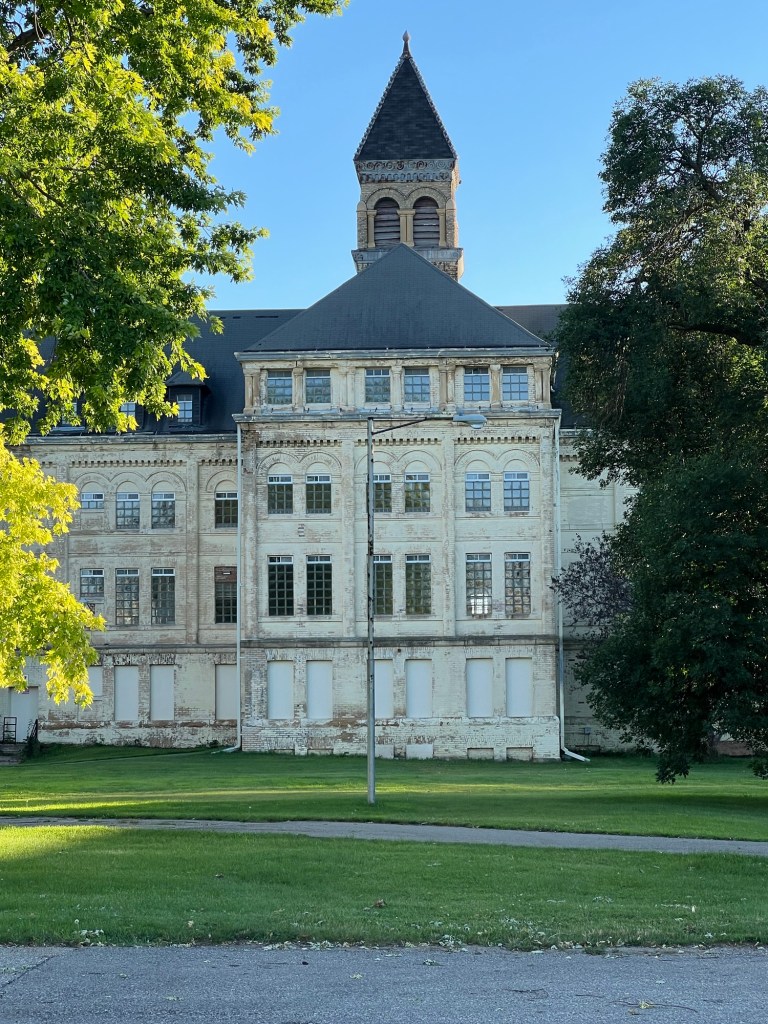
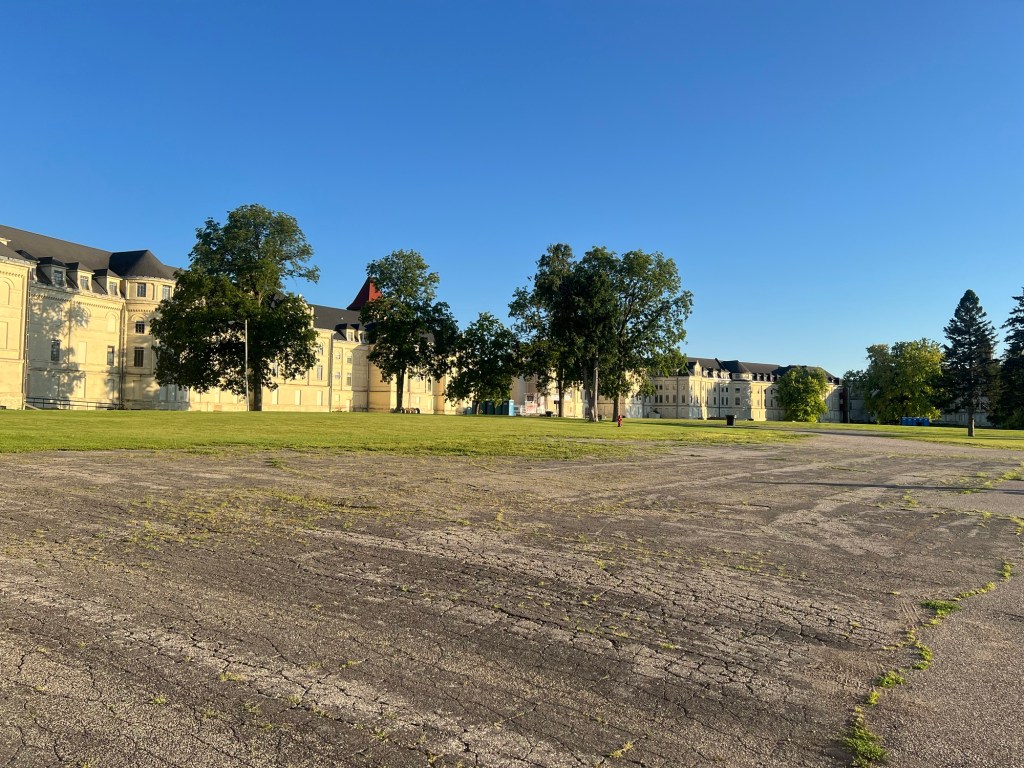

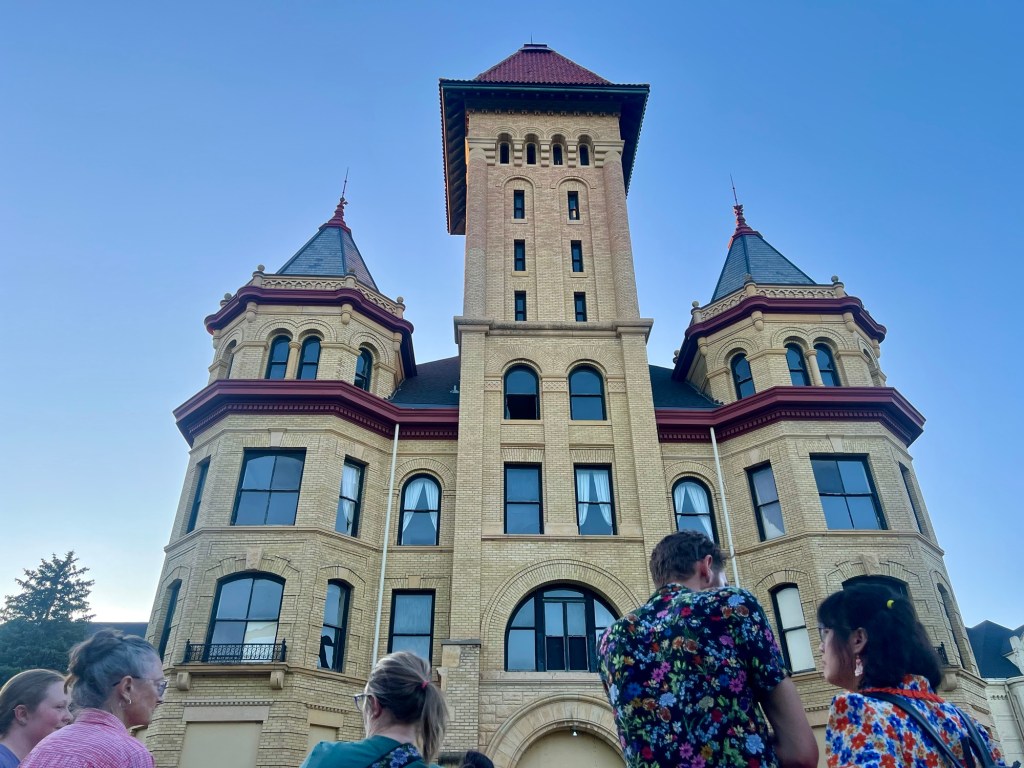
 Home Economics