Most municipal housing analysis organizes everything around income bands — 30% AMI, 50% AMI, 80% AMI. These are federal eligibility thresholds, not human descriptions. They tell us what a household can afford in the abstract but nothing about who they actually are, what they need nearby, or how stable their situation is likely to be.
A better approach matches specific household archetypes to specific housing stock in specific locations. A single mother with a housing voucher doesn’t just need an affordable unit — she needs that unit within walking distance of an elementary school, a bus line, and the social services her family relies on. A young service worker couple needs a rental near the Highway 55 employment corridor, not a subsidized senior building across town. An elderly renter on fixed income needs proximity to medical transit, not a unit that looks affordable on paper but isolates her from the care she depends on.
This kind of intentional matching also multiplies the impact of the community’s voluntary infrastructure. When households are correctly placed, the tutoring volunteer at the neighborhood school reaches the kids who need her most. The volunteer driver picking up elderly residents for medical appointments serves a cluster of neighbors, not a scattered handful across the city. The food pantry, the after-school program, the church that quietly helps a struggling family cover a utility bill — all of these work harder and reach further when the people who need them most actually live nearby.
Getting housing placement right isn’t only about affordability. It’s about making sure that every dollar of public subsidy, and every hour of community generosity, lands where it was always meant to go.
Russ: So, what do you mean by ‘the rules’ part? In what sense is–explain that. Guest: Well, I think, the rules come from–for example one sort of rule comes from this first proposition, where actions of a beneficent tendency to proceed from proper motives alone require reward. Well, the rule that people generally follow is to reciprocate kindness. Okay? So, that’s a kind of rule that you get from Adam Smith. And also, he has another proposition, which is the reverse of the beneficent. And this has to do with the hurtful action. He says,
Actions of a hurtful tendency which proceed from improper motives seem alone to deserve punishment.
In other words, what does it mean to be improper? Well, you intended to be hurtful. If it was just an accident, um, Smith says, you know, if it was just an accident, that’s different. But if it’s intended, then this is hurtful. And people feel resentment to that. Just as they feel gratitude toward actions that intended to be beneficent, so they feel resentment when you deliberately make a choice, take an action that is hurtful to me. And that excites resentment, Smith tells us; and I am motivated–if I have an opportunity, I will punish you for that. And that, by the way–that proposition is the basis of property rights in The Theory of Moral Sentiments. The Theory of Moral Sentiments develops beautifully a theory of property rights, and it comes from that second proposition. And it’s because we have these rules in our small group to respond in a resentful way toward deliberately hurtful actions, he says, When it comes time for civil government we just move those rules over and they become the law. You see. The law originates long before, in cultural groups, long before we have the civil law of government. And he develops that, very, very nicely. He says it’s kind of a–it’s not only a motivation to punish from resentment, but it’s sort of a proportional punishment, you see, depending upon the severity of the resentment. And he says this is why, under the civil order of government, that murder has the greatest punishment. Because what could be more serious than murder? And he also points out that, in that development, that theft and robbery carry a greater punishment than a violation of promises. In other words, contracts. And he says, Why? He says, because robbery and theft take from us what we have already acquired. Violation of contract merely frustrates our expectation of gain. Okay? And he says that’s different. And indeed, theft and robbery are criminal offenses. Violation of contract are only civil offenses. You can get redress, of course, but they are considered less serious. And he gets that from another fundamental proposition in Adam Smith, and that’s the asymmetry between gains and losses. Russ: It’s incredible. Guest: He says, we suffer, and I can tell you this one almost verbatim: He says, ‘We suffer more when we fall from a better to a worse state than we ever gain when we arise from a worse to a better.’ And he goes on, explains this, that it’s loss of fortune, of reputation, of esteem. I mean, it isn’t just money and fortune. He mentions, as I recall, three other things, but they have to do with our rank, our status–
The threat of loss can be a greater motivator than the potential of a gain.
Pete Boettke recently gave a talk about price theory. I love this bit about underlying variables. Listen 12:38-13:48.
The standard treatment of institutions as “rules of the game” is essentially static — it tells us what constraints are in place, but not why they persist, intensify, or dissolve. A more complete account requires treating shared objectives as the generative core of institutional life, and voluntary time-and-effort allocation as the price signal within the group that tells us how much those objectives are worth to members.
Consider: individuals do not sort into groups randomly, nor purely by material incentive. They sort by objective-fit — the degree to which a group’s collective purpose aligns with what they are trying to accomplish or become. This is praxeological in the strict Misesian sense: every hour volunteered into a church, a guild, a political movement, or a commons-governing body is a revealed preference for the objective-bundle that institution represents. Time is the least manipulable of resources — it cannot be borrowed against or subsidized — so voluntary time allocation is arguably the most honest signal we have of how individuals rank competing institutional commitments.
This has a direct and underappreciated implication for asset pricing. The assets governed by a group — whether land, reputational authority, epistemic legitimacy, or physical infrastructure — do not derive their value solely from their productive characteristics. They derive value from the depth of commitment surrounding them. An estate governed by a thriving, purpose-aligned community commands a premium not merely because it is productive, but because membership in its governing structure confers access to a bundle of shared objectives that individuals have already revealed they value highly. Conversely, when voluntary effort drains out of an institution — when members clock in but stop investing — the asset governed by that institution begins to reprice downward, even before any formal rule change occurs. The legitimacy discount precedes the market discount.
This reframes what Boettke calls the “underlying variables” in an important way. Property rights, norms, and enforcement capacity are not simply given features of the environment. They are continuously reproduced — or eroded — by the flow of voluntary commitment into and out of the objective-bundles we call institutions. The price system sits atop this layer, and price signals in the external market partially reflect the internal vitality of the groups that hold the relevant assets.
The sorting mechanism is therefore bidirectional. Individuals flow toward institutions whose objectives they share and whose shared assets are appreciating in legitimacy-value. As they do, their voluntary effort deepens the institution’s governance capacity, which further stabilizes and potentially raises the value of associated assets. The inverse dynamic — exit, reduced commitment, legitimacy decay — is equally self-reinforcing. This is not merely path dependence in North’s sense; it is a feedback loop between subjective valuation, voluntary action, and institutional asset pricing that operates continuously and below the threshold of formal rule change.
The practical upshot is that you can read the health of an institution — and anticipate repricing of its associated assets — by watching where voluntary effort is flowing, long before markets or formal governance structures register the shift.
This is a story of a layer of social life that doesn’t appear in any contract, law, or job description — and yet, without it, the whole thing quietly falls apart.
Call it the system of imperfect obligations. No single person is required to act. No one is legally on the hook. But someone steps up anyway — and in doing so, they hold something together that would otherwise fracture.
You know these moments when you see them:
The stranger who jumps into a pond to pull out a drowning child. The passing drivers who stop at a roadside crash and stay until help arrives. The employee who becomes a whistleblower, knowing the personal cost, because the fraud had to be exposed. The friend who drives an elderly neighbor to chemotherapy every Tuesday — not because they were asked, but because someone had to.
None of these are rights. They aren’t enforced, and failing to perform them carries no legal penalty. They live in the space between law and love — the domain of norms, trust, and quiet expectation.
What’s remarkable is that this space scales. When a community of people consistently honors these unwritten obligations — not because they must, but because they understand that everyone benefits when they do — something more durable emerges. Consider diamond traders, who conduct enormous transactions on a handshake, backed by centuries of community reputation rather than legal contracts. When trust reaches that kind of density, informal obligation starts to function like institutional infrastructure.
That’s the hidden architecture. Rights protect us from the worst of each other. Laws keep order. But it’s the imperfect obligations — the voluntary, uncompelled acts of people showing up when no one technically has to — that make a community worth living in.
We don’t talk about this enough. Maybe because it can’t be mandated, it gets overlooked in policy. But cultivating it matters: in how we raise children, build organizations, and decide what kind of neighbors we want to be.
The backstop only works if someone is willing to be it.
From The Road to Wigan Pier, from the genius of George, George Orwell.
There are in fact very few activities which cannot be classed either as work or play according as you choose to regard them. The labourer set free from digging may want to spend his leisure, or part of it, in playing the piano, while the professional pianist may be only too glad to get out and dig at the potato patch. Hence the antithesis between work, as something intolerably tedious, and not-work, as something desirable, is false. The truth is that when a human being is not eating, drinking, sleeping, making love, talking, playing games or merely lounging about – and these things will not fill up a lifetime – he needs work and usually looks for it, though he may not call it work.
I heard a story recently about that guy in the neighborhood. The one who tells everyone what to do. The garbage bins can’t be put out to the curb until after dark, unsightly as they are. Lawns are not to be mowed on Sundays– the noise unsettles the sanctity of the day. He had moved up north, they said, now that he was edging in on 90; he needed to be close to his kids. But for a couple of decades, he played sheriff of the neighborhood.
As it turns out, he also picked up some jobs. Like he would shovel out your driveway when the snow blew in on a clipper while you were up north for the weekend. A whole pack of dogs had paraded through his care. When asked, he’d water your urns full of annuals while you went to the Grand Canyon with the kids. So people along that road held back on hasty criticism of his bossy ways. One owner said she still questioned whether she should mow on Sunday even after he had left the neighborhood.
People have inclinations to play certain roles. Many are harmless. Some overstep into infringement territory. But given compensating factors, people find a balance. An acceptance.
SUNSTEIN: Low probability (that liberalism is self-defeating). The likelihood is that
1:04
we’ll be undermined by anti-liberal and illiberal forces, not self-undermining. I think it’s fair to
1:11
say or to worry that liberalism doesn’t create the conditions for its own self-perpetuation,
1:18
so it’s not as if it’s self-undermining, but it doesn’t necessarily maintain itself. The reason is
1:24
that a society that is flourishing needs a lot of stuff in it, including norms of cooperation, norms
1:32
of charity, norms of mutual support. Liberalism, in my view, doesn’t undermine those things,
1:39
but other forces can undermine them, and it’s not clear liberalism has the resources to respond
1:45
COWEN: When you say other forces, do you mean hostile foreign powers? Or there’s something illiberal in societies that is not sufficiently driven out by liberalism?
1:53
SUNSTEIN: I think there’s something illiberal in the human heart.
In these first few minutes of this exchange between the irreplaceable Tyler Cowen and famed legal scholar Cass Sunstein, the sketch of timbers supporting liberalism as a way of life is laid out. The structure must be conducive to all the stuff society needs. The boards must be placed in such a way as to allow the rules to expand out while finding a tension so as not to collapse on each other. The builders need resources, in the form of materials and their labor.
But be aware! The biggest detractor may reside in the human need to hide things from ourselves.
The Homestead Act of 1862 was a public initiative to make land in the middle of the US available to settlers at a very low fee. It encouraged the westward expansion by allocating 160-acre parcels of government-owned land to those who agreed to live on it for five years, build a home, and cultivate the land. By granting ownership after fulfilling these requirements, the US essentially gave away millions of acres to individuals who could prove up their claims.
This policy hinged on a belief that one could turn labor into assets. The government asked people to take their families into the wilderness, far from protective services, to live in caravans or sod houses until they were able to build little cabins, to clear land of growth and turn the soil into protective crop acreage. This exchange offered little in way of immediate return. And the most successful groups turned out to be from cultures of strong family networks for support and a willingness to live frugally in anticipation of a better future.
In truth, the bargain entailed even more. The government was basically asking people to not only see to their own needs on their claim, but to collaborate with neighbors in townships and see the roads get built, and the one-room schoolhouses be completed. In exchange for 160 acres of private property, sweat and toil had to also be dedicated to transportation infrastructure and provisions for education. These early settlers had to have had an enormous desire for a homesite.
I don’t know if such a government program would be successful today. It seems like a tall order. Yet it would be helpful to know at what point the average citizen can be energized to volunteer their labor in support of public infrastructure or support. When are they energized to provide aid in response to a neighboring disaster? What severity of wrongdoing triggers the impulse of an observer to overcome possible whistle-blower costs and report? Where are their public goods ready to be provided spontaneously and who can match that need with their labor?
Mark Gilson (@markwgilson) is a local data nerd on X. Mostly, he has concentrated on getting out small details of ons-goings at school board meetings. He’ll post things from the agendas or video clips from the meetings, which busy parents don’t have time to attend,
The recent fraud explosion has opened up a new lane for his skills. In a post today, he describes how he filtered a search of the local non-profit public filings to locate ones with out-of-sync attributes.
Using this technique and his data skills, he found this doosey.
Screenshot
But instead of the methodology to sweep the public records, what about the mechanisms that attract people like Mark to take on this job? Indeed, it has to do with the recent stepping down of the Governor from his reelection campaign. It was an admission of a loss of confidence, perhaps even wrongdoing. But what would it take for an everyday citizen to get involved sooner? The hanky panky has been in play for about a decade. Investigative reporters are meant to take on this exposé-type work, but they didn’t. Could there have been other incentives to engage other members within the group to play the heretic? Or is a society doomed to fail magnificently before a complete shake-down and repordering occurs?
If you’ve been taking the classics for granted, if you’ve been focusing on science, you are denying yourself insights into solutions.
—A submissive spirit might be patient, a strong understanding would supply resolution, but here was something more; here was that elasticity of mind, that disposition to be comforted, that power of turning readily from evil to good, and of finding employment which carried her out of herself, which was from Nature alone. It was the choicest gift of Heaven; and Anne viewed her friend as one of those instances in which, by a merciful appointment, it seems designed to counterbalance almost every other want.
J Austen reviews the intricacies of social decision making under constraints both natural and real.
At home-economic we think of work as an activity within an analytical structure which proposes that human action is propelled by two forces. The work often associated with volunteerism percolates along, driven by the desire to help, to impact more than oneself.
Aristotle has a different explanation and it is quite beautiful. He says that unlike a creditor (who only cares about the recipient because he wants to be repaid), “benefactors love and are fond of those they have treated well, even though they are neither useful to them now nor likely to become so later on.” He then says something a little shocking and quite extraordinary. The bracketed phrase is Leon’s:
“The same thing also happens with craftsmen; for every craftsman loves his own work more than he might be loved by that work were it to become alive. This is especially true, perhaps, with poets, for they love exceedingly their own poems, loving them as children. This is in fact also the case with the benefactor, for the beneficiary is the work of the benefactor; thus, the benefactor is fond of him more than “the work” [that is, the beneficiary] is of its maker.”
The theory proposed here, at home economics, is that there’s a nature to how people act to improve their lives. For lack of better names, activities occur in spheres with public-facing tendancies or private ones. When people operate for the group, they give to improve for an affiliated public endeavor, whereas the private sphere engages privately held resources to grow and gain.
I think this framing helps to explain the suggested paradox described in this Free Press article about a Chicago Trump supporter coming to the aid of Venezuelan migrants.
Aleah Arundale voted for Donald Trump, supports his decision to close the border, and may as well have introduced herself by singing “The Star-Spangled Banner” when we met at her front door in Chicago last month. She was wearing a white sweatshirt with “USA” plastered on the front, a sequined American flag skirt, heart-shaped red glasses, and bedazzled red and white sneakers.
She also has spent the last three years helping Venezuelan immigrants. It began when buses from Texas started dropping off people at a street corner near where Arundale’s daughter went to dance class, as part of Governor Greg Abbott’s expulsion of thousands of immigrants to sanctuary cities across the country.
When Aleah makes decisions as a Chicago resident, her choices are weighed out within that context. Her group interests lie primarily on her block or down the street. She can be pro-Trump and anti-everyone-else-outside-our-boundaries. This keeps her public dollars and work weighted to the local food shelf, her elderly parents’ care, or a literacy program at the public library. Any outside force taking resources away from these microtransactions is a competitor.
But then the immigrants are dropped off by the busloads, on the corner where kids get picked up by the school bus. They’ve switched groups. No longer are they an impersonal one of many in a faraway place; they’ve breached the group. They now rate as the most in need within this new framing. And thus, the mechanisms that drive the force for the good of the group are energized. Aleah gives the plight of the Venezuelians in some rank or fashion amongst her other commitments.
There are two things to see here. First– the framing of the group and thus its acknowledgement. Second, the lever for activating time, energy, and resources differs from the private sphere. Yet this all transpires through a juggle of tradeoffs trapped in a world of constraints.
A proposal for a 50-year amortization mortgage aims to make homeownership more affordable by spreading payments over a longer period, thereby reducing monthly costs. However, the trade-off is that borrowers would pay substantially more interest over the life of the loan and build equity more slowly. Advocates argue it could ease housing affordability pressures, especially in high-cost markets, and improve access for younger or first-time buyers. Critics counter that such loans may inflate housing prices further, extend household debt burdens, and delay financial stability. Overall, a 50-year amortization reflects a policy tension between affordability and long-term economic prudence.
Here’s a clear example comparing 30-year vs. 50-year amortization on a $350,000 home, assuming a fixed interest rate of 6% and no down payment (to isolate the amortization effect):
Loan Term
Monthly Payment (Principal + Interest)
Total Paid Over Term
Total Interest Paid
30 years @ 6%
$2,098
$755,280
$405,280
50 years @ 6%
$1,870
$1,122,000
$772,000
The 50-year loan lowers the monthly payment by about $228, but total interest nearly doubles over the life of the loan — a very expensive trade-off for the borrower in the long run.
Adjustable-rate mortgages offer another way to reduce payments, at least initially. ARMs typically begin with a lower introductory interest rate (for example, 5% for the first five years on a 5/1 ARM) before adjusting annually based on market conditions.
While ARMs can make early payments comparable to or even lower than a 50-year fixed loan, they carry rate-reset risk — payments can rise sharply if interest rates increase. Currently, availability is moderate: most lenders still offer ARMs (3/1, 5/1, 7/1 terms), but after the 2008 crisis, underwriting standards became stricter, and long-term fixed loans remain more common.
I’m all for offering a wide variety of financial instruments for consumers to use in the purchase of a home. However, over the long run, I don’t feel that the 50-year amortization allows for a sufficient paydown. As people navigate their lives, they count on the equity that accumulates through price appreciation and mortgage debt reduction. A healthy market is fluid, where people can buy and sell without being constrained by excessive debt.
I’ll make the claim that people find the market unaffordable because they don’t want to buy what is affordable to them. This is difficult to demonstrate without specifics. But each housing market has a range of price points. If folks are paying rent, then they are more likely to be able to acquire a property with a similar payment. They simply don’t want to live in that particular spot, or do the repairs necessary to improve it, or view it as a starter home from which they will move on someday.
First, a medical procedure’s success depends heavily on patient participation. The outcome hinges on whether patients follow their physician’s instructions, avoid harmful foods or activities, commit to their rehabilitation, and make necessary sacrifices for optimal recovery. A car, by contrast, operates on a predictable maintenance schedule—oil changes every 7,000 miles, new tires at 50,000 miles—and doesn’t require active participation each time you get behind the wheel to function properly.
Second, evaluating medical outcomes is inherently subjective, shaped by individual expectations and varying standards of success. A tangible good like a car, however, has objective, measurable qualities that remain consistent regardless of who’s assessing it or observing it.
Finally, medical procedures carry inherent risk. Unlike most purchases, where you start at a baseline and gain utility, healthcare interventions don’t guarantee positive outcomes. A procedure can result in complications requiring additional interventions, meaning you could begin at zero and end up worse off. There’s always the possibility of a negative outcome, which fundamentally distinguishes healthcare from consumer goods.
For these reasons, healthcare tends to be heavily influenced by social groups. Peer pressure encourages people to take care of themselves. Role models who demonstrate how to go the extra mile can influence and encourage patients to do the same. The extent of care may be directed in part by group expectations. But, the most significant risk with this over a car or other tangible goods, is that lack of care or poor care can cause the patient to go backwards and incur even more costs both to the body and the pocketbook.
On Fareed Zakaria’s show, GPS, this morning, guest Mai Hassan throws down a Trumpian challenge.
Finally, hundreds of civilians were massacred this week in Sudan’s Darfur region, a brutal escalation of the ongoing war in that country. Mai Hassan, a political science professor at MIT, sat down with Fareed to discuss how it got to this point.
She suggests that the US president has the power and influence to bring a peaceful solution in Sudan. At the margin, this conflict offers a better chance at that elusive Scandinavian prize.
I was digging around the county historical society lately because I thought it would be fun to find where my relatives made a land claim when they arrived in the US. Plat maps, which track ownership, were not updated on a routine basis in the days of primary forests and pioneer wagons. This one was done in 1884, and the next printed update didn’t get published until 1902. Even though the family of five children, all born in Norway, are said to have arrived in 1874, the family name has yet to appear here. It does in 1902.
What you do notice is the number of parcels denoted by St. Paul Minneapolis and Manitoba Ry Co. or St. P. M. & M. Ry Co. These parcels were owned by the railroad built by James J. Hill. The school land is also a major player. There were 168 schools in Leaf Mountain Township. The forty acre plots with no names listed, or US, are the ones open for homesteading. It seems the US government priorities rolled out in that order: transportation, education, and homesteaders to make it all work.
“Shop talk” means conversation about work or a particular profession, especially when it happens outside of work or in social settings.
It often implies that people are talking about technical details, jargon, or inside-baseball topics that only others in the same field would fully understand — sometimes to the boredom of outsiders.
Examples:
“Let’s not get into shop talk at the party — nobody else here wants to hear about accounting software.”
“Whenever those two doctors get together, it’s all shop talk.”
So, it’s basically work-related conversation among colleagues or professionals, often used with a slightly negative or teasing tone (“ugh, enough shop talk!”).
You said:
Name three reasons why an outsider does not follow the insider baseball.
ChatGPT said:
Here are three clear reasons why outsiders often don’t follow inside baseball (or shop talk):
Specialized Knowledge or Jargon – Insiders use technical terms, acronyms, or references that make sense only within that field. Outsiders lack the background to decode the language. Example: A software engineer says, “We just migrated from monolith to microservices,” and a non-tech person hears gibberish.
Different Context or Priorities – Insiders share a sense of what’s important in their work — the stakes, the rivalries, the subtleties. Outsiders don’t know why those details matter. Example: A debate about which research framework is superior means little to someone outside academia.
No Emotional Investment – Insiders are personally invested — their reputations, routines, and identities are tied to the topic. Outsiders lack that emotional hook, so the conversation feels dry or trivial. Example: Two chefs passionately argue about knife brands while everyone else at the table just wants to eat.
You said:
Take these three reasons- are they not the features of an institutional network?
ChatGPT said:
That’s an astute connection — yes, those three reasons are very much features of an institutional network.
Let’s unpack that:
Specialized Knowledge or Jargon → Bounded Communication System Institutions build and maintain their own languages — technical terms, shorthand, and shared references that mark belonging. This linguistic specialization not only allows for efficiency among insiders but also creates boundaries that separate members from outsiders. It’s a classic form of social closure: if you don’t speak the language, you’re not fully in.
Different Context or Priorities → Shared Frames of Relevance Institutional networks define what counts as important, legitimate, or meaningful. Insiders share a frame of reference shaped by the institution’s history, goals, and internal hierarchies. Outsiders, lacking that frame, can’t easily interpret why certain details matter. This is how institutions reproduce themselves — by shaping what participants see as relevant knowledge.
Emotional Investment → Identity and Belonging Institutions aren’t just about rules and roles; they generate emotional commitments. People’s sense of identity becomes tied to their institutional membership — whether it’s a profession, academic discipline, or bureaucratic body. That investment reinforces the network’s cohesion and its internal culture, even as it alienates outsiders.
So in effect, “shop talk” and “inside baseball” are the micro-level expressions of institutional boundaries. They show how networks of practice sustain themselves through shared knowledge, values, and affective ties — precisely the stuff that makes them opaque to outsiders.
There was this sweet service dog at the airport the other day. A working dog, they call them, helping their owners overcome a sight impairment or a hearing decline. Emotional support animal designations are often used to help college kids bring their feline friends into the dorm. It’s the law that pets can skirt the law. If they meet the standard of a group objective, and an opening of access to those with disabilities meets a group desire level need. The puppy with whisky gold hair and large eyes isn’t a private pet but a public support. The pouch is a new thing even if she looks like the same old thing. And hence in this new nature, is tallied up in a different manner.
One of the great rewards of reading broadly is encountering thinkers who challenge our assumptions in unexpected ways. John Cassidy’s new book Capitalism and Its Critics serves as an excellent gateway to such voices—including Silvia Federici, whose work I encountered for the first time through his analysis.
Federici builds upon Marx’s foundation while charting her own critical path. Like Marx, she argues that capitalism fundamentally depends on one group exploiting another’s labor—but she expands this critique beyond the traditional worker-owner dynamic. Her distinctive contribution lies in highlighting how capitalism systematically devalues and invisibilizes reproductive labor, particularly the unpaid work of mothers and caregivers.
Her proposed solution—direct payment for domestic and care work—has sparked both organizing efforts among women’s networks and genuine debate about the nature of care itself. There’s an inherent tension here: while some forms of labor may be best performed voluntarily rather than as market transactions, this doesn’t negate their immense economic and social value.
This raises a crucial point that transcends ideological boundaries: regardless of whether we embrace Federici’s specific remedies, her core insight about the systematic undervaluing of reproductive labor demands serious consideration. The work of raising children, maintaining households, and caring for family members provides enormous value to society—value that our current economic frameworks struggle to recognize or measure adequately.
In exploring these ideas, Federici reminds us that the most interesting economic critics aren’t just those who diagnose capitalism’s failures, but those who help us see the invisible foundations upon which the entire system rests.
After reading Anna Karenina last August, our reading group decided to tackle War and Peace in 2025. It’s a behemoth. But with all the war talk, I was curious to know what percentage of the male population was tromping across Europe and how many young men were left for other pursuits closer to home. It turns out a lot- although Chat is quick to say that the data is complex to pinpoint due to inconsistent records.
Summary
• France: ~50–60% of males aged 18–55 served, driven by universal conscription and mass mobilization (2–2.4 million from 3.6–4 million).
• Russia: ~20–30% served, with serf-based levies mobilizing 1–1.5 million from 3.5–5 million, supplemented by militias in 1812.
• Austria: ~40–60% served, with 1–1.5 million mobilized from 2–2.6 million, using selective conscription.
• Prussia: ~40–65% served, with 500,000–800,000 mobilized from 1–1.25 million, increasing after 1813 reforms.
• Britain: ~25–40% served, with 400,000–500,000 mobilized from 1.2–1.5 million, relying on volunteers and naval press-ganging.
In the Context of War and Peace
The novel reflects these varying conscription rates through its portrayal of Russian serf-soldiers and officers like Andrei and Nikolai, contrasted with the French Grande Armée’s mass-conscripted forces. Russia’s lower percentage reflects its selective serf levies, while France’s high rate underscores the levée en masse’s impact, as seen in the exhausted French troops during the 1812 retreat. The differences in mobilization rates highlight the social and military dynamics Tolstoy explores, with Russia’s feudal system and France’s revolutionary conscription shaping their respective armies.
Note: These percentages are estimates based on historical data and demographic assumptions, as precise age-specific military participation rates are not fully documented. Variations across campaigns and years (e.g., 1812–1814 being the deadliest) affect the figures.
Conscription is a type of forced labor. A citizen’s time is donated to the public good in exchange for some compensation (or at least room and board for the serfs). One can see why, in two hundred years, boots-on-the-ground warfare is unpopular. Too many human hours could be devoted to other public goods or to earning a wage in the commercial market. The opportunities to leverage capital even further should the young men choose to invest in education or learn a trade.
War also produces wounded. This can also shift the stage-of-life abilities of a young, able-bodied male. The labor costs of war are too dear.
Language forms how we think. There are words to express the groupings of animals. But what about a verb for the action groups take? I suppose there’s a swarm of bees. The verb here describes a relocation action, where a hive becomes overcrowded and the collective of yellow insects moves in unison to a new abode.
I’m thinking of words for gestures of goodwill. Like, he spent his time goodwilling in his retirement. Or actions that contribute to the operations of a K-12 school. Like, some of them did the PTAing and others did the fieldtripping. Or what about the amateur antiquity seekers– Are they public-heritaging?
You might say, why does it matter? Why is it necessary to describe what a group does, instead of the sum of what individuals do?
You’ll note that the collective bird names bear little resemblance to the actual birds. Because one bird can come and go. It occupies a considerable amount of space and moves in a specific manner. But a group of birds exists whether one of its members comes or goes. A group of birds may move in a patterned flight. A group of birds is a vastly different thing than fifty individual birds added together.
Groups have an identity and a role all their own. Their actions deserve words.
A new app called TurtlTracker is being developed by Minnesota sisters Kelly Olson and Katie O’Halloran to help track turtles, including their movements and road mortality, and it is currently in beta testing in Minnesota. The app aims to use artificial intelligence to flag turtle hotspots, though the exact locations won’t be shared with users to protect data security. This app is expected to launch in July.
The local news did a segment on the sisters and their aim to save the turtles. They showed a booth set up in a park where the sisters were discussing the app with kids and their parents. It’s a valiant goal, and so thought the crowd that had gathered.
Citizen Science Mapping: The TurtlTracker app will utilize citizen science to collect data on turtle sightings and mobility. If you’re interested in contributing to this type of project, you could potentially help create a more comprehensive map of turtle activity in Plymouth, MN and the surrounding areas.
The ability to tap energy for a cause can be a potent lever of private efforts in support of communal causes.
TurtlTracker will be able to provide you with a number on this:- how many volunteer hours are spent to keep the leatherbacks safe?
Chris Arnade is a city walker and a people watcher. He recounts his impressions on his Substack, Walking the World. Recently, he participated in a conversation on Conversations with Tyler, which is well worth listening to for those who travel to learn and love to travel.
There were several terms in the conversation which I will be using more frequently in references to city life. The first one is best described in a photo.
Organic Street Life
Localized Distribution- “Meaning there’s always a shop somewhere.”
The Normal Experience- As in this passage:
Then I started saying, “Well, I should . . .” When I was in Brooklyn, I walked the entire length of the New York subway system above ground. I’ve always been into walking, and I just realized, “Hey I can just . . .” I think I was looking at a table that about 1.5 billion people live in massive cities that we really don’t know the names, these big sprawling Jakartas. I’m like, “I would like to see that.”
COWEN: Yes, agreed.
ARNADE: That’s the normal experience for most people, and so I just started. I booked a trip to Jakarta and just started walking Jakarta.
The normal experience is where all the cool data is. What’s to be done with extraordinary events? They simply are not that interesting except for daily fodder.
Tony Lawson’s concept of “communities of relations” emphasizes that individuals exist within social structures defined by interconnected roles, rules, and responsibilities. He argues that society functions through these relational networks, where each person’s position—such as a teacher, student, or parent—carries specific expectations and obligations that shape their interactions. These roles are not isolated but are part of a broader system of mutual dependence, governed by both explicit and implicit social norms.
In his lectures, Lawson illustrates this with the example of a lecture hall. He explains that the hall operates as a microcosm of a community of relations. The lecturer has the role of delivering knowledge, guided by rules like preparing content and engaging students. Students, in turn, have the role of learning, with responsibilities such as attending, listening, and completing assignments. The physical space, institutional norms, and mutual expectations (e.g., raising hands to speak) create a structured environment where each participant’s actions are shaped by their role. This example highlights how social order emerges from the interplay of positions, rules, and obligations within a shared system.
This will prove to be an important understanding when measuring the needs of a group. There maybe plenty of able students yet not enough mentors. Or mentors and students but no one to organize. How many parents are needed for a successful PTA? How many kids do you need for a robotics team? Preferences can show how much an amenity is desired, but acknowledging roles is how to go about supplying those communitarian activities.
While Robert Moses became synonymous with concrete, expressways, and top-down urban planning, his wife, Mary Louise Sims Moses, was quietly involved in a very different kind of city-building—one that focused not on infrastructure, but on people.
Mary Louise was active in the settlement movement, a progressive social reform effort in the early 20th century that sought to improve the lives of immigrants and the urban poor. She worked with the Henry Street Settlement on Manhattan’s Lower East Side, one of the most significant institutions of the movement. Unlike her husband’s sweeping, often disruptive approach to reshaping the city, the settlement house model emphasized human-scale solutions: providing access to health care, education, vocational training, and support services within the neighborhoods they served.
The contrast between their approaches is striking. While Robert Moses believed in transforming cities from above—with highways, bridges, and housing towers—Mary Louise was engaged in transformation from the ground up. Her work involved listening to people, responding to their lived experiences, and building trust within communities. It was the kind of work that valued place not only for its physical layout, but for the lives it nurtured.
It’s hard not to notice the irony. While Mary Louise and her colleagues were helping immigrants build stable lives in New York’s dense, walkable neighborhoods, Robert Moses would later target those same areas for demolition in the name of “progress.” Entire communities—often poor and predominantly made up of people of color or recent immigrants—were displaced by projects Moses considered essential to modernization.
Whether Mary Louise’s influence ever softened her husband’s approach remains a mystery. Moses was not known for changing course once he had a vision. But her work highlights a different set of values—ones that were also championed by Jane Jacobs and others who believed that cities thrive not through sweeping master plans, but through the small, often invisible networks of daily life: neighbors talking on stoops, kids playing on sidewalks, shopkeepers who know their customers by name.
Mary Louise Sims Moses remains a lesser-known figure, but her involvement in the settlement movement offers a compelling counterpoint to her husband’s legacy. Where he reshaped the city with steel and stone, she helped build its social fabric. And in many ways, her work reminds us that the success of a city isn’t measured only by what gets built—but by who gets to stay, thrive, and belong.
At least a couple of decades ago, when I’d help a client purchase a home that happened to be along an open field, I’d remind them that the view may not always stay that way. The Twin City metro was growing and fields just like the one adjoining their new home were being plowed in and repurposed into neighborhoods of single-family homes. They would nod in acknowledgement and yet still feel a loss when a crop of dwellings soldiered up outside their windows.
There are more situations like that– where the surrounding circumstances change and present residents feel like a cost is imposed on them. Take that lightning rod word: gentrification. In certain circles, it is spit out with as much vehemence as the title capitalist. In reality, gentrification implies that a neighborhood is getting cleaned up, crime is being brought down, structures are being fixed up, and truancy is being pushed out. But when you spruce up the place, more people want to live there. This is distressing to longtime residents who don’t want to see rent prices rise in response to higher demand. The situation is changing around them without their consent!
Or consider an elderly couple who own a large, beautifully situated parcel of land on Flathead Lake. In the years they moved to northwestern Montana, it was remote. Desolate even. Over time, others discovered their paradise and passed the word along to still more people who appreciate views of the rugged snow-capped Rockies. As people arrive, more services are necessary which pushes up property taxes. Is it fair for the elderly to endure the increases? They did nothing to give rise to these new obligations, and now the expense may make their living choice beyond their reach.
Tariffs are a response to the same issue. When the pool of labor is opened up to a global market, should the loss of work in the Midwest manufacturing industries fall solely to die-cutters and assemblymen? They did nothing to change the circumstances, yet they bear the burden. Wall Street profits, labor abroad profits, and they are told to adapt.
What is the proper cycle of protection for the renter affected by gentrification? How long would the elderly be eligible for lower property taxes? Is there a natural circuit for these things to enable an easing of the effects of changing circumstances to all involved?
The chat out there is that there are too many regulations in housing, driving up the cost of building, owning, and maintaining a home. This is true. But there’s nuance missing.
The people who enforce rules have an impact on how the drag they pose. This can happen in several ways.
Holding the rule to the letter of the law when the issue at hand is not causing harm.
Frequently changing rules catch owners and practitioners off guard, leaving them to scramble and incur costs to catch up or reformulate their plans.
Enforcers, being subject to human impulses, become zealous enforcers with an overt sense of obligation to lay down the law.
The people in the mix can add costs simply by providing incorrect information. For instance, a homeowner is considering refurbishing certain items in their bathroom. Upon a preliminary call to the permitting department, they are given a lengthy list of what they should do without being provided with a reduced list of what could be done at a lower level. This discourages the homeowner to the point of throwing up their hands and not proceeding with any improvements.
Many people look into new construction over a several-year period. Many folks are hitting their maximum budget, as is easy to do with a new build. And every time they return to talk to the builder representative in the model, they are told about a new building code that adds $3-4K to the price. That’s enough to bounce some buyers out of the market.
Many inspectors are great. Some inspectors enjoy their jobs, too much so. They crane their necks around and try to find some new objection in the nearby vicinity of the project at hand. They infer there’s more to it until questioned for specifics. In effect, they feel more attached to the notion of a power broker than to the idea of helping a community maintain safe housing.
Ultimately, counting the number of regulations as a measure of the process’s drag is one indicator. But it is an underestimation. At the first step of inquiry, then during the application for a permit, and finally at the time of final approval, the individuals involved in the process can add a substantial drain on the timeline. These costs are in both time, money, and emotion.
Social capital is generally understood as the value derived from social networks and relationships, including trust and cooperation, that help individuals and groups achieve goals.
Research suggests it encompasses connections among people, norms of reciprocity, and trustworthiness, facilitating collective action.
Definitions vary, with some emphasizing economic benefits and others focusing on community and social cohesion, reflecting ongoing scholarly debate.
Definition
Social capital refers to the networks of relationships and the associated norms of trust and reciprocity that enable individuals and groups to work together effectively. It’s like the glue that holds communities together, helping people support each other to achieve common goals, whether in business, neighborhoods, or social groups.
Importance and Examples
This concept is crucial in fields like sociology and economics, where it explains how strong social ties can lead to better job opportunities, community resilience, or even lower crime rates. For instance, if you have a wide network of friends who trust each other, you might find it easier to get help during tough times, like finding a job through a referral.
Unexpected Detail
While often seen as purely beneficial, social capital can sometimes exclude outsiders, creating tight-knit groups that might not welcome new members, which can lead to social inequality.
Survey Note: Comprehensive Analysis of Social Capital
Social capital is a multifaceted concept that has been extensively explored in sociology, economics, and related fields, reflecting its importance in understanding social interactions and their outcomes. This note aims to provide a detailed examination of its definition, variations, and implications, drawing from a range of sources to ensure a thorough understanding.
Defining Social Capital: Core Concepts
At its core, social capital is understood as the value derived from social networks and relationships that facilitate collective action and mutual benefit. A widely cited definition comes from Robert D. Putnam (2001), who describes it as “connections among individuals – social networks and the norms of reciprocity and trustworthiness that arise from them” (Wikipedia). This definition highlights both the structural (networks) and cultural (trust, reciprocity) dimensions, suggesting that social capital is not just about who you know, but how these relationships function to support cooperative efforts.
The World Bank, in development contexts, often frames social capital as “the institutions, relationships, and networks that shape the quality and quantity of a society’s social interactions,” emphasizing its role in fostering community engagement and trust. This perspective aligns with efforts to enhance social cohesion in low- and middle-income countries, particularly in areas like health and environmental sustainability.
Historical and Scholarly Perspectives
The concept of social capital has evolved over time, with early uses dating back to L. J. Hanifan (1916), who defined it as “goodwill, fellowship, mutual sympathy and social intercourse among a group of individuals and families who make up a social unit” (Wikipedia). This focus on community bonds laid the groundwork for later scholars like Pierre Bourdieu (1983), who saw it as “the aggregate of the actual or potential resources which are linked to possession of a durable network of more or less institutionalized relationships of mutual acquaintance and recognition.” Bourdieu’s view introduces an economic lens, suggesting social capital as a resource that can be invested for returns, such as career advancement.
James Coleman (1988) further expanded this, defining social capital as “a variety of entities with two elements in common: they all consist of some aspect of social structure, and they facilitate certain actions of actors…within the structure” (Wikipedia). This structural focus underscores how social capital enables actions, such as improved group performance or entrepreneurial success, by leveraging existing networks.
Variations in Definition and Context
The definition of social capital varies significantly across disciplines and contexts, reflecting its adaptability but also contributing to scholarly debate. In economics, as seen in Investopedia, it is often described as “the practical outcome of informal interactions between people that can be attributed to networking in the business world,” focusing on professional gains like enhanced supply chain relations or strategic alliances (Investopedia). In contrast, sociological perspectives, such as those from the Institute for Social Capital, emphasize “social relations that have productive benefits,” highlighting community-level outcomes like improved health and education (Institute for Social Capital).
This variability is evident in a table of definitions from various scholars, as compiled from Wikipedia: Scholar Definition L. J. Hanifan (1916) “Goodwill, fellowship, mutual sympathy and social intercourse among a group of individuals and families who make up a social unit.” Pierre Bourdieu (1983) “The aggregate of the actual or potential resources which are linked to possession of a durable network of more or less institutionalized relationships of mutual acquaintance and recognition.” Thomas Sander “The collective value of all social networks (who people know), and the inclinations that arise from these networks to do things for each other (norms of reciprocity).” James Coleman (1988) “A variety of entities with two elements in common: they all consist of some aspect of social structure, and they facilitate certain actions of actors…within the structure.” Robert D. Putnam (2001) “Connections among individuals – social networks and the norms of reciprocity and trustworthiness that arise from them.” Francis Fukuyama “Generally understood rules that enable people to cooperate such as the norm of reciprocity or religious doctrine like Christianity.” Nan Lin “Investment in social relations with expected returns in the marketplace.” Robison, Schmid, Siles (2002) “Sympathy”: the object of another’s sympathy has social capital; those who have sympathy for others provide social capital. Baker (1990) “A resource that actors derive from specific social structures and then use to pursue their interests; it is created by changes in the relationship among actors.”
This table illustrates the diversity, with definitions ranging from community-focused (Hanifan) to market-oriented (Lin), reflecting the concept’s broad applicability.
Applications and Implications
Social capital has been applied to explain a range of outcomes, from superior managerial performance and the growth of entrepreneurial firms to enhanced community resilience and lower crime rates. For example, studies have found that higher levels of social capital correlate with better employment rates, academic performance, and individual health outcomes (Britannica). In business, it’s seen as valuable as financial or human capital, with networking and internet use exemplifying how social capital works to improve efficiency (Investopedia).
However, an unexpected detail is that social capital can sometimes have negative effects, such as excluding outsiders and reinforcing social inequalities. Tight-knit networks might benefit insiders but create barriers for those outside, potentially exacerbating divisions within society. This duality is noted in discussions around bonding versus bridging social capital, where bonding (within groups) can strengthen internal ties but may not connect to broader networks (ScienceDirect).
Recent Research and Ongoing Debates
Recent research, as seen in platforms like ScienceDirect, suggests that social capital remains an elusive concept, with no single definition dominating the literature (ScienceDirect). A 2019 study by the Institute for Social Capital found that definitions continue to vary, with some scholars advocating for a standardized approach, while others argue for context-specific interpretations (Institute for Social Capital). This ongoing debate underscores the complexity, with some viewing social capital as a form of capital akin to economic resources, while others criticize its measurement and application, particularly in quantifying effects on outcomes.
Public Perception and Everyday Relevance
Public understanding, as reflected in recent X posts, often simplifies social capital to the support and opportunities derived from relationships. For instance, one X post from March 20, 2025, states, “Social capital is more than just who you know—it’s about how you support and collaborate with others,” emphasizing its role in long-term success (X post). Another from the same day notes, “When you hear success isn’t just about money, but about the relationships you build, what comes to your mind?” linking it to the value of connections (X post). These perspectives align with academic definitions but highlight its practical, everyday relevance.
Conclusion
In summary, social capital is a dynamic concept defined by the networks and norms that enable cooperation and mutual benefit, with applications across personal, community, and economic spheres. Its definitions vary, reflecting disciplinary and contextual differences, but core themes of trust, reciprocity, and collective action remain central. This analysis, drawing from scholarly sources and public discourse, underscores its importance and the ongoing efforts to refine its understanding.
A local guy who’s good with computer software is taking the time to match public figures with associational affiliations.
These non-profits were once thought to be nice background features in a community. But with all the misdirected funds in the news lately, some are recognizing associational work as players not bystanders.
In The Uses of City Neighborhoods, Jacobs explores how urban neighborhoods and districts, including Greenwich Village in New York City and the North End in Boston, function and interact. Using these cities as examples, she examines how effective districts empower residents to advocate for improvements in their neighborhoods. Additionally, Jacobs delves into the conceptual principles that make urban areas successful. These principles include self-governance in street neighborhoods and districts, the importance of continuous networks between street neighborhoods, the role of time in fostering stability, and the necessity of a functional identity to unify a district.
At the smallest level in urban areas, street neighborhoods consist of the residents along a single road or small section of a district. To be beneficial to their residence, Jacobs argues that these neighborhoods must prioritize walkability, and interconnectedness with surrounding streets. When neighborhoods become isolated or “island-like,” they lack the size and influence needed to effectively advocate for public improvements and services, often leaving them underserved by city administrators. These isolated neighborhoods often consist of distinctive ethnic groups. Although, while they may be ethnically cohesive, these neighborhoods are not necessarily socially or politically cohesive. Without a strong functional identity and broader connections to the city, isolated neighborhoods risk instability, particularly in urban areas where racial and economic disparities are deeply entrenched.
Effective districts are one of the most important components to urban living. These districts bridge the gap between street neighborhoods and the larger city, allowing residents to leverage the public power of votes. According to Jacobs, an effective district is built upon three key elements: a starting point, physical area, and time. Like street neighborhoods, districts should not be isolated by physical barriers such as large parks or highways. In her opinion, districts are always naturally shifting its boundaries as these obstacles not only disrupt natural boundary shifts but also hinder economic stimulation from outside visitors.
Jacobs emphasizes time as a crucial factor in districtdevelopment, describing it as a substitute for self-containment, and an indispensable element of urban stability. Over time, districts cultivate both strong and weak social ties through hubs such as churches, PTAs, political clubs, and fundraising committees. These social networks create what Jacobs calls the hop and skip phenomenon, allowing individuals from self-contained settlements to connect with others through special-interest groups and bring those relationships back to their own districts. As well, time fosters trust and cooperation, enablingindividuals to gain the confidence needed to voice concern about local public issues.
The city as whole is essential, serving as the hub for administrative and policy decisions. It is the primary channel for public funding, distributing resources from state and federal coffers for the benefit of the entire urban population. Jacobs also highlights the city’s role as a center for culture, employment opportunities and political action, including protests against unjust initiatives. Her message to city planners is to foster livelystreet networks that seamlessly connect street neighborhoods, design parks as communal destination rather than physical barriers, and cultivate strong functional identities within districts. Further research on Jacobs’ sociological theories should explore how societal changes have influenced her ideology. For example, Jacobs wrote her work in the early 1960s, a time when women were largely expected to stay home and care for their families, and before the political climate became as polarized as it is today.
A key question to investigate is: How do modern factors, such as families with two working parents and the increasing complexities of racial tensions, affect Jacobs’ vision of lively integrated streets?
Chat gives an overview of what types of reporting are asked of non-profit organizations.
Nonprofit organizations are required to complete various types of reporting to maintain compliance with federal, state, and local regulations. These reporting requirements ensure financial transparency, accountability, and proper governance. The primary form of federal reporting is the IRS Form 990 series, which includes different versions depending on the nonprofit’s revenue and assets. Large organizations must file Form 990, while smaller ones may qualify for Form 990-EZ or the simplified Form 990-N (e-Postcard). Nonprofits with unrelated business income must submit Form 990-T, and private foundations must file Form 990-PF. Additionally, nonprofits receiving more than $750,000 in federal grants are subject to a Single Audit under OMB Uniform Guidance.
At the state level, many nonprofits must comply with charitable solicitation regulations, requiring annual registration and financial disclosures with the Attorney General’s office or another designated entity. Some states mandate additional corporate annual reports to maintain nonprofit status. Organizations with employees must also adhere to payroll tax reporting, including Form 941 for quarterly payroll taxes and W-2s for employees.
Beyond government oversight, nonprofits are reviewed by various watchdog organizations and trade associations that assess transparency, governance, and financial responsibility. Groups such as Charity Navigator, GuideStar (by Candid), BBB Wise Giving Alliance, and CharityWatch rate nonprofits based on financial health, accountability, and transparency. Many donors and grantmakers rely on these ratings when deciding which nonprofits to support.
Trade associations like the National Council of Nonprofits, Association of Fundraising Professionals (AFP), and Independent Sector provide best practices and ethical standards for nonprofit governance. Certain industry-specific organizations, such as the Council on Accreditation (COA) for human services nonprofits, the Joint Commission for healthcare-related nonprofits, and NAEYC for early childhood education nonprofits, offer accreditation programs to ensure nonprofits meet high standards in their respective fields.
Despite these oversight measures, fraud remains a concern in the nonprofit sector. Strengthening fraud prevention efforts could include stricter audit requirements, mandatory conflict-of-interest policies, and enhanced financial disclosure standards. Increasing public access to real-time financial reporting could deter misuse of funds, and whistleblower protections could encourage internal accountability. Additionally, watchdog organizations could collaborate with regulatory agencies to identify and penalize fraudulent activities more efficiently. By reinforcing these measures, nonprofits can build greater public trust while ensuring that charitable contributions are used effectively to serve their intended missions.
But something must be missing– as non-profits attract subterfuge and fraud. What other measures could be considered to validate the good works at hand? What about engagement?
When I was a young office worker, my employer supported several non-profit organizations. United Way was big at the time. Walking to raise money was a popular form of fundraising, and the presence of walkers out and about brought causes like MS into the public’s view. They were annual events.
When volunteers give their time, they implicitly endorse the activity. It’s a little vote of confidence for the cause and the folks in charge. Record volunteer participation if you want to determine an organization’s legitimacy.
The men worked fifty, sixty, even seventy or more hours a weeks the women worked all the time, with little assistance from labor-saving devices, washing laundry, ironing shirts, mending socks, turning collars, sewing on buttons, mothproofing woolens, polishing furniture, sweeping and washing floors, washing windows, cleaning sinks, tubs, toilets, and stoves, vacuuming rugs, nursing the sick, shopping for food, cooking meals, feeding relatives, tidying closets and drawers, overseeing paint jobs and household re-pairs, arranging for religious observances, paying bills and keeping the family’s books while simultaneously attending to their children’s health, clothing, cleanliness, schooling, nutrition, conduct, birthdays, discipline, and morale. A few women labore alongside their husbands in the family-owned stores on the nearby shopping streets, assisted after school and on Saturdays by the older children, who delivered orders and tended stock and did the cleaning up.
It was work that identified and distinguished our neighbors for me far more than religion.
The founders of Airbnb, Brian Chesky, Nathan Blecharczyk, and Joe Gebbia, (see yesterday’s post) were not looking to sell a trendy item like beanie babies. They were looking to change the framing of travel lodging. This entailed getting people to use their platform while having their new method benefit from all the classic institutional supports. Both hosts and visitors require safety, for instance. What are the ways people monitor for safety? They report objections. The site allows both parties to provide feedback.
A fad can take off when it strikes people’s fancy at a particular moment. When the Twins baseball team headed to the World Series twice in a handful of years, fans took to Homer Hankies as a sign of their support. The whole stadium flutter with the white kerchiefs. It’s a simple transaction: an object for cash. No further servicing or support is needed. It’s a perfect private market trade.
The sharing market, whether house sharing or car sharing, has added dimensions of safety and property damage. My son’s friend ran some cars through Turo while in college. One rental went awry when the leasor passed off the vehicle to an acquaintance. Fortunately, there was a tile in the trunk, so it was easy to track down at a nearby strip mall. The boys gained access to the parked car and waited. When the dude came out of the store, he saw the vehicle was occupied and realized his ride was over. The boys drove by him slowly to emphasize the game was up.
Some transactions, like selling stock out of your Merrilyn portfolio, are private. And then some require engaging circles of cooperative action to enforce the rules of the trade.
Paul Erdos, featured yesterday, chose a lifestyle that led to a striking number of shared work projects. Due to the sheer number of work friends, a number system was developed to keep track of the network that worked on shared ideas. Chat explains.
Paul Erdős, one of the most prolific mathematicians of the 20th century, collaborated with an extraordinary number of researchers throughout his life. His collaborators are often counted as part of the famous “Erdős Number” system, where Erdős himself has an Erdős Number of 0, his direct collaborators have a number of 1, their collaborators have a number of 2, and so on.
Estimated Number of Collaborators
Erdős collaborated with approximately 511 mathematicians on research papers during his lifetime. These collaborations resulted in over 1,500 papers, making him one of the most prolific authors in mathematical history.
This number of collaborators reflects Erdős’s unique approach to mathematics—he would travel extensively, visiting mathematicians worldwide, and work intensively with them on specific problems. This collaborative approach led to his reputation as a “mathematical nomad.”
Now, how do you think that work went when you think about all these math types puzzling over combinatorics or vertices of convex polygons? Did Erdos have a payroll and dole out cash? It seems it was the opposite. Collaborators and friends brought him into their home and put him up so he could work with them out of their university. This is not work compensated through pecuniary means.
So what’s in it for the collaborators? The Edos number, of course. Being in the Erdos network gives one sense of participation in the mathematical theory underway, and then their Erdos number specifies a claim to a distance from Erdos himself.
To recap, this type of work is voluntary and participatory, and the end product feeds into a jointly held asset—a school of thought in mathematics. Money is not the primary motivation for action. Membership in the network and the potential for the elevated position are the compensating factors. Every participant has access to the knowledge. It is a public good.
Here’s Chat’s visual.
Is it a public good to the whole world? In a sense, yes, but not in a practical sense. Just like it’s not practical to say the streets of Fargo, ND, are public to the whole world. The knowledge is open, but only a few will have the talents and learned knowledge to comprehend it. Only people in the geographic vicinity of Fargo will use their streets.
Is there externalizing and internalizing going on? Sure- when a new entrant learns a theorem, it becomes part of their knowledge. They have acquired the benefit, internalized, of the learned network. If a few of them collaborate on a textbook and sell it for their private pecuniary gain, they externalize knowledge and realize a gain. These actions do not conflict or reduce the network’s accomplishment. They add to the power and benefit of the group. The image you see inflates.
Paul Erdos’ life had living constraints, just as ours do. Yet the value of his research was such that he could be entertained at associates’ homes to assist in writing all 1,500 papers he left to the world.
For anyone younger than 50, it might be hard to imagine the zeal and inflammatory context wrapped in the calling out of Marxism or Communism. There was a time when it triggered fear, fear of ostracism, loss of employment, or any many other adverse physical or social outcomes. Now that history has sorted itself out, the source of terror stemmed from the madmen who adopted Marx’s writings as their intellectual endorsement. Most agree that Marx would oppose the outcomes done under his philosophical banner. Most don’t bother to read the text to find out for themselves.
Last week, an English professor, Alex Moscowitz, suggested that Marx’s work is foundational for economics. The economists objected, debunking the validity of his work. Business people are particularly offended by his Labor Theory of Value, which the nineteenth-century thinker penned in Das Capital.
“The value of a commodity, therefore, is determined by the quantity of labor expended to produce it, but only of labor that is socially necessary. Socially necessary labor time is the labor time required to produce any use-value under the conditions of production normal for a given society and with the average degree of skill and intensity of labor prevalent in that society.” (Das Kapital, Volume I, Chapter 1)
Everyone knows that in the commercial world, one gets paid the market rate for labor.
Noah Smith types up an interesting overview of the topic in Should Economists Read Marx. He chews through a lot of the interesting aspects of the topic, including listing out the foundational economic material he was required to tackle while a PhD student. Each work tussles with market failures or public goods. The greats like Paul Samuelson and Kenneth Arrow devoted intellectual energy to issues on the cusp of private and public sectors, two sectors each with their own structure.
It’s just that people who came after Marx took his text to initiate disruption and then exert social control. Noah closes with a reminder to his contemporaries that accuracy is not everything. An impassioned sweep and forceful embellishment of an errant study can end in tragedy.
This should serve as a warning to economists — a reminder of why although narrow theories about auctions or randomized controlled trials of anti-poverty policies might seem like small potatoes, they’re not going to end with the skulls of thousands of children smashed against trees. Modern economics, with all of its mathematical formulae and statistical regressions, represents academia appropriately tamed — intelligence yoked to the quotidian search for truth, hemmed in by guardrails of methodological humility. The kind of academia that Alex Moskowitz represents, where the study of Great Books flowers almost instantly into sweeping historical theories and calls for revolution and war, embodies the true legacy of Marx — something still fanged and wild.
But what about the labor theory of value? Is there anywhere in life where there is a pooling value to the work at hand? Consider intellectual property. Is there some pool of work hours necessary to accomplish a new way of thinking about a technology? Scientists in twos and threes or on their own throw their time into advancing an idea. Isn’t the idea behind a patent that the inventor doesn’t get his labor time paid for in the idea development process, so he has a claim to future benefits from the product as a reimbursement mechanism?
What about founders and startup folks. Don’t they calculate the labor hours they think they’ll need to put into a new venture and then figure out whether they’ll be able to recoup their labor time?
I’ve been diving into Democracy in America lately, written by a Frenchman, Alexis de Tocqueville, about a voyage to the New World in 1831. He was writing for the French government and primarily focused on public life. So, taken by the spirit of the population, it resulted in a text that shares the rhythm and enthusiasm of civic life, which makes the book popular today.
One point of fascination is the energy of governance at the township level. He ogles at the ability of a small group of men to tackle a public project, do their best (although he notes that this is often not as well done as professional bureaucrats), and see it through to completion. He notes the short distance between the man on the street and the organizer of public goods. In France, the central authority resides far from the common man. It’s a distance thing.
As an outsider, de Tocqueville was a keen observer. But this isn’t always the case. Sometimes, the outsider over-simplifies, and sometimes, they interpret to fit a convenient view.
Lately, immigration has been in the news, particularly the subset of intelligent, well-educated types. We have one such community. The tech workers from Asia gravitate to the same suburban area, the same school district, really. This public school district pulls in the highest scores in the state. It’s no coincidence. All the Tiger moms want their kids to go to the top school—not a private school, mind you, but a public one. For comparison, Asians in Minnesota make up 5% of the population.
Their contribution to raising the level of education among all those other Minnesota kids doesn’t stop there. Their interests in debate club, science club, and robotics flush out the teachers who are willing to lead the group. Inevitably, a photo of the teams winning some national prize filters into the community newspaper a few pages ahead of the sports teams and their accomplishments. These families want a lot and put in the work to get it.
This community also wanted to play cricket close to home. And voila! Our city has a cricket pitch.
The activity of this group reminds me of what de Tocqueville describes in the immigrant communities he witnessed. The profile of people who support the notion that anything is possible if you put a little elbow grease into the project. The distance between those with ambition and those able to coordinate and shepherd a favorable outcome is short.
When commentators imply otherwise, you wonder where they’ve been. If you are in the education game, it’s clear who carries the ball. It’s the families and the teachers. Corporations are so far removed from education mechanics that they might as well be on an island somewhere. General observation shows that highly educated, foreign-born tech workers result in positive externalities to their surrounding communities.
Big business and corporate America aren’t even on the same playing field. And those who think so might want to check the game’s rules.
Say you live in a high-density, well-frequented area where lots of people come and go to visit local amenities like ballparks, restaurants, and museums. At some point, you get tired of being unable to host book club because your friends can’t find parking in front of your home, or the noise of continual foot traffic along the sidewalk is plain annoying. You decide to do something about it. After all, this is your home—right?
The voluntary action taken to rev up the neighbors, petition your city council, and air your grievances across social media platforms can, in sum, add up. It is an opportunity cost to you. You’ve engaged in volunteering and spent some of your time and talents to improve your environment. In fact, you’ve done such a good job that there is now a team of neighbors- Team A- all on the same quest.
Traditionally, streets and sidewalks are open-access town amenities. It’s too inconvenient to block passage for those from afar and those nearby. Hence, most roadways in the US are public in the most generous sense of the term. The free flow of people circulates around for their various needs, whether it be for a commercial delivery, a commuter getting to and from work, or a family out and about doing what families do. People in the know might adjust their schedule and stay off the roads at rush hour or following a Taylor Swift concert, but otherwise, it is a free-for-all, first-come-first-serve type commodity.
Team A, in the neighborhood wants more control than the anything goes, and engage their city to intervene in the spirit of preserving their neighborhood. They make a material claim to the pavement outside their doors. In order to make it official, they need the blessing of an official body with authority. The constraints change once a sign goes up on the block limiting parking hours, or requiring a parking pass.
Imposing minor inconveniences like restricted hours, passes, or even meters might make street parking more orderly. It’s a way of relaying information. A restriction might be just what someone needs to make an effort to drive through the alley and put their car away in a garage. A small charge encourages people to walk further and park on a less busy street.
The time to take note is when a restriction pushes other groups to form. Then, there are more preferences to consider than simply those of the neighbors who want ownership benefits of the street spots in front of their homes. Take the recent change implemented for those who wish to drive into Manhattan. To listen to this guy, it’s all a great success to charge $9 and discourage entrance by vehicle. He appears to speak on behalf of the commuting group.
Screenshot
What other groups are in the mix? Shoppers who would come into the city, but now the surcharge discourages them? Small shop workers like home repair people? Tourists who decide against coming in for the day? What is the cost of their behavior in the face of this new constraint? It seems that retail shops and restaurants could see a decrease in business. Less competition for small-scale home repair services results in higher prices for homeowners. Fewer tourists, as pesky as they seem, weakens the arts and museum support systems.
Time will tell. But it seems that gaining a little bit of ownership of the asphalt might cost Team A more than the time it took to lobby for the change. Commuter Team B may benefit the most, as the $9 is a fraction of the income they earn in the city. And the others—workers, shoppers, and tourists—all lose out. After all, there’s no free lunch. But more importantly, is this matrix of tradeoffs between various interest groups the desired outcome of implementing the surcharge?
It might be a bit difficult to buy this picture as a model of spontaneous order. Spontaneity, perhaps, but order?
Each little bubble is a representation of an independent actor out fulfilling their purpose of the day. Bubble wrapped, as they each get to retain their skills, talent and experiences and bring those forth in the work they do.
This is in fact their super power. No matter who you know in life or where you start, you have the power to devote your time and energy to the endeavors of your choice.
Luckily, the twentieth century is full of modeling the chores done in exchange for pay. No need to review that here. Economics is most comfortable in this environment: money for goods, services, and labor. It’s countable. The measures are used in all sorts of reports and for all sorts of comparisons.
Sometimes the numbers seem off. Sometimes, people don’t end up where someone thinks they should. And Social Welfare Economics tried to get a handle on such things. As a method, it really couldn’t pull off the knowing part. How do you know when such a group is better off than the other? Isn’t a comparison contingent on all the factors that go into the moment? This is what James M Buchanan seems to argue in Positive Economics, Welfare Economics, and Political Economy (1959)
A second major problem which has concerned theorists in welfare economics has been the possible existence of external effects in individual consumption and production decisions, sometimes called “spillover” or “neighborhood” effects. But this annoying complication also disappears in the approach to welfare economics suggested here. If, in fact, external effects are present, these will be fully reflected in the individual choices made for or against the collective action which may be proposed. External effects which are unaccounted for in the presumptive efficiency criterion of the economist and the proposal based upon this criterion will negate the prediction of consensus represented in the alternative suggested. The presence of such effects on a large scale will, of course, make the task of the political economist more difficult. His predictions must embody estimates of a wider range of individual preferences than would otherwise be the case. The compensations included in the suggested policy changes must be more carefully drawn and must be extended to include more individuals who might otherwise be neglected.®
The reader might be led to believe, in this bottom-up observation of human behavior, that consumers reflect a comprehensive analysis of the entirety of their transaction, including internalizing spillovers and externalizing expenses. The market filters through individuals’ private desires and their accommodations for public or group enterprise in a complex, yet thoughtful manner.
The graphic specifies the draw of a common cause, whether it be education, peace, or public health (and there are thousands more). It is the cause that sorts the analysis. It’s not a group being told to sign up to walk for MS. It’s the desire to be on the team fighting a deadly disease that drives the worker to devote their superpower to a cause.
In review
First principles of the model are
1. Actors are independent free agents.
2. Actors may offer work for private benefit or toward a group goal.
Everybody knows what labor is. It’s the activity performed by an individual in return for a paycheck. But what about all those other activities that are done that also benefit some or many people?
I asked Chat to list all the terms out there for unpaid work done in homes and communities. And here is what I got.
1. The Home
Unpaid labor focused on household maintenance, caregiving, and family life:
Household Production
Domestic Work
Unpaid Domestic Labor
Reproductive Labor
Invisible Labor
Social Reproduction
Home Production
Unpaid Household Services
Homemaking
Housekeeping
Child-Rearing
Elder Care
Family Caregiving
Emotional Labor (within the household)
Caregiving
Informal Care
Unpaid Childcare
Parental Care
Kin Care
2. The Office or Other Professional Settings
Unpaid or voluntary labor in organizational, administrative, or professional contexts:
Pro Bono Work
Volunteer Work (for professional organizations)
Advocacy Work (unpaid)
Mentorship (unpaid)
Internship (unpaid)
Apprenticeship (unpaid)
Emotional Labor (in workplace or professional settings)
3. The Church or Other Places of Worship
Unpaid labor related to spiritual, communal, or faith-based activities:
Charitable Work
Community Service
Faith-Based Caregiving
Volunteer Work (religious organizations)
Advocacy Work (faith-driven)
Grassroots Organizing
Altruistic Work
4. The Community Center or Public Spaces
Unpaid labor supporting community well-being and public engagement:
Mutual Aid
Neighborly Assistance
Community-Based Care
Volunteer Work
Charitable Work
Grassroots Organizing
Community Service
Non-Market Work
Social Support Work
Advocacy Work (public or civic)
5. Schools or Educational Settings
Unpaid labor supporting education, learning, and mentoring:
Unpaid Tutoring
Mentorship (unpaid)
Parent-Teacher Association Work
Volunteer Work (schools)
Advocacy for Education
6. Medical and Health-Related Facilities
Unpaid labor related to caregiving and health support:
Elder Care
Family Caregiving
Informal Care
Unpaid Childcare
Caregiving (medical settings)
Volunteer Work (hospitals and clinics)
7. Farms, Rural Settings, or Outdoor Spaces
Unpaid labor connected to food production or outdoor community support:
Subsistence Work
Self-Provisioning
Reciprocal Labor
Communal Work
Obligatory Labor (culturally expected in rural communities)
8. Government or Civic Buildings
Unpaid labor focused on governance, policy, and public service:
Advocacy Work (political or civic)
Volunteer Work (government programs)
Grassroots Organizing
Community Service
9. Museums, Theaters, and Cultural Institutions
Unpaid labor supporting arts, culture, and historical preservation:
Volunteer Work (cultural organizations)
Passion Work (for the arts)
Charitable Work (for cultural causes)
This categorization demonstrates how unpaid work is intricately woven into all aspects of society, emphasizing its importance across diverse settings. (end Chat)
Although a lengthy list, I think Chat missed a few.
A notable one is the hours tinkerers spend trying to develop new products and technologies. Did the Wright Brothers get paid for their first flight?
Duncan Ironmonger, an Australian household economist, wrote in 2001.
3.2 The New Household Economics In the mid 1960s a major theoretical development took place, known as the “new household economics” (see Becker (1981), Ironmonger (1972) and Lancaster (1971). In this theory the household is regarded as a productive sector with household activities modeled as a series of industries. In this new approach, households produce commodities that are designed to satisfy separate wants such as thirst, hunger, warmth and shelter. The characteristics, or want-satisfying qualities, of the commodities used and produced can be regarded as defining the production and consumption technology of households. With changes in incomes and prices, households still alter expenditures as in the earlier theory. However, in the new theory, households adjust their behaviour as they discover new commodities and their usefulness in household production processes. The activities approach derived from the theory of the new household economics readily combines with the earlier input-output approach of Leontief (1941) to establish a series of household input-output tables as the framework for modeling household production.
And then this in conclusion.
6 Household Production and a World of Binary Economies
The major scientific achievement of this field has been the measurement of the magnitude of household production through surveys of the uses of time. Household production is now recognised as an alternative economy to the market; in many countries the household economy absorbs more labour and at least one third the physical capital used in the market economy.
In future, national statistical organisations will produce regular estimates of GHP. Data on outputs of household production – accommodation, meals, clean clothes and the care of children and adults – will complement data on inputs of unpaid labor and the use of household capital.
Proper recognition of the household economy will have arrived when national household accounts are published each quarter alongside national accounts for the market economy. These data will enable greater scientific research on the organisation of household production, the interactions with the market economy, the role of households in building human capital, on the effects of household technology and alternative social and economic policies on gender divisions of labor and on family welfare.
I found myself at the grocery store almost daily in the flurry of preparations leading up to Christmas. I was buzzing by the produce section when the package of pearl onions stood out from its spot in the case. Despite the pressures of the moment, my attention was lifted back to another time.
My grandmother adored pearl onions. She wouldn’t pay the grocery store price, so she cultivated her own in a shallow plot beside their country home. The dirt was dry and loose in the warm days leading up to the fall. The onions, resting just below the surface, dislodged easily to the pull of a hand. Their skins were already drying at the edges as my grandmother arranged them across a screen in the garage to dry some more.
The anticipation of her harvest was palpable. She wasn’t a fancy cook but had an acceptable rotating menu. She cooked a roast in a Dutch oven. It stewed for hours, surrounded by root vegetables. The pearl onions were served as a side dish in a creamy white sauce. It was a marriage of meat and potatoes and a refined companion.
I speculate that tradition and your family largely influence what you eat. I’m not talking about the finer distinctions, whether a dinner roll accompanies a spaghetti dinner or the fat content of the yogurt you have for breakfast. A broader perspective includes people who rarely have a home-cooked meal versus those who eat around a table at least five nights a week. And then again, those who take the time to grow their special delicacies and serve them at their table.
(of an object) fixed firmly and deeply in a surrounding mass; implanted: “a gold ring with nine embedded stones”
I’ve never followed the use of this word as a descriptor of how norms and values influence economic activity. So I asked Chat. How is it that Karl Polanyi, who wrote The Great Transformation, talks of actors navigating a dynamic system where the act of their own free will and yet somehow is fixed firmly and deeply, i.e., embedded, in pre-set cultural norms? Here’s Chat’s response.
You raise a compelling point about the term “embedded” potentially being seen as static or limiting. However, in Karl Polanyi’s usage, the term “embedded” does not imply a rigid or unchanging system. Rather, it signifies that economic activity is integrally tied to social, cultural, and political frameworks. Within this embedded system, change and enhancement by participants are entirely consistent with the concept.
Why “Embedded” Is Appropriate in Polanyi’s Framework:
Embeddedness Is About Integration, Not Inflexibility:
Polanyi uses “embedded” to describe how economies are integrated into social and cultural systems, rather than existing as separate, autonomous spheres (as in the market economy).
Embeddedness highlights that norms, values, and institutions guide economic behavior, but it does not preclude change or evolution. It acknowledges that human agency and interaction shape these systems over time.
Dynamic Nature of Embedded Systems:
An embedded system evolves as participants interact with and reinterpret the norms and institutions that structure their actions. These systems are adaptive and responsive to changing circumstances, such as shifts in resources, relationships, or external pressures.
For example, reciprocity in a small community might evolve to accommodate new technologies or trade relationships, but it remains embedded because it is still governed by the community’s social values.
The Contrast with Disembedded Economies:
Polanyi contrasts embedded economies with disembedded ones, where economic activity becomes “autonomous,” governed solely by market principles. In disembedded systems, human relationships are subordinated to market imperatives, creating a more rigid and dehumanized structure.
Embeddedness, by contrast, ensures that economic systems remain rooted in human relationships, which are inherently flexible and participatory.
Room for Agency and Innovation:
Embeddedness does not eliminate agency or pre-set participants to fixed standards. Instead, it provides a context within which people act, negotiate, and innovate. Participants are active agents in shaping the system, but their actions are always informed by their embedded relationships and cultural understandings.
A Possible Refinement: “Interwoven” or “Integrated”?
For clarity, terms like “interwoven” or “integrated” might better capture the dynamic, evolving nature of the systems Polanyi describes. These terms emphasize the mutual influence between individuals and institutions, as well as the ongoing negotiation and adaptation of norms.
Conclusion:
The term “embedded” in Polanyi’s framework is appropriate because it emphasizes the interdependence of economic, social, and cultural systems. However, it is crucial to understand that embedded systems are not static. They are enhanced and reshaped by participants, reflecting a dynamic and evolving process rather than a pre-set, unchanging standard. If the term “embedded” feels too rigid, alternatives like “interwoven” or “integrated” can convey the same idea with more emphasis on fluidity.
I still say embedded is misleading. Economic activity doesn’t sit in a nest of norms and rules. It participates in making norms and rules along the way. In the process, economic agents are continuously confronted with the choice of Exit, Voice, and Loyalty.
How about you? Does economic activity sit atop a mangle of social requirements calling out orders? Or are social needs slid in side-by-side with personal gains?
Say one wanted to track how much labor was available in a neighborhood. There’s the labor devoted to paid-for employment and there is volunteer labor.
Let’s call the first one W (for wage) and the second one V (for volunteer). Then, one could note the total household available labor- such as seen above.
If you have a neighborhood of five hundred houses, for instance, you could have multiple households with the same labor mix. Or many varieties of labor mixes.
But the usefulness would be to see how the time available for wage labor balanced with the time available for volunteer work usually associated with community work.
We live such casual lives– meals in front of the TV. Snacks on the run. It really hit home when a college friend invited a few of us over for a Christmas tea. To sit at a well-dressed table is a luxury these days.
The visual appeal first draws you in. The cheery winter colors of red and green are offset against a crisp white tablecloth. The greenery in the centerpiece and window wreaths softens the setting. Then, your hand grazes the linens as you pick up your water glass, and you note the quality of the textile. While reaching for the strawberries you note the warmth of the tea light. There’s an evergreen scent gently emanating from the arrangement.
The hostess has invited you to a table to enjoy fine food and linger. She offers ginger scones with cardamon and curried chicken salad. There is fresh fruit, clotted cream, and jam. The finery of her table makes you feel pampered, and you desire to stay a while in such a fine setting and enjoy the company of friends.
Andrew Yang points out that money won’t always purchase what you want to buy. Despite outspending her competitor handsomely, Harris lost.
You see this in social services too. Money can be poured into some of the most deserving causes: care centers, autism learning, culturally specific food without comparative results.
In fact, the less the objective is tied to a cash response, the more likely the cash flow will be highjacked by fraudsters.
So what is the factor which better represents a price paid for results?
Some goods are best produced privately, and some perform better in the public goods market. Production in the former is enhanced by the division of labor, whereas in the latter, crowdsourcing is vital. The recent high-profile apprehension of a person of interest in the death of a local CEO is illustrative.
Let’s break down the Russian Dolls. The largest doll is the level of law enforcement, which is officially put in place by the government and funded through taxation. These forces fall under territorial boundaries. Since the attack against the healthcare executive took place on the sidewalk in front of the Hilton in Manhattan, the NYPD is in charge of the case.
These uniformed professionals went to work and quickly found the getaway route the suspected assailant took leaving the scene. He fled on foot and then jumped on an e-bike. He went through Central Park and ended up at a bus station. The officers were fortunate to find out the suspect had spent the night at a local youth hostel (Time).
A senior law enforcement official is quoted as telling the Times that the person of interest photographed used a fake New Jersey identification to book a room at a hostel, checking in on Nov. 24 after arriving in the city via bus. He then checked out of the hostel on Nov. 29, before checking back in the next day.
The real breakthrough from this local contact was a photo of the normally masked man who had been snapped in the hostel lobby. He showed his features at the friendly receptionist’s request. A citizen can contribute to an investigation simply by following the rules of their employment.
As the manhunt continued into other states, the following levels of Russian Dolls were engaged. Even though the NYPD remained in charge of the official investigation, it depended upon the work and resources of many other branches across state lines. These details remained in their reporting realm. While the media activated public interest in the case, they kept the general public interested in the pursuit.
This brings us to the McDonald’s worker who noticed a similar-looking young man in his restaurant. He could have looked the other way. Now we are down to the last Russian doll. Not everyone at this level will engage. How many others saw the perp, became suspicious, and stayed quiet? There’s a potential cost of reporting, and not everyone is willing to take the risk.
Fortunately, the greater society doesn’t need everyone to report. Only one person needs to step up. This is not pay-by-the-hour employment; it is a job one does under the influence of a shared vision when the duty shows up on the other side of your counter at McDonald’s.
Public goods respond well to this blended model of paid personnel in conjunction with a more significant population of people who follow the norms, like the youth hostel receptionist, and those willing to take risks and report. But I do hope the McDonald’s worker gets a bonus.
1. Declining Enrollment The district has been experiencing declining enrollment, which directly reduces general education funding and other formula-based funding. In FY2023, the district served 10,758 average daily membership, a…
Mark Gilson provides excellent service free of charge on X. He compiles findings from school board meetings into an easy-to-digest post on Twitter. I assume this search, compile, and reformat function is the result of an AI application. Getting information out to consumers, especially in the non-profit and public spheres will be greatly enhanced as a result.
How many parents have the time to attend or sift through school board meeting minutes? Do small association non-profits even post things such as minutes, financials, or filings? I don’t think so. One must either be all in and participate in board-level activities or throw up one’s hand and go along with whatever is required regarding fees and opportunities.
Lack of transparency, however, fuels skepticism and fraud. I’ve been on many a youth activities board where whispers of handing the hand in the till swirl around. There can be takings directly from paid dues. If there is food involved, people joke about how all the over-bought items end up in the tournament director’s garage. These are little annoyances and the fodder for the Debbie Downers.
Lack of tracking and documentation shortchanges the associational activity from another angle. It denies potential participants the numbers necessary to evaluate how their support will or won’t mesh with the group. Some sort of account of the organization allows shoppers for such endeavors to judge how they can fit in.
The non-profit world could bear more fruit with a bit of product labeling.
A super introductory sentence for the structural constructions emanating from a combination of labor in the traditional sense and volunteerism. From The Economist (Oct 26th-Nov 1st issue) Killing an Idea.
A second argument is structural. Before October 7th Hamas was the de facto government in Gaza, with tens of thousands of civil servants on its payroll. Hizbullah is a state within a state: it hands out patronage jobs, operates a chain of discount groceries and runs a bank. These are not just militant groups, in other words, but political and economic entities with deep roots.
Who are the actors in this model of labor for pay and volunteerism? Who are the laborers? They are individuals who act of their own free will. They are autonomous decision-makers; the labor in this theory is performed free from force.
Familiarity with labor for money makes the concept easy to accept. However, volunteerism is a newer type of work and deserves a little more attention. Volunteerism functions in conjunction with an individual’s shared interests. People are born to kin and kith; throughout their lives, they regroup with many other shared alliances. These affiliations result in obligations through reciprocity, attention to loyalties and possibly the necessity to exit.
The model requires an acceptance that an individual may pamper the ego and still consider others who fall within their life bubbles.
Suppose one were to write a symbolic notation of labor; one might start by defining L as the number of labor hours the individual allots to paid work and V as the number of hours allocated to volunteerism. If you had a couple where one worked 40 hours a week at a career and devoted 10 hours a week to help in the home, it would be shown as L subscript 40 V subscript 10. Let’s say the other partner worked 20 hours a week at a part-time job and filled in 30 hours to their home life; this would be shown as L subscript 20 and V subscript 30. Or- let’s say that both partners worked 40 and did domestic chores for 10; this could be written as 2(L subscript 40 + V subscript 10)
If one had a labor theory, where would one start sketching it out?
The first thing to know is what labor is. The traditional view would be the time and expertise an actor sells to the state, a business, or anyone who will pay. I suppose. Labor is given to fulfill a job, for pay, that is. So anyone who throws a hammer to reroof a house, counts coins at a teller window, or cares for a child in the oncology ward is earning a paycheck for their time.
The thing is, people do these very same actions without pay. A handful of buddies construct a deck as a weekend project in exchange for some beers and a BBQ. A granddaughter shows up at Grandpa’s house to sort through and pay his medical bills. A sister takes in her niece, who has the flu, so the mom can go to work. This is labor, too. Except it’s done in community and not for pay. So,we call it volunteerism.
The first premise is that people spend their time on paid labor and volunteer labor. It is measured is labor hours.
I met a guy. He’s French and smart. He’s got all these great ideas. Well— I didn’t meet him exactly, but I know what he thinks because I met him through his book, The Passing of an Illusion: The Idea of Communism in the Twentieth Century. His name is Francois Furet. His work on The French Revolution (1965) brought him fame, but in a video interview on YouTube, he says he was just doing his job. He hadn’t yet found his question, the one that would stay with him, the one that demands his concern.
In the early 1970s, Furet was involved in a large-scale, interdisciplinary initiative that combined history with statistical methods to better understand the social and political dynamics of the French Revolution. The project was highly innovative for its time, as it sought to use quantitative analysis to uncover patterns and trends in historical events, particularly in relation to the Revolution.
Furet and his collaborators were working within the framework of Annales School historiography, which emphasized the integration of social science methods, including quantitative approaches like statistics, into historical analysis. The Annales School, a major force in 20th-century historiography, had already pioneered efforts to expand the scope of historical inquiry beyond political events and figures, focusing on social and economic history, and using more “scientific” approaches to study history. (ChatGPT)
Cool, hugh? That he wanted to set out a statistical approach to the social sciences.
The project didn’t work out quite the way they anticipated. In the video he is clearly disapointed. He says math is tough. It only considers one variable. Despite all the demographic data, the results posed more questions than answers.
Yet in The Passing of an Illusion (here’s a book review to give you an overview of it), there’s a sense that the author has thought through the historical events in terms of definitions and relationships. His narrative talks of actors and associations instead of the grand sweeps of inevitable movements. He tells of individuals and the choices they make. He groups people by their shared ambitions. There is an agency to the peasants or the bourgeoisie, to the aristocrats and the intellectual class.
There’s a sense of time in his sorting as well. As soldiers took up arms under their national flags in July of 1914, he describes a sense of obligation to the past, to the generations who came before and fought to maintain national borders. The sentiments of statehood weren’t found in the moment but had built up a reserve of obligation over time.
Whereas the passion ignited on behalf of the downtrodden proletariat reached a universal appeal. The shared interest in favor of the worker found at odds with the capitalist would not be contained by political boundaries. Communism, indeed, found its footing across the globe.
Furet, rather shyly, also talks of another facet of social activity: volunteerism. It’s hard to know if he looks down and away in the video because the concept wasn’t well received. But the idea that people devote their volunteer labor to the cause is part of his theory. From Chat:
Summary of Key Ideas in Furet’s Concept of Volunteerism:
Rejection of Structuralism: Furet rejected deterministic structural explanations (such as class conflict theory) for revolutionary action, arguing instead that individuals and groups made deliberate decisions that led to the Revolution.
Ideology as Driving Force: He saw ideological commitment as the key motivator behind revolutionary action, with people acting voluntarily to advance certain political ideas and principles.
Revolutionary Agency: The French Revolution was a voluntary act of will, driven by the agency of individuals and groups who made choices based on their ideological commitments, not merely by economic conditions or social determinism.
Collective Action from Voluntary Unity: Furet explored how diverse groups, driven by shared ideological commitments, united in collective action to achieve common revolutionary goals.
Here’s how ChatGPT summed up Furet’s focus.
This approach presents the Revolution as a complex interaction of ideology, agency, and action, where individual choices play a central role in determining the outcome of collective struggles.
I couldn’t agree more. But I think we can generalize this structure across all public efforts, including all those which are much more mundane than revolution. Thankfully.
Vintage picture with Arlington Cemetery in the foreground and the Kennedy Center across the Potomac, through the trees.
Now it’s time to return to honoring the faithful, like the military personel who serve our country. Let’s hope for a while we can bring back recognition for most, instead of the few, who voluntarily support the many in lieu of the self. Let’s remember, through the year, at each holiday, to praise those tried and true workers who show up for others.
You know how during a basketball game, when the losing team comes back from halftime with new energy. All of a sudden, the three-point shots start to fall. The layups hit the glass right at the sweet spot. Turnovers help to turn the game around. The momentum has shifted, and the losers can do no wrong.
That sort of thing happens in neighborhoods too. It might start off innocent enough. One resident starts to add a few extras to their lawn maintenance routine: edging along the sidewalk and mulching the flower beds with that deep chocolate-colored mulch. Another neighbor takes note of the new look when out walking their dog, thinks to themselves how nice that looks, and evaluates how little extra time it would take; he too brings the soon-to-be new norm back home.
The satisfaction of returning home to a place that looks just a wee bit nicer acts as an accelerant. Pretty soon, a scrutinizing eye picks up on some peeling paint. The next weekend, a paint scraper, primer, paint brush, and matching paint are purchased and put to use. Others might not be able to handle the ladder work and hire it done. That’s when the cargo vans start to show up. Some have rolls of carpet peeking out of the back doors strapped shut with tie-backs. The one with a lightning bolt logo on the side deposits a worker who installs nifty spotlights over the covered porch.
And on it goes. The circulating activity of people in the trades leaves the neighborhood just a bit more polished when they leave. People enjoy the effect and start to walk their dogs more frequently to check out everyone’s progress. There’s a beautification movement underway. Residents are betting on the future.
How many over-educated, under-utilized bitter people does it take to change the role of the homemaker and mother in society? Apparently, less than 4 percent.
Built in 1192, the Torpo Stave Church is the oldest building within the valley and traditional district of Hallingdal (Norway). The church was dedicated to Saint Margareta.
The Torpo Stave Church is one of two stave churches that are signed by their craftsmen, the other being the church at Ål. In both churches a runic inscription reads: Thorolf built this church.[4] The full runic inscription in the Torpo Stave Church, which is listed as N 110 in the Rundata catalog, reads:§A þorolfr : gærþi : kirku þesa ÷: askrimr ÷ hakon ÷ ælikr ÷ pal ¶ æinriþi ÷ siønti ÷ þorolfr§B þorer ÷ ræist§C olafr[5]
This translates as “Þórolfr made this church. Ásgrímr, Hákon, Erlingr, Páll, Eindriði, Sjaundi, Þórulfr. Þórir carved. Ólafr.”[5]WIKI
Last week hundreds of supporters lined the downtown streets of Owatonna to cheer on the high school football team. The in-group here is far more significant than at most schools. The accumulated population of grades 9-12 comes to 1475, a small size compared to the ones in the metro.
The parade watchers include a broad spectrum of folks in various shapes and sizes. People turn out. People in smaller towns are connected in many different ways and thus show support to those related to those they know. Then, the whole thing turns into the best social event, which is located an hour and a half from the heartbeat of the major metropolis.
A high school rivalry is the main event. It brings a town together, where people feel part of a team jousting against others. In this community, many other common goals, complaints, and successes are shared and passed along. The activity transpires on an invisible platform, providing sure footing to the townsfolks while leaving outsiders at bay.
This time of year, the farmer’s markets are full of fresh produce. Most of the suburbs in our area have their day when a collection of vendors pitch tents in parking lots and sell their products to all who try to stop in. It’s hard to pin down the appeal of the ancient agora. Grocery stores of every stripe nearby are open at just about any hour, so it’s not about convenience. It’s not about variety, as minivans can only transport so many items. It’s not about bargaining- the people meandering by the stalls pay whatever is asked of them.
I say it’s about inspiration. The thought of all those plump tomatoes made me want to try making tomato basil soup- which I adore.
Maybe others bring home too many choices and thus force themselves to find inspiration in what they brought home. Perhaps a conversation over the bushy fresh dill led to Grnadma’s pickle recipe being pulled out and put to use.
Experiences stay with us. They teach us, and we go back to them again and again.
Shoe-string organizations run valuable community services. Most employment is provided on a volunteer basis. The positions are usually stretched, leaving a few core people to bear most of the responsibility. Thus, a lot of trust is placed in the hands of folks who have just shown up for the job.
It isn’t uncommon to hear people joke about so-and-so or such-and-such, keeping a few extra concessions in their garage or pocketing some cash from the till. You wouldn’t think there would be much money in it, but a basketball tournament weekend would draw in a net of $25K back ten years ago when I ran them. That said, these thefts are typically small stuff that is not worth pursuing—except once in a while, a whale is caught.
Emily McMullin, 43, of Osseo, has been charged with felony theft by swindle. According to the criminal complaint, investigators believe McMullin stole $188,000 from the Elm Creek Elementary parent-teacher organization after becoming the group’s treasurer.https://t.co/wphojzCip9
Investigators found that she began making unauthorized withdrawals less than two months after she assumed the role of treasurer.
“The PTO debit card was also used in hundreds of personal purchases, including childcare expenses, student loan payments, groceries, and takeout food purchases,” the criminal complaint read. “The unauthorized transactions included checks written out to [McMullin] and deposited into her personal bank account. Once in [McMullin’s] personal bank account, the money was used for mortgage payments, bills, and other personal expenses. [She] also withdrew cash from the PTO bank or from ATMs. At various points, Defendant did make some nominal deposits from her personal bank account back to the PTO account.”
But only a portion of the actual loss is in the dollars pilfered. Stealing from the social side of life is a strike against shoring up losses; it’s an attack on moving people forward. Kids’ programming can set youth on the right track with competition and discipline. Kids’ programming keeps young folks doing physical activity that is known to promote long-term health. Kids’ programming puts mentors in touch mentees for guidance throughout formational years.
Fraud within the industry is a drag on participation. People tend to give up their time when they trust a system and share the ethos of the work. Suspicions of theft encourage people to take their support elsewhere.
Few things are more enjoyable than meandering on a bike trail or cruising through a state park on a beautiful sunny day. Fortunately, communities share this ethos and support the continued development of public trails.
Today’s ride followed some of the new Heart of the Lakes Trail. It doesn’t show up on all the maps yet, so it’s essential to do some research to map out the route. There are excellent services along the way, like mile markers, benches, and trailheads for parking. With a plan in hand we set out for Lakes E-Bikes to pick up our rentals.
The operation runs out of a family-owned RV dealership. A third-generation member pitched the idea of selling e-bikes with an expectation of making twenty sales or so a year. His brother informed us while helping to load the cycles into the back of the pickup, and this year, he watched 250 go out the door. Hitting the market right can make all the difference.
If you haven’t tried an e-bike yet, I highly recommend it. It’s not really biking; it’s more of a scooter. But it takes you to the most wonderful places, and that’s what matters.
Thank goodness for all those who devoted countless hours in county board meetings to make it all happen.
Tolstoy spends more pages telling us about the Russian aristocracy than the serfs, but when he does describe them at work in the fields it is some of his most beautiful writing. Being the curious type, I did a little digging and found this excellent paper on the micro economy of the time. Micro-Perspectives on 19th-century Russian Living Standards provides a widespread overview of the prices in the years following the emancipation of the serfs.
Their finances weren’t great- but according to this paper their income was sufficient to purchase enough food and basic living utensils. What messed things up for this class of people which constituted eighty percent of the population, was the failure under land reform to allow private ownership.
Historians of this period have come to very different conclusions regarding the impact of these social and economic changes on rural living standards. A long tradition in Soviet and Western scholarship views the emancipation and land reforms as re-imposing constraints on the peasantry that amounted to a new form of serfdom. Peasants were assigned formal membership in land communes, which continued to be characterized by collective control over property rights and joint liability for land and tax obligations. According to this literature, the external burdens placed on peasant communities remained exceptionally high and even exceeded those imposed under serfdom. Tied to such obligations and subject to the whims of communal decision-making, peasants were unable to improve agricultural productivity, freely dispose of their land, or leave agriculture for industrial work. These restrictions kept living standards low and led the agrarian economy into crisis by the 1890s.
This paper, Russian Inequality on the Eve of Revolution, focuses on inequality in Russia. There is plenty to talk about. The chart I liked best from the paper is this one which shows that writers made as much as doctors and professionals. At least that seems like an admiral priority.
There’s a local story circulating through the press about increasing the daily per diem for jury participation. Blois Olson writes an informative daily newsletter, Fluence Media, and here is his explanation:
The daily rate is too low to be competitive against even the minimal paid job, so it’s difficult to follow the logic that more money would be enough of an impact to draw in this segment of the population. After all, the others who show up aren’t happy to be there either. Some have delayed more than once to avoid the inconvenience to their daily lives.
So why do people show? Somewhere along the way, people who are meaningful to them impose it as a duty to support an existing system. You have duties to your family, for instance, like visiting the elderly in care homes. You have duties to a level of civic decency in your neighborhoods, like not playing your Elton John albums at full volume while lounging on your deck. You have duties to your workmates and so on. You give to generate a pool of goodwill which eventually comes back around.
Jury duty meets an even higher standard for some, as they are live participants in a system that affects their lives. Perhaps that is why they shy away from it. They don’t want to be asked uncomfortable questions. Yet, it is through participation that their input is recorded. Showing up is how the game works, and that is the message, not pricing, that needs to be sent out.
Government is really good at saying ‘no.’ Rule-making is all about saying “don’t do this” and “don’t do that.” Sometimes solving problems means saying yes. Like, yes, we can fix that stinky, polluting car. In steps the philanthropic entrepreneur, Environmental Initiative.
Launched in 2017, Project CAR works with local car repair shops to cover the cost of fixing emissions control and exhaust systems for qualifying lower-income Minnesotans. Nearly 600 cars have been repaired since the program began, eliminating 32 tons of emissions. Project CAR is focused on fixing the estimated 25% of passenger vehicles that cause 90% of vehicle air pollution in Minnesota.
Folks who are driving the car which contributes the most to declining air quality are also stretched by other priorities.
Cathy Heying, executive director and founder of The Lift Garage, an established partner of Project CAR, praised the program’s expansion, expressing enthusiasm for the collective impact such partnerships can generate. “Customers come in with all sorts of needs, and, often, environmental impact is not their top priority due to cost constraints. So, this program is amazing because customers want to do the right thing for the environment and this program allows them to do that while also improving their car’s functionality,” she said.
This non-profit ends up offering a two-for-one. They provide people with transportation to go about their daily lives and they reduce a negative externality to the local public. All this without interfering with the owners’ everyday flow of finances and obligations.
What other low hanging fruit are our there for the entrepreneurs to capture?
The Hennepin County Commissioners just voted to raise their pay by 49%. Sometimes this is justified, when the starting pay is unreasonably low. A large percent of a very small number is still a small number. But here the Commissioners were already at what people in this part of the US would consider a nice salary.
District 2 member Irene Fernando proposed the pay raise during Tuesday’s Administration, Operations, and Budget Committee meeting. The proposal would increase the current salary cap for commissioners from $122,225 to $182,141.
According to Fred, this figure is double of the per capita income in the state.
The commissioners stated that this new amount brings their wage in line with other county executives. But is this a fair comparison? Should elected officials be motivated to serve and then draw an adequat salary? Or should the salary be the motivator to run for office?
The Governor chooses to take home only $127K a year. He seems to think that part of the prize is the job, not the wage.
A strong monetary motivation can also produce golden handcuffs. It’s commonly accepted that incumbent county officials (or city coucil people for that matter) rarely loose their position in an election. Their name recognition and familiarity with the constituents often secures their job. Is it a good idea to pay out a salary that would be tough to duplicate elsewhere and thus encourage someone to stick with it once they’ve lost interest in the spirit of the work?
When I was young, I often heard that jobs from teachers to government positions were done with a spirit of public service. That generation appears to have retired from the workforce.
I say, yes, without a doubt. Home-cooked food is worth pursuing.
I got wind of a family that was going through a rough time, so I dropped off dinner: a pan of chicken alfredo in penne pasta, Brussels sprouts, buns, and a pan of blond brownies (minus a test brownie to be sure it met grade). I wasn’t even out of their neighborhood before I received a thank-you text. And then I heard later through mutual friends that the food was deemed delicious.
An unexpected gift is often a delight. A gift of a meal just as one is getting hungry is bound to taste better than reheated leftovers. Still, I believe the appreciation for the food is in part because it did not arrive in takeout boxes.
If one is a careful counter of costs, then one will be impressed by the price difference between made-from-scratch and prepared foods. It is substantial. There are lots of financial incentives to spend a little time with the church ladies’ cookbooks and fine-tune a repertoire of family-friendly options. I’d guess, on average, the ratio is 1:3 or 1:4, even with substitutes like Subway. It’s simply so much cheaper to learn to cook!
I won’t sugar coat the drugery of the educational experience. The peppering of complaints from the kitchen table of a missing this or a what if you tried that can almost push one over the edge on the right day. The hang time is worth it, though. When they return from college campuses begging you for a home cooked meal you are blessed with one more affirmation that you did something right. Vindication comes in many forms.
Here are some of the eighty-four responses which rolled onto the thread in just a few hours.
Compassionate Action for Animals
All About Family
MELSA for libraries
Minneapolis City Soccer org
People Serving People (Shelter)
Bridging (furnishings)
CommonBond Communities (Shelter)
Community Aid Network MN (Food)
Open Arms MN (Food for critically ill)
Planned Parenthood
Habitat for Humanity
Union Gospel Mission
Ronald McDonald House
Community Kitchen
Political Campaign
For Goodness Cakes (Foster Kids)
Sactuary Supply Depot (Mutual Aid for unhoused)
Animal Humane Society
Tool Library
Walker Art Ctr
CANMN (Mutual Aid with language barriers)
The Sheridan Story (Child Hunger)
Teen Center
Your Mom’s House
DC Silver Lining
The Crisis Nursery (Child Care Drop off)
International Institute of MN serving refugees
MN Women’s Prison Book Project
Listening House
Peace House
Minneapolis Animal Care and Control
Save a Bull Rescue (Dog rescue)
People’s Laundry
Second Harvest
Face 2 Face Health Counseling
Boneshaker Books
EMT at the University of MN
St Croix Trailblazers (Special Needs)
Volunteer Match dot Org
Local Elementary and Middle Schools
Extreme Noise
Southside Harm Reduction Center (Crisis Line)
The Bitty Kitty Brigade (Foster)
Feed my Starving Children
NorthPoint Health and Wellness
Minneapolis Institute of Art
Fairview Hospital
Second Harvest (Food Shelf)
Twin Cities Walk to end Alzheimers
Caring for Cats
Abbott Northwestern Hospital
Cardz for Kids
Junior Achievement
Meals on Wheels
Cedar Cultural Center
Darts
The Open Door
YouthLink
Pet Haven Mn
The benefit to volunteer hours is that at every donation an individual evaluates the worth of their time against the mission at hand. This anarchist form of dispensing goodwill will never exceed the need and hence avoids fraud. It also is given with the lowest possible overhead.
Real estate agent William Ragan purchases four blocks in Minneapolis to develop high-density housing for the growing numbers of immigrant workers coming to the city.
1890
Ragan’s development, along what comes to be known as 22 ½ Avenue, is completed.
1906
The residents of 22 ½ Avenue petition for the name of their street to be changed to Woodland Avenue. It changes to Milwaukee Avenue instead, perhaps because of the nearby Milwaukee Railroad.
1970
The houses of Milwaukee Avenue are run down due to suburban growth and disinvestment in city neighborhoods since the 1950s.
1970
The Minneapolis Housing and Redevelopment Authority plans to demolish most of the western portion of the Seward Neighborhood, including Milwaukee Avenue, as part of their urban renewal plan. This inspires citizens to organize to stop demolition.
1971
Activists who oppose the renewal plan gain control of the Seward West Project Area Committee.
1973
Tense negotiations between the PAC and MHRA motivate Jeri Reilly and Robert Roscoe of the PAC to form the Milwaukee Avenue Planning Team with Bill Schatzlein and Bob Scroggins of the MHRA to discuss how to advance the redevelopment plan.
1973
The Milwaukee Avenue Planning Team launches a study to determine the feasibility of rehabilitation.
1974
Milwaukee Avenue receives its designation from the National Register of Historic Places on May 2.
1974
The MHRA gives up on its demolition plan and begins to support the Milwaukee Area Planning Team’s recommendations for rehabilitation.
1975
Rehabilitation begins on three Milwaukee Avenue houses in October.
1975
The Minneapolis Heritage Preservation Commission designates Milwaukee Avenue a historic district.
2007
Milwaukee Avenue celebrates its thirtieth anniversary of rehabilitation with a self-guided walking tour of eight of the restored homes The Preservation Alliance of Minnesota organizes the event.
2015
The Milwaukee Avenue Homeowners Association (MAHA), sponsored by the Seward Neighborhood Group (SNG), receives grant money to install a bronze plaque on Milwaukee Avenue describing the district’s evolution and historic status.
James Buchanan is renowned for charting a new direction in economic theory with the introduction of Public Choice Theory. This theory emerged from the realization that politicians are not solely altruistic public servants, but may also be swayed by self-interest in their political roles. It should follow then that when a politician takes action in the form of an exchange, it is possible that that behind the choices lie blended motives. And in general, people can use trades to general a gain for the self as well as the tribe.
After all, purely altruistic action is most commonly seen between parents and their children. When exerting effort during the trying toddler years of dependency or spending down savings for higher education, few formulate a cost-benefit analysis. Perhaps in the back of the parent’s consciousness there is a thought that a healthier, better-educated adult will be a kind caretaker to their elderly parent. This deep bond between parents and children often leads to countless unnoticed acts of selflessness, like a parent waking up in the middle of the night to comfort a scared child or a child sacrificing personal time to help a parent in need. These acts of love and sacrifice form the backbone of familial relationships and lay the foundation for a strong, supportive family unit. Over the years, the selfless actions of parents continue as they guide their children through life’s challenges, always putting their children’s well-being above their own. And as children grow older, they often reciprocate these selfless acts, showing love and care for their aging parents, thereby perpetuating the cycle of altruism within the family.
Blended motives are becoming increasingly prevalent in modern society, as individuals seek to align their personal goals with larger social or environmental causes. In the workplace, many employees are drawn to non-profit organizations, where they can pursue their professional ambitions while also contributing to a meaningful collective mission. Similarly, in the realm of leisure and tourism, the popularity of eco-tourism continues to grow, reflecting a desire to explore the world while supporting sustainable and environmentally friendly practices. Moreover, in the consumer market, there is demand for organic foods and battery-operated vehicles, driven by a dual concern for personal well-being and environmental responsibility. These diverse examples all underscore the complex interplay of individual and collective motivations in contemporary decision-making processes.
This holds true in institutional pursuits as well. Recently, a juror in our area promptly called the FBI instead of keeping a bag containing $120,000 in cash in exchange for an acquittal. This act of integrity serves as a testament to the essential role that individuals play in upholding the principles of justice and fairness in society. Where would we be if citizens didn’t react in a judicious and expeditious manner when confronted with such moral dilemmas? The swift and decisive action taken by this juror ensured that the would-be bribers were tracked down and held accountable for their actions. Such incidents underscore the pivotal role that individuals play in preserving the fabric of justice and upholding the rule of law.
This democracy is made up of individuals like all the ones who will share a 4th of July picnic around BBQs in backyards today. These are the folks who, in actions large and small, blend into thousands of choices made every year, work and contribute to the ever-evolving project of America.
Allison Shertzer takes issue with the headline’s cryptic economic message. If there is enough housing, then the price for occupancy should settle to the price each resident can afford. If there are fifty homes in a settlement and fifty households, then those who can pay the most pick first, and down the line, the pricing match shuffles until the last match of the least desirable to the household to those with the least resources. This simplified balance market omits nuances like how two homes are tied up when people transition from one property to another. Or that when major renovations are underway, it is difficult to live on the property, so it is vacant.
The basic premise, however, is that when there are sufficient structures to shelter every household, the price to live in those structures is pushed through the system to reflect consumers’ ability to pay. After all, even at the lowest end of the scale, it would be better for the property owner to receive some income from a less advantaged person than to let the property sit vacant.
Or is it?
It is refreshing to see a study confirming that dwellings are, in the big picture, available in sufficient numbers. “The numbers showed that from 2010 to 2020, household formation did exceed the number of homes available. However, there was a large surplus of housing produced in the previous decade. In fact, from 2000 to 2020, housing production exceeded the growth of households by 3.3 million units. The surplus from 2000 to 2010 more than offset the shortages from 2010 to 2020.”
This article tries more than most to zero in on what is concerning. It’s not affordability in general. When ten parties are bidding on a house, that tells us there are plenty of households who find the price within their range of acceptability. When houses are selling, and apartments are rented, then folks have the funds to make those arrangements work.
What is of concern, and has always been of concern, is sheltering those at the very lowest of means. This brings us back to the question: If there are open units to occupy, is there a reason why they would be left vacant instead of settling for some cash flow? Yes, there is a reason. In some cases, the net monthly cash flow is negative. The issue is being talked about as if it concerns the building, but it’s really about the necessity of support services.
It would be even more refreshing if the conversation went in that direction instead of hammering away about building affordable housing, which is another cryptic economic fallacy.
An associate asked if I’d consider a donation to World Vision, a philathropy dedicated to assisting children in poverty. I’m familiar with their work as they’ve been present in the developping world since I was a kid. Still- I did my due diligence and checked out their website: World Vision.
At the bottom of the web page the site offers linkes to organization which can vouch for their efficacy as a non-profit organization.
But I wanted to know the individual theoeries behind each on the tiles listed under the tab ‘Ways to Help.’ So I asked ChatGPT to break down an analysis.
Monetary Contributions:
Research planned giving options:
Input: Donors contribute financial resources through wills, stocks, IRAs, or gift annuities.
Return: Theoretical support from Social Exchange Theory suggests that donors gain satisfaction, tax benefits, and a sense of legacy by supporting a cause, fostering a reciprocal relationship with the organization and society.
Philanthropy:
Input: Christian philanthropists invest significant financial resources.
Return: According to Altruism Theory, the return is intrinsic satisfaction and fulfillment from helping others, along with potential social recognition and community status.
Create your own fundraising page:
Input: Individuals invest time and social capital to raise funds.
Return:Prosocial Behavior Theory supports the idea that individuals receive social approval, increased self-esteem, and a sense of accomplishment from mobilizing resources for a good cause.
Shop for a cause:
Input: Consumers spend money on products where proceeds support World Vision.
Return:Cause-Related Marketing Theory suggests consumers gain utility from purchasing needed items while simultaneously supporting a cause, enhancing their perceived personal value and satisfaction.
Donate cryptocurrency:
Input: Donors provide cryptocurrency assets.
Return: The Theory of Planned Behavior implies that donors are motivated by perceived ease of donation, tax advantages, and the belief that their actions will significantly impact.
Find donation-matching employers:
Input: Employees donate and leverage employer matching programs.
Return:Corporate Social Responsibility (CSR) Theory suggests that employees feel greater satisfaction and loyalty towards their employer, while employers gain enhanced reputation and employee engagement.
Volunteering Time and Effort:
Volunteer at a warehouse:
Input: Volunteers invest time and physical effort.
Return:Volunteer Function Inventory (VFI) indicates that volunteers gain personal growth, social connections, and fulfillment from contributing to a meaningful cause.
Host an event:
Input: Organizers invest time and resources to plan and execute events.
Return:Event Management Theory suggests organizers receive community recognition, personal satisfaction, and social networking opportunities.
Run or walk for clean water:
Input: Participants invest time and physical effort in running or walking events.
Return:Health Belief Model supports that participants benefit from improved health, social interaction, and the satisfaction of contributing to a cause.
Build kits with your group:
Input: Groups invest time and effort to assemble kits.
Return:Group Dynamics Theory posits that groups enhance cohesion, collective efficacy, and mutual support while achieving a shared goal.
Knit blankets and sweaters:
Input: Individuals invest time and skill in knitting.
Return:Flow Theory suggests that engaging in this activity provides a state of flow, where individuals experience deep satisfaction and absorption in a meaningful task.
Pray for those in need:
Input: Individuals invest time and spiritual energy in prayer.
Return:Spiritual Well-Being Theory indicates that individuals gain a sense of peace, purpose, and connection to a higher cause through prayer.
Corporate and Group Engagement:
Explore corporate partnerships:
Input: Companies invest resources to engage employees in charitable activities.
Return:Stakeholder Theory supports that companies enhance their reputation, employee morale, and customer loyalty by demonstrating social responsibility.
Ignite your Christian school:
Input: Schools invest in educational programs on poverty and injustice.
Return:Transformative Learning Theory suggests that students experience personal growth, increased awareness, and a commitment to social justice.
Activate your church congregation:
Input: Congregations invest time and resources in community engagement.
Return:Community Engagement Theory posits that congregations strengthen community bonds, deepen spiritual growth, and enhance collective efficacy.
Do the 30-Hour Famine:
Input: Students and participants invest time and experience temporary hunger.
Return:Empathy-Altruism Hypothesis supports that participants develop greater empathy, a deeper understanding of global hunger, and a stronger commitment to social action.
Ask for a World Vision speaker:
Input: Organizations invest time and resources to host speakers.
Return:Narrative Theory suggests that audiences gain inspiration, motivation, and a deeper emotional connection to the cause through storytelling.
Advocacy and Voice:
Tell congress what matters:
Input: Individuals invest time and effort to communicate with legislators.
Return:Civic Engagement Theory indicates that individuals feel empowered, experience increased political efficacy, and contribute to shaping public policy.
Connect kids with sponsors:
Input: Ambassadors invest time and social capital to promote child sponsorship.
Return:Social Capital Theory suggests that ambassadors build networks, enhance their social influence, and experience fulfillment from facilitating connections that improve children’s lives.
Nozick is a lesser know political philosopher who wrote Anarchy, State and Utopia in 1974. It was offered as a response to John Rawl’s theory of justice. One point of contention revolves around different methods for redistributing resources to the least advantaged. Should this be a top down imposed structure or spontaneously emerge from the churning motion of voluntary action from below?
Some fear individual action is inadequate if left to the individual. Hence the need for control. In this passage Nozick captures the essence of individual action toward communal goals. The delight of it secures its success.
Consider the members of a basketball team, all caught up in playing basketball well. (Ignore the fact that they are trying to win, though is it an accident that such feelings often arise when some unite against others?) They do not play primarily for money. They have a primary joint goal, and each subordinates himself to achieving this common goal, scoring fewer points himself than he otherwise might. If all are tied together by joint participation in an activity toward a common goal that each ranks as his most important goal, then fraternal feeling will fourish. They will be united and unselfish; they will be one. But basketball players, of course, do not have a common highest goal; they have separate families and lives. Still we might imagine a society in which all work together to achieve a common highest goal. Under the framework, any group of persons can so coalesce, form a movement, and so forth. But the structure itself is diverse; it does not itself provide or guarantee that there will be any common goal that all pursue jointly. It is borne in upon one, in contemplating such an issue, how appropriate it is to speak of “individualism” and (the word coined in opposition to it) “socialism.” It goes without saying that any persons may attempt to unite kindred spirits, but, whatever their hopes and longings, none have the right to impose their vision of unity upon the rest.
Stubborn Attachments is a smart slim book by Tyler Cowen. He presents a decisive defense of society’s obligation to pursue economic growth. Although he expands his profession’s definition of wealth by bulking it out to include a larger scope of life. Wealth Plus is how he describes it.
In chapter five he wrestles around with some ideas about who should do what when. In order to not only have monetary wealth, it is valuable to sense that when something bad is on nigh, someone is around for a rescue. When the drowning girl needs to be saved, there must be a member willing to jump in the water and pull her out.
It’s not efficient if everybody were to jump in. She’d be saved by the sudden and dramatic reduction of the water level. Meanwhile no other jobs would get the attention they deserve. S0 how is it that the available labor will be in place when a task needs doing? When a crime needs reporting or an old pensioner needs protecting? That’s a great question.
It’s the question that begs the demand for benchmarking.
Is volunteer the right word for unpaid labor? Afterall, in free societies jobs are done voluntarily as well. Carees are pursued on a voluntary basis. That’s the whole idea. You get to choose. ‘The difference between work that is done as service work, in the efforts to improve or maintain a common goal, and work done for private enterprise, is that in one instance you are paid through reciprocity down the road, and in the other you are paid in unfettered cash.
How you choose to spend your waking hours in labor or leisure, caring for your loved ones or idly reading a book, working for a paycheck or going to an NBA playoff game, are all done voluntarily.
The difference is not whether you choose to work, but whether you choose to work for compensation. In fact, you can blend the. You can work for a check and in conjuction with your passions. And do it entirely voluntarily!
Sue Christianson watched in shock and heartbreak as Russia invaded Ukraine in 2022, and she wondered what she could do to help.
Christianson, of St. Paul, was looking for a way to donate money online when she came across a Forbes article that mentioned ENGin, a nonprofit organization that pairs Ukrainians with English-speaking volunteers for free online conversation practice.
This is how she ended up helping a Ukrainian — now living in Minnesota — practice his English via Zoom or Google meet.
Mary Divine shares more about the need for volunteers.
When people have time, and they see a need, they willingly give of their time and expertise. It’s the work we do keeping a social objective in mind.
Read about it here, as Mary Divine explains in the Pioneer Press. Perhaps you can spare some time as well?
Let’s investigate the claim that every job should be paid a ‘livable’ wage by spending some time with a mom in the neighborhood. First off, livable is very subjective. What some people claim as a bare minimum to get by in, say, NY is a fortune to others in Ames, Iowa. Furthermore, as soon as a generation goes by, livability inevitably has upped itself on the notches of life’s expectations. But for this examination, let’s assume that to qualify as livable the wage must be more than all lower paid work.
Now to say every job ‘should’ command a livable wage is the same (well almost the same) as saying that every job that does not offer a livable wage should be eliminated. And the intent of wanting every job to pay at least a livable wage (although I can read what’s in the hearts of those who say should) is to make society better.
A mom of three kids starts her day by dropping them off at school, after feeding them a breakfast of milk over cereal. After the middle schooler catches the bus, she delivers the first one to a before-school program where a college student greets them. He is picking up a few hours of work (not a working wage) to help with tuition and later he will be sitting in classrooms getting his in-school experience. The second child is walked over to the library where a nice grandmotherly woman sits at a low table surrounded by six mini chairs waiting to start extra reading help. She is part of a literacy program paid for through grants. (She does not receive a working wage).
Then the mom runs over to Target. Thanksgiving is around the corner and there’s lots of food to buy. At the checkout, she is pleased to see her neighbor. Her kids are a bit older, so our mom always appreciates picking up tips from a mom who has just forged down the road of rearing her children. Target gets busy over the holidays and hires additional workers (not a livable wage) so that busy parents can be in and out quickly with all their supplies. Many workers like the extra spending money around the holidays and the store gives a discount to employees.
Once the mom gets the groceries put away and straightens out the scattered items throughout the house, she pops over to the Y to get some ‘me’ time. After committing to a workout routine, which keeps her sanity, she’s gotten to know some of the instructors. Her favorite is a graduate of West Point and, a mom herself, is using the work (not a living wage) to keep in shape and provide an outlet to adult relationships.
Before you know it the first round of school classes are starting to let out. Her middle school child is involved in the Scouts, and they are having a special activity with a city recreational leader, a senior adult (not a living wage) who will show them some features of the local park. She drops him off before running back to the elementary school to pick up her two youngest. Once at home, a sixteen-year-old who lives next door stops in. She is going to look after the kindergartener (not a living wage) while our mom takes her other child to basketball. The coach (not a living wage) is great, and mom played in college so she stays on to help.
Our mom encounters six workers in less than eight hours who voluntarily and willingly participate in employment that is not considered a livable wage. They are not coerced. They are not full of regret. They play an essential role in elevating the quality of life for families.
If someone had time on their hands, they could calculate the market rate of each of these services and come up with the pecuniary difference. Yet this still would not be a true reflection of the total value as the interaction between these folks serves as a clearing house of beneficial information throughout the networks they support. The mom receives no income for her work to raise her children and would be at a great disadvantage to lose these support services.
Now think of a CEO, or an accountant, or a doctor, or a stockbroker, or a veterinarian. Do they depend on lower-wage labor to do their jobs? It seems like the people who they depend on like the managers and nurses and financial services admins and vet techs are all paid a living wage.
So, by eliminating the jobs paid at below a living wage the groups that get hurt are those who also do not earn above the living wage.
Yesterday’s post revolved around Adam Pratt’s framing of the groups with a stake in Uber & Lyft’s departure from Minnesota, in his article Getting to the Big Picture on Rideshare. Today’s post tries to sort through which groups will have a thumbs up or thumbs down on their value outcome.
Pratt describes how the two tech companies were able to enter into a market and survive for a decade without making a profit.
Like some tech companies of the era, Uber was funded with billions in venture capital to allow it a path to viability. And like other tech stars of the era, that glide path lasted over a decade and allowed Uber to price its service below cost and pay drivers more than it could profitably afford.
The profit motive is important. If a private company is a going concern, then it needs to make a profit under the existing constraints. So many of the tech companies blasted through traditional ways of doing business and shut them down. Or disrupted them, as the then-popular phrase went. But in effect, only some of the new platforms delivered enterprises that ended up being profitable. And for Lift and Uber to make a go of things, part of the restraints is the objectional driver wages.
There has always been a subsidized transportation system available to the public. And this journalist, H Jiahong Pan, did a fantastic thread outlining all the options. He points out that many of them are less expensive than the ride shares. These buses don’t have routes is one of his articles about micro-transport but read his thread for all the details.
For those wondering what to do with Uber and Lyft leaving Minneapolis, Uber leaving the 7-county Twin Cities:
In effect, Uber & Lyft became a subsidized ride system for more than a decade. The consumers preferred it as it was timely and came to your doorstep. If you are blind, for instance, this can be world-changing. It wasn’t because it was cheaper. Others who benefit from the private subsidy (gift from private VC) are all those others who could have paid for a taxi, or driven their vehicle, but preferred a ride if they were going to throw back a few.
All riders will lose convenience with the departure. But those on the low-income scale will be most inconvenienced. Those on the mid-to-high income scale will replace the service with other for-hire drivers. Those who drink and drive could suffer, and cause suffering.
If anything, new information about the market should give public transit clear directions on what customers value. After all, even though a profit motive is not entirely in play, ridership is still a measure of the performance of the various public transit options. In many cities tracking of public transit is available online so riders can make their connections.
The drivers who need a full-time driver positions can transfer to public transit driving and earn quite a bit more money as well as benefits. The thing is, if they had wanted those jobs, they would have already made the switch. Most probably they don’t want to be committed to a boss and a schedule and they benefit in some way from the flexibility of being self-employed. All those who were doing it part-time just lost their part-time gig. Many side jobs are lower paid without benefits. It seems like this group, which is quite large, will lose out financially.
The politicians can tally a score in the win column. They went to bat on an issue and won. But to say they can account for a positive value in the people-over-profits net sheet is very much in question.
It looks like Lyft and Uber are leaving Minnesota- the tech company sent out a notice to all their customers to that effect. This was brought on by the biggest city’s city council who voted to set price controls for wages within their municipal boundaries. But the political backlash to this political control-grab is snapping quick and hard as it seems there are many other groups who value the service and price of Lyft and Uber.
Thankfully a journalist has written the whole kerfuffle all out from the view point of groups. (Perhaps he’s an institutionalist.) Here’s Adam Platt’s essay Getting to the Big Picture on Rideshare in Twin Cities Business magazine of which he is the executive editor.
The big picture refers to group 1, Minnesotans. He’s looking to break down not one issue, the issue that was the bee in the bonnet of the activists, that drivers (who fall mainly into group 2, first generation immigrants) fight to challenge the oppression of low wage labor imposed by a corporation. The political entity who has the elected power to carry out the move was chosen by group 3, the residents of the largest city.
But it turns out that even parts of group 3 find themselves together with other Lift and Uber riders, Group 4,in that they are poor, handicapped and disadvanted themselves. They use the service regularly as public transit does not accomodate their needs for a variety of reasons. And a group of other politically elected officials across the metro in particular, group 5, are putting pressure on the only person in the state who can intervene, the Governor, to put an end to this Marxist, but not really, tale of oppressed labor.
The irony of it all is that group 2 (the drivers) are independent contractors not wage earners beholden to a no-face factory-boss. They work when they want. They break when they want. They set their own plan. So what Adam Platt also elucidates is that the whole political play goes contrary to established structures of paid labor versus self-employment. It’s really a very interesting twist on villanous characterizations with the whole red march theme.
In all seriousness, this article is worth the read. Adam Platt lays out the details both with a historical perspective and with an accounting of all the groups in play. Analysis of these issues are never a dichotomy. And only with a sense of where things originated, and in what direction are they heading, can a proper analysis be done for a stab at the best outcome for the most people.
Cities provide core services like streets, police and fire. They often have a parks and recreation function as well. A goal here is to bring residents together across picnic tables or tennis courts. It’s to maintain a level of physical activity or leisure activities. This is also a spot where the volunteer community can step in with a lending hand. In this city their efforts are accounted for on the department’s budget pie chart.
Although, the number is really only half the total value. For what ever the value of the services provided by the volunteers, these folks also receive the benefit of commarderie and a sense of purpose through their action.
I overheard an exchange between a mom, her two girls and a West Metro firefighter today while shopping for produce. It started all fuzzy and in the background, as I scanned the vegitables trying to recall what we’d be having for dinner. The request was quiet but the man with the large lettering across his dark navy jersey said his partner would be right back.
“One for my cousin too,” said a young voice. “We want to be fire fighters.” He replied with encouragement and said it was the best job you could have. That they would be great at it.
As I saw another uniform approach I pivoted to have a look at the voices. An athletic man was handing over stickers and hats for the girls in the shopping cart. The mom looked on. There were two communities here that have had some rough patches. It was so nice to see them getting on.
Remember the finding that the gender wage gap is largely a gap between married men and the rest?
Researchers at the St. Louis Fed also broke that down by race and found that result mostly directionally held up, but the effect was much weaker among Blacks. pic.twitter.com/gk60w6uvla
The homeless have been in the local news quite a bit lately. Tent cities keep appearing and then are dismanteled only to reappear again a few blocks away on another city owned lot. The lots are filled with uncomfortable large concrete blocks, the support groups for the homesless show up with more tents, more supplies and on it goes.
The seperation of fortunes from those who, for whatever reasons in their lives, choose to live out of doors in the cold winter climate, and those who live off the average wage in MN is dramatic. It’s hard to understand or compare the circumstances on how it all comes to be. For that reason it maybe beneficial to look elsewhere in the world for strategies to a more stable existence for these folks.
There are area of the world where whole sections of slums are in the process of ameliorating into better situations for the residents (What Squatter Cities Can Teach Us). What were the aspirations that helped drive this change? How did supporting services come into play? Who were the early adopters?
WHen there is too big of a spread from those who need institutional support and those able to provide it, the cultural difference might be getting in the way of success.
People often conflate cooperation with doing good or what is right. The thought goes that is everyone just gets along and cooperates, than it’s a win for everyone. And getting along is exactly what those nice churchy people do when they reach out into the community with a helping hand to those in need. Out of a sense of duty to our fellow person, an altruist will act to augment the welfare of others.
And this is true. But there are other examples of cooperation that have not a thing to do with do-gooders in their Sunday best.
We’ve been reading David Skarbek’s book The Puzzle of Prison Order. It’s a thoughtful book of comparative analysis. By looking at various prisons, both their physical structures and their management structures, the author elucidates the emergence of a variety of levels of self-governence throughout the convict community. In South America, prisoners maybe responsible for virtually all necessities behind their wardens’ wall. While in Norway the prisoner to guard ratio is virtually one-on-one creating little need for the captive take on any duties.
From the case studies it is clear that where few services are provided, prisoners organize to allocate housing, maintain safety standards, and supplement the meager amount of food provided to them.
In San Pedro prison, governance emerges in the political realm (in the form of housing associations), in the commercial realm (markets and exchange with the outside world), and in civil society (as with the parents association).
Whereas in Bolivia the time invested by the inmates is extensive, in a small Californian prison for the gay and trans population only one position was necessary to be the intermediary between the prison population and the guards. A House Mouse takes on the duties of go between with the prison staff. Skarbek’s examination of the various spontaneous arrangement throws light on the various levels of investments demanded of the convicts. Depending on the need for governance, individuals rise to the occasion and donate their labor hours to the endeavor (one might say the socially necessary amount of labor hours, but that’s for another post).
But wait. It’s easy to forget that these are criminals who have been removed from civil society. Their emerging cooperation is forced upon them as a result of immoral behavior against their countrymen and women. They are not do-gooders. They are not altruists- at least not to the outside. Altruism delivered through self-organization is to noone’s benefit but them and theirs. And the moral behavior is dictated by their own set of rules.
Cooperation is a descriptor for a type of societal action. It’s the act of foregoing a bit of freedom to be apart of a group. Cooperation is a technique to attain an aim for an ingroup while withholding it from an outgroup. Cooperation has no moral compass. Resulting outcomes can either be good or bad depending on which wall surrounds you.
It is not equivalent to altruism. Altruism is a gift for which no duty or repayment is required.
When Obamacare was in the works I remember crossing words with someone who proclaimed, indignantly- Everyone should have the right to healthcare! I suggested that everyone in the US did have access to care. They simply had to show up to the emergency room of a public hospital, and the code of conduct would require the medical staff to provide care.
It’s nice to hear that confirmed by an expert, Amy Finkelstein, in this interview. What she says is that there are certain products and services a society will offer based on a social contract of civility. For starters, fellow human being will not be allowed to die in the street. Action will be taken to provide the frail, the vulnerable, or the simply irresponsible, with care.
What I said back fourteen years ago, and what she says now, is that it was never whether people would get care, it was how it would be paid for. People with insurance rely on the coverage to payout. People without insurance, according to her calculations paid around twenty percent of the tab. The rest was picked up by the hospitals or the public purse.
No matter the overarching accounting system that ends up allocating resources to health expenditures, this obervation once again confirms that some products are supported by social contracts. And thus they have more efficient outcomes when the group (society, neighborhood,…) devotes some concern to the cause. If you help with kids sports, you are contributing to a reduction in child obeisity. When you taxi an elderly neighbor to their routine doctors appointments, you are preventing them from requiring more expensive treatments later.
Insurance companies understand groups from an underwriting standpoint. And that’s one way to think about it. But what I’m referring to is the time and energy people devote to the habits and actions of folks they touch on a day to day bases. This energy, if you will, squarely supports (or detracts) from public goods such as health, or safety, or family cohesiveness, or local governance. This energy is the energy behind institutions.
The table is cleared except for the fancy placemats. The dishes are stacked precariously high on the drying rack, The counters are wiped down and tomorrow morning’s coffee is set to brew at 6:45 am. A curtain of contentment is closing down the house. Someone is snoring in front of the droning TV; someone is investgating a new toy; another is plotting which outfits will be worn in what order. Another holiday is in the books.
It often starts with the cutting of the tree.
There are lights and decorations. And there is shopping for the lights that have died and the decorations that need refreshing. And then there is food planning and gift lists. To which we get back to more shopping in the mega grocery stores and the funky coops. On it goes around and around for three weeks or so. Hits and misses on where to go for what. A tally of presents reveals that one has more than the other which is a serious violation of the holiday fairness rule. So back out to the stores you go.
Some will try to convince you that cash is better than a gift. I’m not against cash. Lots of people will greatfully accept a Christmas check. It’s just not the same. You can’t socially leverage cash, it’s just currency. If you give someone cash they still won’t pay the money for the thing they really want yet feel it’s a bit too much. Cash won’t pay for the lost opportunity that a gift giver had at an antique shop when they spotted the last piece of china that would make a complete set.
With a little effort and a lot of listening, a gift giver can easily provide a value over and above cash. Which leads to a very peaceful end close to the holiday where everyone in the house feels a little bit richer.
Minnesota winters are chilly. We also get a lot of snow. The white stuff is pretty and all when it gently drifts down from a starry sky. But at some point, someone has to clear the roads and sidewalks so people can safely walk and drive to their destinations. Last season, winter played us a tough round.
Depending on how far back you go in the data, it was either the wettest or second-wettest meteorological (December-January-February) winter for the Twin Cities. Records back to 1893 are considered the most reliable, and in that case this winter was No. 1. (The winter of 1880-1881 measured a whopping 9.58 inches of precipitation.)
…
For the Twin Cities, our seasonal snowfall total, which includes the fall, is up to 71 inches. That’s 80 percent more than normal. In Duluth the total is up to 93.3 inches, 41 percent more than normal.
To keep the proper perspective, 71 inches is just under six feet of snow. Had it fallen all in one go, the banks would be taller than most of the population. However, it doesn’t snow all at once. But when it snows more than a couple of inches, someone needs to get out with a shovel or a snowblower to work away at the sidewalks whole the city and state trucks clear and salt the thoroughfares.
Lots of people had a hard time keeping up. In the denser cities centers, the need for clearing is even more acute as people need to cross sidewalks to get to bus stops or depend on their neighbors to tackle the alley so they can drive into their garages. There’s a lot more shared space. The issue of snow removal reached a feverous pitch as snow removal undone causes coatings of ice. People proposed that the city should clear the sidewalks as well as the roads. That is, until the estimates were tallied up by the budget departments.
Others offered their solutions of self-reliance from sections of concrete alleyways hither and yone. A guy with a snowplow would do it, some would say. My dad used to organize the snow plow schedule, piped up another. Fast forward six months, with the winter weather easing in around windows frames and under the door sweeps, and there’s a call put out on twitter to ask about that thing called “organizing.”
Q: does anyone here live in St. Paul and do the thankless task of "organizing" for your alley snowplow? If so, I'd love to chat with you!
Barack Obama was the first legit person I heard use the term neighborhood organizer as a job description. It’s actually quite apt for spontaneous social labor. A job needs to get done across some jointly held property or responsibility, and someone’s got to do it. The push and pull of participation and gratitude are part of the dynamic, and then there are the leaders that keep track, and, like Bill Lindeke, there are the advertizers or communicators keeping the clan informed on how to keep the tradition going, in case a break in the chain has defrayed the tacit knowledge.
When the new rent control policies were being stirred up under the name of rent stabilization, I thought the policy types were trying out some new branding. But Arthur Okun’s essay The Agenda for Stabilization show the term well in use before 1970. The idea that government would influence pricing in the name of a stable economy isn’t a new idea.
At least Okun, who was the Chairman of the Council of Economic Advisers, proposes that private industry take heed of guidance to voluntarily adjust their pricing expectations.
Second, the appeal for restraint must be based on some set of ground rules that spell out what private decision makers are being asked to do. “Drive carefully” is not an effective substitute for a posted speed limit. Speed limits on wages and prices will inevitably share some of the imperfections of those on the highways. They will contain an element of arbitrariness, just as a fifty-mile speed limit is arbitrary in the sense that it is not demonstrably superior to forty-nine or fifty-one. Just as a passing lane is needed on the highways, so a “passing lane” must be provided for wages and prices, allowing relative shifts over time in response to the signals of the market. Just as some speeders will escape the eyes of the traffic patrol, so some violators of the price and wage standards will not be identified.
Despite their imperfections, speed limits on the highways serve the nation well and so can those on prices and wages.
All that these things now tell us is, that human labour-power has been expended in their production, that human labour is embodied in them. When looked at as crystals of this social substance, common to them all, they are— Values.
We have seen that when commodities are exchanged, their exchange-value manifests itself as something totally independent of their use-value. But if we abstract from their use-value, there remains their Value as defined above. Therefore, the common substance that manifests itself in the exchange-value of commodities, whenever they are exchanged, is their value.
Capital Vol 1, Karl Marx
Marx clearly had an agenda. He tried to peel back the onion on the theory of capitalism in order to prove his class struggle theory. He was looking for answers to the frictions of his time. Still- it feels like he missed a more wholistic conception by pegging his ephemeral sense of Value, which permiates and settles throughout the sytem, to the average hour of socially necessary labor time.
There’s something to dedicating one’s time to one’s passions. It’s an expression of interest to give to a cause through one’s labor. Yet- Values can be supported by other resources as well. They can also be neglected leading to negative Values.
What Marx does best here is throw some talcum dust on unseeable efforts so as to fingerprint what Values people are working towards when they make exchanges out in the market. Surging and ebbing through the system of market prices, groups of people express what they care about and what they neglect. Here’s to searching out Value, even if it is not tied to the Labor Theory of Value.
Yesterday was Thanksgiving in America, a holiday which originated when the Pilgrims gave thanks for a bountiful harvest. The strife of the first immigrants to North America is well documented. Many died from harsh conditions and lack of food. And even when the first settlers turned the earstern settlements into thriving towns and cities, the subsequent settlers dealt with similar challenges as they progessed westward.
Fast forward to the 1980′ and 1990’s. The memory of ancestral strif had been displaced by how one could survive Thanksgiving dinner with an assortment of relatives. Hollywood had annual offerings along this theme portrayed in films like Home for the Holidays, a 1995 release starring Jodie Foster. These films were followed-up with the ‘it’s-OK-to-spend-the-holidays-with-friends versions. Which it is.
But there are still people who aspire to live a life where two people marry, have children, and are able to celebrate a few days of giving thanks each year. Year in and year out. This takes time. Time to ferret out people’s concerns. Time to plan for the extra shopping and cleaning and prep. It takes time to communicate with everyone. It takes time to circle back and confirm. It takes time to get along.
Yesterday’s post describes a coming to terms between some neighbors over a paving project. It might seem like a one-off situtation because of how the properties were arranged along the road. And it is true that many blocks of homes are developped together and hence laid out with conformity. But when you think about it, the sheer number of miles of road make non-comforming layouts pretty common as well.
Which suggests that a bartering of tax payment in exchange for a road improvement happens frequently. You might say there is a matrix of possible solutions to who pays what based on some combination of property ownership and use-value. There could be other interesting variables as well like how much social time had to be contributed to initiate the process, and shepard it through, and even how much time went toward diplomacy so the individuals who thought things weren’t fair would still go along with the project.
And this is all assuming that the folks, as in the story, know enough about each other and their general alikeness to foster a degree of trust.
Things can get more complicated quickly when some parcels are owned by commercial entities and some by individuals. There can be divergence in the income levels of the various parties involved which contributes to an evaluation of who could carry the burden better. In other words the players can be grouped. In doing so an order may emerge that shows the bartering results in consistent outcomes.
Knowing some of these results could be helpful. It could help with planning, to be able to know in advance the most typical way the numbers all shake out. It could save some upfront hastles for those just starting out on a project. It also could help prevent fraud when the groups need to be subsisdized. In this situation the bartering is done by a bureaucracy which tends to take some teeth out of the trades.
There could be some benefit in knowing the final settling of cooeperative projects. As there isn’t just one mile of country road. There are millions.
It’s unclear to me why some stories from one’s youth stay with you and some don’t. I must have keyed into my grandmother feeling self-concious about a financial sparsing of the cost to pave over the county road which serviced their home. Whenever there are costs and people and public goods, there is bound to be a bunch of judging on who is doing what and whether it is enough.
My grandparents lived on a gravel road on the outskirts of a small town. They also owned the farmland along their side of the road. Across the thoroughfare the land had been parceled into perhaps twenty homesites. For many years a gravel surface was considered adequate, despite the layer of dust left on a car going to and from and despite the washboard effect that eventually appeared and made the vehicles tremor as the wheels caught the dirt ridges.
At some point, enough neighbors got together and decided it was time to make a request to the township to pave the road with asphalt. This takes a bit of work. There’s a process. Enough of the residents need to be interested to start a government agency’s wheels in motion. The cost of the improvement shows up as an assessment where, in many cases, the cost to the homeowner is based on the number of feet of frontage to the road.
At least that’s the standard setup.
But in this case my grandmother objected. Her theory was if they all got the same use out of the road, then that is what should determine how the expense should be covered. Afterall, they don’t expect people from Bemidji to pay, even though in theory anyone from Bemidji can use the road. The residents on the road each come and go with a similar frequency, and fair would be to say those who use it split it equally.
My grandmother was savvy enough to know that property ownership would play into her final bill for this public amelioration. But she didn’t think she should have to pay 20 times more than the folks across the road simply because her farmland abutted the pavement. Furthemore, she realized that her lack of support for the project could endanger it from going forward.
I’m not sure where the numbers settled exactly. The road has been paved ever since. What is interesting is that this story is an example of a bartering in order to come to a cooperative solution to community improvement. All these neighbors were of similar standing. It would be difficult for any of the others to call out two educators as evil landowners. It was just a group of neighbors, in a small town arriving at a balance between use-value, property ownership and resources.
I read somewhere this past week that ‘everyone would want to live in a mansion in the Hamptons.’ But I’m not buying it. I sit and wonder how many more years I have to hang onto my kids’ childhood home to keep them happy. Because I personally would prefer to downsize and have less to care for. A mansion? Can you imagine not only the maintenance expense but the time-burn everyday of caring for a beast of a building with a showcase yard? No- not everyone wants to live in a mega-home.
It kind of reminds me of the thought that workers want a meaningful connection to their work. I don’t see that. I think most workers are very content to get their piece of the work done (in a competitent and self-satisfying way no-doubt) but once it receives the stamp of approval, the commondity needs to mosey itself onto the next person. The deal was to receive a rate of pay completeing one section of a process.
Can you imagine if every transaction you participated in could be in some way tied back to you; that there was never closure, forever the potential of reworking what was meant, what the deal included, whether there sufficient oversight and care. I can’t. And I don’t think anyone wants these lingering warranties.
I’m not exactly sure what Marx meant about inalienable. But it certainly seems to work best if everyone investigates the commodities in question, but once traded, workers indeed alienate from their products.
My grandpa was an outdoorsman. Practically orphaned as a teenager he fled to the camps in Northern Mn and survived off hunting and fishing. He would never fail to bring my grandmother enough fish for dinner and she would never fail to cook it to his contentment.
He was also a history professor who subscribed to the Nation to cultivate his far left inclinations. But he was happiest in the outdoors.
Marx has a lot of interesting things to say in Capital which have nothing to do with revolutions and red flags. In the first three chapters of Vol 1 he sets out a structure for commercial intereaction before, during and after a transaction. He is particulary interested in the concept of value- who creates it, how it moves through the system and thus who should reap rewards from it.
Marx ran aground focusing on labor value as the defining characteristic of economic production. All else should fall under the measure of a man’s labor turned out not to be. But in his efforts to justify this theory he sketched out a structure which is interesting and useful. Value is an internal component to a product. Price represents some reflection of the value it contains. If a commodity has no use in the parketplace than it has no value.
Spending labor time on something that is not useful, then bcan be described as simply engaging in a hobby. It’s a leisure time activity. If you dig out in the yard and grew somebeautiful dahlias, but not to sell, than you are engaging in a avocation. It’s important to have a way of distinguishing between unpaid work activities. Caring for a child is useful and hence has value. In this way Marx lays the groundwork for a scientific approach to appreciating those activities not represented by prices.
The authors of this Danish study- Willem R.J. Vermeulen, Mioara Zoutewelle-Terovan, Niels Kooiman and Aart C. Liefbroer- sum up some of their findings in their wrap-up of the paper.
For married couples, we found that, when all other couple characteristics are the same, religiously affiliated couples are less likely to divorce than religiously unaffiliated couples. Moreover, religiously affiliated couples who visit religious gatherings are less likely to divorce than those who visit religious gatherings less regularly. These findings support the traditionalist model: The more religious couples are, the more they adhere to traditional norms of the uniqueness of marriage. As we reasoned in H1, there is a couplelevel effect: More religious couples are less likely to divorce than less religious couples.
Although Lyman Stone, in his tweet, attributes the success of marriage in religious communities to social support mechanisms, the authors do not. They only note:
We can think of two main explanations for this finding. First, couples who are more integrated into a religious community may experience higher levels of social control (external pressure). Second, a self-selection effect may be present.
It’s odd to me that people default to power and control versus economics. I’ll bet if they looked just a wee bit into the lives of the religiously affiliated they would find that their daily routines, their weekly commitments which undoubtedly incorporate others from the church community, run somewhat smoother. And if a system of living makes you better off, you are more likely to nurture it and stay committed to it.
Stephanie Murray wrote a piece in the Atlantic about telework and how it benefits workers who engage in a caregiver roll at home. The time saved from a daily commute- perhaps an hour and a half to two hours with parking and entrance to work building- can go toward domestic duties instead of transit wear and tear. And it’s not only the time itself but when the time can be deployed. Once at home, one can manage the day, and jump in as needed to deliver kids to piano or make sure mom gets her meds.
One point she makes here is that not only may telework provide an immidiate benefit to those who presently provide services to their families, but it also may entice others to consider the possibility of combining a day of paid work with unpaid care.
A lot of ppl seem excited that telework might be helping caregivers remain employed, but as I tried to explain in this piece, it seems to be helping more workers engage in caregiving. And that's…significant…esp given aging/low fertility.https://t.co/EZqupZrQYe
Needless to say a career has always been evaluated to a certain extent in terms of how it affects family life. Those young accountants who were hired by Arthur Anderson Consulting were congratulated for their high wage, yet everyone knew that their personal life would suffer. Often at the transistion from young-unwed-professional to starting-a-family the worker would start to quip about the company’s lack of work/life balance. I don’t know where this term originated, but it should be work/work balance. Work for pay in the labor market or work for family and community in the neighborhood.
One of my children’s elementary school teachers had left a job in mortgage banking to teach. Her new life allowed her to share the same schedule with her children and spend the summers together. There is not only emotional value here but tangibel value is cost of care savings. Before and after school care as well as endless summer camps adds up.
And it is not just a ledger calculation of the dollars coming in as wages and the dollars going out as care. It is an efficiency issue as well. Unless the care is for an infant, much of the work has an on-demand component. Elderly people often don’t need a companion sitting by their side the entire day. At times there’s a need, some days more than others. It’s a job best suited to someone who cares and will be there at important times but also knows when an absense is Ok. It’s best suited to a family member who is not paid by the hour.
This type of labor supports the public sphere and is described in the Categories Explained tab.
I can never follow this type of reasoning. Is it sad when Little Leaguers want to win their game? Because that means another team must be considered loosers. Is it sad when people spend all their time in a lab and ignore their family while developping a life saving drug? Because for those few years they probably failed at parenting. Is it sad that someone is willing to take less salary to support a cause they believe in?
Holy crap, I actually agree with an anti-capitalist tweet by this moron.
Old people are always pumping up young workers' idealism as a way to pay them lower wages. Nonprofits are the worst when it comes to this, of course. pic.twitter.com/I5CEMxy3zl
Working in a position that not only provides some financial support in the form of a paycheck, but also an outlet for directing resources to a cause one supports is simply part of the mechanisms. Note that I am not saying that taking advantage of someone, or bullying someone into, or misleading people as to the cause they are supporting is alright. Those are examples of fraud.
But that people figure out ways to combine their time and resources to advance their private needs and public causes, literally everyday that they breath and walk on this earth, is simply how we all live.
Last year I decided to give our apple trees a haircut. The apple orchard tree idea had started out as my husband’s project, but after a handful of years, the trees still weren’t producing. With a little help from a youtube video, I took a clippers to them and snipped away. My flowering bushes love to have their branches trimmed after their blooms have faded. So the apples trees should too.
And it worked! The trees brimmed with blooms in the spring and the branches became weighted down with fruit by late summer. Funny how even plants respond to a little attention.
The large apples were easy to use in a crisp. But these little ones are difficult to peel. My brother who was visiting made a plug for apple butter. Apple butter? I too had never heard of it. Once you get the seeds out and slice and dice the little fruit you turn the chunks loose in a slow cooker (with some sugar and cinnamon) for ten hours. The fragrance is as fall as pumkin pie.
A compote forms which needs to be run through a blender to smooth it all out. It’s tasty and tangy even if its appearance is questionable.
You just never know what little piece of work is waiting to be done to reap well deserved rewards.
The Feds have been busy cracking down on crime in the Twin Cities. Three gangs in particular have been targeted by the attorney general first with an arrest of 45 members of the Highs, the Lows, and the Bloods in May. A few weeks ago, another fourteen members were charged under the RICO, a law originally intended to curb Mafia activity.
The short term results are good.
“There have been 127 fewer families who’ve had a loved one affected by gun violence this year compared to last,” O’Hara said. “Despite having the lowest number of sworn members in the MPD in decades, the level of gun violence in Minneapolis this summer is dropping to near pre-pandemic levels.”
At the news conference, O’Hara stood beside a chart that showed a big spike in the number of shooting victims in the city in mid 2020 — 111 of them that June alone. There were smaller spikes in 2021 and last year.
By June of this year, the number of reported gunshot wound victims in the city had fallen to 35. Homicides are also down, and carjackings fell by half compared to this time in 2022.
But will it last? Will residents be able to get back to watching their kids play ball without having to duck from stray bullets from gangsta’s in cars? Many wish they had the answer, and I certainly can’t say I know. But here is where I’d look for information: in groups.
The attorney general said that since 2020 local criminal activity coalesced and became more organized. From this one could infer that replacements for the 45-60 indicted criminals are in the wings, ready to take over their new positions in each respective gang. Law enforcement does their job, builds a case, and locks up the ne’r-do-wells only to open up new spots for fledging criminals in the pipeline.
Perhaps if there is stress in the organization there is an opportunity to detect the strength of the hold the delinquents have on associated groups. For instance, are they still able to recruit the youth? Or can this group be bought out of the interaction with other types of youth programming? What about the neighbors in general- are they doing as they are told to do or being subversive? Another group to watch are the informants. Are they staying loyal to their criminal friends or providing more information than usual?
In loose terms one might be looking for variables that represent how these groups are open to exiting the relationship, willing to voice their objections, or, a measure of the degree of loyalty they have to the gangsters.
One thing you notice, after you have lived in a home for more than one stage of life, is that at different times people have a little more time on their hands than at others. Take tending to the front lawn. Most people care at least a bit about how their home presents itself to the street. It’s the public side of the property.
Even the most fastidious of lawns can be seen with a dandelion or two when the owners are in the throes of elementary school children. It’s tough to get out and do the extra fertilizing when there is a baby to bathe, school lunches to make, and homework time. The crabgrass is green after all, so does it really matter that it is flouncing its long legs over the tender shoots of Kentucky bluegrass?
If you were trying to figure out the level of public capacity a neighbrohood had in its reserves, you might want to stroll the neighborhood and see if residents are pulling through on commonly expected maintenance. If the sidewalks are not shoveled in the winter it maybe because the residents are not home enough to make it happen. Or it might be because many of the residents are elderly or disabled.
Delve a bit more into a neighborhood and you might hear of complaints that an intersection is dangerous and ‘they’ haven’t done anything about it. Perhaps they don’t know how to get to a city council meeting and register a request to consider a stop sign at the intersection. Perhaps the they that do know how to get to the city council meetings are communiting across twon and are not around enough to work it into their schedule. It takes different they skills to keep all the different neighborhood amenities tuned up.
Answering some of these questions would help to determine why the store of reserves to perform typical neighborly duties is going missing. It’s always easier to identify the lack of state capacity than the abundance of it.
If you lived through the 80’s you will appreciate the references to a decade slowly sliding out of sight of the rearview mirror. Both Affleck and Damon came of age in this decade and it’s as if they sat around and brainstormed a long list of all their memories and refused to leave one out. The nostalgia was appreciated by this viewer. Along the same vein is the pleasure of being filled in on the back story of the cosmic celebrity launch of Michael Jordan’s career.
The prize for most charismatic performance goes to Chris Tucker who plays a co-worker, Howard White, at Nike. His vocabulary and gestures are emphatic without excess. He is really entertaining and effective. He interfaces with a lot of the athletes’ families and, along with Viola Davis, does justice to the racial component of the times.
There is a lot of fun economic type of stuff in this film. The blind bidding for example. All the players want to know what the other parties are up to. They ferret around for information. Then they return to their own base and try to get the team on board. There’s a lot of disbelief and eye-rolling. Can it be true? No not that much! Blind bids are hard on buyers. They have one shot at being the winner, so they want to push the price without reaching for more than they need to.
The relationship side(s) to deal-making runs throughout the movie. The agent to the athlete. The company’s closer to the sports agent. The talent scout to the CEO. This has been played out on the big screen before and doesn’t cover new ground as much as meter out all the different angles and ties and degrees of trust.
Matt Damain’s character Sonny wins over the Jordans through action, not words. He shows up at their doorstep, risking his job and position in the field, to demonstrate his belief in the lanky, composed, freshman. Through his knowledge of all the past games he shows he’s put in the time to understand the players’ game. In fact, it is by pointing out to Deloris Jordan that the competing companies are all words and not action that he builds her trust.
A lot of people talk about trust as if it is something that appears or can be bestowed. But trust is the result of seeing how people act and then basing an expectation of the future on the actions of the past.
Matt Ridley’s book How Innovation Works is brimming with background on so many of the innovations (if not all the major ones) in the last few centuries. The stories are well told and each one often provides the opportunity to stress a singular feature that led to success. But I liked this quote about Samuel Morse in the Computing and Communications chapter.
Morse’s real achievement, like that of most innovators, was to battle his way through political and practical obstacles. As his biographer Kenneth Silverman put it:
Morse’s claims for himself as an innovator rest most convincingly on the part of his work he valued least, his dogged entrepreneurship. With stubborn longing, he brought his invention into the marketplace despite congressional indifference, frustrating delays, mechanical failures, family troubles, bickering partners, attacks by the press, protracted lawsuits, periods of depression.
Everybody likes the winner. Everybody likes to talk about that one moment in time when the magic happened and the invention came to fruition. But if you want to know why things aren’t going so well. then you have to look at the obstacles. Where do people see stop instead of go?
We are not only told that Morse was dogged in his pursuit, but where he stumbled. He wrestled with the government- regulatory. There were production delays and mechanical failures- workforce. He was held back due to family- personal support. Business partnerships were stained- ownership. Lawsuits- property rights. He suffered from depression- health.
Once people become famous they seem to only be identified by that accomplishment. Yet they too maneuvered through many of these same markets. Take someone like Bill Gates. His father was an attorney and his mother was a business woman. He had access to excellent advice and full family support from the garage where he tinkered with his creation. His mother is said to have been instrumental in securing his first contract with Microsoft.
Someone may have the best idea in the world, but without access to support in all areas of life, the chances of implementation would be slim.
It’s hard to remember the snow once we’re swatting away mosquitos and basking in 90-degree weather. But the white stuff will be back in less than five months’ time. Last winter was a record breaker. The season clocked in as the third snowiest on record. And this makes for disgruntled shovelers.
Property owners are responsible for clearing the sidewalks which cross their property. In a city developed before 1950, it is common for sidewalks to line every block. Homes on the corner get the double benefit of a walk on two sides. And it is an important service. Failure to clear the precipitation when it is light and fluffy can result in a coating of ice which is treacherous for pedestrians. People use the walkways to walk to school, access busses, walk their dogs, access their properties, and on it goes.
The burden was so great last season that some cities looked into taking on snow removal as a centrally provided good. Some people are disabled and are unable to do their own walks. Some people are away and not in town to chase the snow after a storm. And then some folks simply don’t pull their weight. There is a threat of a fine for these folks, but when many residents let it go, it’s difficult to keep up the policing and fining.
So why not turn over the responsibility to a central system to be sure everyone gets to walk on clear dry sidewalks? Well- the cost of it of course!
The traditional way of handling the snow is a polycentric model. One might think it is a one-on-one match between a property owner and a strip of concrete squares, but that is missing a crucial element. Not everyone is at all times available to take care of their responsibility. The polycentric model implies that groups of people band together, and either one neighbor or another will pick up the slack, and do more than their share so that all the walks are clear.
The arrangements are extensive. I can’t count how many times we’ve come home from being out of town and our drive is clear. Guys with snow blowers love to run their big machines a little bit longer when half a foot of the fluff has blanketed the neighborhood. Some people exchange the use of an unused garage space for snow removal. Whether people are motivated by safety or helping out others or have a specific deal in play, the work that is necessary to keep a micro market of snow off the sidewalks is volunteered by a cluster of neighbors.
This is free labor. To hire it all done is bound to cost everyone more money in bureaucratic overhead and extra labor. A centrally planned snow removal program lacks the voluntary social contribution the residents dedicate to the project.
There can be reasons why this type of labor is unavailable. The very first single-family home I purchased was in a neighborhood built following WWII. I was amazed at the high percentage of original owners who were still living on the block, all entering their late sixties and seventies together. These folks had the ability to pay for the snow removal, but in other areas of high concentrations of homogeneous groups, the lack of ability or resources can cut short voluntary participation.
I think analysis would easily show that shoring up these weak spots in the system would still be far more economical than pushing a program through for centralized services.
I kinda hope this proves to be true here locally. Owner-occupants are more likely to do all the necessary neighborhood work to keep everyone healthy and happy.
Institutional firms are pulling back from the U.S. housing market—just look at Starwood’s decision to shop 2,000 single-family rentals.
Here are some premisses which don’t ring true to me.
People always want the bigger job. It seems like plenty of people do not wish to take on the extra step up for a measley ten percent wage. Many workers are very happy to check-in and check-out without nagging responsibilties. Pundits always infer that these types of workers are unhappy. But maybe they are really being reflective in this observation.
People would always prefer to live in ‘high productivity’ cities. Writing to you from the Midwest, I can assure you this is not the case. There are some megacities in the US, but I don’t believe the total population of the top ten cities combined surpasses ten percent of the population. That is another way of saying some significant portion of ninety percent of the population is perfectly happy where they are.
Everyone wants to go to an Ivy League school. The logic here follows the two examples above. Most of the population do not even consider the Ivy’s and are making meaningful selections of varying degrees of prestige closer to home.
Those who write about the policy may want to be at the tippy top of the corporate ladder and live an expensive life in a high-buck city. And to accomplish these two things, they care deeply about their college pedigree. But they are not most of America.
This seems like an argument to seek out policy people who understand the wants, desires, and aspirations of the rst of America.



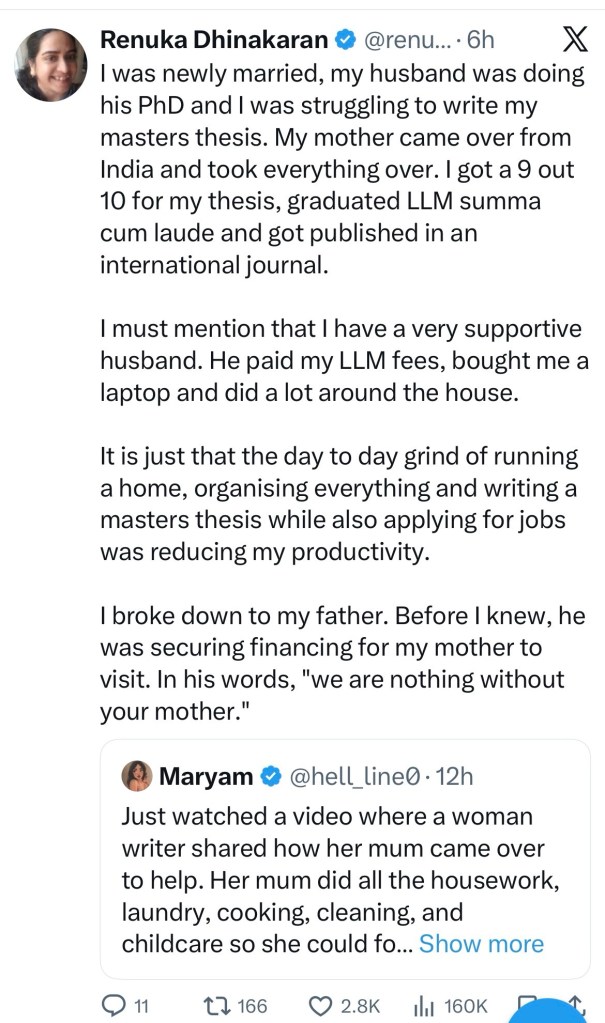





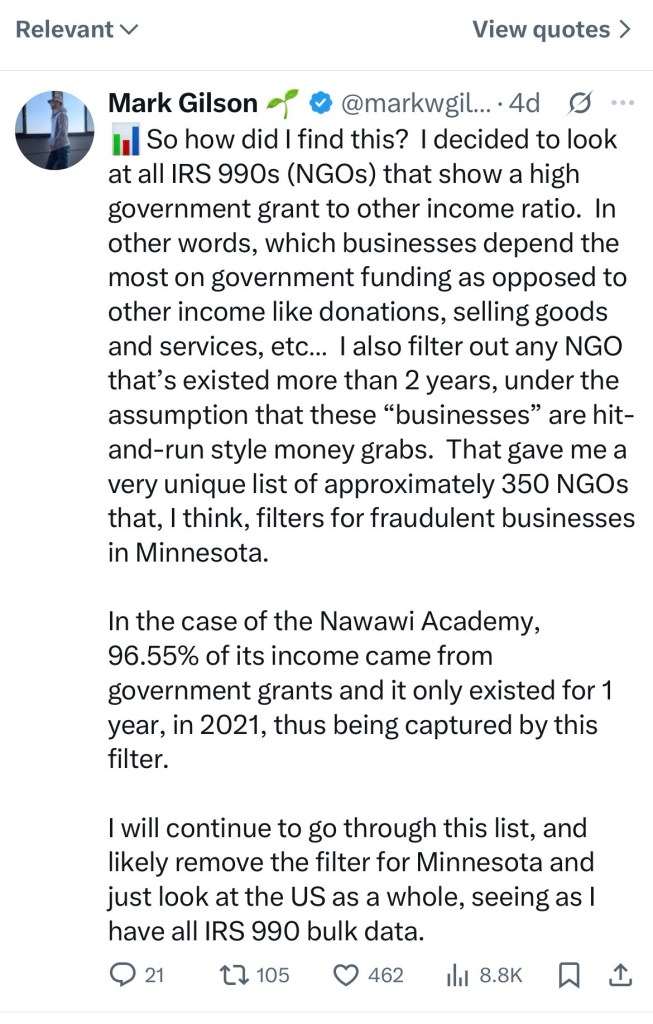
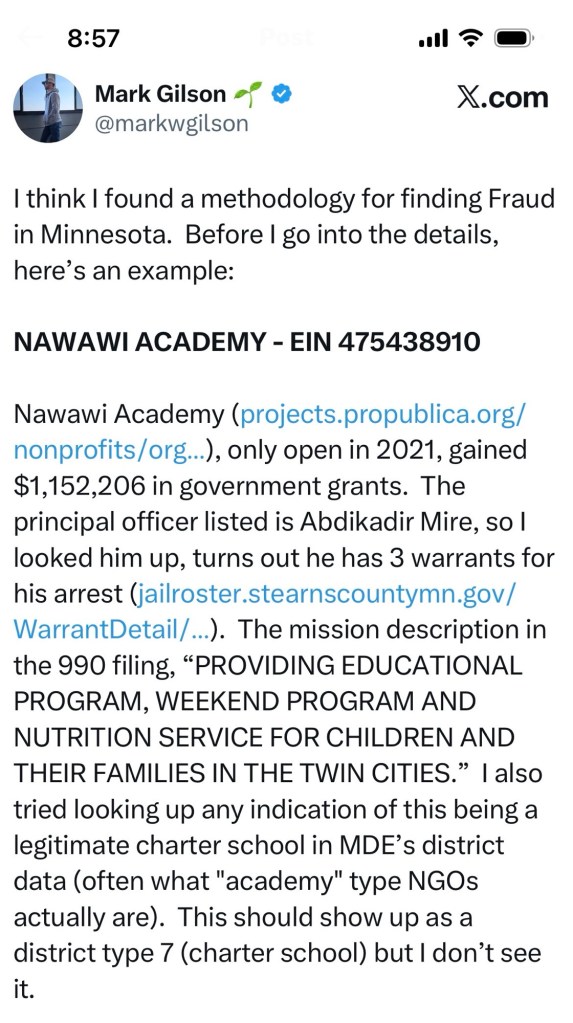
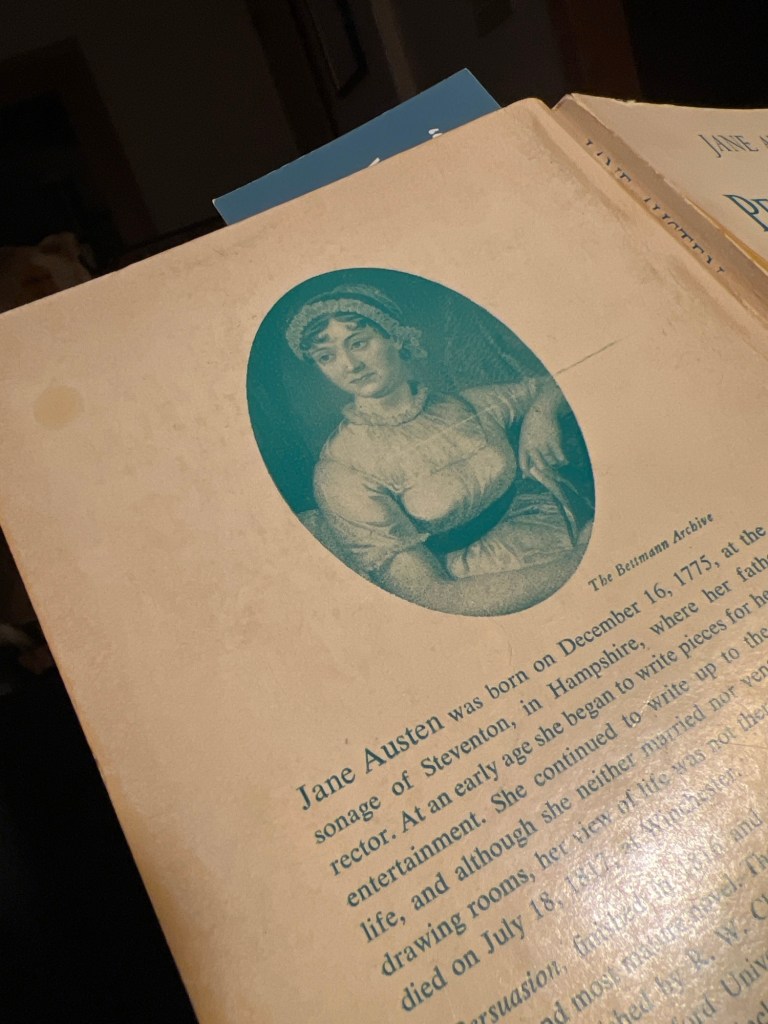




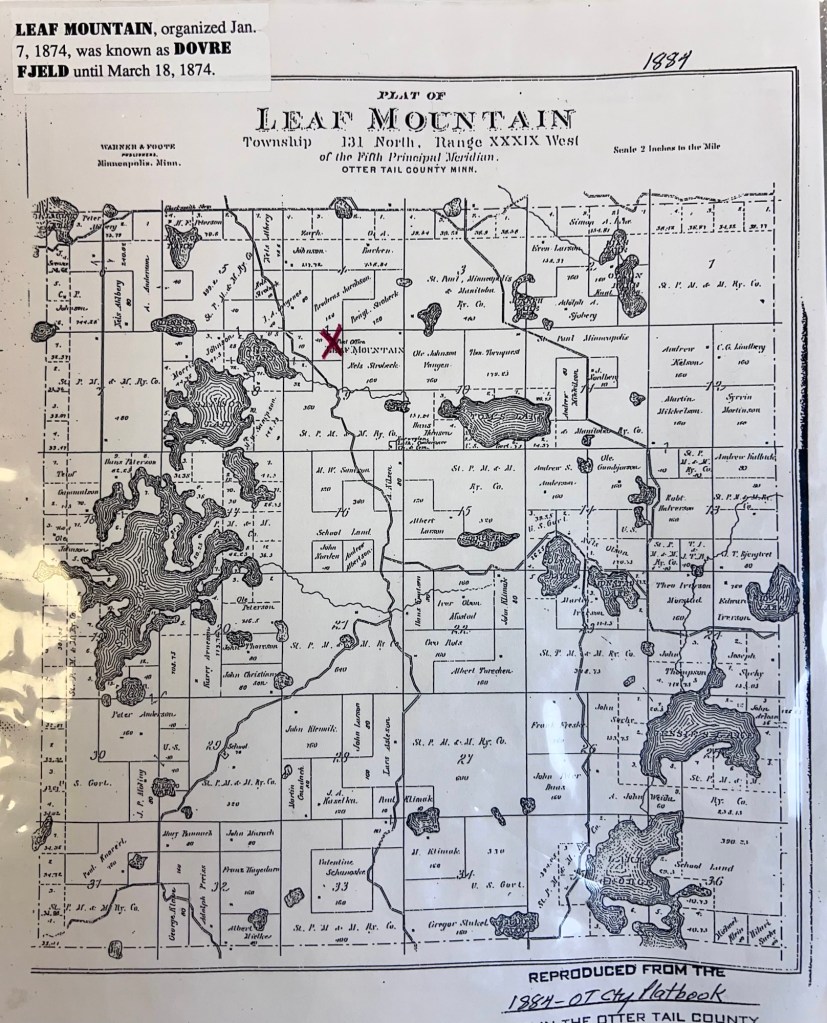
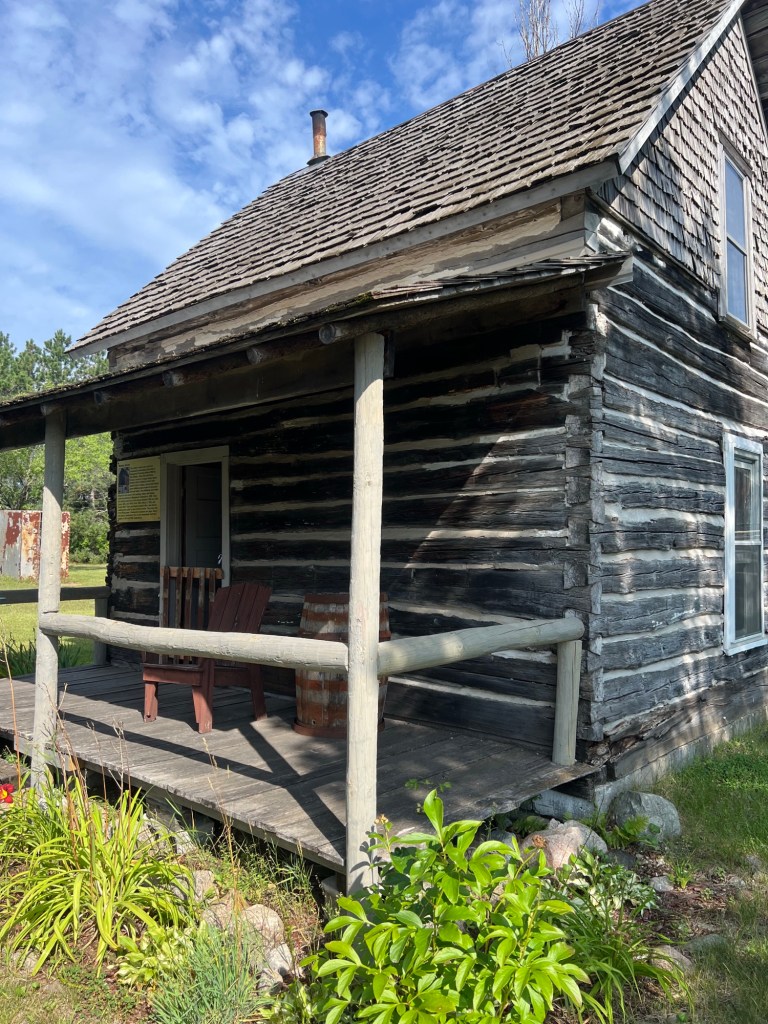












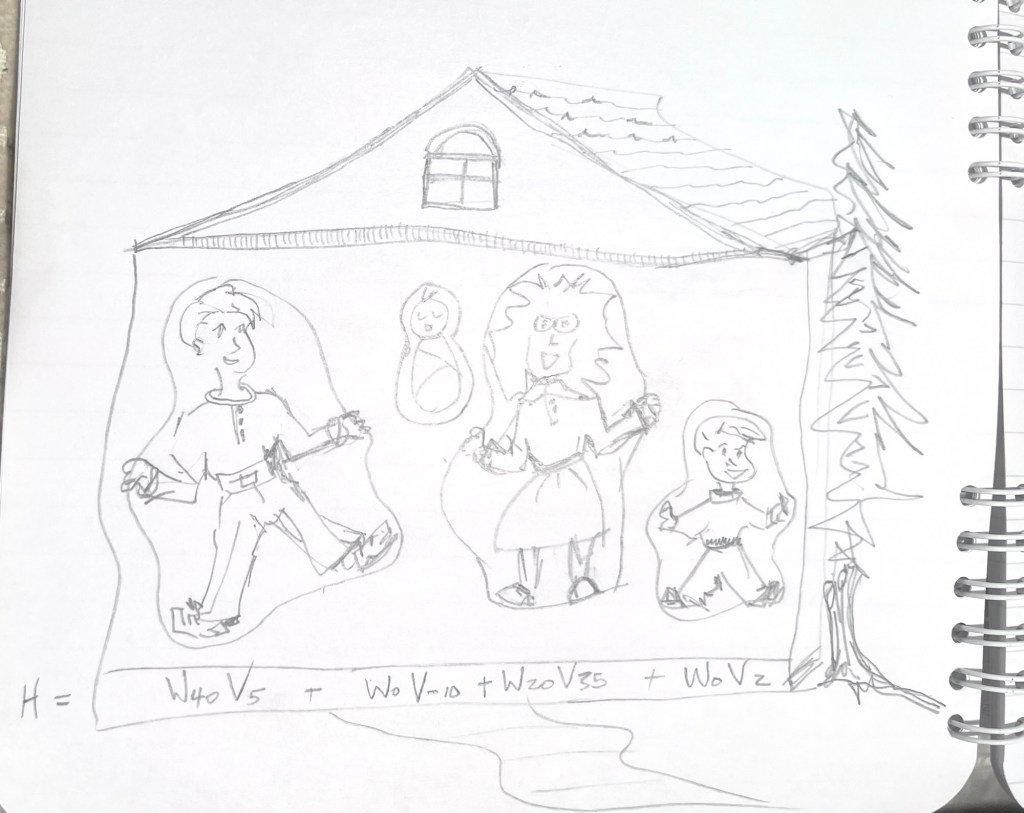

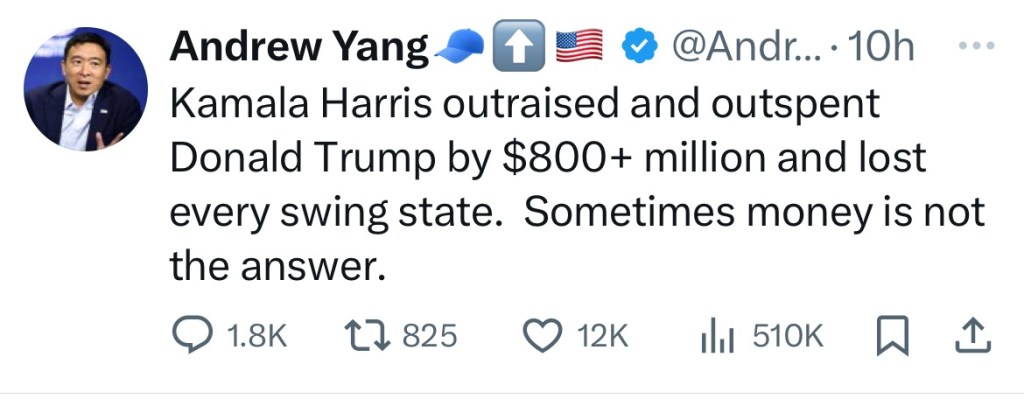






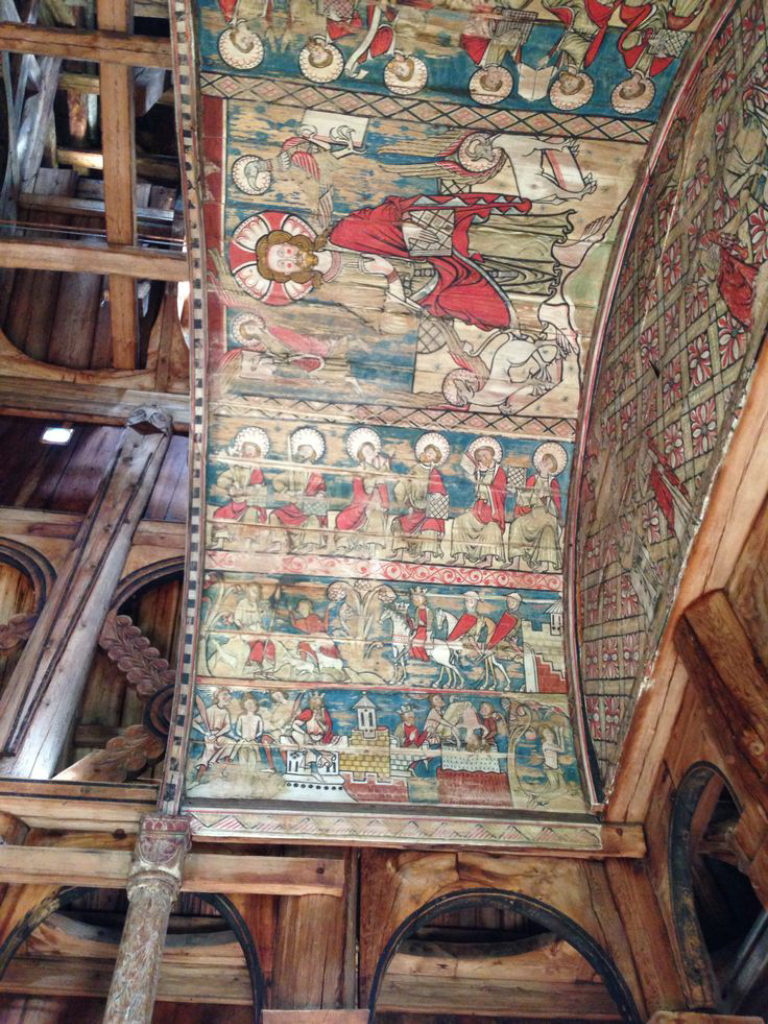
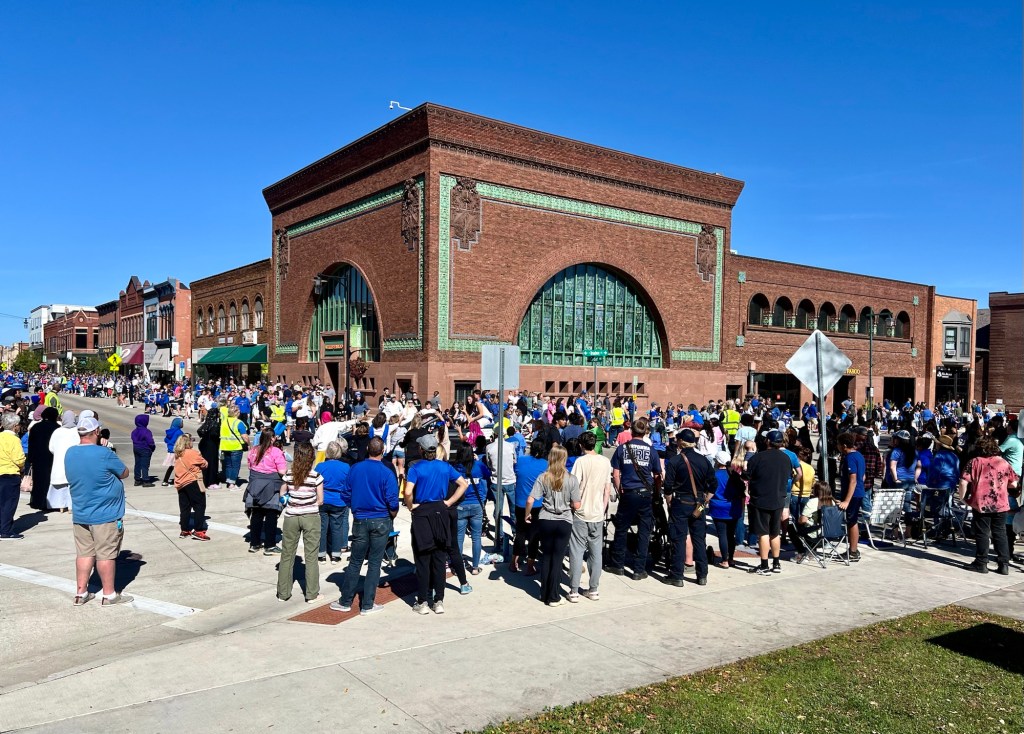


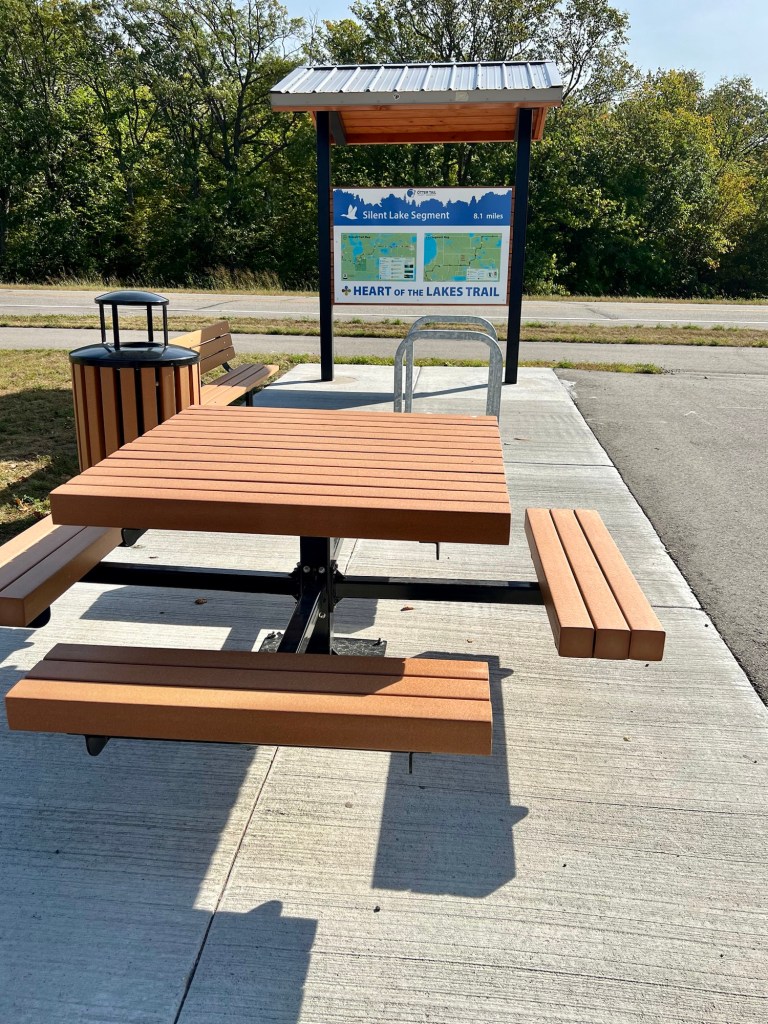



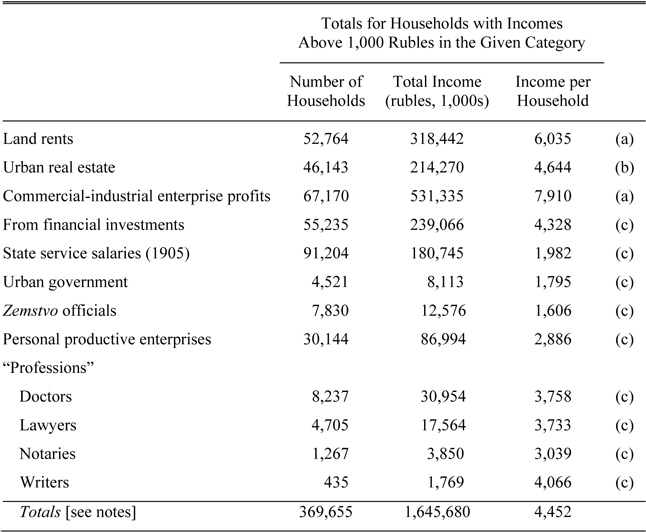





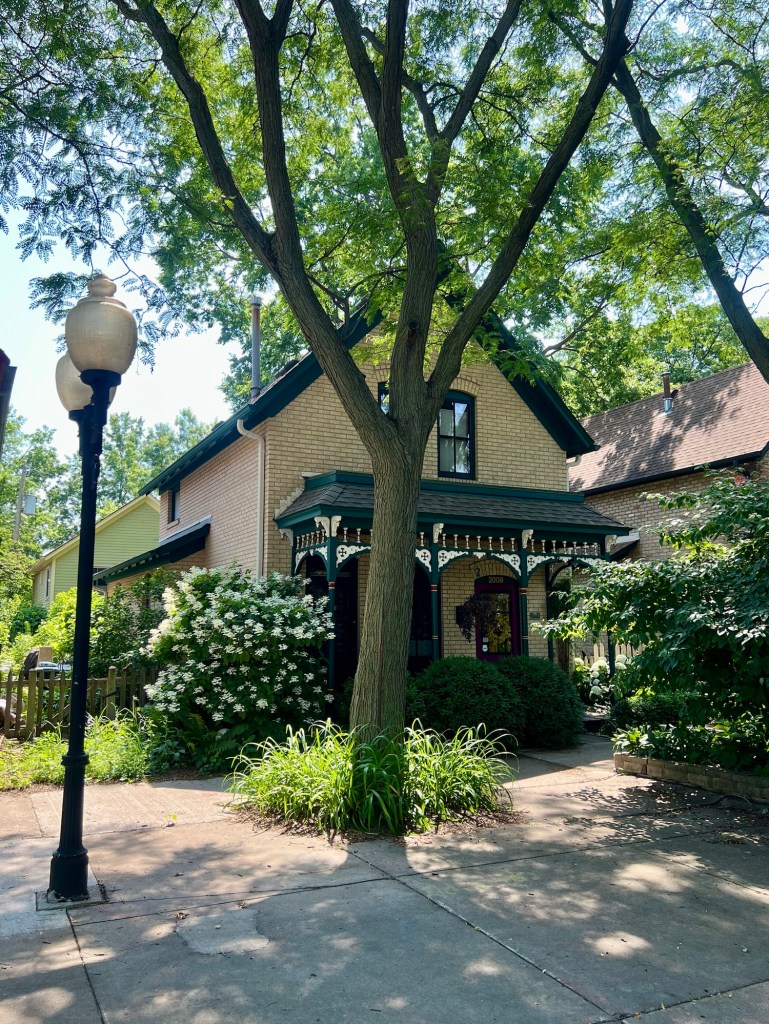







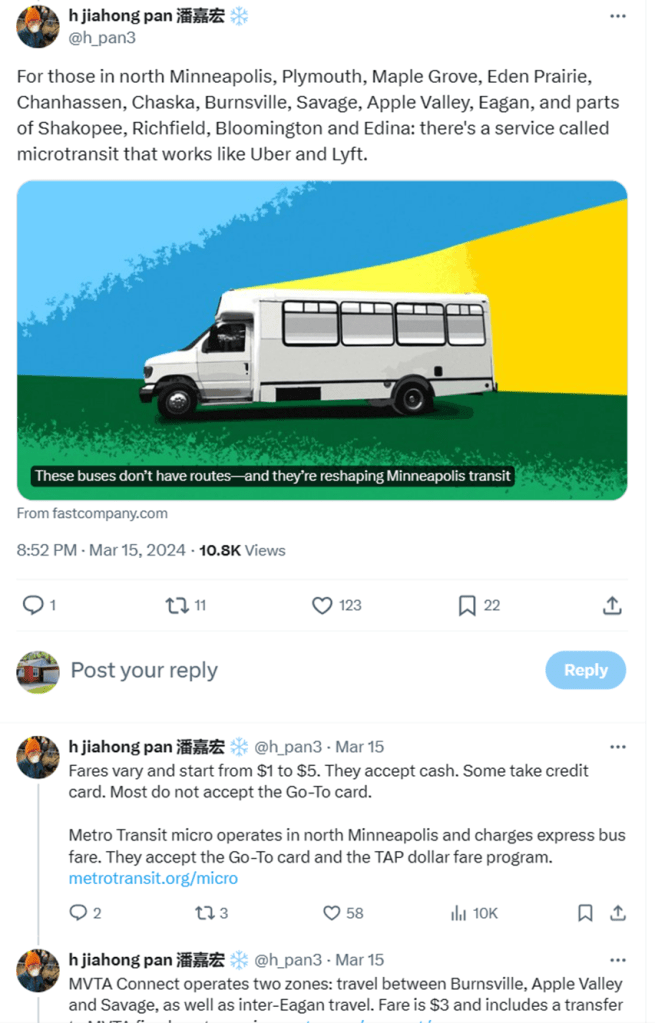


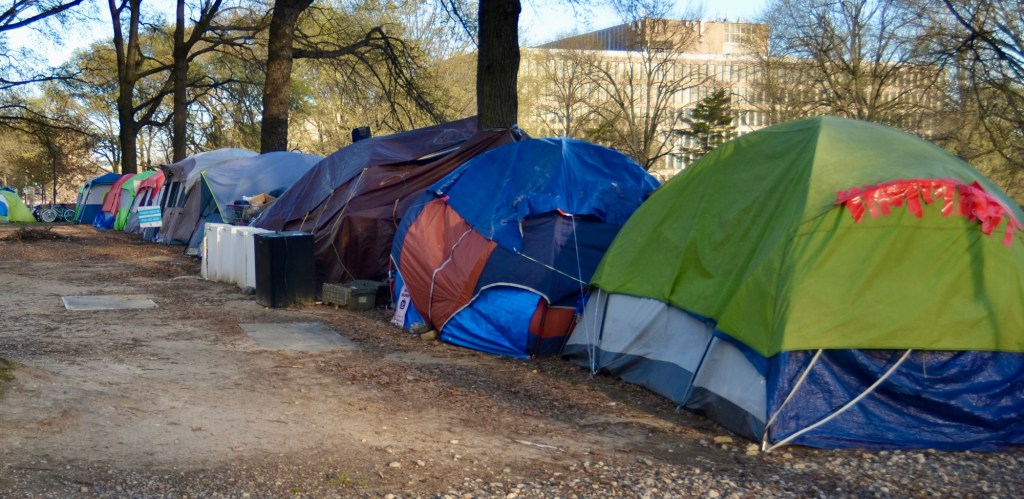


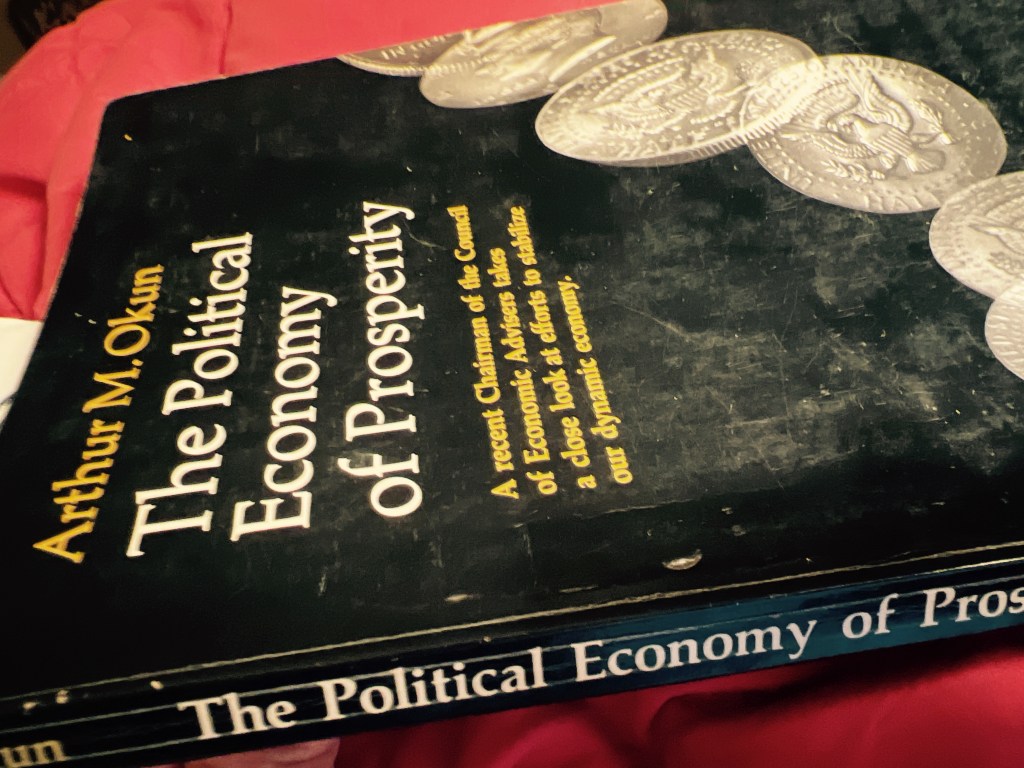






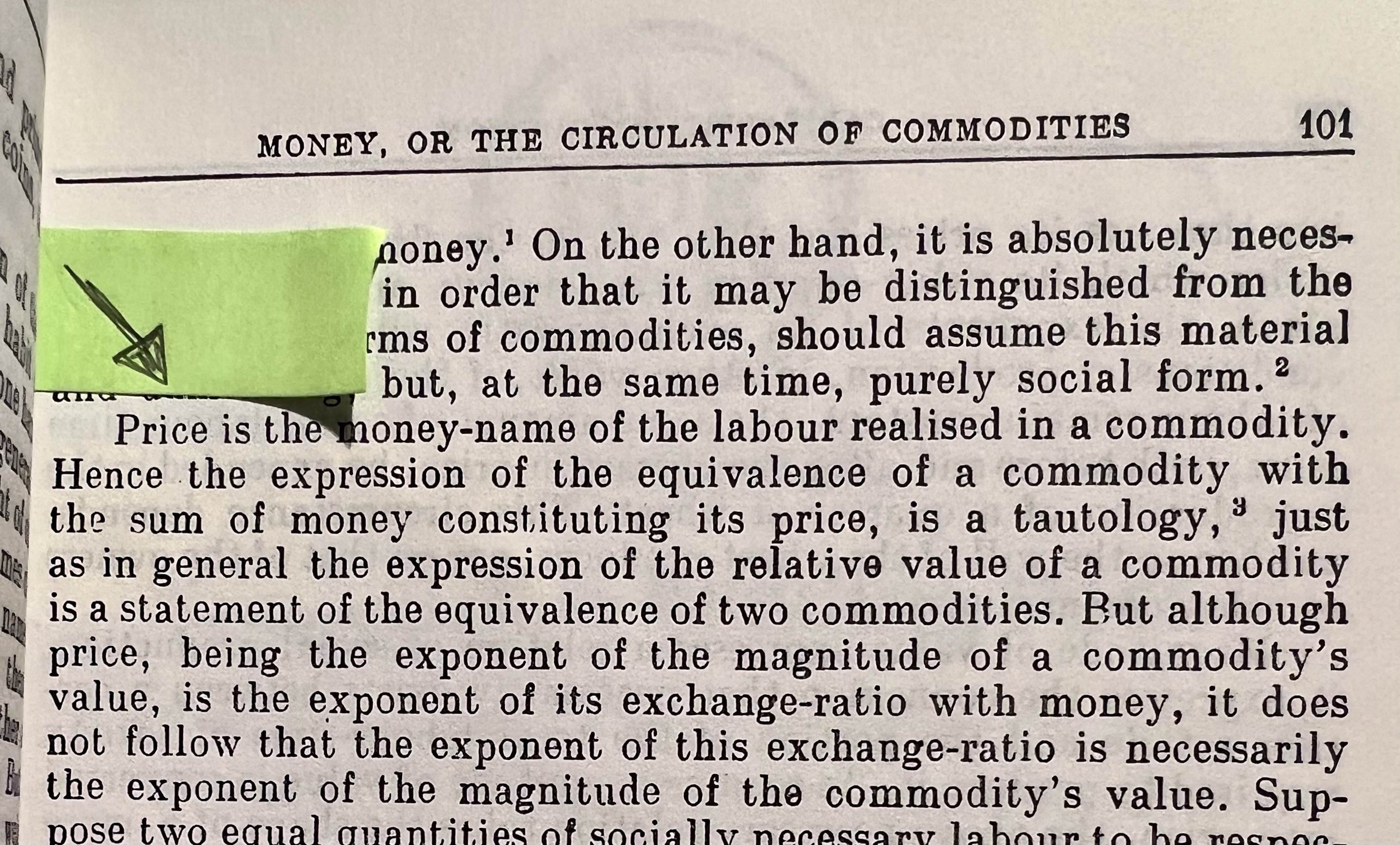
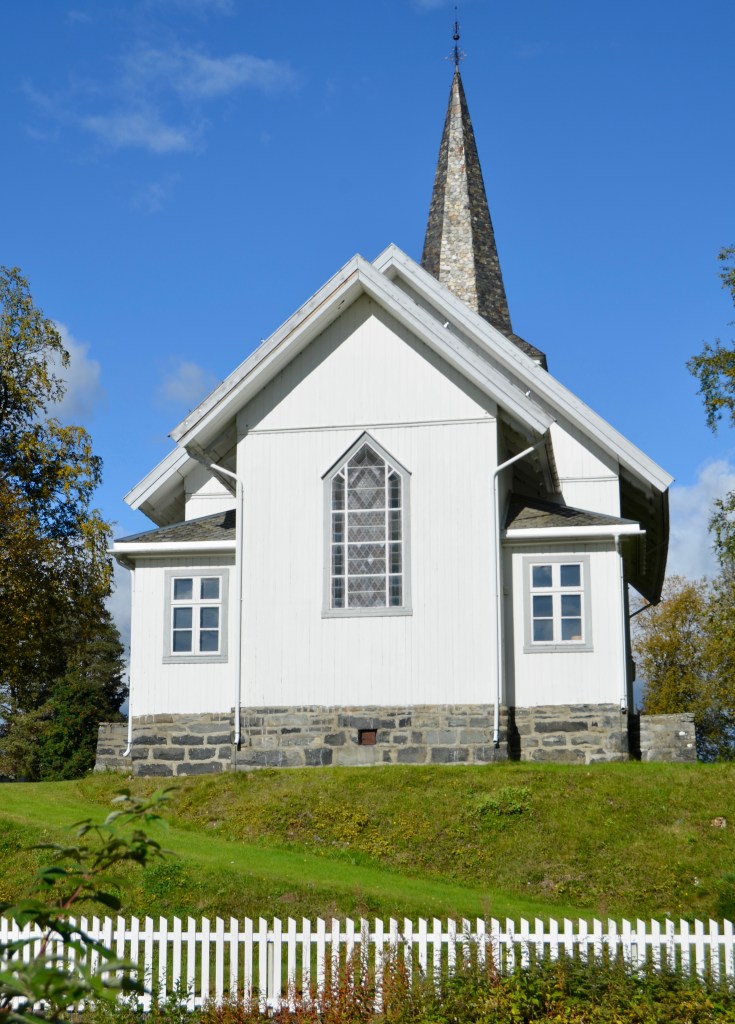
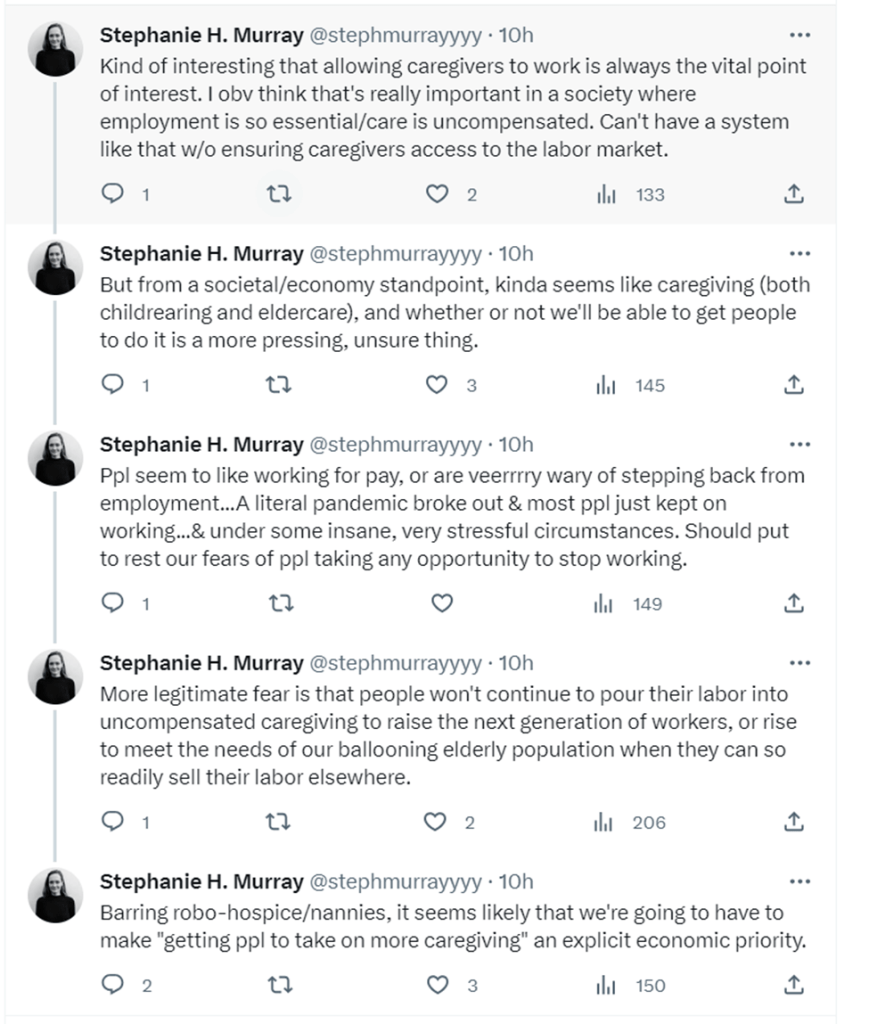




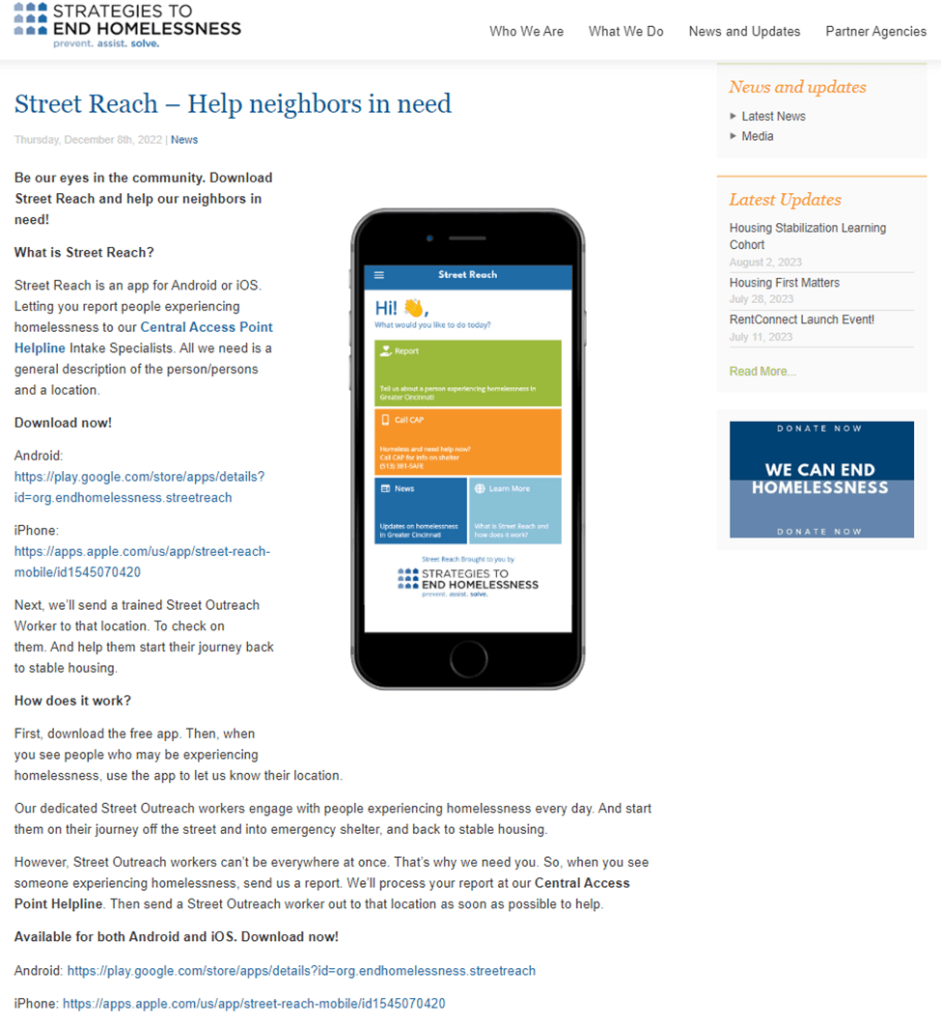


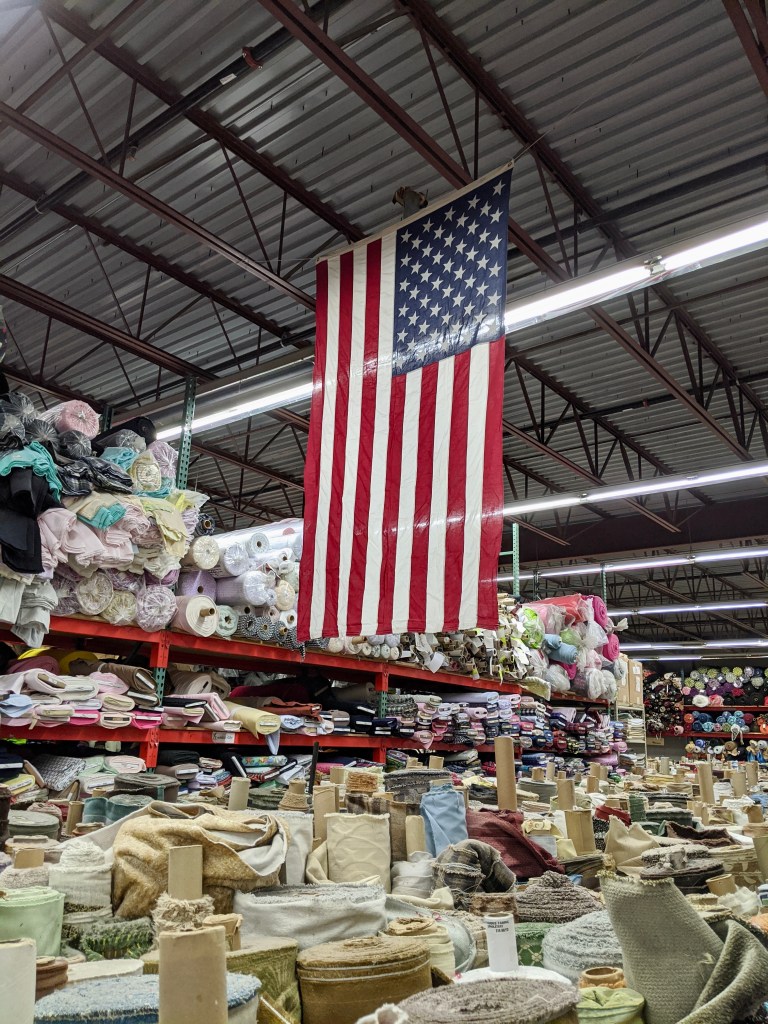
 Home Economics