Steinbeck’s fiction repeatedly stages characters against the backdrop of large-scale collective arrangements—infrastructure, relief systems, and state capacities—that function as public or quasi-public goods. This is so compatible with what is presented here at Home-Economic. These are not background scenery; they shape what is possible for the people in the stories.
The Depression novels are full of examples. In The Grapes of Wrath, the highway is the artery that moves the Joads west, and the federal migrant camp is presented as a deliberate counter to the private and squatter camps: running water, flush toilets, showers, a clinic, and elected committees that keep order without outside police. Steinbeck had reported on the real Arvin camp and the surrounding conditions of malnutrition, dysentery, and open sewage; the novel turns that contrast into a structural argument about what basic sanitary and health infrastructure does for dignity and survival.
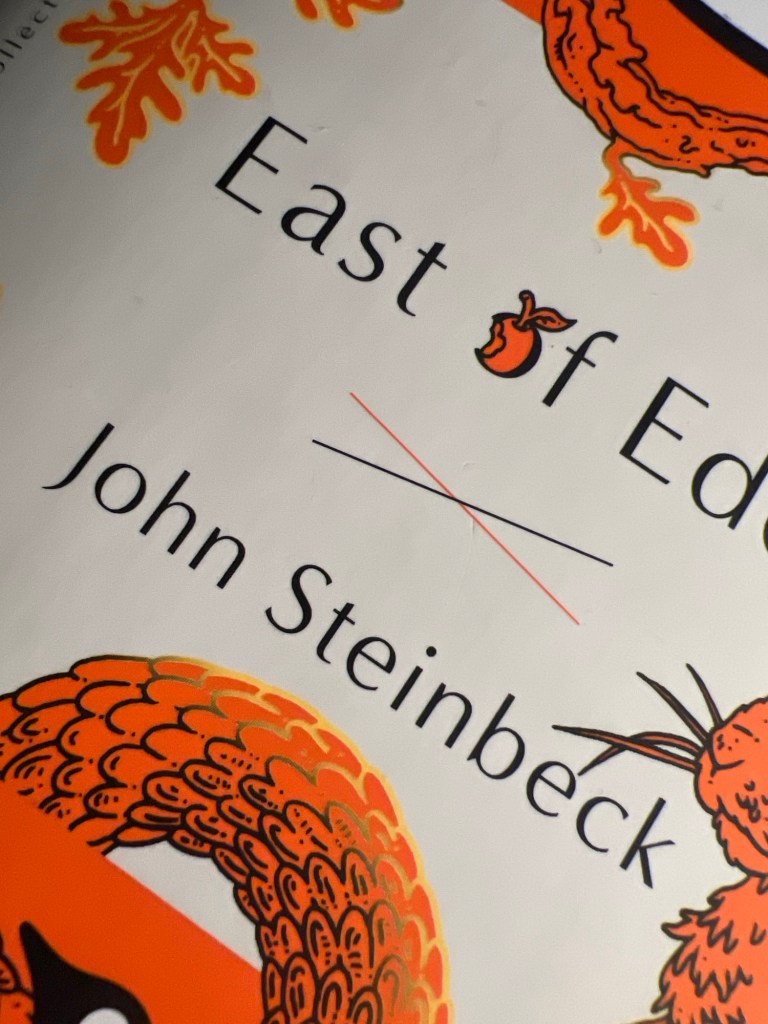
Railroads appear in multiple registers. In East of Eden the depot marks arrivals, departures, and the edges of respectable town. The iron rails are how the west was settled. In the wartime novella The Moon Is Down– which is one of my facorites, railway lines become targets for sabotage by an occupied population, so the same infrastructure that once enabled markets and movement is now a military asset.
Military forces enter both as the larger wartime context, a view developed when Steinbeck was a correspondent, and as local instruments of coercion—deputies and vigilantes in the California fields. The New Deal programs that his books helped popularize (migrant camps, labor legislation, agricultural subsidies) sit in the same category: collective responses to the failure of purely private arrangements under stress.
He offers other elements in his vast landscape pictorals that fit the same pattern:
- Irrigation and water systems that make the California valley productive and that also determine who can farm it.
- The rectangular land survey and title systems that convert earlier claims into transferable parcels.
- Schools and informal education inside the camps and in the East of Eden Hamilton household.
- The self-governing sanitary units and camp committees themselves, which are small-scale experiments in providing order and cleanliness as shared goods.
Steinbeck shows his readers rather than theorize about public goods in the economic sense. His fiction contrasts what happens when they are present, absent, or contested. The individual choices his characters make occur inside or against those larger arrangements.
And this will be the last post about Steinbeck for a while!