#givingtuesday

Did you know about Giving Tuesday? I didn’t. It’s a bit like Give to the Max Day, featured on this blog here. By creating a philanthropic holiday, a deadline is created to prompt procrastinators to write a check and send it in.

NPR ran an article about it today.

It’s #Giving Tuesday — a holiday marketing tradition inspired by Black Friday, Small Business Saturday and Cyber Monday, but with a twist. Today thousands of charities are asking us to open our wallets. But how can we be sure the group we donate to is effective — that we’re getting the most bang for our charity buck?

That question was vexing Elie Hassenfeld several years ago. He worked at a hedge fund, and he and a colleague wanted to give money to charity. Since they are numbers-oriented finance types, they wanted to maximize the results from their donation by finding groups that could offer the biggest impact per dollar.

“We were shocked by how little useful information was available,” says Hassenfeld.

Sure there were the rating sites that show how much a given charity spends on overhead and point up any red flags suggesting possible mismanagement.

But that’s not what Hassenfeld wanted to know: There was “nothing that said, ‘this is how much a charity can accomplish with the donation that you give.’ “

What’s interesting is that the article is a re-run of an article published five years. It seems there is a lack of momentum behind the idea. Hassenfeld indicates that he needed more information about the returns his philanthropic dollars would generate. So he took matters into his own hands.

And so in 2007, Hassenfeld and his friend, Holden Karnofsky, decided to start a nonprofit called GiveWell. The mission: Come up with an annual short list of charities they can recommend based on hard evidence. But it turns out this data-driven approach has its own set of issues.

It’s not surprising that the charities on their list are mostly located in the third world where cost of living differences create massive upsides for local employment of USD’s.

But perhaps there is something missing from a return on investment analysis. Maybe that is not the key index when it comes to why people donate. In order for a more lively engagement of philanthropic dollars at all levels of donors, maybe there is another sorting in addition to information regarding the scope and reach of the charities’ work.
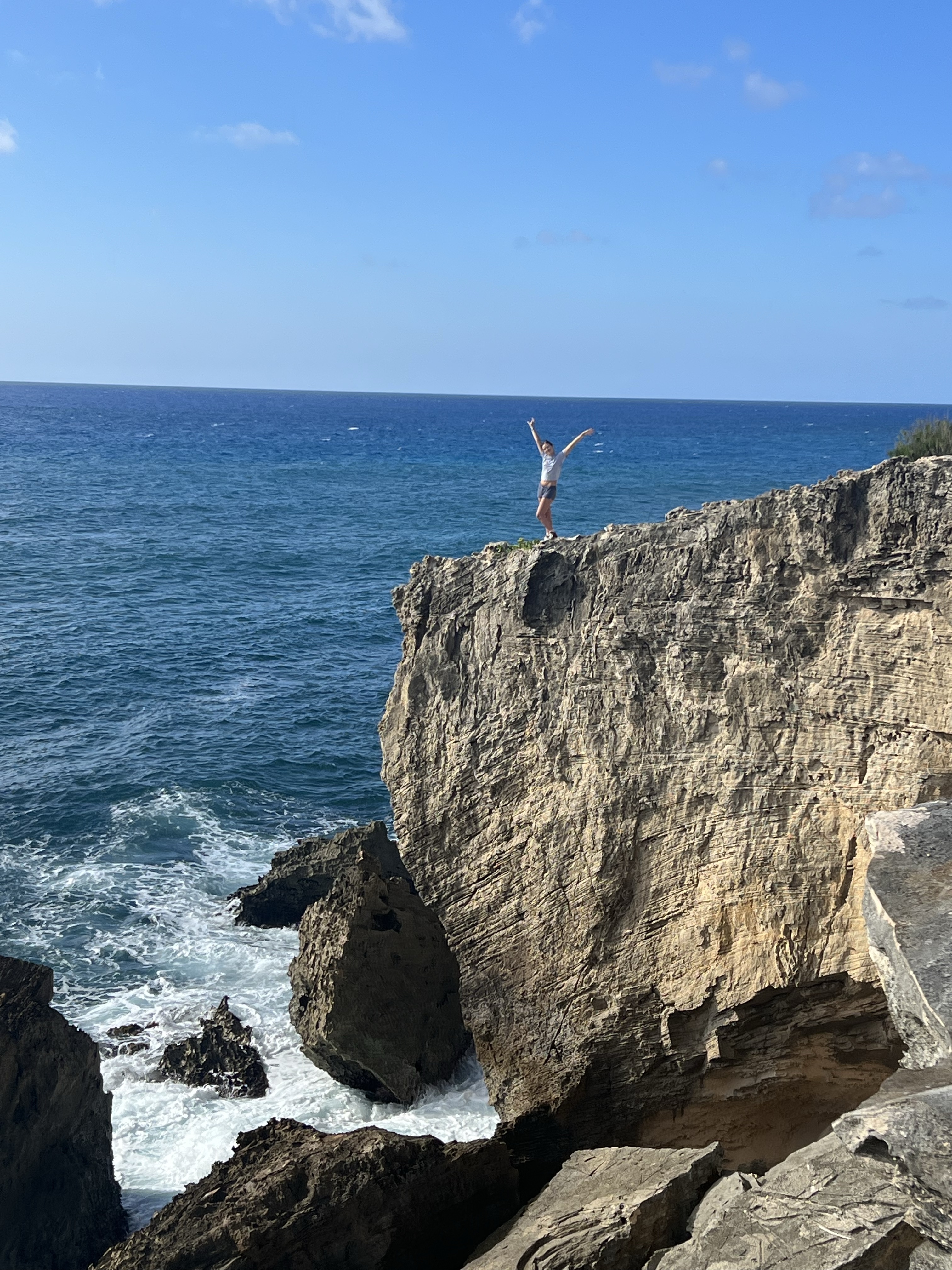
Travel Notes: Kauai

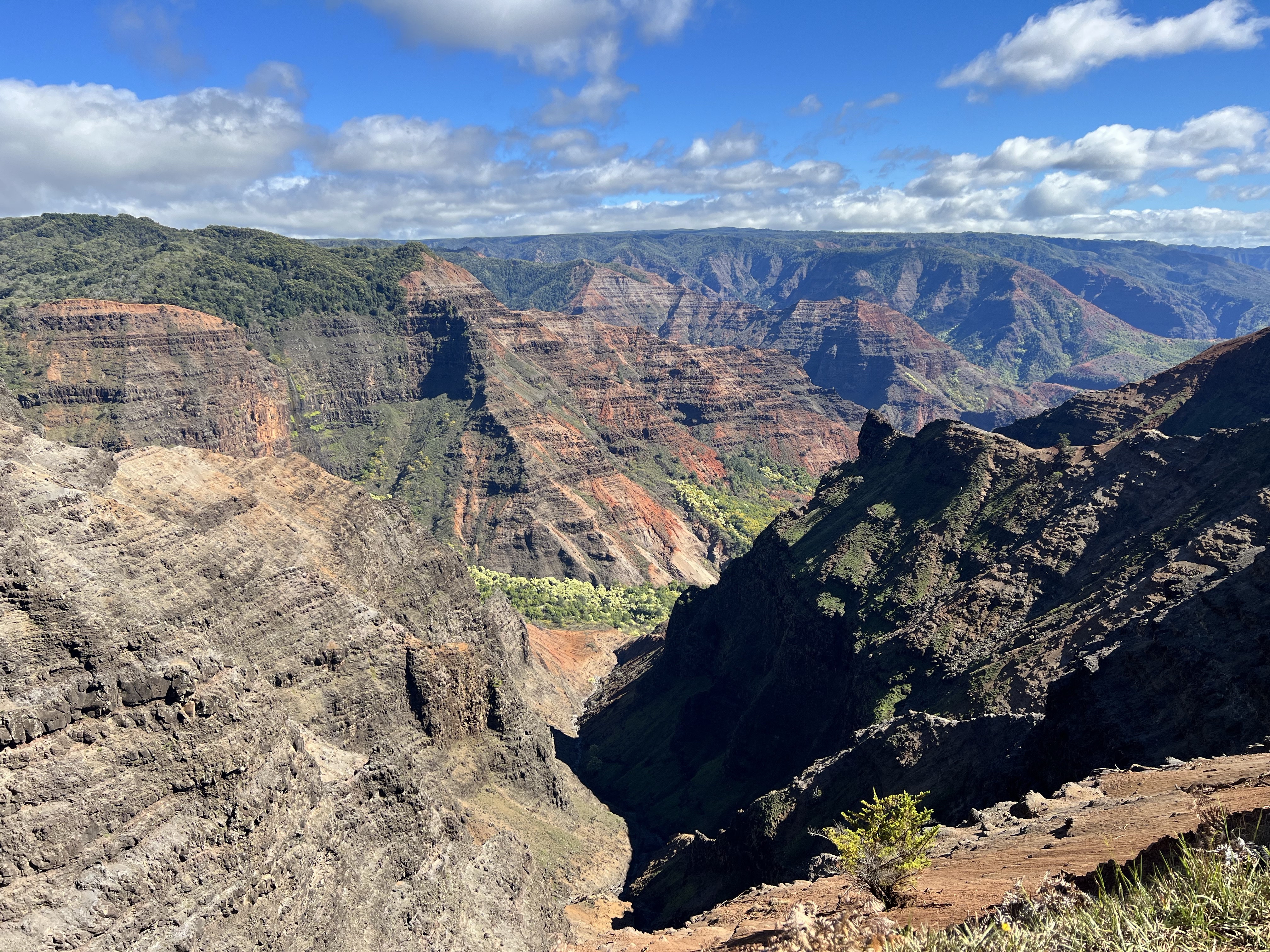
Kauai is the fourth largest of the Hawaiian Islands and is nicknamed the Hanging Garden. Its volcanic formation resulted in a serious peak, Kawaikini, which receives the most rainfall on the planet. This moisture drains into an elevated swamp, the Alawa’i Swamp, which drips moisture down onto the island. The tropical beauty and mystic peaks made it the perfect backdrop in the Jurassic Park movies.

The flight schedule is a little cumbersome from Minnesota. The western states have great service, but the central states must transfer through a hub. And of course there is the four hour time change which messes up one’s schedule for a few days. Covid wise, things are more favorable than going to Canada. Vaccines are required to avoid quarantine, and there is a government app that needs info, but no 72hr testing.

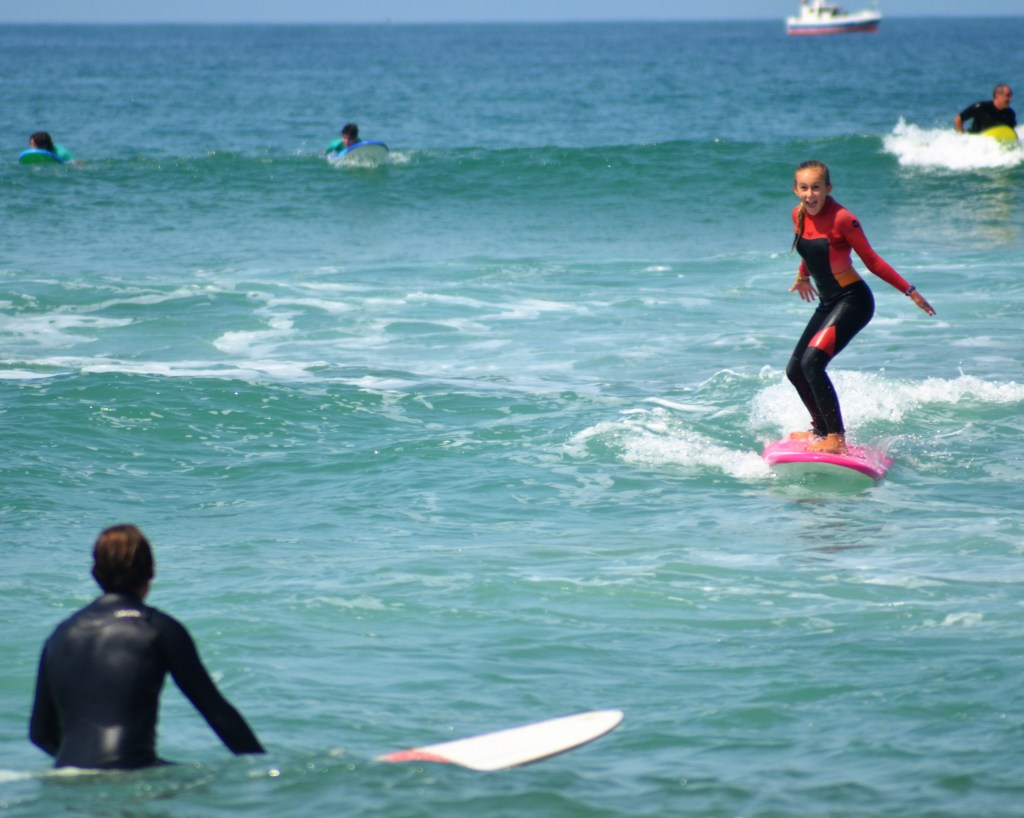
The weather has been spectacular with temps ranging between 70-85 degrees F. It’s not as damp as the Caribbean and not as dry as Cabo. Perhaps we were just lucky- but it’s a good thing as there are beaches at every turn to enjoy. The inlets allow for sheltered swimming and snorkeling, whereas surfers paddle out a bit to catch the waves.

We had wonderful experiences with the scuba folks on three different two tank dives. The first focused on highlighting the giant sea turtles. Many are snoozing down on the reef, but some will come out and swim with you for a while. A boat dive took us out to a reef with a large variety of fish. And we ran into a couple dozen dolphins on the way back to the small craft port. Finally our night dive opened up a whole new selection of wildlife that prefer the later hours like a ghost octopus.

All three dive masters were interested in sharing their love of the underwater sealife and took care to show us the different species. They had a bunch of hand signals to communicate en route as they pointed to a rock looking thing that fluttered away with colorful fins (devil scorpion fish) or they used an open and close puppet motion to indicate a spotted eel. The wildlife is abundant and they are please to welcome you to their world.

Captain Adam was our boat captain who talked pretty steady. He’s fishing when he’s not driving the scuba tanks or taking tourist around to the Na Pali coast. There’s a rhythm to his speech that islanders get even though he looks like he could be from Wisconsin. The way the multi vowel Hawaiian words rolled off his tongue seemed to say he’s a lifer.

One thing you notice right away is all roosters wandering about. In fact you hear them before you even see their assorted feathering patterns. They are protected as the import only feature of the island has created a creature unique to its environment. This is true too of some regional fish, in particular the state fish of Hawaii, humuhumunukunukuāpua (yes, real name for a trigger fish with distinctive markings).

Hiking is a feature attraction as well. The diverse landscape offers many distinctly beautiful settings to stretch your legs. Although the trail infrastructure isn’t quite what it is on the mainland, the roads are well paved and the shoulders are used by pedestrians. There is a maze of paths through the Waimea canyon.

Overall this island scored high on our preferred island adventure destination list.

Unknown Bird (1999)

by W.S. Merwin

Out of the dry days
through the dusty leaves
far across the valley
those few notes never
heard here before

one fluted phrase
floating over its
wandering secret
all at once wells up
somewhere else

and is gone before it
goes on fallen into
its own echo leaving
a hollow through the air
that is dry as before

where is it from
hardly anyone
seems to have noticed it
so far but who now
would have been listening

it is not native here
that may be the one
thing we are sure of
it came from somewhere
else perhaps alone

so keeps on calling for
no one who is here
hoping to be heard
by another of its own
unlikely origin

trying once more the same few
notes that began the song
of an oriole last heard
years ago in another
existence there

it goes again tell
no one it is here
foreign as we are
who are filling the days
with a sound of our own

W. S. Merwin (September 30, 1927 – March 15, 2019) received the 2009 Pulitzer Prize in poetry for The Shadow of Sirius. His many works of poetry and translation included Present Company (2007), Migration: New and Selected Poems (2005), and a version of Sir Gawain and the Green Knight (2004).

From The Atlantic

Scuba diving is an underwater stroll

With the help of a vest and air source, a diver can sink to the ocean floor and have a look around. Instead of walking a trail and spotting robins and blue jays, the reefs spit out the whitespotted Toby, or the devil scorpion fish (my favorite), or the coffee table sized sea turtles.

Scuba diving is an enjoyable hobby which has gotten more and more popular in recent years. PADI, the Professional Association of Diving Instructors, reports that they hold certifications for 28 million underwater strollers worldwide. A certification is the end result of passing a course and an open water swim exam.

PADI® (Professional Association of Diving Instructors®) is the world’s largest ocean exploration and diver organization, operating in 186 countries and territories, with a global network of more than 6,600 dive centers and resorts and over 128,000 professional members worldwide. Issuing more than 1 million certifications each year, and with over 28 million certifications to date, PADI enables people around the world to seek adventure and save the ocean through underwater education, life-changing experiences and travel. For over 50 years, PADI is undeniably The Way the World Learns to Dive®, maintaining its high standards for dive training, safety and customer service, monitored for worldwide consistency and quality.

From either the PADI linked page or FB page

The organization was started in 1966 by a couple of guys who didn’t like the status quo and wanted to do something better. Given its worldwide reach, one can’t help but wondering how they got established and grew into the association of choice.

This isn’t a situation of government setting up a bunch of rules and allocating a means of enforcement. This is associational work. Why people choose this certification process would be something to consider.

Grateful for family

Sounds trite, doesn’t it? Of course you are grateful for your family. No more of a surprise than you love your kids, as fiercely as I love these two beach bums:

The term family is often reserved for those with whom we share a household. The people who do the housework for the daily routine of food and lodging. But as we sat around our Thanksgiving meal this evening it was clear that the genesis of our lovely circumstances originated beyond the four sitting at the table.

Being thankful for good health, for example, cannot only be a tribute to our personal efforts. One must reach back and be thankful for all the good genes that have been passed down through the generations. And the habits of selfcare that were taught with quaint proverbs, like an apple a day keeps the doctor away, didn’t just pop into the family routine one day. But saying isn’t doing. Those who came before also showed us they were willing to pay more for fresh fruits and vegetables; they were willing to dedicate resources to better health.

The multigenerational passthrough of profitable habits doesn’t stop there. When parents establish the custom of aiding with advanced education, the gift is meant to tumble on down to the next generation and then onto the one after that. The payment of tuition is done with long views over a whole life, not short returns.

But when these habits of investing across and over people, of participating in a system of beliefs and not of immediate returns, then we are no longer talking about family as a gathering of four people. When choices have been thought through and tradeoffs considered; when families have evaluated outcomes and set norms; when all this circulates through decades worth of relations, then we are talking about something else. We are talking about family as an institution, as an economic force.

That is the sense of family we were grateful for this evening.

How to choose an island

Considering travel options to islands for some rest and relaxation can very over time. There are many that may meet the basic criteria of tropical beauty, access to beaches of equal quality, opportunities for water sports and boating, and a comparable level of lodging. But choosing one over the other can hinge on boring basics.

Going to distant shores is appealingly exotic. Leave all the standard stuff for those who have no sense of adventure. The travel cost is more as the sheer distance is greater. And there is a surcharge for the extra leg of travel to get well off the beaten path. There is the additional minor inconvenience of time zone changes, mostly born out in the transition back to working life upon return.

The extra travel expense can be recaptured by more reasonable lodging and meal costs as the cost of living differences are often substantial. For this reason such destinations appeal to the younger traveler. At least it was for me.

But then, when young children come along, the idea of having a drug store just down the street with recognizable remedies for toddler care is pretty comforting. And it certainly helps to know that medical services are in place if something more serious comes up. To further facilitate the excursion being pleasurable with the offspring, being in the close to grocery stores with favorite foods makes mealtime more pleasant. It is meant to be a vacation after all.

All these extras tip the practical ocean front in lieu of the exotic. Distant and cheep is great as a youthful solo traveler. But when dependents are in tow, it is no longer exciting to get caught up short on the bare essentials. Quite to the contrary, the reassurance of infrastructures around health and safety become exponentially more valuable.

How fear ties knots of inaction

On the one hand people worry that improving disadvantage neighborhoods will cause the evils of gentrification:

Now planners are trying to figure out how best to weave through north Minneapolis on the way to the northwest suburbs. But many people along the route fear real estate speculation and increased investment will render their neighborhoods less affordable. Hennepin County hired the University of Minnesota to study potential gentrification impacts and recommend anti-displacement strategies along the route—a first in Minnesota transit history.

Sahan Journal email newsletter

On the other hand there’s dismay that property values do not increase in disadvantaged neighborhoods. Here’s a headline and intro paragraph to an article in todays New York Times:

How the Real Estate Boom Left Black Neighborhoods Behind

While homeownership has been an engine of prosperity for white Americans, home values in places like Orange Mound in southeast Memphis have languished. What would it take to catch up?

Wouldn’t it be ironic if the same forces against gentrification were perpetuating poverty in neighborhoods they thought they were protecting?

The Woman in the Window with Amy Adams

I have to say that when the credits for The Woman in the Window scrolled across our TV screen last night I was left underwhelmed. I am an Amy Adams fan, so it was easy to click on the film tile when it appeared on the Netflix selection rollout. A fire was lit. Dinner was on our plates. We were ready for a nice Friday evening at the movies.

The plot is more or less predictable. There’s a build up to a horror scene, which I’d prefer to miss. But today, scenes of Amy Adams dealing with various situations throughout the film had my brain retelling her tale. Her character is struggling with agoraphobia which is present as an outcome of a severe mental health breakdown. Her acting is the only flicker of light that holds the movie together.

I have no way of knowing the actress’s motivation in taking this role. But her skill in it made me extrapolate all sorts thoughts about the fears which are crippling so many activities in our society. The fear to leave one’s house becomes representative of the fear to take on a venture, the fear to move across the country, the fear to create and build upon something new.

Mental health is at the crux of many issues in this country. It is a complex and difficult topic, and not one people often want to tackle. Instead of your typical representation in a homeless figure, this movie takes the life a professional women to show how crippling a mental health crises can be. Amy flushes out the many angles of this experience in her portrayal of Anna Fox.

You’ll have to watch the film to see if she can turn her life around.

$34.4 Mil is a fair amount of cash

That’s how much was raised in Minnesota yesterday during Give to the Max Day. Here is how the Minnesota Holiday started:

In November 2009, Give to the Max Day was supposed to be a one-time only launch party for the new fundraising platform GiveMN.org with a goal of raising $500,000. At the end of the day, generous donors had given more than $14 million in just 24 hours, smashing the goal out of the water, and starting a giving holiday in Minnesota.

https://www.givemn.org/giving-events/gtmd21/totals

Gala and fund raisers are nothing new. Just ask development officers at any non-profit. And many of the techniques employed during yesterday’s day of matchmaking originated from them: a limited timeframe, matching incentives, live-counters adding up the tally to meet a goal. What is different, here, is that the platform opens up a marketplace of giving. The boundaries of where and who is trading in the assists of work in the community changed. The benefactor was no longer one cause; a theater, a shelter, a youth center. Nor were the donors just the flashy wealthy crowd at a glitzy event in a downtown venue. This market is open to all Minnesotans, who can then feel empowered by grouping with others to support their passion of choice.

People give when they see the need. Citizens agree to pay taxes as an acknowledgement of the need. But they also don’t want to be the only one giving- it is a communal activity. A formal taxation system provides assurances that others are also on board to assemble the public goods as intended. In philanthropy, a one day event provides the accounting, the final tally, which confirms success back to its audience.

One can’t help but notice the parallels to the concept of state capacity. This has been a salient term in recent years. Here is how one researcher put words to it:

The concept of state capacity—“the ability of a state to collect taxes, enforce law and order, and provide public goods”1—was developed by political scientists, economic historians, and development economists to illuminate the strong institutional contrast that parallels the economic contrast between rich and poor countries.

https://www.niskanencenter.org/state-capacity-what-is-it-how-we-lost-it-and-how-to-get-it-back/

On Give to the Max day, donors pay funds (a tax) to support their chosen community works producer, who in turn transforms the funds into their specialized public good. The enforcement of product delivery is partially enforced by laws, but mostly by the pressures of competition to be a good producer for those who depend on the services provided.

What the Give to the Max platform allows is a wider marketplace. What Give to the Max Day shows by the $34,390,470 collected yesterday from Minnesotans tall and small, urban and rural, rich or light in the wallet, is that we have a notable amount of state capacity.

Paper commentary- Surfers & the Wave

There’s a lot to like in this paper, The institutional foundations of surf break governance in Atlantic Europe, by Martin Rode. The author looks at how surfers handle the distribution of wave riding opportunities. Behavior can span from excluding outsiders from riding the best waves, to the use of established norms to divvy up the crests enabling the riders to show off their favorite form. Rode points out that who owns the wave is the issue at hand.

Both regimes establish property rights over common pool resources with no state intervention, creating a setting wherein users face the question of cooperation or conflict. 

It might seem obvious that the ocean is a common pool resource, but the locals undoubtedly think the portion of water beyond their local beach is in fact owned by their town. By them. Often we think property rights are clear cut when in practice the tentacles of ownership claims creep in from many arenas of life. Parents might think twice about selling a small business before checking with their kids. A sports team may find community push back at the mention of the team being moved to another city. It has been well established that neighbors believe in their right to control surrounding property development. Most all forms of ownership can be challenged by some other group interest, even if only in small part.

It is also interesting that preferred data is taken from a Wikipedia style contributor website. The voluntary input of surfer enthusiasts is considered more reliable than sites written under the auspices of earning money from the information, such as travel guides. And it is not to imply that the later is totally unreliable, it’s just to say that on a gray scale, one has to filter information depending on whether a fungible transaction is in play.

Information on all surf venues observed herein was obtained from the participatory open-access website www.wannasurf.com. That site provides detailed travel reports for thousands of surf spots around globe, with most of the information coming from local users. Reports are confirmed further by designated area representatives in order to avoid possible bias.

Rewriting the present in anticipation of the future

There’s been a lot of brouhaha in recent years about how history is told and what words may or may not be used. I was just listening to John McWhorter, a linguist at Columbia (if you don’t know him look him up) on a Twitter Live interview expressing discontent with the transposition of an individual ‘being the victim’ of an event in lieu of ‘being a survivor’ of an event. The framing, he said, settles a lingering tragedy around a fellow.

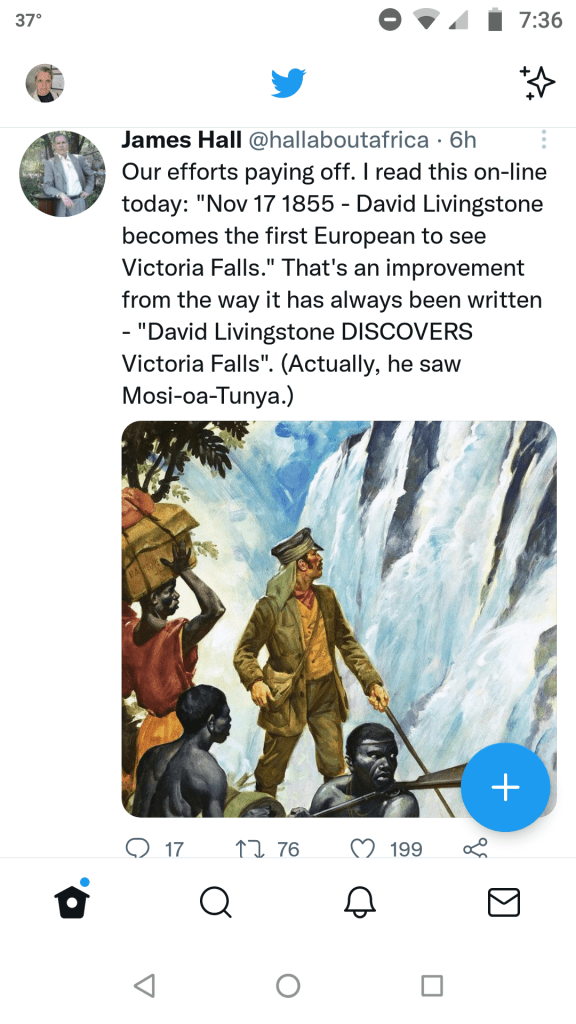
In addition to voicing the negative rather than the positive, there have been demands to take the lives and accounts from many generations ago, and rework the fruits of their labor into a present-day-acceptable version. David Livingston was Scottish adventurer from the first half of the nineteenth century. He spent his life exploring Africa and reporting back on what he had found. He was awarded the gold medal from the Royal Geographical Society in London and kept an association with the group for the rest of his life.

On Twitter today (yes it was only 37 degrees here) I saw this post celebrating the rewording of Livingston’s work. It extinguishes any credit to a man who spent a life exploring, documenting and passing along details on a large swath of a continent.

In fact the Livingston accounts couldn’t have been written in any other way. There were no maps of the area in and around Lake Victoria, by British, Arab or African geographers. So it would have been odd to write an account in an off hand, I’m just a tourist seeing things that everyone else has seen, type of way.

How exactly are historic figures from our past supposed to have predicted the future dynamics of civilizations and write their work to the correctness demanded in generations to come? Or is it up to us to take their work in the context of their time?

Walk, daily, philosophers do

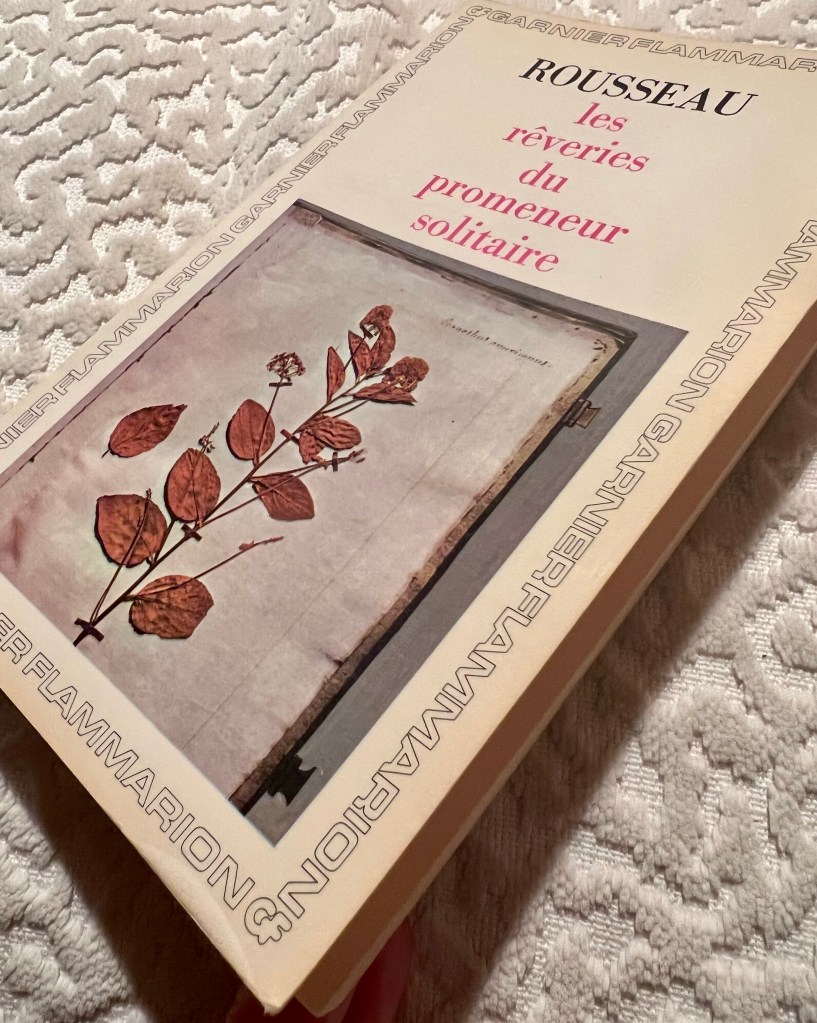
In addition to being good exercise for your body, walking massages the mind. Jean Jacques Rousseau was known for walking. A search will happily provide you with pages of suggested JJ Rousseau walks.

Toward the end of his life he wrote a collection of ten essay’s which are thought to be some of his most lyrical writing.

The closing lines of Troisieme Promenade sure are pretty:

Mais la patience, la douceur, la résignation, l’intégrité, la justice impartial sont un bien qu’on emporte avec soi, et dont on peut s’enrichir sans cesse, sans craindre que la mort même nous en fasse perdre le prix. C’est à cette unique et utile étude que je consacre le reste de ma vieillesse. Heureux si par mes progrès sur moi-même, j’apprends à sortir de la vie, non meilleur, car cela n’est pas possible, mais plus vertueux que je n’y suis entré.

Infrastructure Bill- MN edition

There’s been a lot of celebrating today with the final presidential signature scratching ink across the infrastructure bill’s pages. It’s a lot of cash, that’s for sure. This was the speculation, a few weeks ago, on how the dollars would shake out for Minnesotans:

As with other recent large federal spending bills, the state has some idea what amounts will flow from the various categories but will have to wait weeks, perhaps months, for specific guidance on how it can be spent. The state usually spends about $2 billion a year on road and bridge work from fuel taxes and bonding and will likely receive an additional $4.8 billion over five years for that purpose from the federal law.

In addition to roads and bridges, early estimates are that Minnesota will also get $818 million for public transportation; $680 million for waterworks; $297 million for airport improvements; $100 million to expand broadband access; $68 million to expand electric vehicle charging networks; $20 million for wildfire protection; and $17 million to increase cybersecurity.

MinnPost

Compatibility, a review

I recently switched to an iphone after years of android use. It has been fun to compare their functionality. The ease of the transition is a tribute to Apple’s focus on the user experience. There is one feature, however, that I miss. It is Google Lens. My last phone was Google Pixel and the Google Lens icon is at the lower right hand side of the screen when you open a jpg. For instance, as I sort through some old travel photos from my youth, I often want to know where a shot was taken. Check Google Lens- Presto! It matches the image to ones on Google Maps.

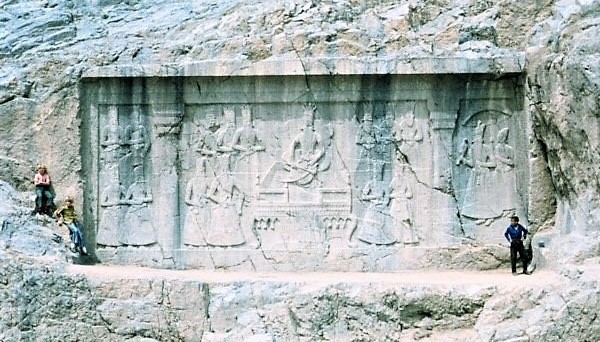
Fath Ali Shah

I tried all sorts of methods to store and open this image from Iran on my new phone but gave up, and went back to my Google Pixel. Tapping on the picture on my old device summoned up web results which identified the location in seconds. The 4000 BC etching is located under a fortified wall at Rey Castle, near Teheran. Subsequent postings by the collective of google map supporters offered views of the image and surrounding landscape from multiple angles.

More than likely I’ll discover how to use Google Lens on my new device. But the fact that so many features are user friendly and this one is not made me reflect on how we are at the mercy of structures easily within our reach. And how we don’t make time (partly because we may not appreciate the benefits) of structures which we have yet to discover.

During the lockdown my family and I started a daily walk routine as it is good exercise and it was one of the few activities open to us. We used aps to monitor distances and times, and struck out looking for new scenic trails. I’m not sure how many times we shook our heads in disbelief that we had only now discovered so many pleasing miles in our figurative back yard.

On a recent trip to Calgary I discovered the ease and reliability of public transit. It was forced on me by the difficulty to secure a rental car in the era of Covid. This reminded me of when I took my kids on the Great Northern Railroad from Minneapolis to Glacier National Park. The line runs from Chicago out to Seattle skirting the northern most border of the US States. It appealed to me as it gave me a break from road tripping with young children and I thought it would make an impression on them. Many of the other passengers from places like Minot, Culbertson and Wolf Point used the rail frequently. It was their preferred form of transportation.

The dominance of some IT structures has made me wonder about other patterns in my life which have steered my activities. Where else have decisions kept me from advantageous experiences? What other take-it-for-granted services are people not using optimally which would make their lives better? And how can we reveal those little connectors to better engage a just-next-door infrastructure we have yet to discover?

Serving up platters of truth

In the first of a newly posted set of podcasts entitled Minds Almost Meeting, Agnes Callard and Robin Hanson tackle the two horned paradox of honesty. Agnes explains that the first horn is to “hold up your communication to the standard of it’s being honest, which is to say, being as truthful as you can.” They define honesty as a form of communication which seeks to work toward actions which results in good. And this is where life is complicated as being truthful can be at odds with an action outcome from such communication.

On the one hand we have a standard for what it is to be honest, and on the other we have the desired action of a good outcome through honest communication. The tension occurs when the words, phrases or inactions are not uniformly applied. Here’s an example. Say the mom of the ace pitcher on a Little League teams says, “We’ll be there” in response to the coach’s tally of who will be at a final playoff game. Earlier that same day the mom told her neighbor, “We’ll be there” when asked about the couples’ interest in a night of canasta.

The same words. The same intentions. But not the same level of commitment. Being a no show to the playoff game is completely different than missing an evening with neighbors over cards and a few beers.

Let me backtrack a minute, to be sure your thoughts have not settled into the neglected neighborhood life, to be sure we are still talking about economics and not social niceties. Youth sports is known to have several benefits. Kids who participate learn about teamwork, prioritize their time, do better (on average) in school and exercise regularly. The persistent advantages from youth sports surface in public health and well being. (There are costs, of course, to the infrastructure which supports these games– but that’s for another post.)

Even occasional gatherings of neighbors for beer and a barbeque or game of cards can generate economic benefits. People hear about jobs or set up connections to contractors or suggest areas in the community which are in need of support. The network marketing that transpires at social gatherings is of value. It is not resented in the way that cigar smoke filled rooms at men’s clubs were in days of yore. The neighborhood is not exclusive in that way. In fact it is a priority to make attendants feel welcome and comfortable.

And for that reason when a guest wears a colorful dress with animals print, she will more than likely receive a compliment. Since the priority in this platter of economic activity is create an ambiance which is fun and upbeat, to be sure that the people are happy to be present, and thus will do their best to get along, little lies are very permissible. It is not a deceit as it goes towards the action of the good of the group activity.

Whereas social niceties is not what is expected for the Little League playoff game. The commitment here is to the team and to winning the game. A no show by any family would be a considerable let down.

Lives are big and messy. We are involved in many activities that vary throughout our lives. The paradox of dishonesty as presented by Agnes Callard is minimized when you align the various economic platters with their expected norms. It’s much easier to accept that in social gathering there will be a lavishing of less than honest flattery.

I do to the Individual, or to the Union?

My daughter came home from high school the other day questioning the appropriateness of a teacher (a math teacher nonetheless) in some way incorporating ‘obey thy husband’ in a conversation with a female athlete. Daughter was sure this was out of line. But as in many cases, the story was missing context. The teacher had switched out his identity. He was on the field as the liaison for the high school’s chapter of the Fellowship of Christian Athletes. Still, daughter was a little taken aback by the submissiveness language.

I shared my own story of how decades earlier, while still in the wedding season of life, I had sat up a little straighter in the pew when the bride utter the Missouri Synod version of the Lutheran marriage vows. ‘Obey my husband’ is still pegged in there between ‘honor him’ and ‘keep him in sickness and in health.’ For the most part the Lutherans church keeps in sync with current trends. Yet this blanket submission seemed as archaic as gilded lettering on a manuscript, then as it does now.

As the teacher was working outside of his day job, he was within his prerogative to reveal a small part of his belief system. My kids had experienced an elementary school era of celebrating every other religion by name, while deferring to their own as a holiday celebration. This has conditioned them to think something is amiss if anything Christian is actually voiced above a whisper. The act has become paramount to a missionary conversion of some sort.

But what bugs me more than propping Christianity in a dark corner, is this attention to minutia which distracts from form. The quick objection to a few words of a ceremony takes away from the conversation of what it means to marry. This drilling down of a few words under the assumption that they will fasten a female’s will to some objectional subjugation is a distraction from the more fruitful conversation of the nature of the binding of two individuals in marriage. What does it look like when offset within a community of mutual cooperation? What form do they become when unified before friends, family and God?

I think it would be helpful to view the new couple and ensuing family as a grouping, a new unit. And within that unit the work its members will get done will more likely be based on skill than specific assignment. But from the outside what that unit consumes or contributes is based on the collection of their activities. If they choose to present their views to the outside world by giving one partner the microphone, this would seem to benefit all of them.

No matter the form of a grouping–a couple, a minority, an association– there are frequently others, on the outside, trying to manipulate their public voice. Trigger topics are metered out to stop conversation about form, the basic building blocks of social arrangements. Those few short words, or few awful people, are set out to distract, so folks divert their time to manufactured issues. And in the confusion their voice is stolen.

Last thoughts- Missoula

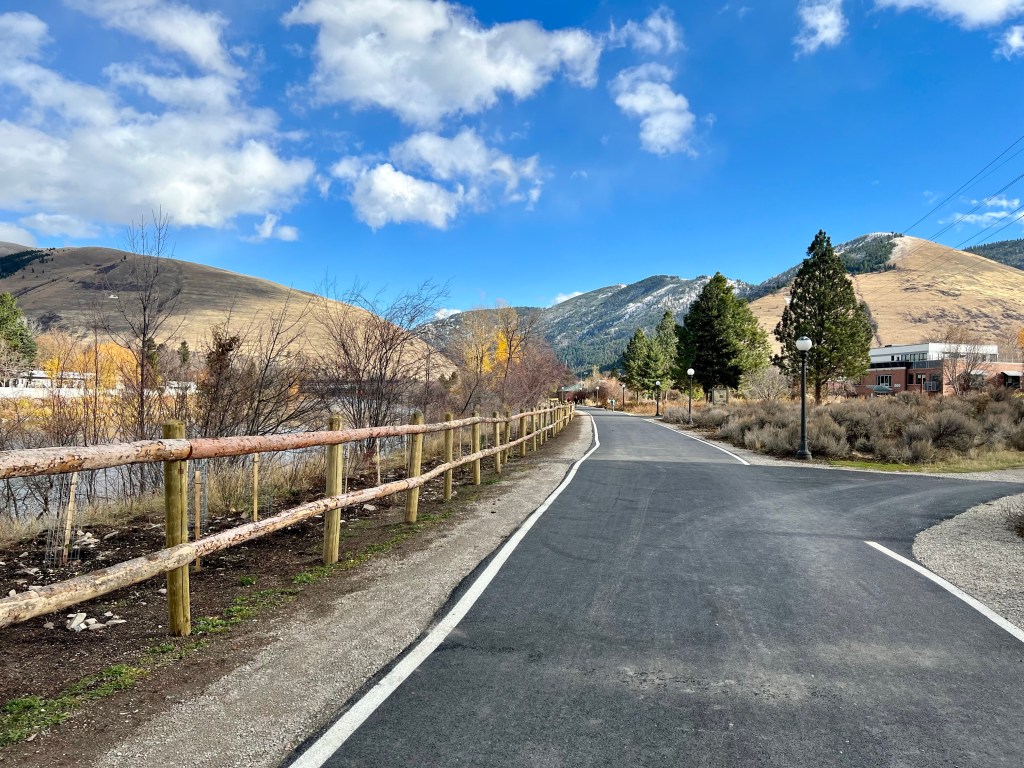
We had some extra time for a walk around Missoula. Parking the car on a spur of a road near the University, we struck out on this path leading us westward along side the Clark Fork River.
The trail infrastructure was quite good. Paths were wide and used by cyclists, walkers and runners. This pedestrian bridge allowed for a scenic river crossing.
If you’re going to have a bench- might as well create an artistic setting.
After getting in a good walk, stop in at one of coffee houses in the historic downtown for a latte and slice of pie.

Tales under open skies

There are two writers who come to mind when I think of the open plains and jagged peaks of the great state of Montana.

Ivan Doig writes of immigrants from Scottish Highlands taking to the land that reminds them of their home country. Between the covers of The Whistling Season and Dancing at the Rascal Fair, it is the ranchers and teachers and forest service workers who tell if their lives; the lives of those who pulled a wilderness into a habitable home.

Don’t bother with his books if you are not interested in descriptive language. A reader who resists words layered in a think paint of illustration should move onto Stegner. Because the beauty of Doig’s writing brings color and emotion into the landscape and lives of those who settled this part of the country with hopes of a better life.

Annie Proulx is another who writes of the American West. She is probably best known for writing the story behind the 2005 film Broke Back Mountain, directed by Ang Lee. There’s a quirkiness in her stories that keeps me interested. A reminder that life is rarely unfurled in a straight and orderly fashion.

Craft sales and trading posts

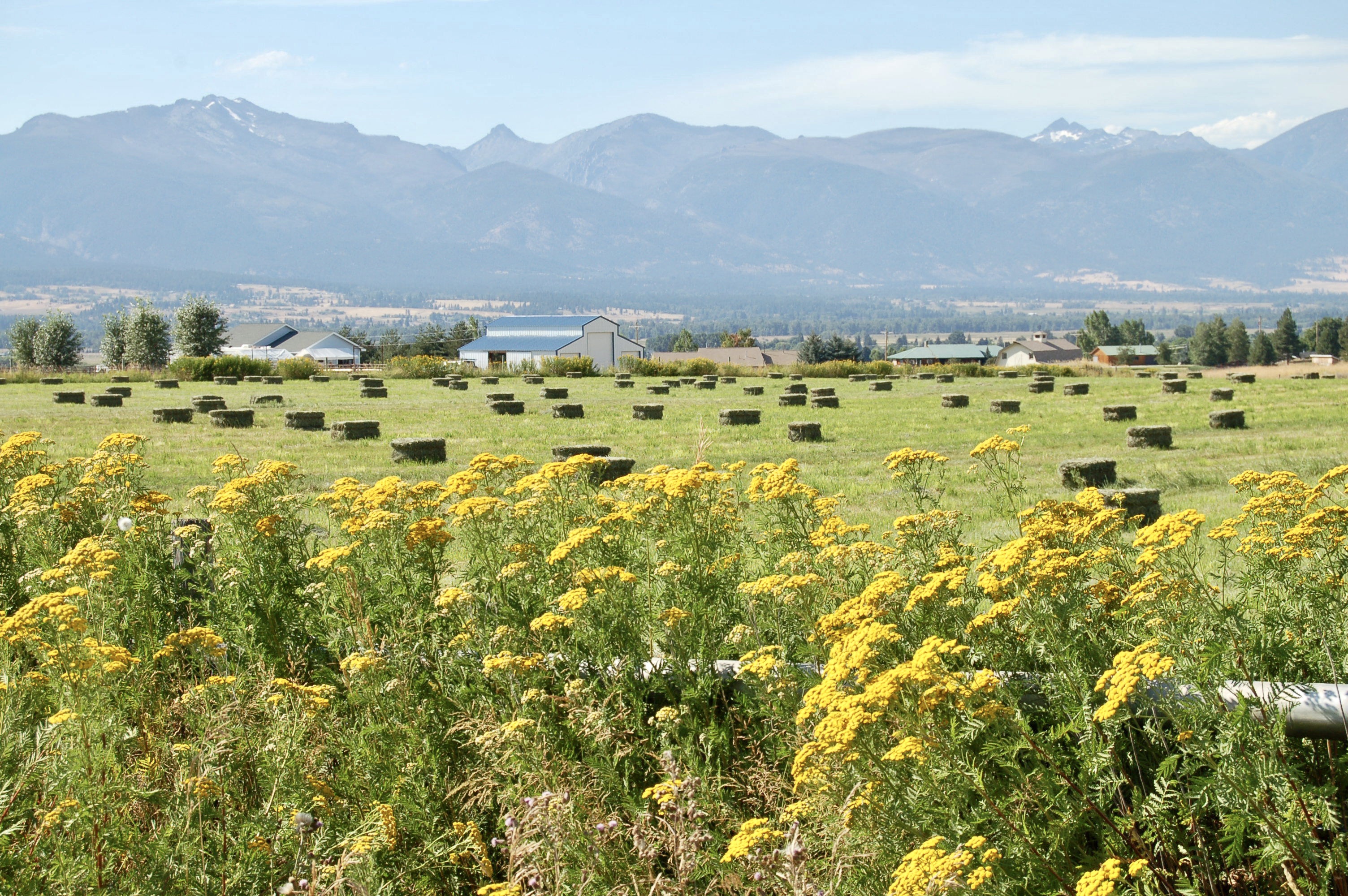
As morning breaks over the Bitterroot Mountains in western Montana, the outlines of the craggy ridges materialize against the lightening sky. Big Sky. It’s the state’s motto. The blue atmosphere embraces you from all sides like a hug from a friend who will not leave you.

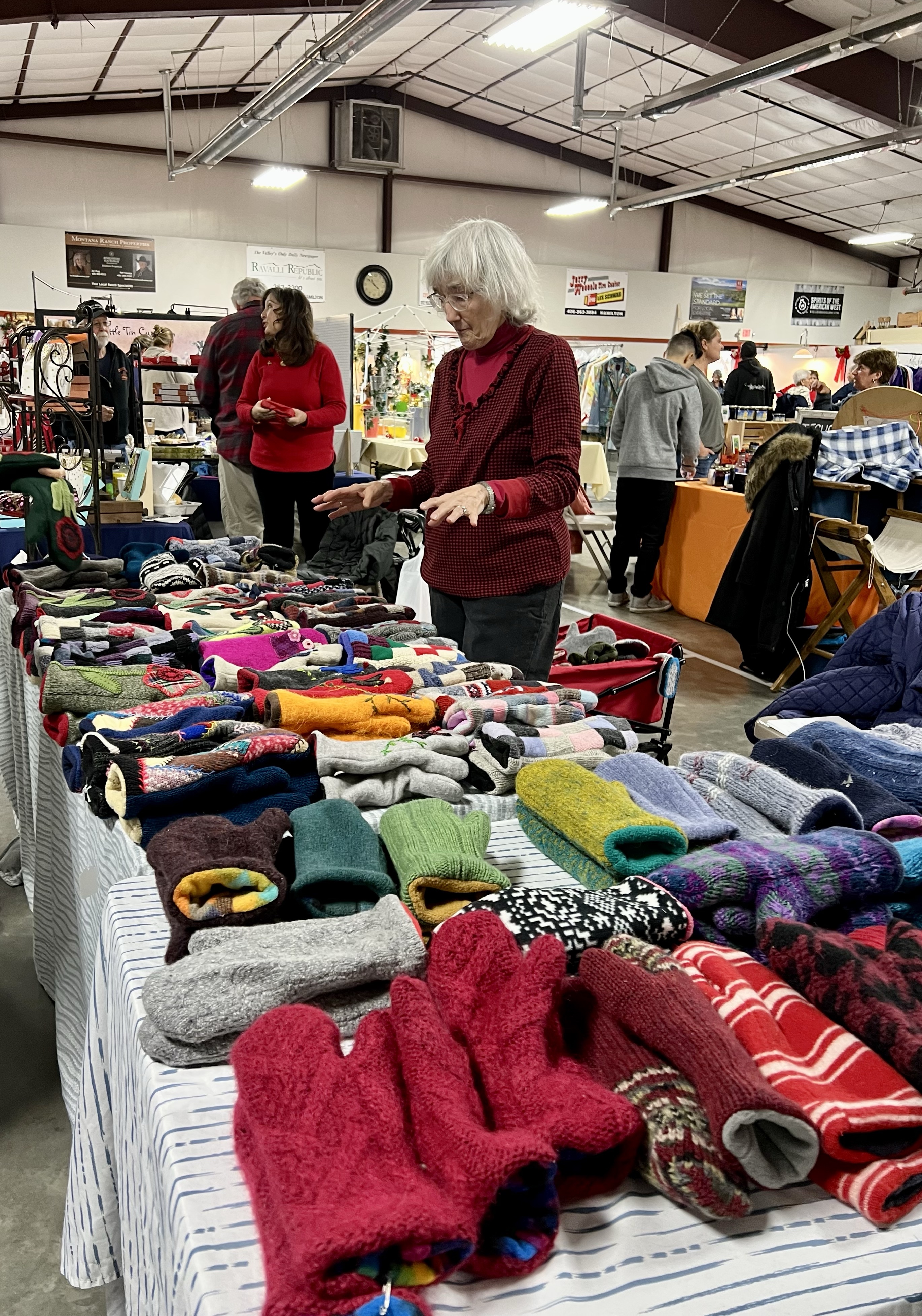
Montana is still remote enough to attract super stars who know the locals won’t be impressed by their presence. No autographs or selfies required. There are still craft fairs where the fine art is in the both besides Brenda selling her fleece lined choppers, made with used sweaters bought at thrift stores. She turned 83 today and we all sang Happy Birthday after the announcement came over the PA. She told me she didn’t have time to sit around. Idleness is not an option.

It’s hunting season and the locals are passionate about their public lands. Miles of it are open to hunters. They are out looking for moose, elk, prong horns if you are ambitious. Low lying clouds roll over the peaks. You can’t miss the beauty of the place. It’s all around you.

The Addis I Knew

Addis skyline in 1974 from the Hilton Hotel

Our posting to Addis was one of the longest in my childhood, so naturally I have many memories from our time there. We arrived in September, at the end of the rainy season. Since our housing wasn’t ready, we lived temporarily at the Hilton Hotel. This photo was taken from one of the upper floors. I believe that is Menelik II Ave rising up on the right side of the photo. If you google present day photos of Addis, you can see how the city has been transformed.

We were fortunate to have traveled across the country during our time. From the Awash valley, to Djibouti, to Lake Langano, up into the Rift Valley, and to trout fishing in the Bale Mountains.

I hope some day to travel there again. But the news update below isn’t encouraging. So for now, US travel is it has to be!

We are seeing the crisis/death of 2nd generation constitutions: Ethiopia with its diversity-sensitive constitution, federalism & self-determination clauses, mirrored in the angst and twitches in South Africa 2/7

Ethiopia reminds us of the limits of the “modernisation” (read big infrastructure ) model that “brings” development and nurtures cohesion through satisfied stomachs. It was rising until it fell 3/7

It also demonstrates that African dysfunction can’t always be attributed to the colonial experience. Ethiopia wasn’t colonised and led a highly storied war against the Italians 4/7

It shows that the existence of a large foreign presence in a country – a regional hub – is no inoculation against state collapse 5/7

Ethiopian conflict proves what has been observed in conflict literature: the best predictor of war in a country is a prior experience with war. Once you break your “peace virginity”, just expect more children down the line 6/7
📸EPA

Last, on a light note, having a Nobel winner ( PM Abiy & Wangari Maathai in Kenya) and great Gold-winning runners (Haile Gebrselassie or Eliud Kipchoge) is no guarantee of peace 7/7

Originally tweeted by Charles Onyango-Obbo (@cobbo3) on November 5, 2021.

Who’s highjacking Voice?

Since George Floyd was murdered on the streets of South Minneapolis on May 25th, 2021 the Minneapolis Police Department has been cast as the great villain in the story of racial injustice. The casting, directing and drumbeat against this service provider has been loud and persistent over the past eighteen months.

Democracy allows those who do not wish to be activists, and stand on street corners shouting their opinions, to express their will in the private ballot box. Thanks to the electoral process we can now see how the breakdown of broadly held opinions.

Question 2, regarding the defunding of the Minneapolis Police Department, appeared on the Minneapolis ballot as follows:

Department of Public Safety

Shall the Minneapolis City Charter be amended to remove the Police Department and replace it with a Department of Public Safety that employs a comprehensive public health approach to the delivery of functions by the Department of Public Safety, with those specific functions to be determined by the Mayor and City Council by ordinance; which will not be subject to exclusive mayoral power over its establishment, maintenance, and command; and which could include licensed peace officers (police officers), if necessary, to fulfill its responsibilities for public safety, with the general nature of the amendments being briefly indicated in the explanatory note below, which is made a part of this ballot? 

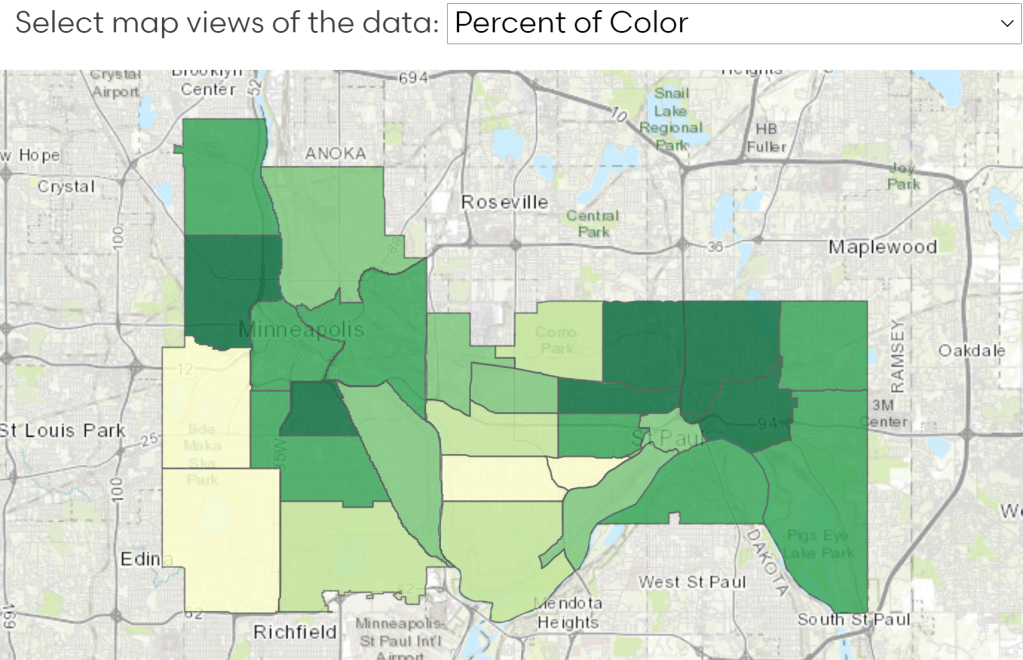
It is not only interesting that the question was firmly rejected by Minneapolis voters in a 56% to 44% margin, but the breakdown of where it was rejected is worth noting. The heat map below shows how the question fared across neighborhoods. In very general terms the southern green portions is where most of the protests and burning of buildings occurred in the summer of 2020. The forest green knot in the mid-right range is the location of the University of Minnesota Twin Cities campus.

The quickest demographic map I was able to ferret out (from mncompass.org which is an excellent resource!) is this one, which also shows St. Paul. But it will do the trick. I want to point out that the top left hand section of the map is an area of Minneapolis strongly favored by minority residents. If you cross reference this nook with the map above you will see that these folks strongly opposed question 2. In other words they support the MPD.
Source: 2014-2018 American Community Survey 5-year estimates, adjusted to fit current neighborhood boundaries using the 2010 Census counts. The 5-year estimates represent averages of data collected over that time period. https://www.mncompass.org/profiles/city/minneapolis

It’s good to remember that the loudest voices can, and seem to often, highjack the voice of those who either aren’t ready or aren’t able to speak for themselves. This was true with the early feminist who chose to speak for all women. This has been true in the last eighteen months for those claiming to speak for the black community.

But the truth is fast friends with democracy, and eventually will find a way of expressing itself.

Yes to the incumbent Mayor, No to power to the Council

Minneapolis voters on Tuesday soundly rejected a proposal to replace the Minneapolis Police Department, crushing the hopes of supporters that outrage over the killing of George Floyd would translate into one of the nation’s most far reaching experiments in transforming public safety.

https://www.startribune.com/minneapolis-voters-reject-plan-to-replace-police-department/600112156/

Humor me

Maybe you will play along with me, and entertain the spaces I want you to imagine.

The one we know well won’t be hard for you to conceptualize. The selfish one. The profit motive, cash intensive one. But there’s the second space too. It is outlined by time, energies and outlays for group things. The things we call public. So, if you can, hold these two dynamic spheres, one of initiating activities toward private profits and a second contributing to yields for the group, in your mind for a minute or two.

The first part of the story is familiar to you. It’s about how private equity firms (there are many big ones like Blackstone, Apollo and Bain) go in and buy up old or floundering businesses and rip away any remaining social ties that may cling to them. Pensions? Gone. Employment contracts? No more. A trustee companion to the surrounding community? I think no longer.

An alumni from my alma mater, Gretchen Morgenson, is a senior financial reporter with NBC and can tell you all about sphere one in her book, The Hidden Force Behind Wealth Inequality in America. In the clip below she focuses on the results of private equity firms becoming the owners and custodians of nursing homes.

The claim that the private equity firms live in the for-profit sphere, and in turn are destructive to social riches is irrefutable. But it is by design. Perhaps it serves the same purpose as the destruction of ancient Sequoia trees in a forest fire. This is part of the process. But most would agree that there are many possible points of optimization in the process of externalizing social contracts and extracting their value through dollars to shareholders.

To come at the quandary from another angle, try to imagine where the flip side of the activities of private equity firms reside. Where in the two spheres is the opposite enterprises underway? Instead of extracting dollars and putting social benefits to rest, dollars are inserted into a network of social activity to substitute for care, education, food and so on.

A place where, at every turn, a community is propped up, rather weakly I might add, by subsidies is also messing with the spheres of activity. And in such a neighborhood where 60-70-80% of the residences live below the poverty level– actors are being stripped of the possibility of engaging in mechanisms of self accomplishment and achievement.

Whether the misuse of money is in the private sphere or the public sphere, the net result is, as Gretchen postulates, a dark force behind wealth inequality.

Solving problems across the entire economic landscape is preferable. Looking for optimizations in multidimensions will provide greater insights. Sorting the industries which favor the nature of the communal or the nature of the private will point out short comings. Understanding the role of subsidy intervention and the power of group relationships will create leverage.

All of this can be stretched across a framework of public and private spheres.