“Keep some room in your heart for the unimaginable.”
Searching for value
“Keep some room in your heart for the unimaginable.”
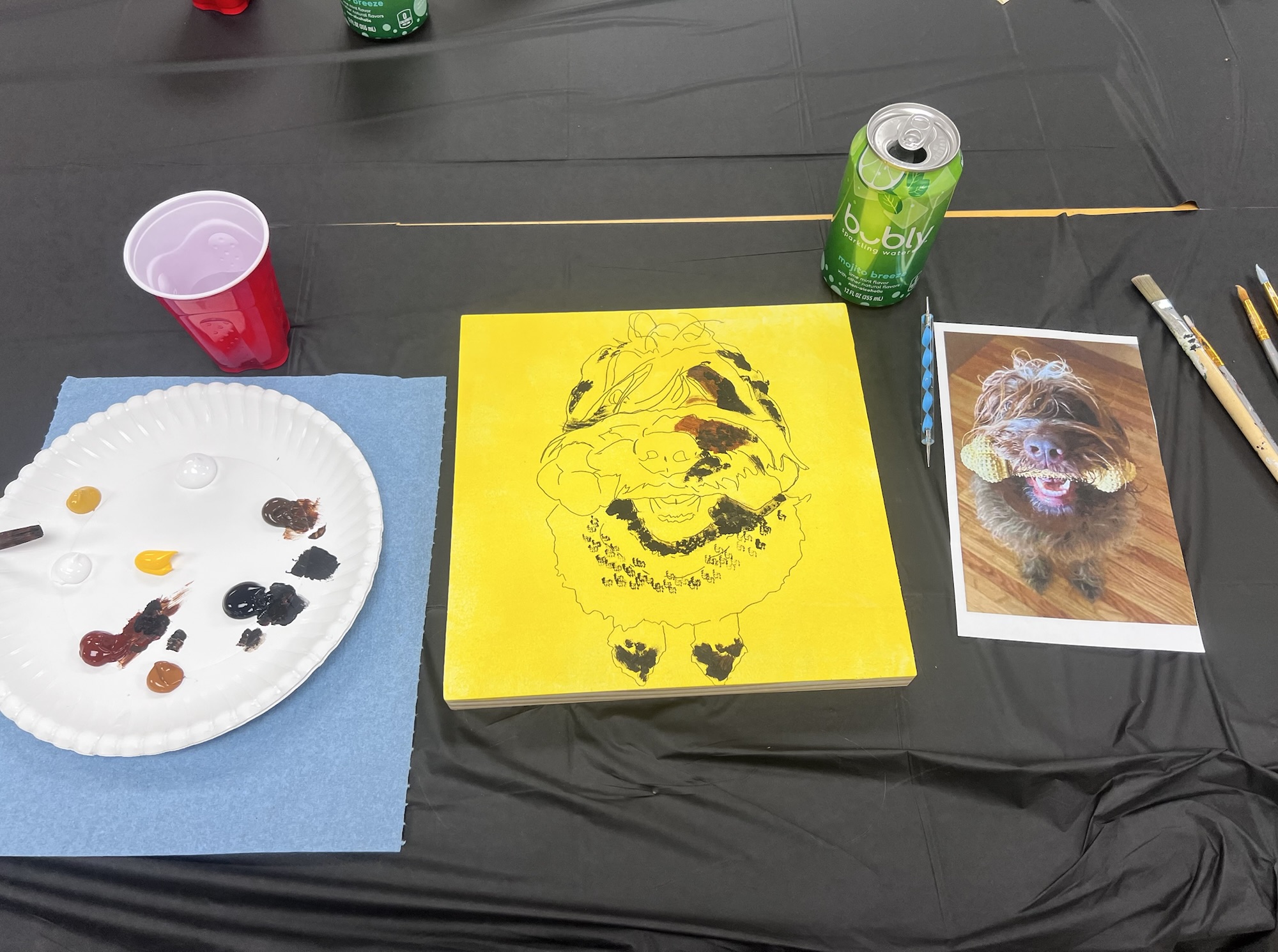
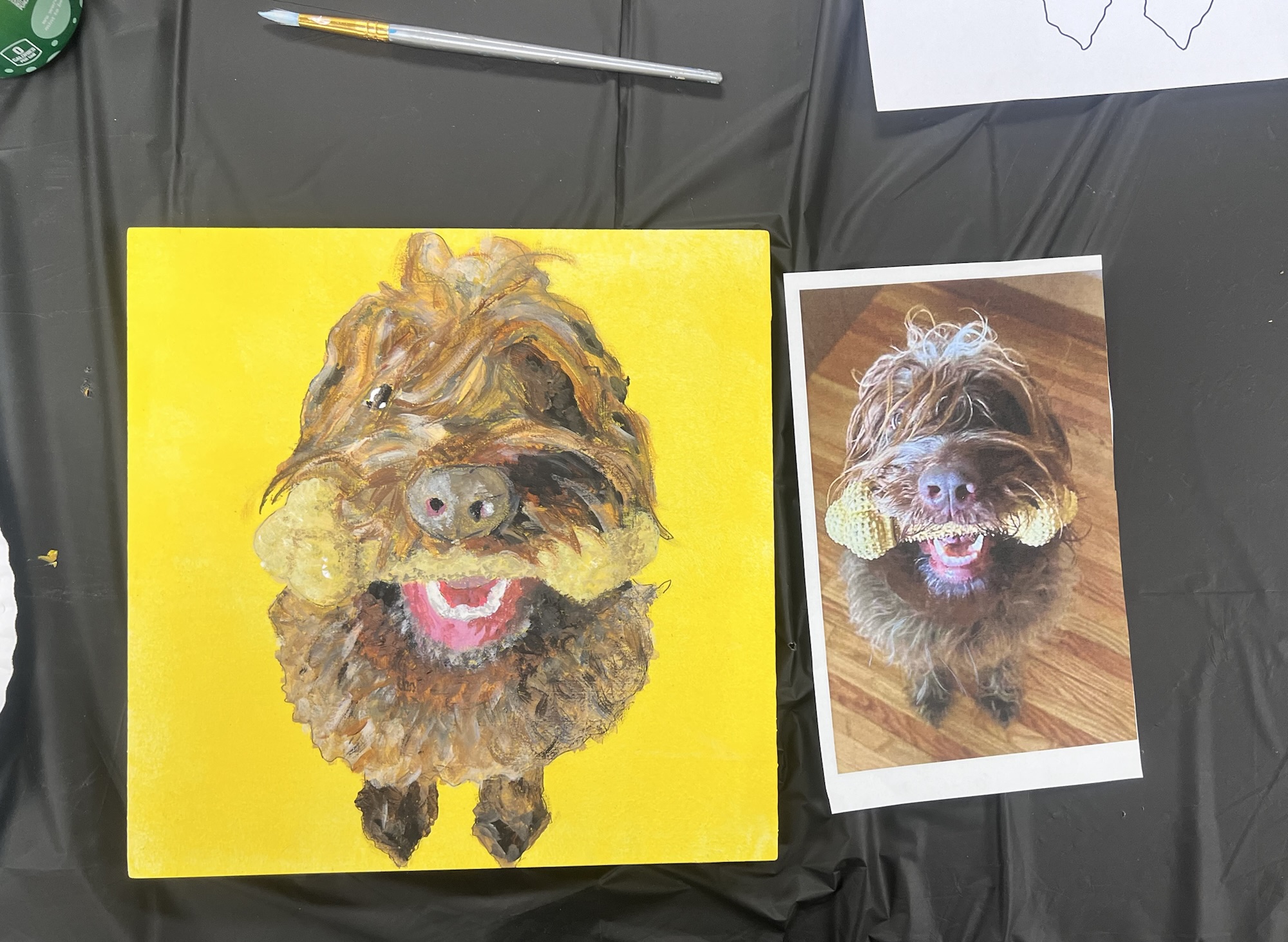
Doing art is fun. Doing art stretches the hand mind connection. Doing art makes your eyes assess values. Doing art can be unpredictable which can be disappointing or rewarding or some blend of both. Doing art captures so much of life in a nugget.
May you arise each morning with a voice of blessing whispering in your heart.
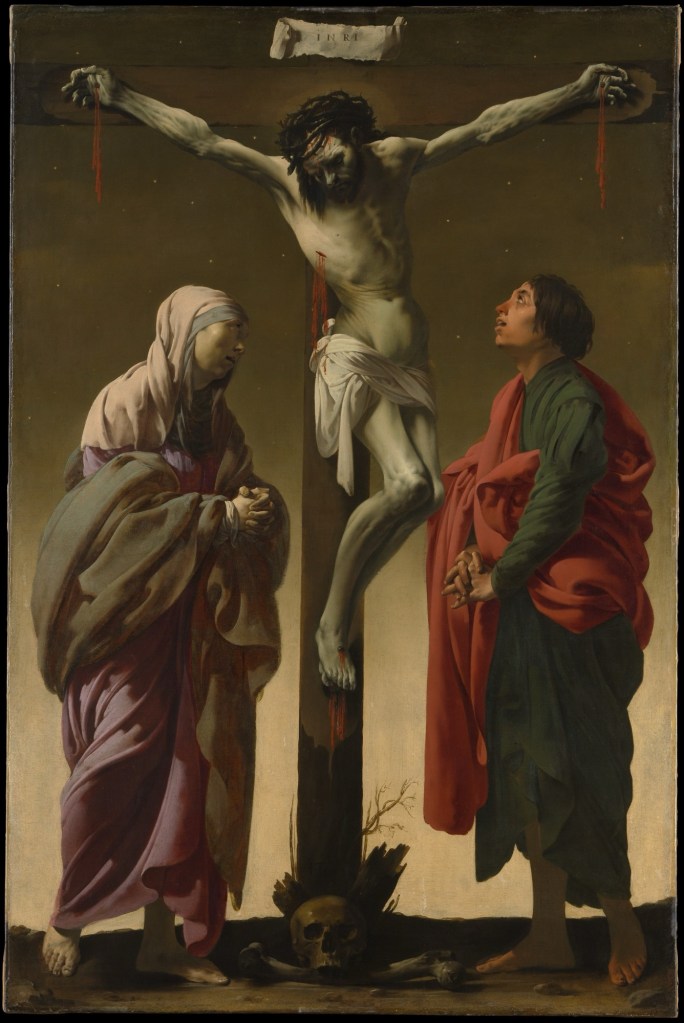
Although painted in the seventeenth century, Ter Brugghen’s scene of Christ’s crucifixion draws on the dramatic, emotional appeal of earlier religious art to inspire the private prayers of a Catholic viewer. The Virgin Mary and John the Evangelist, who flank the cross, provide surrogates for the viewer’s agonized beholding of the crucifixion. The rigorous symmetry of the composition; the flat, star-studded sky; and Christ’s contorted body, with blood streaming from his wounds, intentionally refer to the work of early-sixteenth-century German artists, who were coveted by collectors in Ter Brugghen’s day.
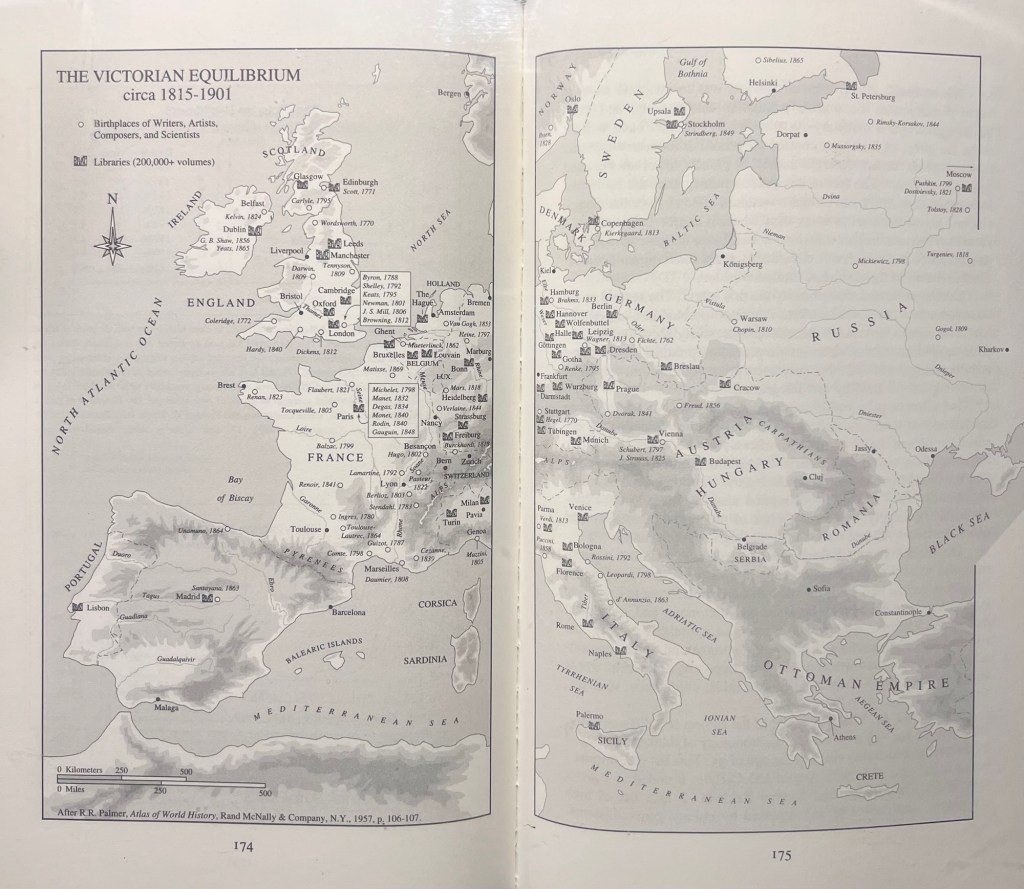
And then Hackett Fischer offers us this:
In the Victorian era, as in the Enlightenment and the Renaissance, creative thinkers in many fields drew their conceptual models from their historical condition. Similar textures of thought appeared in the biology of Darwin (1809-82), the geology of Charles Lyell (1797-1875), the historiography of Leopold von Ranke (I795-1886), the economics of Karl Marx (1818-83), the politics of William Ewart Gladstone (1809-98) and the statecraft of Abraham Lincoln (1809-65).
However different their ideologies may have been, these Victorians all thought of the world in dynamic terms as a process rather than a static state. All of them understood that world-process as a sequence of conflicts which were progressive, coherent, self-regulating and self-sustaining. The Darwinian principle of natural selection, the Rankean idea of historicism, the Marxian model of dialectical materialism, the Lyellian concept of geologic stratiology, the Lincolnian creed of liberal conservatism and the Gladstonian ideology of conservative liberalism shared those qualities in common.
These large ideas resembled the Victorian equilibrium itself, which was a dynamic, progressive, self-balancing and self-sustaining structure of countervailing forces. Most of these thinkers (with a few exceptions such as Lincoln) also shared a spirit that H. G. Wells called “optimistic fatalism.” This, too, was an expression of the Victorian equilbrium, and an instrument by which it was maintained.
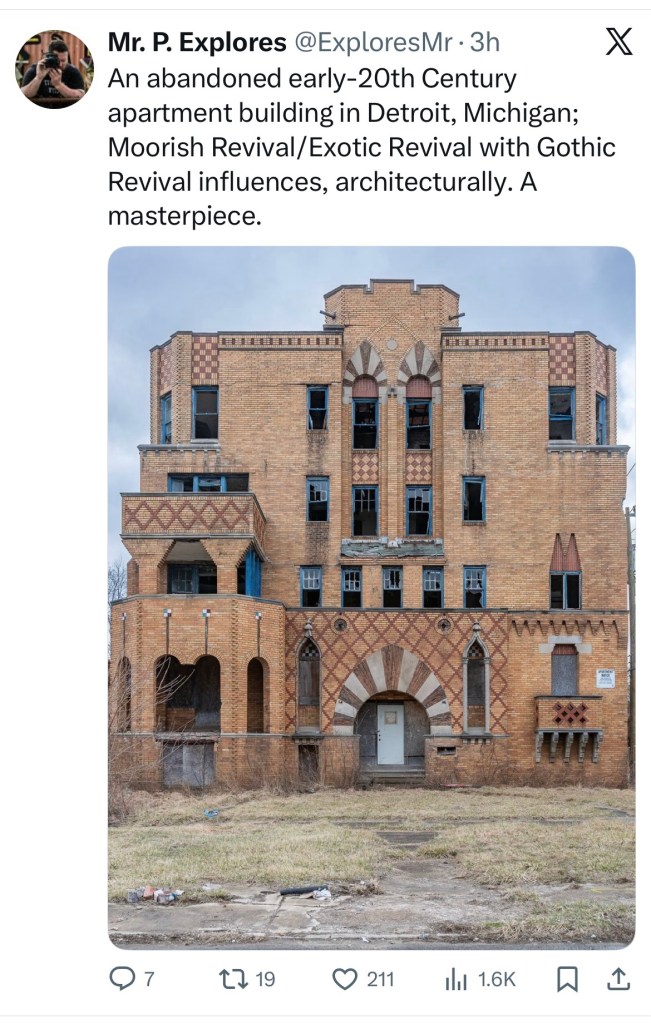
Beauty can be high maintenance.
Is so cool.

More please.
I find an extra element of enthusiasm in Victoria Wyeth’s examinations of her famous grandfather’s paintings. She has many more posts on her FB page (which I could not figure out how to embed!)
One of my favorite Andrew Wyeth paintings has a post of its own.


