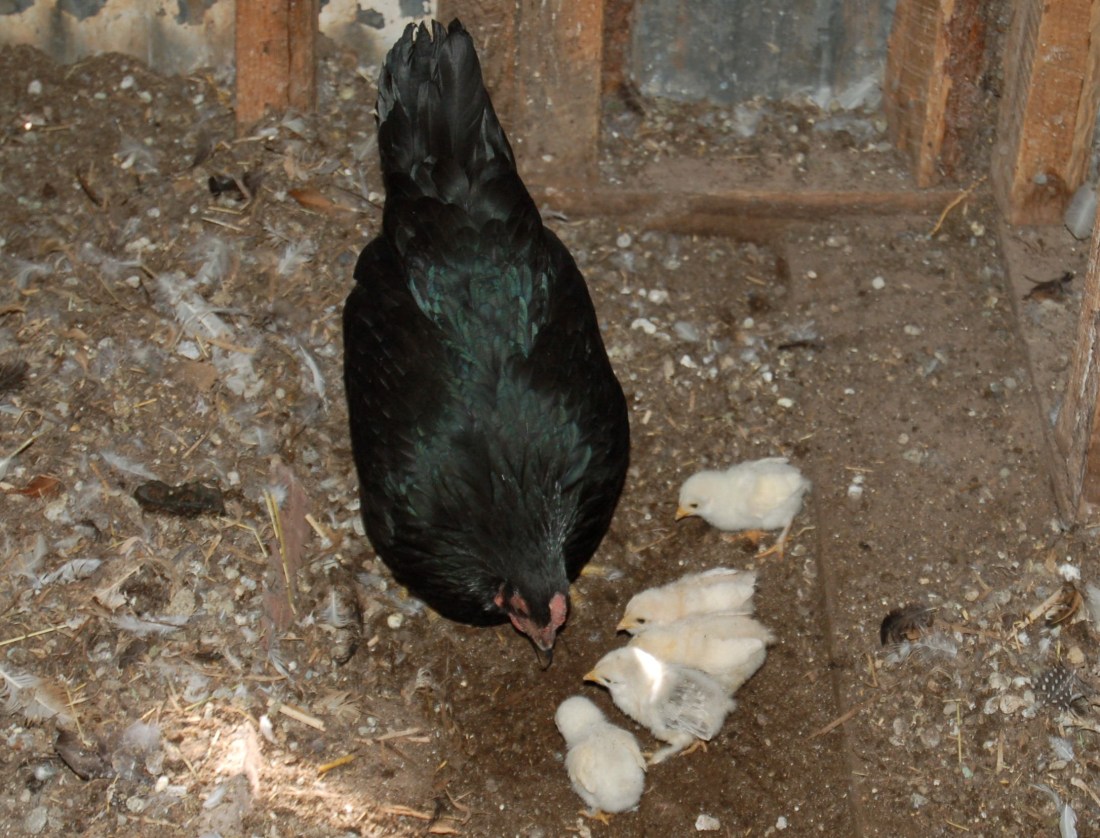
Two Races

I SEEK not what his soul desires. 
  He dreads not what my spirit fears. 
Our Heavens have shown us separate fires. 
  Our dooms have dealt us differing years.
Our daysprings and our timeless dead 
  Ordained for us and still control 
Lives sundered at the fountain-head, 
  And distant, now, as Pole from Pole.
Yet, dwelling thus, these worlds apart, 
  When we encounter each is free 
To bare that larger, liberal heart 
  Our kin and neighbours seldom see.
(Custom and code compared in jest-- 
  Weakness delivered without shame-- 
And certain common sins confessed 
  Which all men know, and none dare blame.)
E'en so it is, and well content 
  It should be so a moment's space, 
Each finds the other excellent, 
  And--runs to follow his own race!

by Rudyard Kipling

Romancing Infrastructure

City Union Bridge spanning the River Clyde, Glasgow, Scotland

River Clyde

The Glasgow people do take pride
In their river both deep and wide,
In early times the youth and maid
Did o’er its shallow waters wade.

But city money did not grudge,
And dug it deep with the steam dredge,
And now proudly on its bosom floats
The mighty ships and great steamboats.

No wonder citizens take pride
For they themselves have made the Clyde,
Great and navigable river,
Where huge fleets will float forever.

Dunbarton’s lofty castle rock
Which oft’ has stood the battle’s shock,
The river it doth boldly guard,
So industry may reap reward.

But more protection still they deem
Is yet required so down the stream
Strong batteries are erected,
So commerce may be safe protected.

Old ocean now he doth take pride
To see upon his bosom ride
The commerce of his youngest bride,
The fair and lovely charming Clyde.

James Mcintyre

Chaucer’s henpecked husbands

The husbands portrayed by Chaucer are uniformly unromantic and pathetically unheroic. Rarely in literature have males been so roundly ridiculed, so easily cajoled, and so blandly cuckolded. Chaucer’s married men are regularly henpecked, humiliated, beaten, betrayed, and exhibited as objects of defenseless servility. In a few rare instances-“The Knight’s Tale” and “The Franklin’s Tale” are two of them-Chaucer allows that marriage and love can flourish in the same bed. But the poor husband is at peace only if he relinquishes the role of master and remains a servant to his termagant spouse.

Lives of the Poet’s, Louis Untermeyer

Apparently the macho male, master of his family, is a more modern creation. From the 1300’s to today, something changed in the power structure of marriage. Domestic power in the Middle Ages swilled around the women. And Chaucer didn’t mince words on how its influence appeared in the fairer sex.

Women as women, however-and, in particular, women as wives were terrible realities. They were not merely shrewish but shameless, garrulous, greedy, disloyal, and licentious. Worse, they were united in an un written but universally recognized conspiracy to subject their husbands to every possible indignity. The husband of Philippa cannot be definitely identified with the creator of The Canterbury Tales, but it is unlikely that a happily married author would speak so scurrilously of the marital state and take obvious pleasure in so many humiliating incidents, grimly detailing the triumphs ofSo wifehood and the ignominious capitulation of the woman’s miserable partner.

In the 600 years since Chaucer is thought to have wrote The Canterbury Tales (around 1380) household power dynamics made a mighty shift. Now that women have come back into their own, maybe it’s time to be on the watch once again for the hen pecked husbands.

The Butterfly

The Butterfly

by Alice Freeman Palmer

I HOLD you at last in my hand,
— Exquisite child of the air.
Can I ever understand
— How you grew to be so fair?

You came to my linden tree
— To taste its delicious sweet,
I sitting here in the shadow and shine
— Playing around its feet.

Now I hold you fast in my hand,
— You marvelous butterfly,
Till you help me to understand
— The eternal mystery.

From that creeping thing in the dust
— To this shining bliss in the blue!
God give me courage to trust
— I can break my chrysalis too!

Robert Louis Stevenson weighs in on Shadows

I have a little shadow that goes in and out with me,
And what can be the use of him is more than I can see.
He is very, very like me from the heels up to the head;
And I see him jump before me, when I jump into my bed.

The funniest thing about him is the way he likes to grow—
Not at all like proper children, which is always very slow;
For he sometimes shoots up taller like an india-rubber ball,
And he sometimes gets so little that there’s none of him at all.

He hasn’t got a notion of how children ought to play,
And can only make a fool of me in every sort of way.
He stays so close beside me, he’s a coward you can see;
I’d think shame to stick to nursie as that shadow sticks to me!

One morning, very early, before the sun was up,
I rose and found the shining dew on every buttercup;
But my lazy little shadow, like an arrant sleepy-head,
Had stayed at home behind me and was fast asleep in bed.

Source: The Golden Book of Poetry (1947)