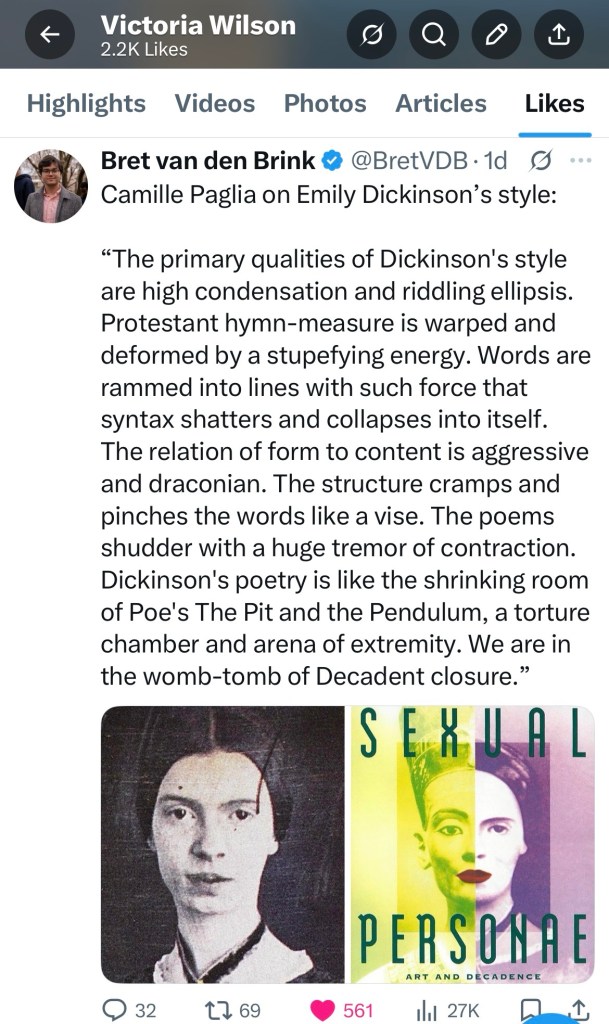
Paglia on Dickinson
Searching for value
Thrice happy she that is so well assured Unto herself and settled so in heart That neither will for better be allured Ne fears to worse with any chance to start, But like a steddy ship doth strongly part The raging waves and keeps her course aright; Ne aught for tempest doth from it depart, Ne aught for fairer weather’s false delight. Such self-assurance need not fear the spight Of grudging foes; ne favour seek of friends; But in the stay of her own stedfast might Neither to one herself nor other bends. Most happy she that most assured doth rest, But he most happy who such one loves best.
Edmund Spenser
Between the hand and the waiting page
a quiet question breathes:
Is it the eye that reaches down
to press its longing onto paper,
or does the page lift itself
toward the gaze, hungry to be seen?
Pencil grazes, tentative,
then sure—
each line a whispered nerve
finding its twin across the white.
Logic wakes in the meeting of marks:
here a curve bows to angle,
there a straight path kisses its own return.
Edge finds edge like lovers
recognizing the shape of home.
Balance is not declared—
it arrives,
soft as breath held,
sudden as dawn
when the last connection
closes the circuit
and the project,
once mist,
now stands solid
inside the mind’s lit room.
They are rattling breakfast plates in basement kitchens,
and along the trampled edges of the street
I am aware of the damp souls of housemaids
sprouting despondently at area gates.

The brown waves of fog toss up to me
twisted faces from the bottom of the street,
and tear from a passer-by with muddy skirts
an aimless smile that hovers in the air
and vanishes along the level of the roofs.
Hope
HOPE is the thing with feathers
That perches in the soul, And sings the tune without the words,
And never stops at all,

And sweetest in the gale is heard; And sore must be the storm
That could abash the little bird
That kept so many warm. I've heard it

in the chillest land,
And on the strangest sea; Yet, never, in extremity,
It asked a crumb of me.
Emily Dickinson
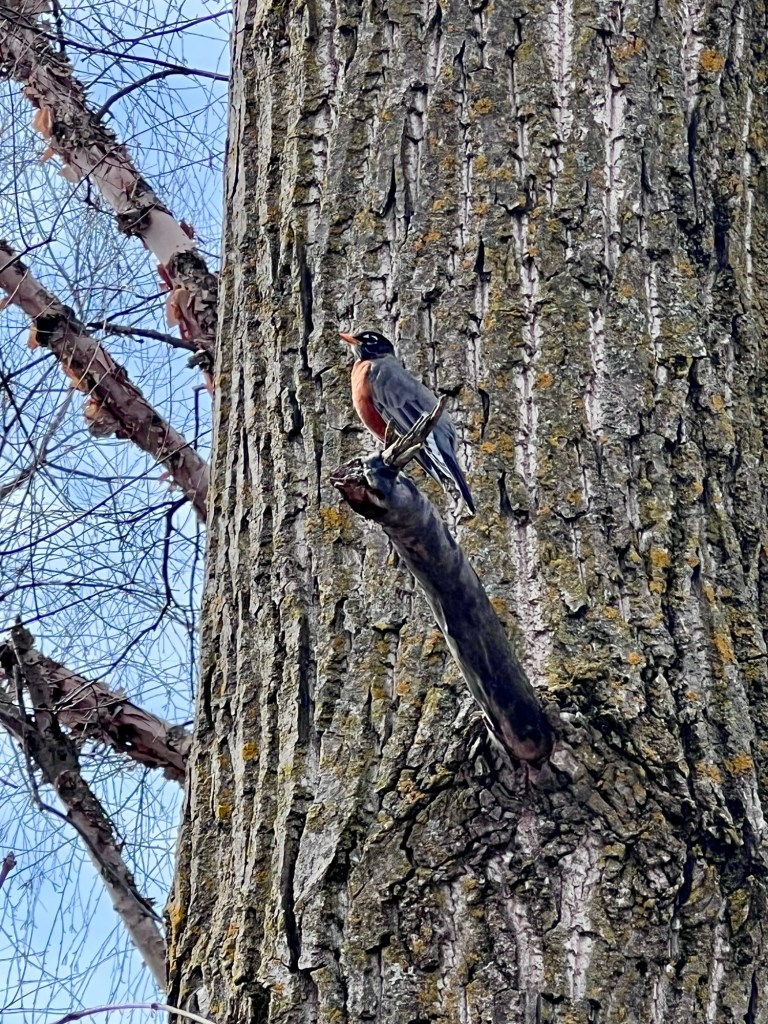
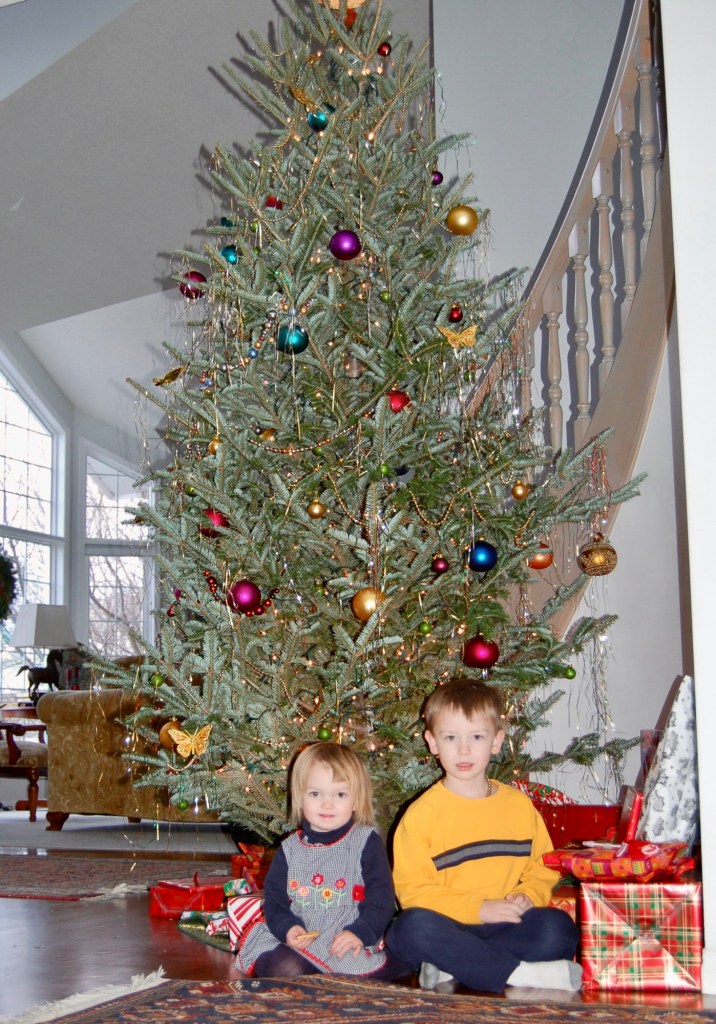
A memory from years gone by, but the message is enduring.
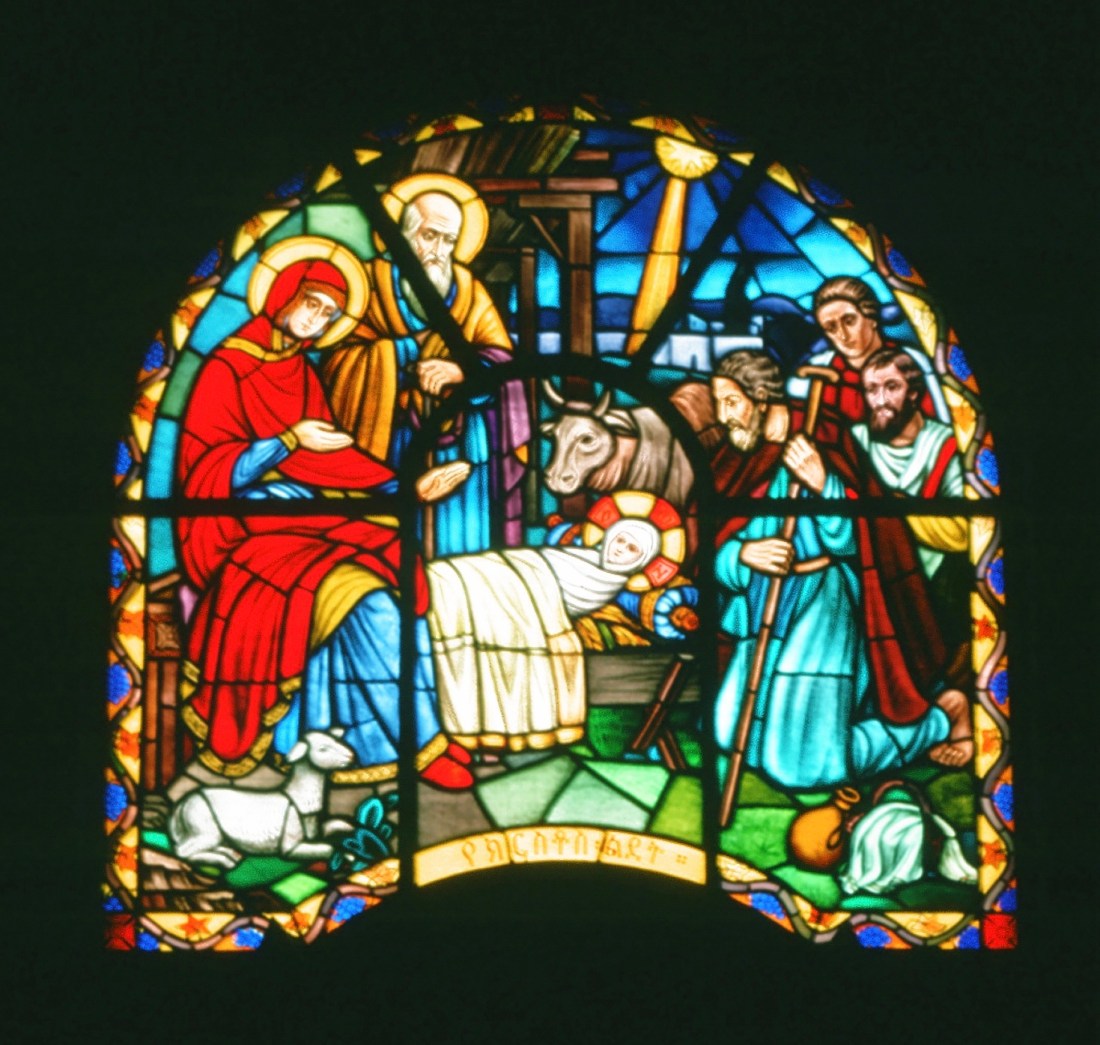
May the baby in the manager bring grace into your lives and protect you from harm.
Let the peace of Christ rule in your hearts, since as members of one body you were called to peace.

And be thankful.

Let the message of Christ dwell among you richly as you teach and admonish one another with all wisdom through psalms, hymns, and songs from the Spirit, singing to God with gratitude in your hearts.

And whatever you do, whether in word or deed, do it all in the name of the Lord Jesus, giving thanks to God the Father through Him.

I died for Beauty - but was scarce
Adjusted in the Tomb
When One who died for Truth, was lain
In an adjoining Room -

He questioned softly "Why I failed"?
"For Beauty", I replied -
"And I - for Truth - Themself are One -
We Brethren are",  He said -

And so, as Kinsmen, met a Night —
We talked between the Rooms -
Until the Moss had reached our lips -
And covered up  - Our names -
We're foot—slog—slog—slog—sloggin’ over Africa!

Foot—foot—foot—foot—sloggin’ over Africa—

(Boots—boots—boots—boots—movin’ up and down again!)

            There’s no discharge in the war!

The Wind- Emily Dickinson
It’s like the light, —
A fashionless delight
It’s like the bee, —
A dateless melody.
It’s like the woods,
Private like breeze,
Phraseless, yet it stirs
The proudest trees.
It’s like the morning, —
Best when it’s done, —
The everlasting clocks
Chime noon.
Blessed are those who mourn, for they shall be comforted – Matthew 5:4

I can’t thank fortune enough for that sweet twist of fate,
Our worlds collided, bound, some forty years to date.
Yet here we sit, on lawn chairs side by side,
On a grassy knoll where lake and sky abide.
The birds weave songs through whispers of the breeze,
Their calls a chorus, soft beneath the trees.
We share our stories, threads of joy and pain,
Each word a ripple on the lake’s serene domain.
No grand design, no fate’s unyielding hand,
Just us, this moment, on this gentle land.
Grateful am I, for this sweet chance to know,
The peace of hearts aligned where wild things grow.

Everyone thinks of changing the world, but no one thinks of changing himself.
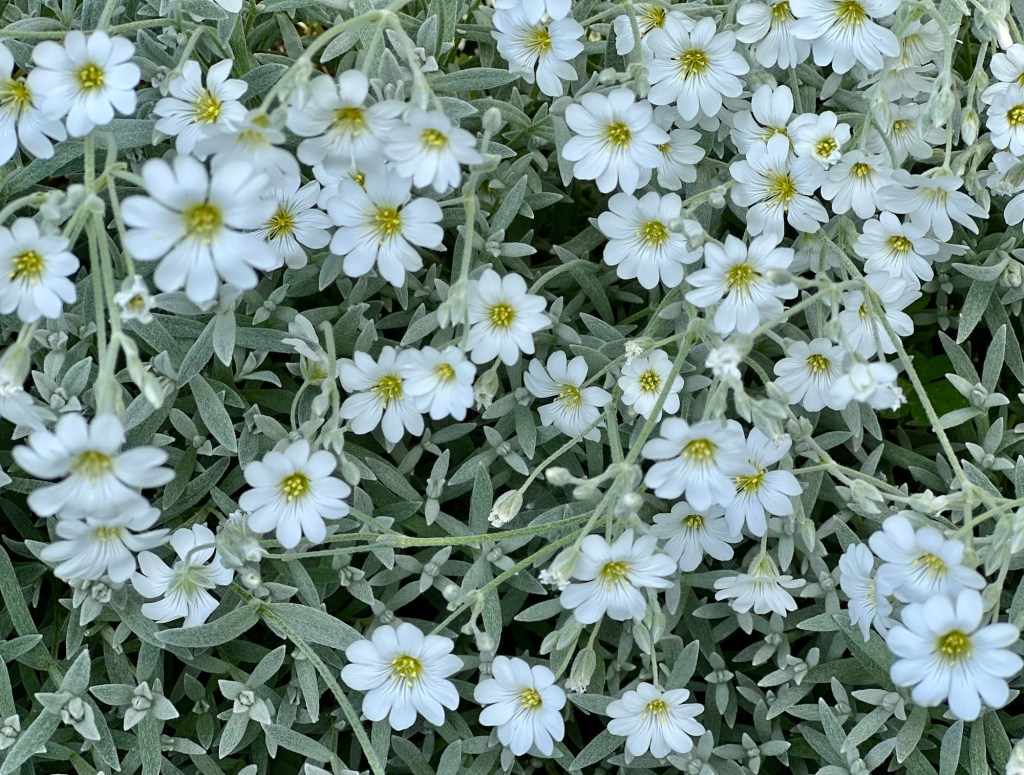

“Hope” is the thing with feathers -
That perches in the soul -
And sings the tune without the words -
And never stops - at all -

And sweetest - in the Gale - is heard -
And sore must be the storm -
That could abash the little Bird
That kept so many warm -

I’ve heard it in the chillest land -
And on the strangest Sea -
Yet - never - in Extremity,
It asked a crumb - of me.
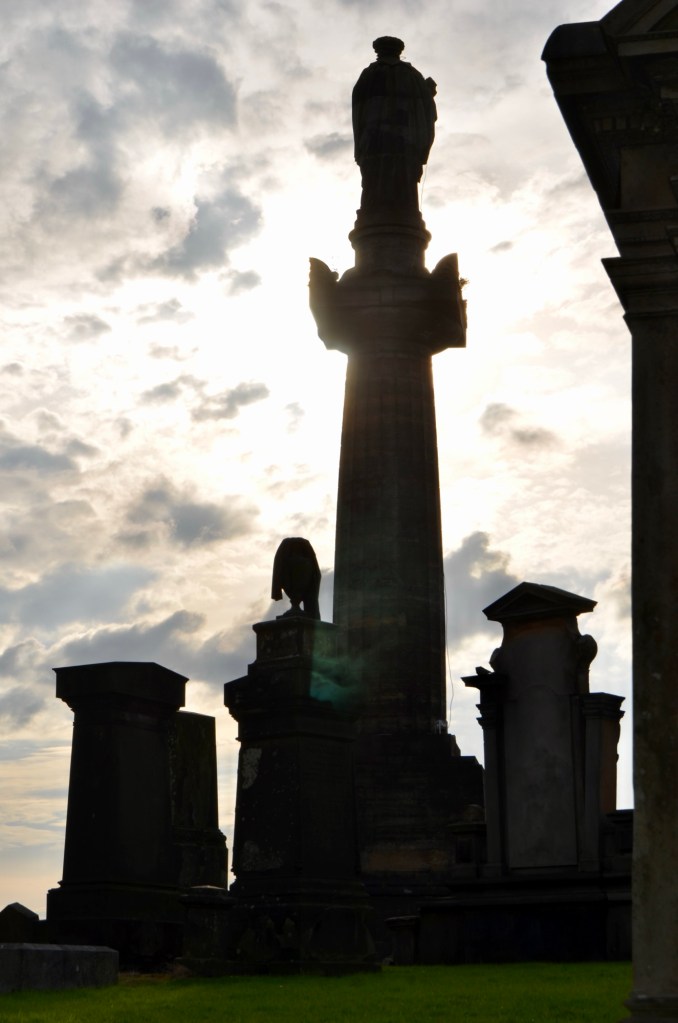
“The life of the dead is placed in the memory of the living.”
Marcus Tullius Cicero
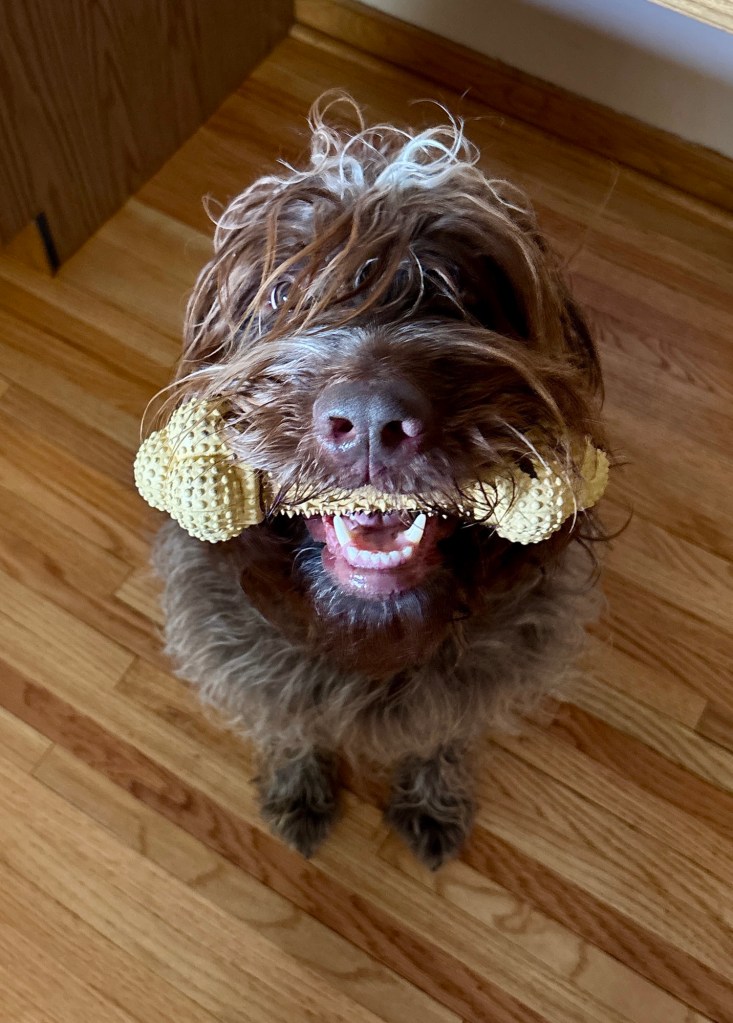
Ode to Pepe (Jean Pierre)
Oh Pepe, my Jean Pierre, with fur so wild and free,
A shaggy heart of gold, you bring such joy to me.
Your eyes, they gleam with mischief, your spirit pure and bright,
A faithful friend, a bounding soul, my beacon in the light.
With a ball in sight, you leap, a furry streak of glee,
Across the wooden floors, you chase so merrily.
Your tail a wagging metronome, your bark a song of play,
You fetch with such devotion, brightening every day.
Affection in your nuzzle, your warmth against my side,
A loyal companion, in you I can confide.
Through morning walks at sunrise, or evenings calm and still,
Your love, dear Pepe, is a gift, a void you’ll always fill.
Oh Jean Pierre, my Pepe, with your toy held oh so tight,
You dance through life with fervor, a canine pure delight.
Forever will I cherish each moment that we share,
My ball-fetching, faithful friend, my Pepe, Jean Pierre.
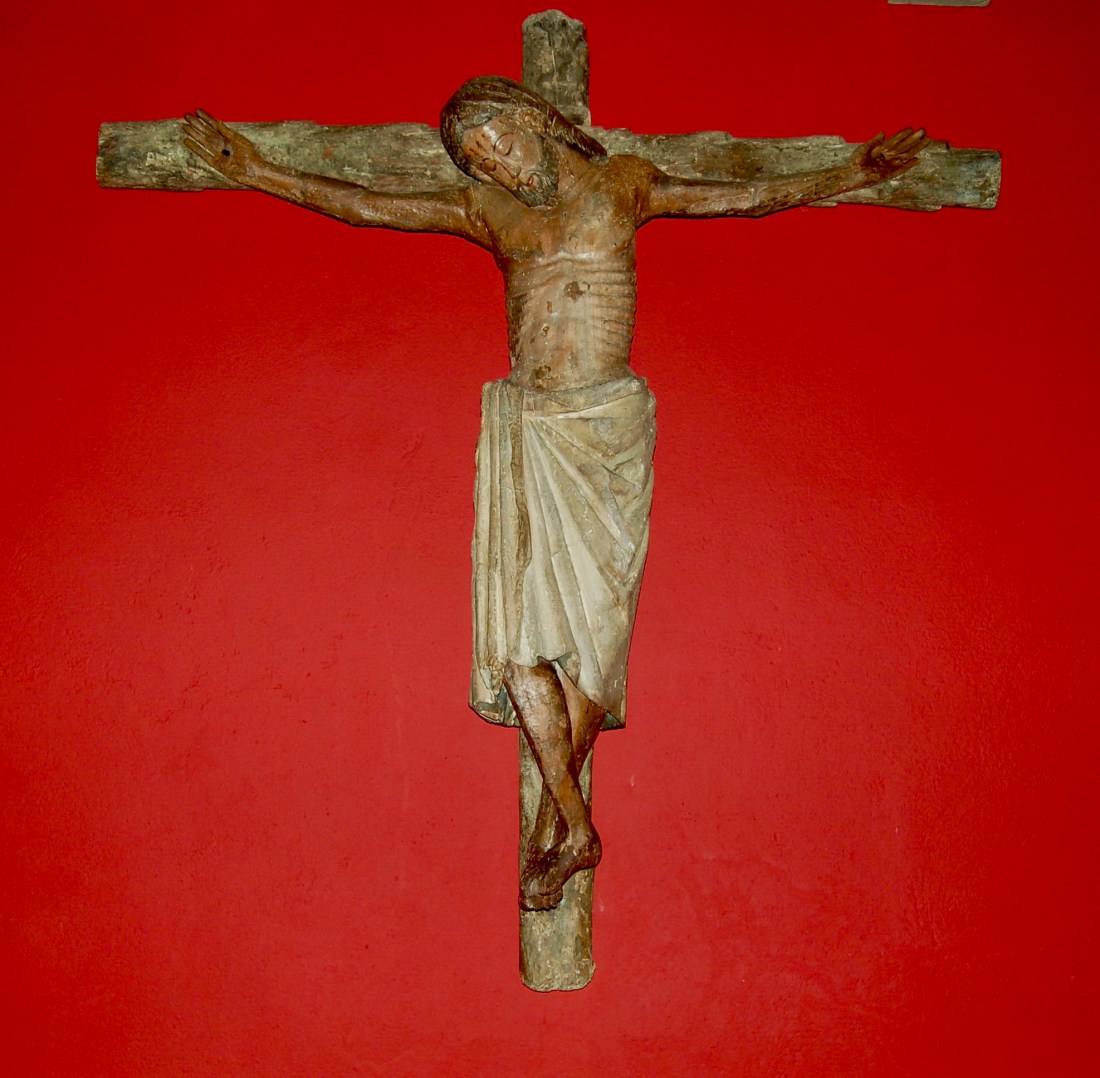
“When Christ died, He died for you individually, just as much as if you’d been the only man in the world.”
A light exists in spring
Not present on the year
At any other period.
When March is scarcely here

A color stands abroad
On solitary hills
That science cannot overtake,
But human nature feels.

It waits upon the lawn;
It shows the furthest tree
Upon the furthest slope we know;
It almost speaks to me.

Then, as horizons step,
Or noons report away,
Without the formula of sound,
It passes, and we stay:

A quality of loss
Affecting our content,
As trade had suddenly encroached
Upon a sacrament.
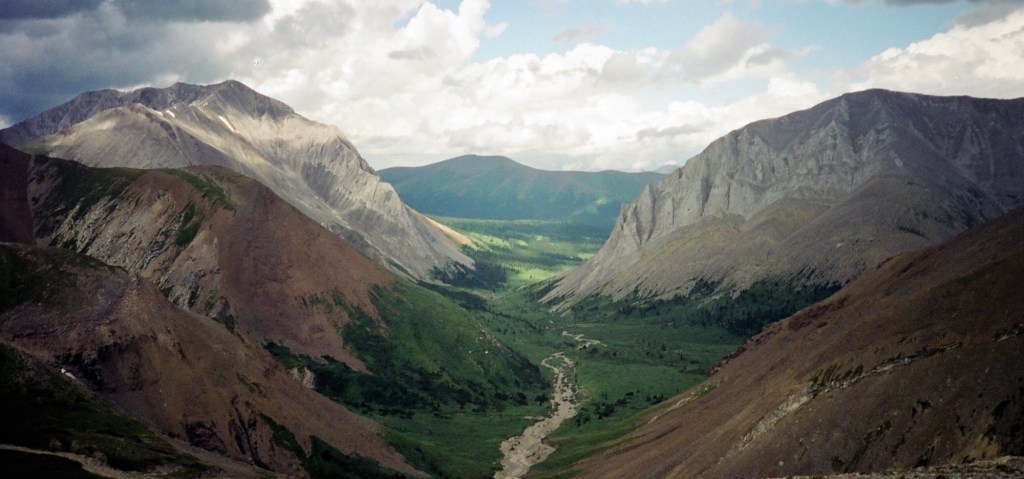
I’ll tell you how the sun rose, -
A ribbon at a time.
The steeples swam in amethyst,
The news like squirrels ran.

The hills untied their bonnets,
The bobolinks begun.
Then I said softly to myself,
"That must have been the sun!"

But how he set, I know not.
There seemed a purple stile.
Which little yellow boys and girls
Were climbing all the while

Till when they reached the other side,
A dominie in gray
Put gently up the evening bars,
And led the flock away.

Emily Dickinson

It’s good to think of flowers this time of year
When the ground’s frozen crust caps the earth in fear
The fluffy petals in playful colors gently sent the air
When the soft southern gusts tussle their hair
Today is harsh and hard- even the cheery sun turns ice to glare
But soon, dear friend, the earth’s soil will soften, so don’t despair
Simply think of flowers this time of year.
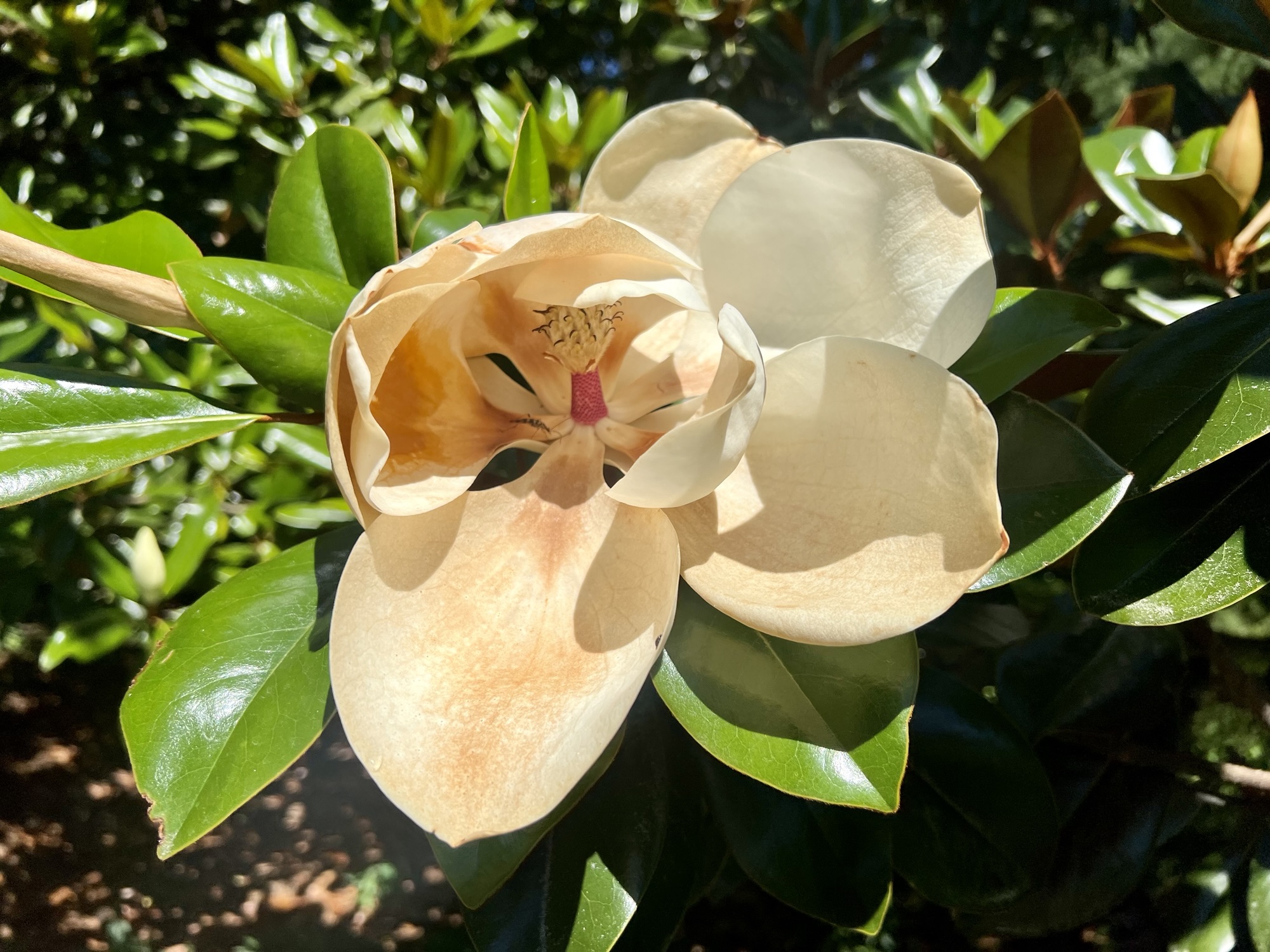


1779 – 1863
‘Twas the night before Christmas, when all through the house
Not a creature was stirring, not even a mouse;
The stockings were hung by the chimney with care,
In hopes that St. Nicholas soon would be there;
The children were nestled all snug in their beds,
While visions of sugar-plums danced in their heads;
And mamma in her ’kerchief, and I in my cap,
Had just settled our brains for a long winter’s nap,
When out on the lawn there arose such a clatter,
I sprang from the bed to see what was the matter.
Away to the window I flew like a flash,
Tore open the shutters and threw up the sash.
The moon on the breast of the new-fallen snow
Gave the lustre of mid-day to objects below,
When, what to my wondering eyes should appear,
But a miniature sleigh, and eight tiny reindeer,
With a little old driver, so lively and quick,
I knew in a moment it must be St. Nick.
More rapid than eagles his coursers they came,
And he whistled, and shouted, and called them by name;
“Now, Dasher! now, Dancer! now, Prancer and Vixen!
On, Comet! on, Cupid! on, Donder and Blitzen!
To the top of the porch! to the top of the wall!
Now dash away! dash away! dash away all!”
As dry leaves that before the wild hurricane fly,
When they meet with an obstacle, mount to the sky;
So up to the house-top the coursers they flew,
With the sleigh full of Toys, and St. Nicholas too.
And then, in a twinkling, I heard on the roof
The prancing and pawing of each little hoof.
As I drew in my head, and was turning around,
Down the chimney St. Nicholas came with a bound.
He was dressed all in fur, from his head to his foot,
And his clothes were all tarnished with ashes and soot;
A bundle of Toys he had flung on his back,
And he looked like a pedler just opening his pack.
His eyes—how they twinkled! his dimples how merry!
His cheeks were like roses, his nose like a cherry!
His droll little mouth was drawn up like a bow
And the beard of his chin was as white as the snow;
The stump of a pipe he held tight in his teeth,
And the smoke it encircled his head like a wreath;
He had a broad face and a little round belly,
That shook when he laughed, like a bowlful of jelly.
He was chubby and plump, a right jolly old elf,
And I laughed when I saw him, in spite of myself;
A wink of his eye and a twist of his head,
Soon gave me to know I had nothing to dread;
He spoke not a word, but went straight to his work,
And filled all the stockings; then turned with a jerk,
And laying his finger aside of his nose,
And giving a nod, up the chimney he rose;
He sprang to his sleigh, to his team gave a whistle,
And away they all flew like the down of a thistle,
But I heard him exclaim, ere he drove out of sight,
“Happy Christmas to all, and to all a good-night.”
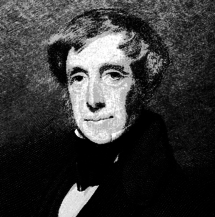
If I can stop one heart from breaking,
I shall not live in vain;
If I can ease one life the aching,
Or cool one pain,
Or help one fainting robin
Unto his nest again,
I shall not live in vain.


17 And the Spirit and the bride say, Come.
And let him that heareth say, Come.
And let him that is athirst come.
And whosoever will, let him take the water of life freely.
O! say can you see by the dawn’s early light,
What so proudly we hailed at the twilight’s last gleaming,
Whose broad stripes and bright stars through the perilous fight,
O’er the ramparts we watch’d, were so gallantly streaming?
And the rockets’ red glare, the bombs bursting in air,
Gave proof through the night that our flag was still there;
O! say does that star-spangled banner yet wave,
O’er the land of the free, and the home of the brave?

On the shore dimly seen through the mists of the deep,
Where the foe’s haughty host in dread silence reposes,
What is that which the breeze, o’er the towering steep,
As it fitfully blows, half conceals, half discloses?
Now it catches the gleam of the morning’s first beam,
In full glory reflected now shines in the stream,
‘Tis the star-spangled banner, O! long may it wave
O’er the land of the free, and the home of the brave.

And where is that band who so vauntingly swore
That the havoc of war and the battle’s confusion,
A home and a country, shall leave us no more?
Their blood has washed out their foul footsteps’ pollution.
No refuge could save the hireling and slave,
From the terror of flight, or the gloom of the grave,
And the star-spangled banner in triumph doth wave,
O’er the land of the free, and the home of the brave.

O! thus be it ever, when freemen shall stand
Between their lov’d home and the war’s desolation,
Blest with vict’ry and peace, may the Heav’n rescued land
Praise the Power that hath made and preserved us a nation!
Then conquer we must, when our cause it is just,
And this be our motto: “In God is our trust;”
And the star-spangled banner in triumph shall wave
O’er the land of the free, and the home of the brave.
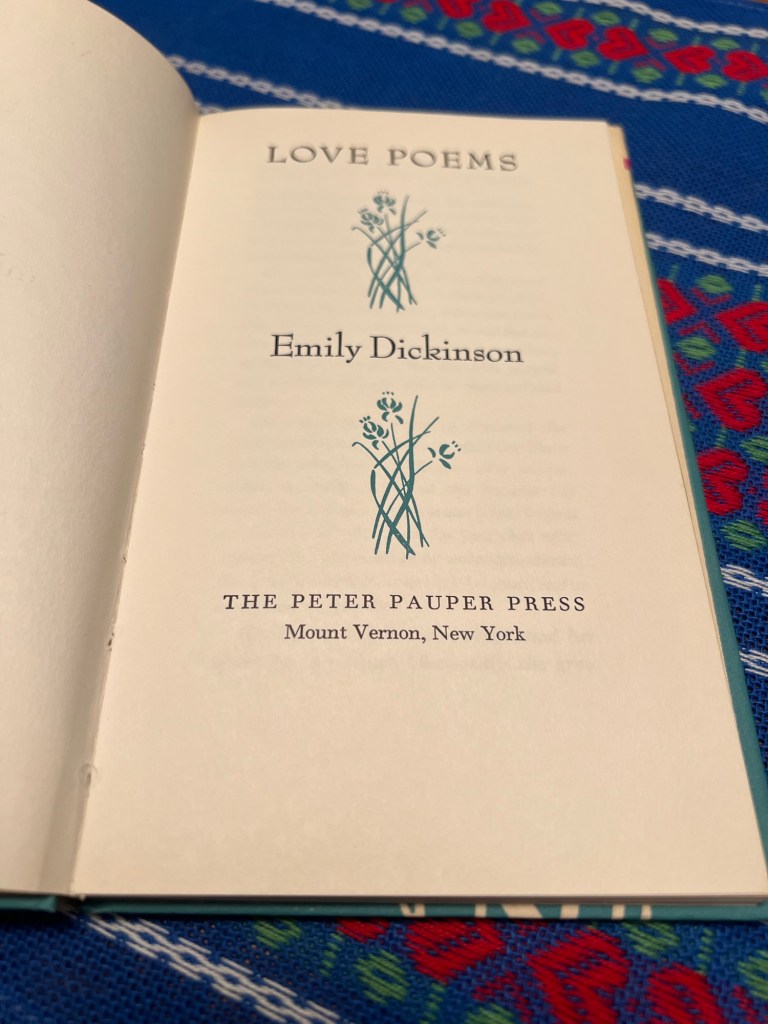
Estates sales are the place to find,
well worn books of all kind.
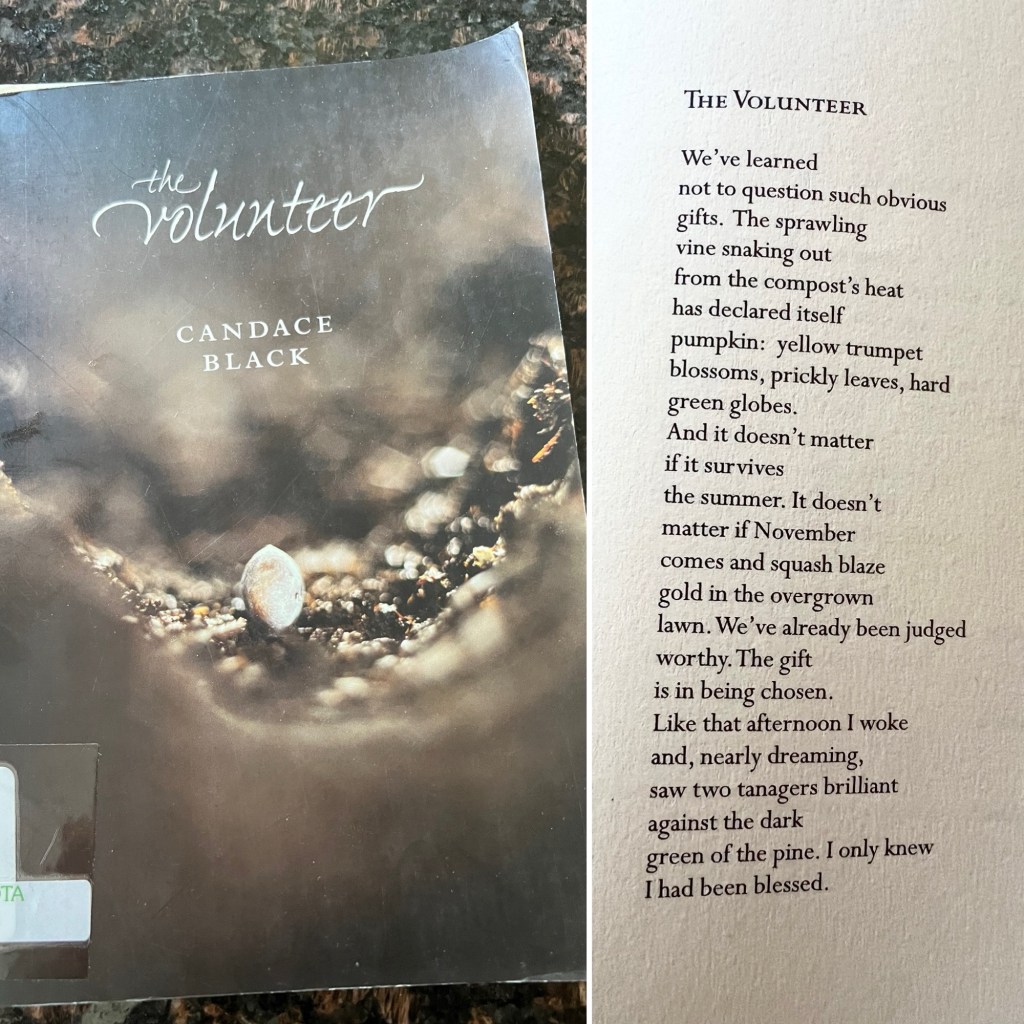
This precious tomb of poetry
practically jumped out at me.



Nobody knows this little Rose
Nobody knows this little Rose —
It might a pilgrim be
Did I not take it from the ways
And lift it up to thee.
Only a Bee will miss it —
Only a Butterfly,
Hastening from far journey —
On its breast to lie —
Only a Bird will wonder —
Only a Breeze will sigh —
Ah Little Rose — how easy
For such as thee to die!
by Emily Dickinson
“Fool!” said my Muse to me, “look in thy heart and write.”

CS Lewis explains in Reflections on the Psalms, “What must be said, however, is that the Psalms are poems, and poems intended to be sung: not doctrinal treatises, nor even sermons. Those who talk of reading the Bible “as literature” sometimes mean, I think, reading it without attending to the main thing it is about; like reading Burke with no interest in politics, or reading the Aeneid with no interest in Rome. That seems to me to be nonsense. But there is a saner sense in which the Bible, since it is after all literature, cannot properly be read except as literature; and the different parts of it as the different sorts of literature they are. Most emphatically the Psalms must be read as poems; as Lyrics, with all the licences and all the formalities, the hyperboles, the emotional rather than logical connections, which are proper to lyric poetry.”
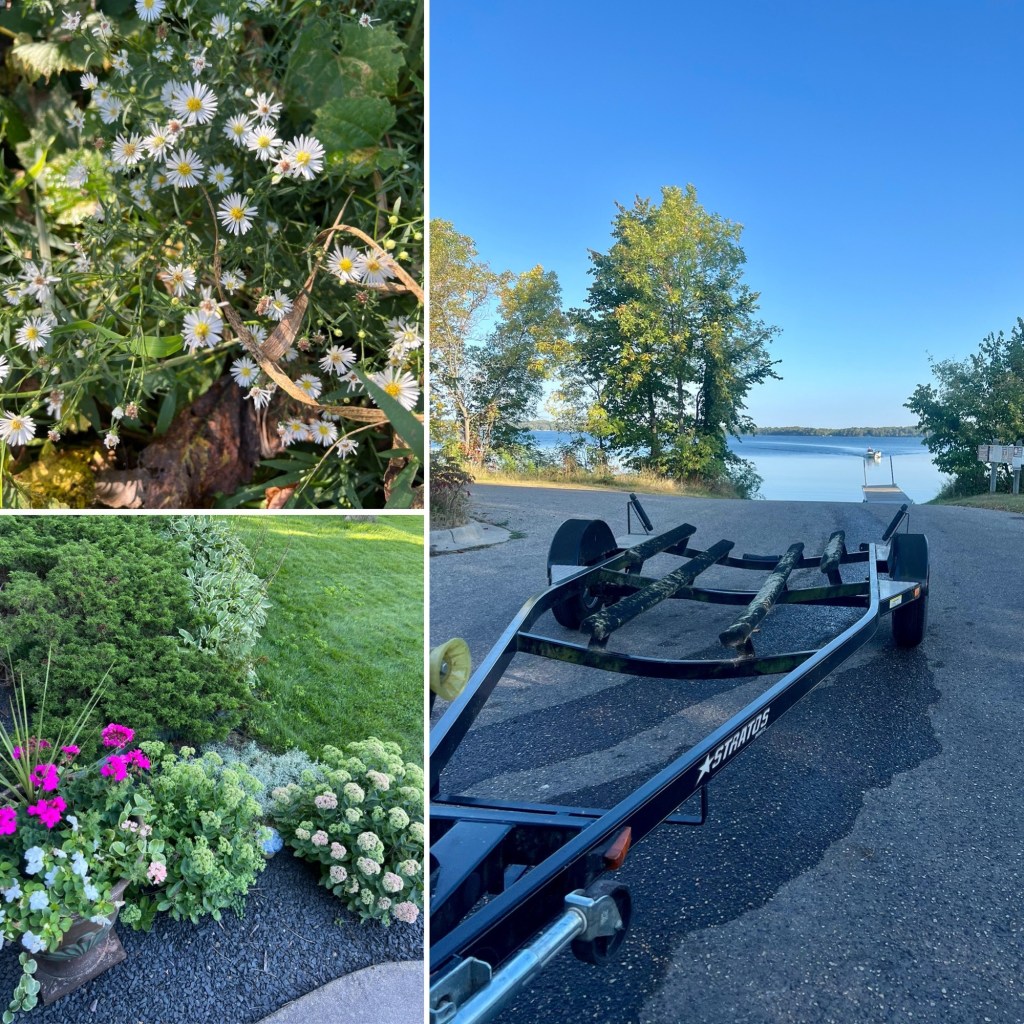
There comes a warning like a spy
A shorter breath of Day
A stealing that is not a stealth
And Summers are away —

The Savior must have been
A docile Gentleman—
To come so far so cold a Day
For little Fellowmen—
The Road to Bethlehem
Since He and I were Boys
Was leveled, but for that ‘twould be
A rugged Billion Miles—

Sara Ellen Tandy- published 1925
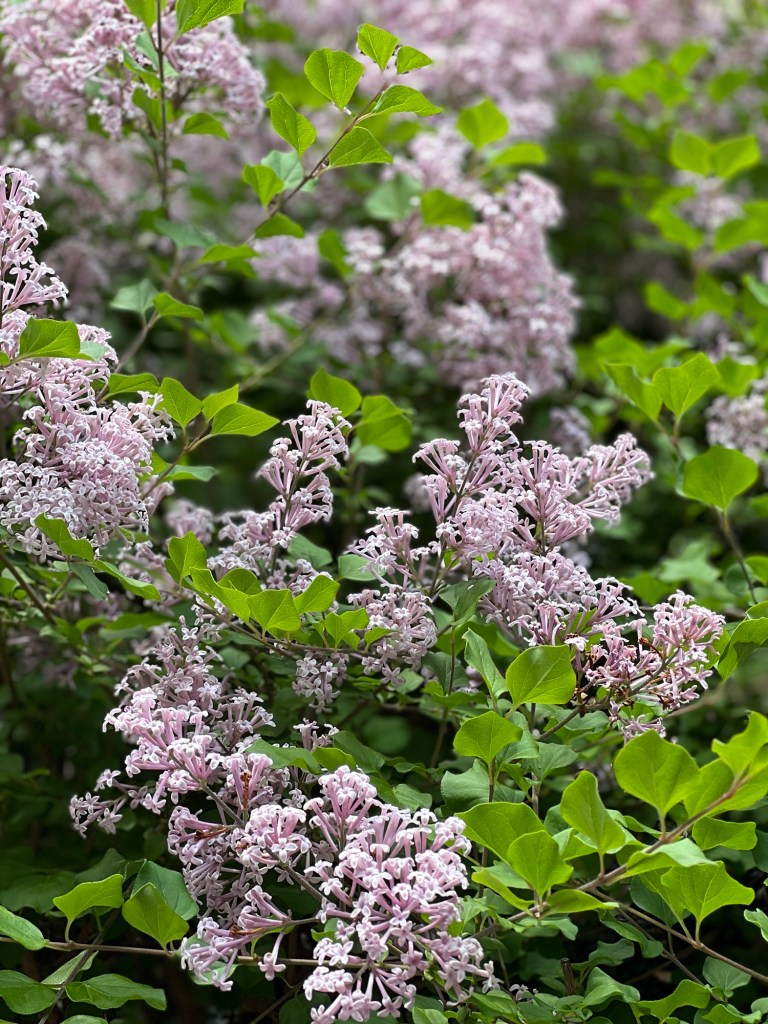
by Emily Dickinson
Tell all the truth but tell it slant —
Success in Circuit lies
Too bright for our infirm Delight
The Truth's superb surprise
As Lightning to the Children eased
With explanation kind
The Truth must dazzle gradually
Or every man be blind —

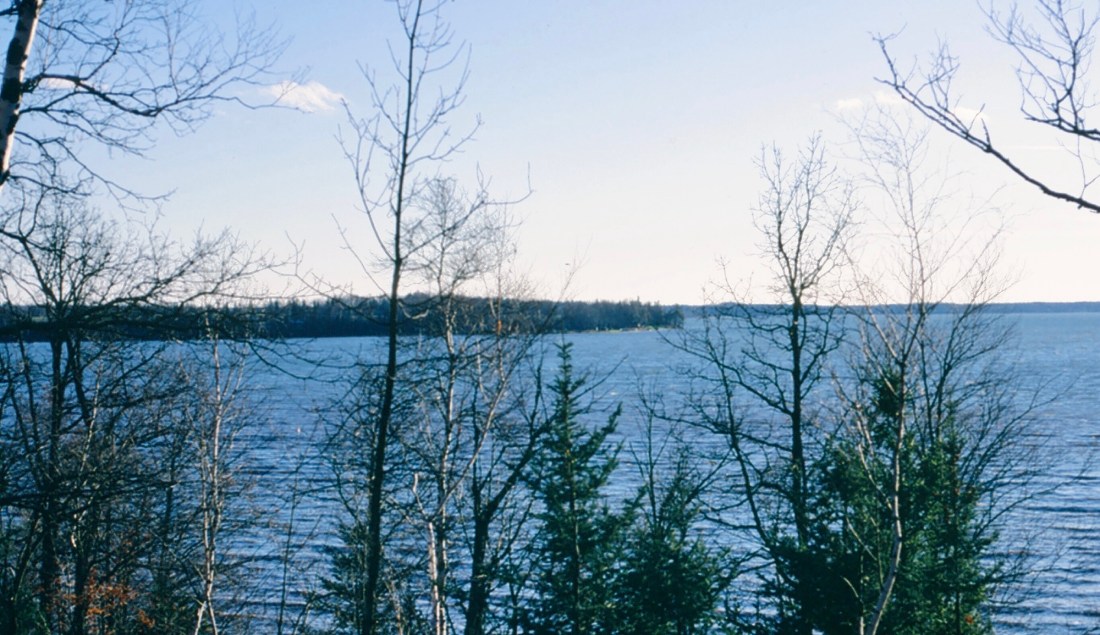
by Emily Dickinson
They put Us far apart—

As separate as Sea

And Her unsown Peninsula—

We signified "These see"—


They took away our Eyes—

They thwarted Us with Guns—

"I see Thee" each responded straight

Through Telegraphic Signs—


With Dungeons—They devised—

But through their thickest skill—

And their opaquest Adamant—

Our Souls saw—just as well—


They summoned Us to die—

With sweet alacrity

We stood upon our stapled feet—

Condemned—but just—to see—


Permission to recant—

Permission to forget—

We turned our backs upon the Sun

For perjury of that—


Not Either—noticed Death—

Of Paradise—aware—

Each other's Face—was all the Disc

Each other's setting—saw—
During all the centuries of her life the church has made great use of art, but she has learned nothing from the artists. There was never an artist who did not know that he could not paint his picture or compose his music by thinking out the laws of beauty. If the church had seen the way to her truth as clearly as they did the way to theirs, there would have been no trouble and no defeat. Science never had any quarrel with artistic truth, and the artists never concerned themselves with what the scientists said was true. The painters and the poets and the musicians know that there is an order of reality in which intellectual assurance plays no part and the reason is unimportant.
And further along in Witness to the Truth:
Definitions and analyses and all such contrivances of the classifying mind were never of any importance to the poets. Aesthetic dogmas might come and go. They never touched poetry. If a man of saintly life disagreed with the churchmen’s rules, he suffered, in the so-called Ages of Faith, very painfully indeed. Not so in art. Aristotle’s Poetics was long the critics bible, but when Shakespeare was lined up against its rules and came out badly, it was not Shakespeare that suffered, but the rules.
Edith Hamilton
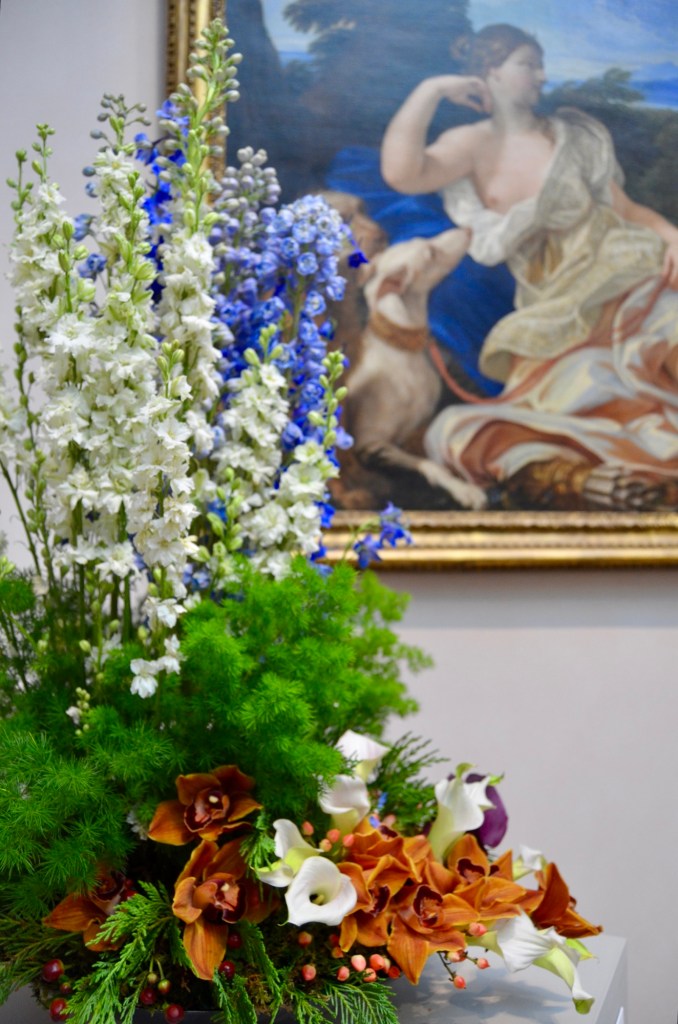

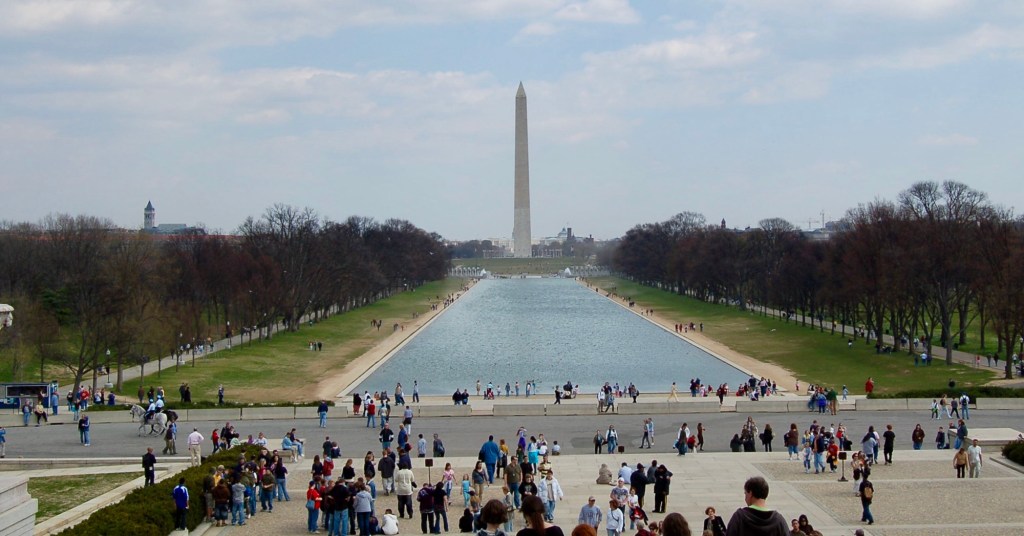
The Rev King delivered his I Have a Dream speech while gazing along this same view. Yet it was different. The times were different. The crowds were part of the scene at this celebrated event. They covered every inch and corner of asphalt, concrete and sprig of grass. The atmosphere must have been electric- a far cry from the casual spring break feel capture in the above photo.
The reason we celebrate Martin Luther King Junior is because the words he spoke did not depend on the view. He is one of those rare individuals who can time and again find phrases which are not time stamped. He doesn’t short change the suffering. He acknowledges its presence. And yet can remain hopeful and trusts in the propects for Americans.
Freedom is a tricky endeavor. There must be a notion of the possibility of a peaceful coexistance, or of the essential desire for peace. For people to defer to the freedom of others, they must trust in an optimal outcome. They must trust others with their own freedom.
Dr King had a dream.
Now that the Vikings are done for the season I’ve shifted my allegiances to the Kansas City Chiefs. Their quarter back Patrick Mahones is so fun to watch. This evening, their game against the Miami Dolphins holds the dubious distinction of being played in the coldest temps in NFL history. It’s minus seven in the third quarter. Yet Mahones is keeping it together and just lead his team to another touchdown bringing the score to 26 Chiefs 7 Dolphins.
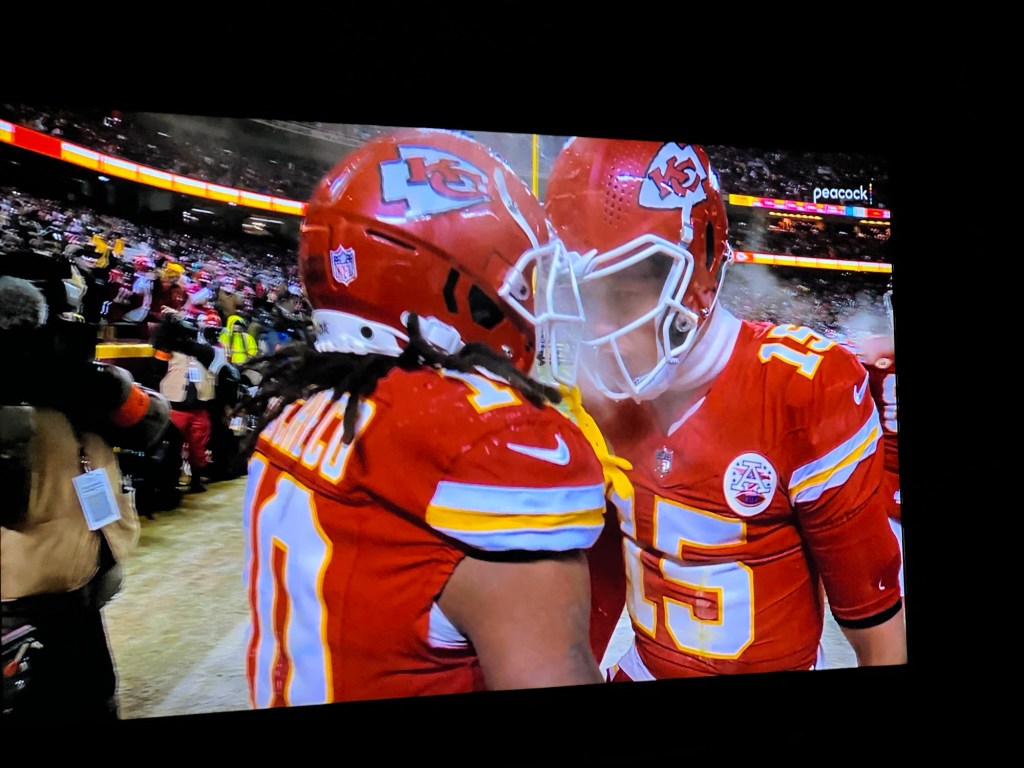
A chilly environment is sometimes created by other factors than a north winter wind. I don’t think it was the same type of cold that Emily Dickinson is referring to in poem #538 below. The commentators say the feel of the football is not the same in the frigid temps. In the same way a greeting or expression of concern can be passed on heavy fumbling words.
538
‘Tis true — They shut me in the Cold —
But then — Themselves were warm
And could not know the feeling ’twas —
Forget it — Lord — of Them —
Let not my Witness hinder Them
In Heavenly esteem —
No Paradise could be — Conferred
Through Their beloved Blame —
The Harm They did — was short — And since
Myself — who bore it — do —
Forgive Them — Even as Myself —
Or else — forgive not me —

Luther made good on his intentions to craft congregational songs in the German language, and this legacy is preserved in these facsimile editions, but moreso it is preserved in Lutheran churches and hymnals, where Luther’s corpus of hymns is still performed via carefully curated translations. Baptist hymnal compilers and worship leaders have generally limited themselves to “The battle hymn of the Reformation,” but this year’s grand anniversary is an opportunity to explore the greater breadth of Luther’s hymn writing.
Luther’s final collection was published in 1545, the year before his death. Geystliche Lieder Mit einer newen vorrhede, printed by Valentin Babst, contained 120 German hymns, 35 of which were by Luther, with his final revisions. Among the newer pieces were Luther’s two Christmas hymns, the longer “Vom Himmel hoch da komm ich her,” known in English as “From heaven above to earth I come” by Catherine Winkworth, and the shorter hymn, “Vom Himmel kam der Engel Schaar,” translated as “To shepherds as they watched by night” by Richard Massie.
By Chris Fenner
Scandinavian humility was a mainstay thread throughout Garrison Keilor’s forty-year run of A Prairie Home Companion. The radio variety show ran weekly on Minnesota Public Radio to a large and devoted audience. Later the show was held at the Fitzgerald Theater in St. Paul and more than once I was unable to get tickets to a sold-out show when an out-of-town guest suggested we attend.
His material centered on the slow pace in a rural community, the Lutheran way of life and a matter of fact sensibility. He ended every show with: “That’s the news from Lake Wobegon where all the women are strong, all the men good looking and all the children above average.”
This same type of virtue of modesty appears here is a Viking poem:
On little shores and little seas
live people of little sense;
everyone has equal wisdom
where the world is half as wide.

Moderately wise a man should be-
don't wish for too much wisdom;
the men who live  the fairest lives
know just a number of things.

Moderately wise  a man should be-
don't wish for too much wisdom;
a man's heart  is seldom happy
if he is truly wise.

Moderately wise a man should be-
don't wish for too much wisdom;
if you can't see far into the future,
you can live free from care.

Flames from one log leap to another, fire kindles fire;
a man learns from the minds of others,
a fool prefers his own.

Get up early if you are after another man's life or money;
a sleeping wolf will seldom make a kill
nor a warrior win lying down.

Get up early if you have few men, and attend to your tasks yourself;
much slips by while you lie in bed-
work is half of wealth.
Taken from the Viking Poem: Sayings of the High One
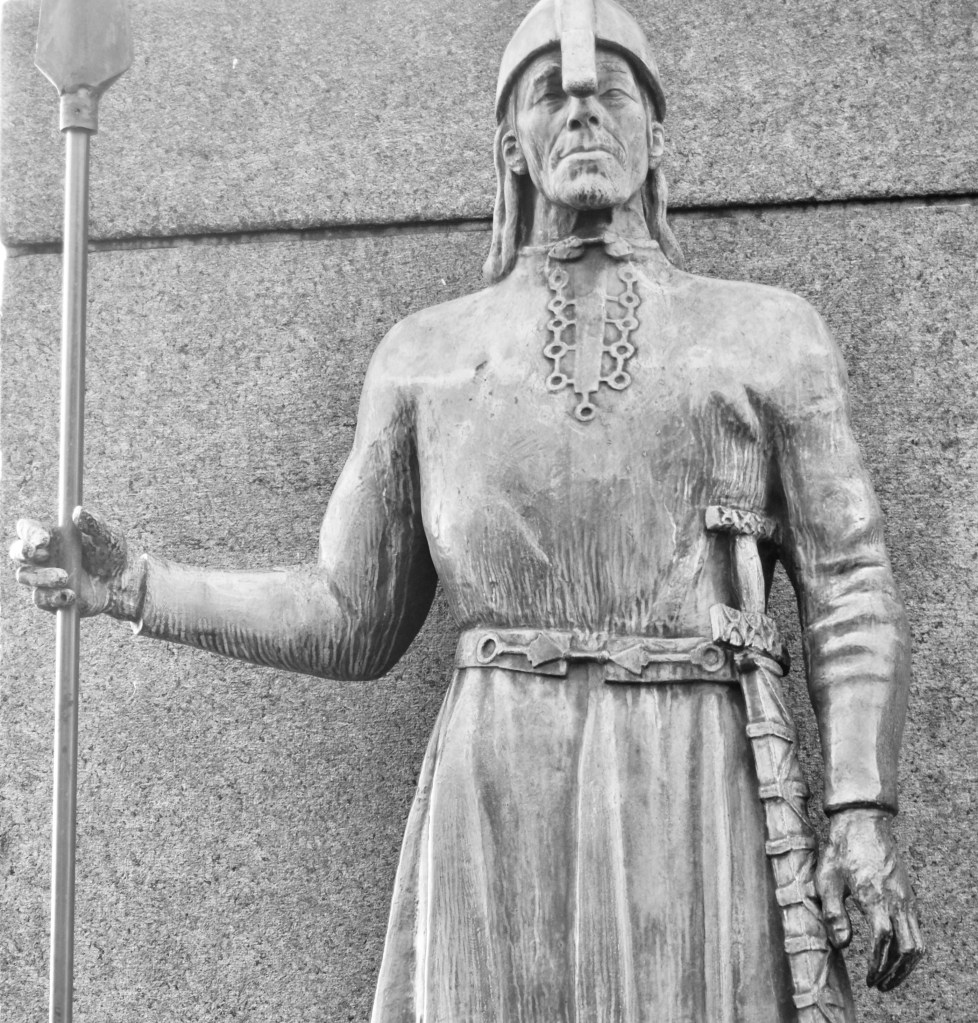

Came across an excellent selection of books, with a penchant for the old Norse at a recent estate sale.
I tell my secret? No indeed, not I:
Perhaps some day, who knows?
But not to-day; it froze, and blows, and snows, And you're too curious: fie!
You want to hear it? well:
Only, my secret's mine, and I won't tell.

Or, after all, perhaps there's none:
Suppose there is no secret after all, But only just my fun.
To-day's a nipping day, a biting day;
In which one wants a shaw,

A veil, a cloak, and other wraps:
I cannot ope to every one who taps, And let the draughts come whistling through my hall;
Come bounding and surrounding me, Come buffeting, astounding me,
Nipping and clipping through my wraps and all.
I wear my mask for warmth: who ever shows His nose to Russian snows
To be pecked at by every wind that blows?
You would not peck? I thank you for good will, Believe, but leave that truth untested still.

Spring's an expansive time: yet I don't trust
March with its peck of dust,
Nor April with its rainbow-crowned brief showers, Nor even May, whose flowers
One frost may wither through the sunless hours.

Perhaps some languid summer day,
When drowsy birds sing less and less, And golden fruit is ripening to excess, If there's not too much sun nor too much cloud,
And the warm wind is neither still nor loud,
Perhaps my secret I may say,
Or you may guess.

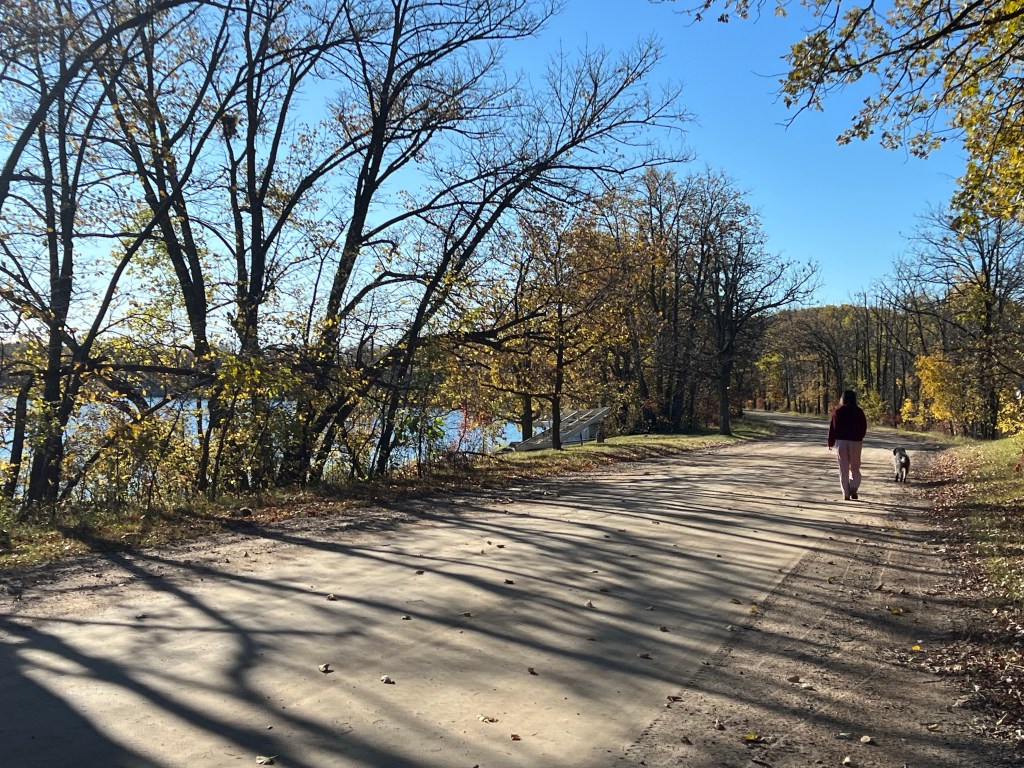
Take a walk on a blue sky day, enjoy the sunshine and feel the
Sway of the road as it curls to the left unaware of the view that drops off its
Shoulder a worry and let it fall into the brush where nature will recycle it into
Beauty is everywhere you look if you take the time to see it on a blue sky day.
The mushroom is the elf of plants,
At evening it is not;
At morning in a truffled hut
It stops upon a spot
As if it tarried always;
And yet its whole career
Is shorter than a snake’s delay,
And fleeter than a tare.
‘T is vegetation’s juggler,
The germ of alibi;
Doth like a bubble antedate,
And like a bubble hie.
I feel as if the grass were pleased
To have it intermit;
The surreptitious scion
Of summer’s circumspect.
Had nature any outcast face,
Could she a son contemn,
Had nature an Iscariot,
That mushroom, — it is him

1850 –1894
The moon has a face like the clock in the hall;
She shines on thieves on the garden wall,
On streets and fields and harbour quays,
And birdies asleep in the forks of the trees.
The squalling cat and the squeaking mouse,
The howling dog by the door of the house,
The bat that lies in bed at noon,
All love to be out by the light of the moon.
But all of the things that belong to the day
Cuddle to sleep to be out of her way;
And flowers and children close their eyes
Till up in the morning the sun shall arise.

The Daisy follows soft the Sun
And when his golden walk is done
Sits shyly at his feet
He waking finds the flower there
Wherefore Marauder art thou here? Because, Sir, love is sweet!
We are the Flower Thou the Sun!
Forgive us, if as days decline
We nearer steal to Thee!
Enamored of the parting West
The peace the flight the Amethyst
Night’s possibility!


Dusk is falling. We’re passing through that time of the year when daylight lasts the longest.
Did you learn about the movement of the planets from a mechanical model of spheres held out on wire supports? For me, it was one of those moments when the lining up of an earthly experience to a representative explanation generated a tingle of delight. The flashlight beamed its light across the spheres so one could see the crescent moon ebb and flow.
And from then on one just wants to know more, and more.
“Not from the stars do I my judgement pluck,
Shakespeare, Sonnet 14
And yet methinks I have astronomy.
But not to tell of good or evil luck,
Of plagues, of dearths, or season’s quality;
Nor can I fortune to brief minutes tell,
Or say with princes if it shall go well.”
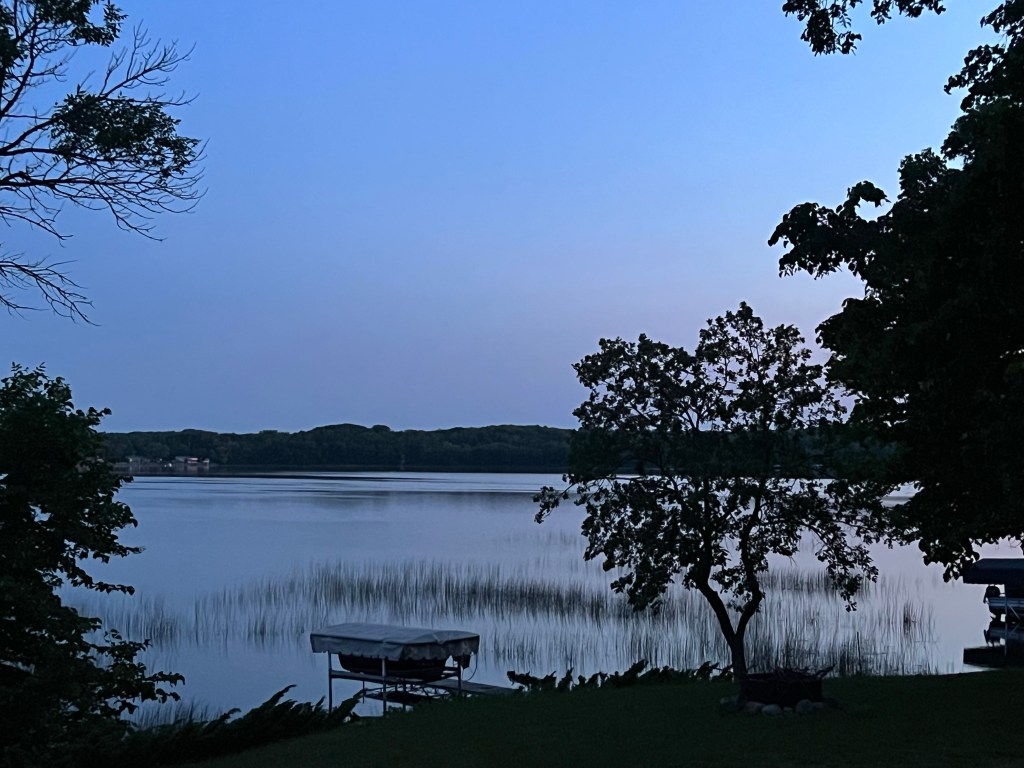

Hope is the Thing with Feathers
Emily Dickinson

“Hope” is the thing with feathers -That perches in the soul -
And sings the tune without the words

-And never stops - at all -

And sweetest - in the Gale - is heard -
And sore must be the storm -
That could abash the little Bird
That kept so many warm -

I’ve heard it in the chillest land -And on the strangest Sea -
Yet - never - in Extremity,
It asked a crumb - of me.
The master said, He who sets to work on a different strand destroys the whole fabric.

Let the rain kiss you
Let the rain beat upon your head with silver liquid drops
Let the rain sing you a lullaby
The rain makes still pools on the sidewalk
The rain makes running pools in the gutter
The rain plays a little sleep song on our roof at night
And I love the rain.

In Summer there were white and damask roses, and the smell of thyme and musk. In Spring there were green gooseberries and throstles [thrush], and the flowers they call ceninen [daffodils]. And leeks and cabbages also grew in that garden; and between long straight alleys, and apple-trained espaliers, there were beds of strawberries, and mint, and sage.
Beatrix Potter (1866-1943)
“…But…to sing,
to dream, to smile, to walk, to be alone, be free,
with a voice that stirs and an eye that still can see!
To cock your hat to one side, when you please
at a yes, a no, to fight, or- make poetry!
To work without a thought of fame or fortune,
on that journey, that you dream of, to the moon!
Never to write a line that’s not your own…”
― Edmond Rostand, Cyrano de Bergerac

Author and playwright Edmond Rostand (1868-1918) lived at Villa Arnaga in Cambo-Les-Bain.

I think there is no suffering greater than what is caused by the doubts of those who want to believe. I know what torment this is, but I can only see it, in myself anyway, as the process by which faith is deepened. A faith that just accepts is a child’s faith and all right for children, but eventually you have to grow religiously as every other way, though some never do.
What people don’t realize is how much religion costs. They think faith is a big electric blanket, when of course it is the cross. It is much harder to believe than not to believe. If you feel you can’t believe, you must at least do this: keep an open mind. Keep it open toward faith, keep wanting it, keep asking for it, and leave the rest to God.
The Habit of Being: Letters of Flannery O’Connor
What is poetry? Is it a mosaic
Of coloured stones which curiously are wrought
Into a pattern? Rather glass that’s taught
By patient labor any hue to take
And glowing with a sumptuous splendor, make
Beauty a thing of awe; where sunbeams caught,
Transmuted fall in sheafs of rainbows fraught
With storied meaning for religion’s sake.

Frost-locked all the winter,
Seeds, and roots, and stones of fruits,
What shall make their sap ascend
That they may put forth shoots?
Tips of tender green,
Leaf, or blade, or sheath;
Telling of the hidden life
That breaks forth underneath,
Life nursed in its grave by Death.

Blows the thaw-wind pleasantly,
Drips the soaking rain,
By fits looks down the waking sun:
Young grass springs on the plain;
Young leaves clothe early hedgerow trees;
Seeds, and roots, and stones of fruits,
Swollen with sap, put forth their shoots;
Curled-headed ferns sprout in the lane;
Birds sing and pair again.

There is no time like Spring,
When life's alive in everything,
Before new nestlings sing,
Before cleft swallows speed their journey back
Along the trackless track,--
God guides their wing,
He spreads their table that they nothing lack,--
Before the daisy grows a common flower,
Before the sun has power
To scorch the world up in his noontide hour.

There is no time like Spring,
Like Spring that passes by;
There is no life like Spring-life born to die,--
Piercing the sod,
Clothing the uncouth clod,
Hatched in the nest,
Fledged on the windy bough,
Strong on the wing:
There is no time like Spring that passes by,
Now newly born, and now
Hastening to die.
Christina Georgina Rossetti (1830-1894) is remembered as one of the Pre-Raphaelites – a group of 19th century artists and writers who took inspiration from works of art produced in the Middle Ages. Her brother, the painter Dante Gabriel, was one of the most prominent of this group.


How are memories illusive and vivid at the same time? An image of the room. Scented air through the window. A beep at a distance for the gardener to open the gate. Reading. Evening fires in a hearth. Classical music from a turn table. Count the instruments says a voice.
Can you picture it? I ask my brother. Yes, absolutely.

Emily Dickinson
A bird came down the walk:
He did not know I saw:
He bit an angle-worm in halves
And ate the fellow, raw.

And then he drank a dew
From a convenient grass,
And then hopped sidewise to the wall
To let a beetle pass.

He glanced with rapid eyes
That hurried all abroad-
They looked like frightened beads, I thought;
He stirred his velvet head

Like one in danger; cautious,
I offered him a crumb,
And he unrolled his feathers
And rowed him softer home

Than oars divide the ocean,
Too silver for a seam,
Or butterflies, off banks of noon,
Leap, plashless, as they swim.
The wilds are calling me,
     Calling from afar;
The sounds are following me
     From the windy bar
By the silent-flowing stream,
     Where new mem’ries are.

The morning is calling me,
     Dreaming of the dew;
The sunlight is following me
     The green woods through.
And the valley was radiant
     With heaven and you.

And you are calling me
     When shall I go?
By the pale glimmer of morning,
     Or sunset’s full flow
Of radiancy streaming
     The valley below?

On our walk this evening, we stopped and stared at three deer in the woods edging the trail. The encounter reminded me of Robert Frost’s poem.
Stopping by Woods on a Snowy Evening

Whose woods these are I think I know.
His house is in the village though;
He will not see me stopping here
To watch his woods fill up with snow.

My little horse must think it queer
To stop without a farmhouse near
Between the woods and frozen lake
The darkest evening of the year.

He gives his harness bells a shake
To ask if there is some mistake.
The only other sound’s the sweep
Of easy wind and downy flake.

The woods are lovely, dark and deep,
But I have promises to keep,
And miles to go before I sleep,
And miles to go before I sleep.
I'll tell thee everything I can;

There's little to relate,

I saw an aged, aged man,

A-sitting on a gate.

"Who are you, aged man?" I said.

"And how is it you live?"

And his answer trickled through my head

Like water through a sieve.


He said, "I look for butterflies

That sleep among the wheat;

I make them into mutton-pies,

And sell them in the street.

I sell them unto men," he said,

"Who sail on stormy seas;

And that's the way I get my bread

A trifle, if you please."


But I was thinking of a plan

To dye one's whiskers green,

And always use so large a fan

That they could not be seen.

So, having no reply to give

To what the old man said,

I cried, "Come, tell me how you live!"

And thumped him on the head.


His accents mild took up the tale;

He said, "I go my ways,

And when I find a mountain-rill,

I set it in a blaze;

And thence they make a stuff they call

Rowland's Macassar Oil

Yet twopence-halfpenny is all

They give me for my toil."


But I was thinking of a way

To feed one's self on batter,

And so go on from day to day

Getting a little fatter.

I shook him well from side to side,

Until his face was blue,

"Come, tell me how you live," I cried,

"And what it is you do!"


He said, "I hunt for haddocks' eyes

Among the heather bright,

And work them into waistcoat-buttons

In the silent night.

And these I do not sell for gold

Or coin of silvery shine,

But for a copper halfpenny,

And that will purchase nine.


"I sometimes dig for buttered rolls,

Or set limed twigs for crabs;

I sometimes search the grassy knolls

For wheels of hansom-cabs.

And that's the way" (he gave a wink)

"By which I get my wealth

And very gladly will I drink

Your honor's noble health."


I heard him then, for I had just

Completed my design

To keep the Menai bridge from rust

By boiling it in wine.

I thanked him much for telling me

The way he got his wealth,

But chiefly for his wish that he

Might drink my noble health.


And now, if e'er by chance I put

My fingers into glue,

Or madly squeeze a right-hand foot

Into a left-hand shoe,

Or if I drop upon my toe

A very heavy weight,

I weep, for it reminds me so

Of that old man I used to know

Whose look was mild, whose speech was slow,

Whose hair was whiter than the snow,

Whose face was very like a crow,

With eyes, like cinders, all aglow,

Who seemed distracted with his woe,

Who rocked his body to and fro,

And muttered mumblingly and low,

As if his mouth were full of dough,

Who snorted like a buffalo

That summer evening long ago,

A-sitting on a gate.

3 years ago (edited)1: Matthew Arnold, Dover Beach read by Eileen Atkins 0:06 2: W.H. Auden, Musee des Beaux Arts read by Jodie Foster 2:13 3: John Berryman, Henry’s Confession read by Gary Sinise 3:41 4: Elizabeth Bishop, Filling Station read by Glenn Close 4:55 5: William Blake, The Tyger read by Helem Mirren 6:48 6: Gwendolyn Brooks, We Real Cool read by Morgan Freeman 8:23 7: Elizabeth Barrett Browning, How do I love thee? Let me count the ways read by Helen Mirren 9:08 8: Robert Burns, To a Mouse read by Billy Connolly 10:18 9: George Gordon, Lord Byron, I would I were a careless child read by Robert Sean Leonard 12:29 10: Lewis Carroll, Jabberwocky read by Eileen Atkins 15:17 11: Geoffrey Chaucer, The General Prologue read by Lynn Redgrave 16:48 12: Samuel Taylor Coleridge, Kubla Khan read by Robert Sean Leonard 19:31 13: Hart Crane, To Brooklyn Bridge read by Sam Waterston 22:13 14: e.e. cummings, if everything happens that can’t be done read by Eileen Atkins 25:17 15: Emily Dickinson, 1263 (There is no Frigate like a Book) read by Glenn Close 26:41 16: John Donne, Song (Go and catch a falling star) read by John Lithgow 27:14 17: T.S. Eliot, Rhapsody on a Windy Night read by Morgan Freeman 28:28 18: Robert Frost, Birches read by John Lithgow 32:01 19: William S. Gilbert, Love Unrequited, or The Nightmare Song read by John Lithgow 35:40 20: Allen Ginsberg, A Supermarket in California read by Gary Sinise 39:16 21: Robert Herrick, The Beggar to Mab, The Fairy Queen read by Billy Connolly 41:48 22: Gerald Manley Hopkins, Pied Beauty read by Kathy Bates 43:09 23: A.E. Housman, When I Was One and Twenty read by Robert Sean Leonard 44:02 24: Langston Hughes, The Weary Blues read by Morgan Freeman 44:57 25: Randall Jarrell, Death of a Ball Turret Gunner read by Gary Sinise 46:42 26: Ben Jonson, Inviting a Friend to Supper read by Robert Sean Leonard 47:19 27: John Keats, To Autumn read by Lynn Redgrave 49:52 28: Philip Larkin, Days read by Susan Sarandon 52:00 29: Edward Lear, The Owl and the Pussycat read by Billy Connolly 52:39 30: H.W. Longfellow, A Psalm of Life read by John Lithgow 54:10 31: Robert Lowell, The Public Garden read by Billy Conolly 55:58 32: Andrew Marvell, To His Coy Mistress read by John Lithgow 57:39 33: Edna St. Vincent Millay, Love is Not All read by Jodie Foster 1:00:00 34: Marianne Moore, Poetry read by Kathy Bates 1:01:07 35: Ogden Nash, No Doctor’s Today, Thank You read by John Lithgow 1:02:55 36: Dorothy Parker, Afternoon read by Glenn Close 1:04:29 37: Edgar Allen Poe, Annabel Lee read by Sam Waterston 1:05:27 38: Ezra Pound, The River Merchant’s Wife: A Letter read by Jodie Foster 1:07:50 39: Christina Rosetti, Up-Hill read by Helen Mirren 1:09:43 40: Carl Sandburg, Chicago read by Gary Sinise 1:10:56 41: Shakespeare, Fear No More the Heat o’ the Sun read by Lynn Redgrave 1:13:04 42: Percy Bysshe Shelley, To a Skylark read by Glenn Close 1:14:28 43: Edmund Spenser, Sonnet 75 (One day I wrote her name upon the strand) read by Susan Sarandon 1:18:55 44: Gertrude Stein, If I Told Him read by Kathy Bates 1:20:00 45: Wallace Stevens, The Emperor of Ice-Cream read by Kathy Bates 1:24:28 46: Dylan Thomas, Do Not Go Gentle into that Good Night read by Susan Sarandon 1:25:25 47: Walt Whitman, There was a Child went Forth read by Sam Waterston 1:26:44 48: William Carlos Williams, The Red Wheelbarrow read by Jodie Foster 1:31:38 49: William Wordsworth, I Wandered Lonely as a Cloud read by Helen Mirren 1:32:06 50: William Butler Yeats, The Lake Isle of Innisfree read by Eileen Atkins 1:33:25 You are welcome 😀
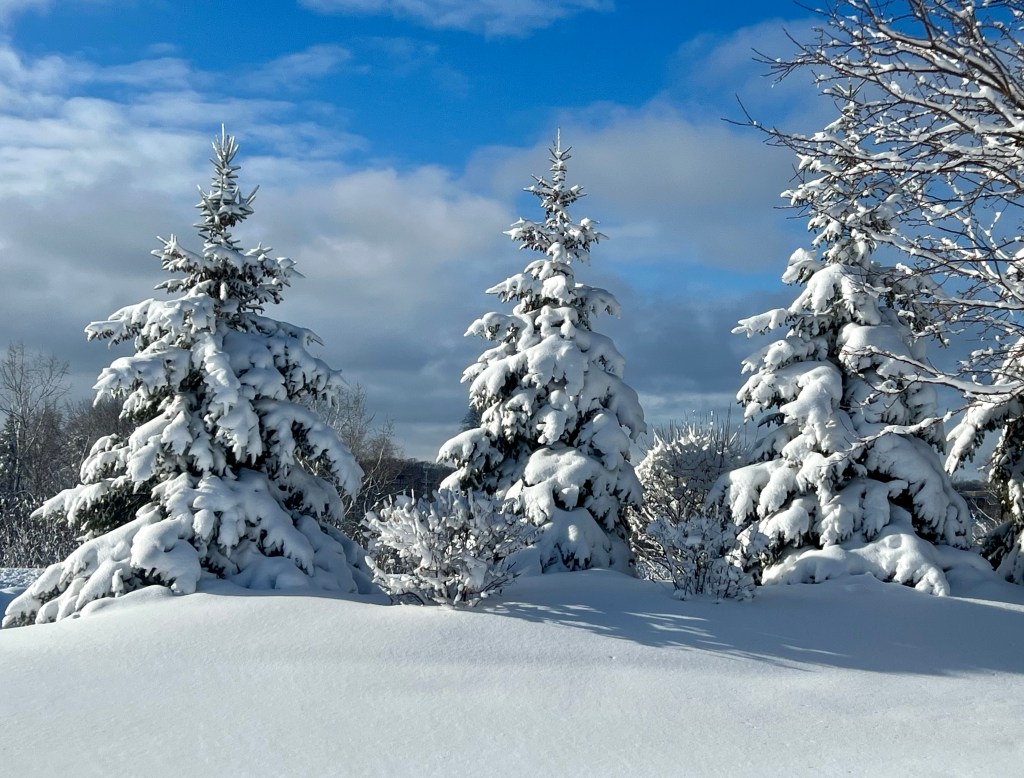
One must have a mind of winter
To regard the frost and the boughs
Of the pine-trees crusted with snow;

And have been cold a long time
To behold the junipers shagged with ice,
The spruces rough in the distant glitter

Of the January sun; and not to think
Of any misery in the sound of the wind,
In the sound of a few leaves,

Which is the sound of the land
Full of the same wind
That is blowing in the same bare place

For the listener, who listens in the snow,
And, nothing himself, beholds
Nothing that is not there and the nothing that is.
Lord Whoever, thank you for this air I'm about to in- and exhale,
this hutch in the woods, the wood for fire,
the light- both lamp and the natural stuff
of leaf-back, fern, and wing.
For the piano, the shovel
for ashes, the moth-gnawed
blankets, the stone-cold water
stone-cold: thank you.
Thank you, Lord, coming for
to carry me here- where I'll gnash
it out, Lord, where I'll calm
and work, Lord, thank you
for the goddamn birds singing!
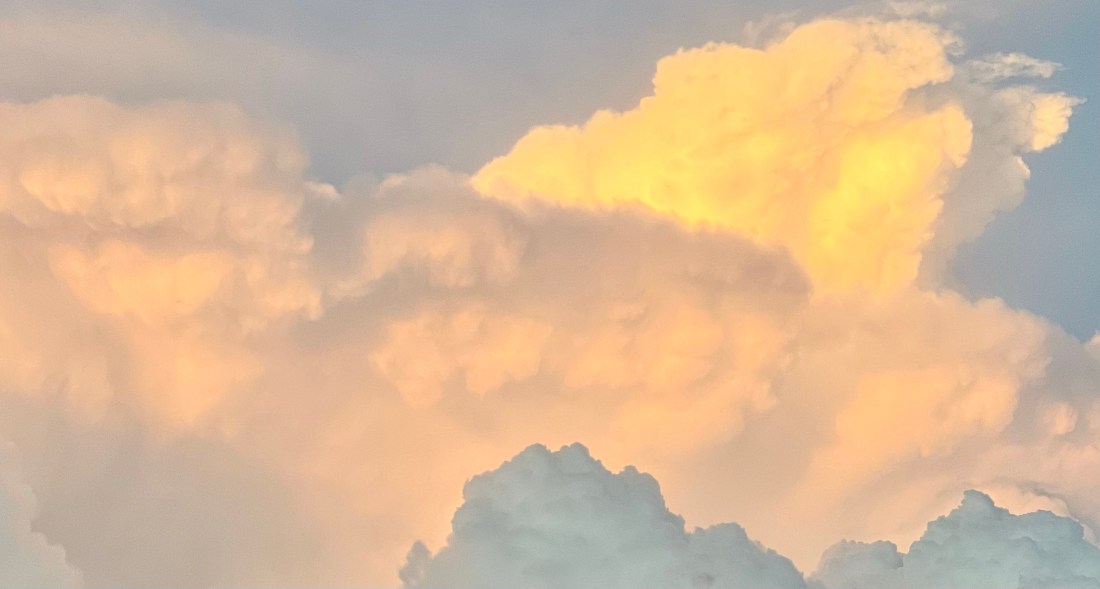
Can you paint a thought? or number
Every fancy in a slumber?
Can you count soft minutes roving
From a dial's point by moving?
Can you grasp a sigh? or lastly,
Rob a virgin's honour chastly?
No, O no; yet you may
Sooner do both that and this,
This and that, and never miss,
Then by any praise display
Beauty's beauty, such a glory
As beyond all fate, all story,
All arms, all arts,
All loves, all hearts,
Greater then those, or they,
Do, shall, and must obey.
John Ford (1586 – c. 1639) was an English playwright and poet of the Jacobean and Caroline eras
It sifts from Leaden Sieves -

It powders all the Wood.

It fills with Alabaster Wool

The Wrinkles of the Road -


It makes an even Face

Of Mountain, and of Plain -

Unbroken Forehead from the East

Unto the East again -


It reaches to the Fence -

It wraps it Rail by Rail

Till it is lost in Fleeces -

It deals Celestial Vail


To Stump, and Stack - and Stem -

A Summer’s empty Room -

Acres of Joints, where Harvests were,

Recordless, but for them -


It Ruffles Wrists of Posts

As Ankles of a Queen -

Then stills it’s Artisans - like Ghosts -

Denying they have been -

I have striven not to laugh at human actions, not to weep at them, nor to hate them, but to understand them.
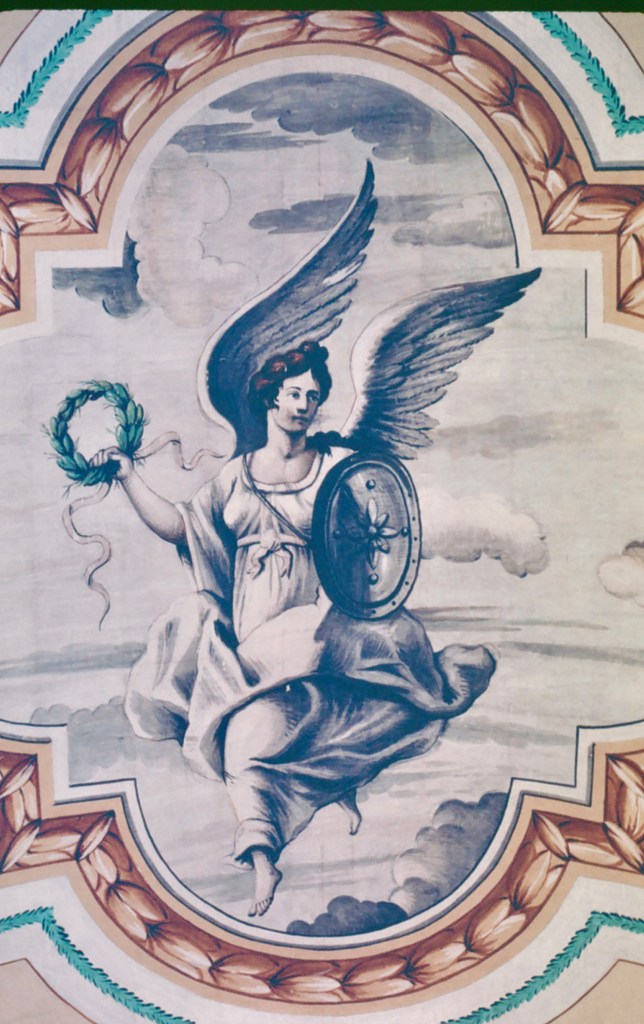
You can hear this pianist, see his work and read his music. Tech gives you artistry on multiple dimensions.
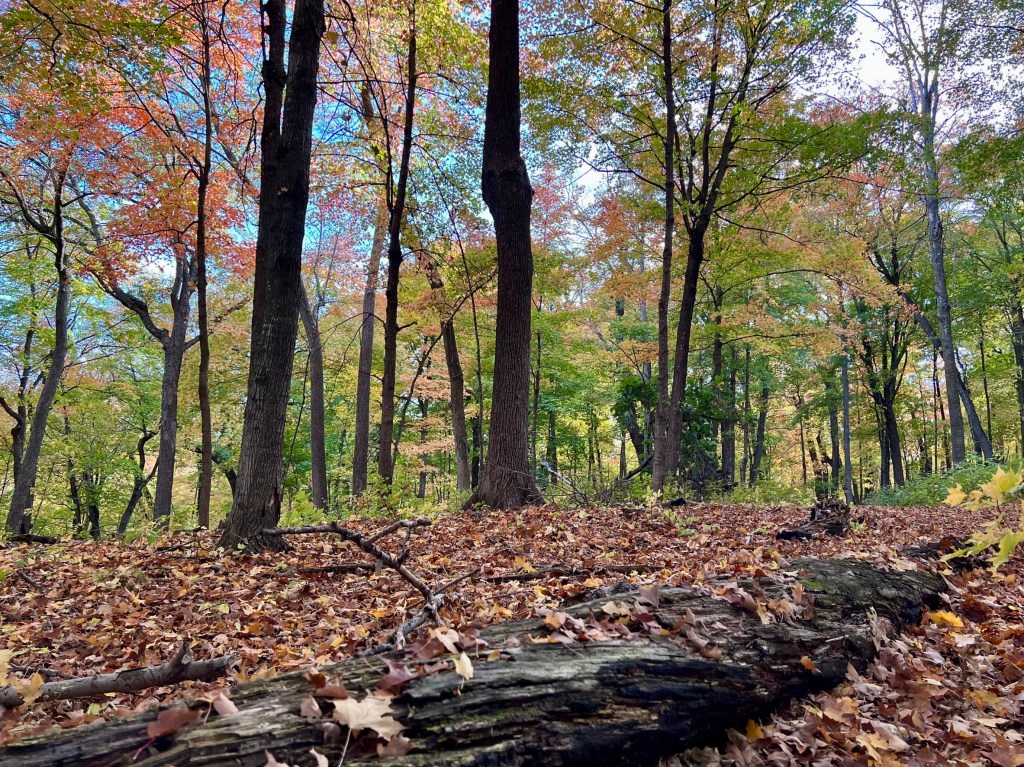
A fall that follows a long hot summer produces the most spectacular blaze orange and crimson colors amongst the tree canopies. There’s no escaping its beauty. Old elms arch over city streets littering the sidewalks with reds, yellows, and amber. Scallop-edged crowns of maples, oaks, and birches bunch up along the freeways. It’s a time of year when you don’t have to go looking for nature, as it has already found you.
My grandmother used to love taking walks in the woods. Perhaps it is because she grew up on the wide open prairie, plowed under into farmland. The woods held all sorts of delights, mystery, and adventure. She’d have us kicking through the leaves looking for mushrooms. In the spring the trillium was the first to bloom and later, under very special circumstances, we may find a Jack-in-the-Pauper. Follow a trail after a chipmunk and you may look up to see a doe, frozen in its tracks, hoping you’ll not notice it amongst a stand of popular.
I think my grandmother would have enjoyed this poem by Mary Oliver.
How I Go Into the Woods

by Mary Oliver

Ordinarily I go to the woods alone,
with not a single friend,
for they are all smilers and talkers
and therefore unsuitable.
I don’t really want to be witnessed talking to the catbirds
or hugging the old black oak tree.
I have my ways of praying,
as you no doubt have yours.
Besides, when I am alone
I can become invisible.
I can sit on the top of a dune
as motionless as an uprise of weeds,
until the foxes run by unconcerned.
I can hear the almost unhearable sound of the roses singing.
If you have ever gone to the woods with me,
I must love you very much.
I see the
turning of
a leaf dancing
in an autumn sun,
and brilliant
shades of
crimson glowing
when the day
is done.

HAZELMARIE MATTE ELLIOTT

Be thou thine owne home, and in thy selfe dwell;
John Donne
Inne any where, continuance maketh hell.
And seeing the snaile, which every where doth rome,
Carrying his owne house still, still is at home,
Follow (for he is easie pac’d) this snaile,
Bee thine owne Palace, or the world’s thy gaole.
And in the worlds sea, do not like corke sleepe
Upon the waters face; nor in the deepe
Sinke like a lead without a line: but as
Fishes glide, leaving no print where they passe,
Nor making sound; so closely thy course goe,
Let men dispute, whether thou breathe, or no.

Everything that can be said, can be said clearly.
Like as the waves make towards the pebbled shore,
So do our minutes hasten to their end;
Each changing place with that which goes before,
In sequent toil all forwards do contend.
Nativity, once in the main of light,
Crawls to maturity, wherewith being crown’d,
Crooked eclipses ’gainst his glory fight,
And Time that gave doth now his gift confound.
Time doth transfix the flourish set on youth
And delves the parallels in beauty’s brow,
Feeds on the rarities of nature’s truth,
And nothing stands but for his scythe to mow:
And yet to times in hope my verse shall stand,
Praising thy worth, despite his cruel hand.


—William Shakespeare
Rest in peace dear Margaret.
'Nature' is what we see—
The Hill—the Afternoon—
Squirrel—Eclipse—the Bumble bee—
Nay—Nature is Heaven—
Nature is what we hear—
The Bobolink—the Sea—
Thunder—the Cricket—
Nay—Nature is Harmony—
Nature is what we know—
Yet have no art to say—
So impotent Our Wisdom is
To her Simplicity.


’Tis moonlight, summer moonlight,
All soft and still and fair;
The solemn hour of midnight
Breathes sweet thoughts everywhere,

But most where trees are sending
Their breezy boughs on high,
Or stooping low are lending
A shelter from the sky.

And there in those wild bowers
A lovely form is laid;
Green grass and dew-steeped flowers
Wave gently round her head.
Left off the highway and
down the hill. At the
bottom, hang another left.
Keep bearing left. The road
will make a Y. Left again.
There's a creek on the left.
Keep going. Just before
the road ends, there'll be another road. Take it
and no other. Otherwise,
your life will be ruined
forever. There's a log house
with a shake roof, on the left. It's not that house. It's
the next house, just over
a rise. The house
where trees are laden with
fruit. Where phlox, forsythia, and marigold grow. It's
the house where the woman
stands in the doorway
wearing sun in her hair. The one who's been waiting
all this time.
The woman who loves you.
The one who can say,
"What's kept you?"

The truth I do not stretch or shove
Ogden Nash
When I state that the dog is full of love.
I’ve also found, by actual test,
A wet dog is the lovingest.
Home is where one starts from. As we grow older
The world becomes stranger, the pattern more complicated
Of dead and living. Not the intense moment
Isolated, with no before and after,
But a lifetime burning in every moment
And not the lifetime of one man only
But of old stones that cannot be deciphered.
There is a time for the evening under starlight,
A time for the evening under lamplight
(The evening with the photograph album).
Love is most nearly itself
When here and now cease to matter.
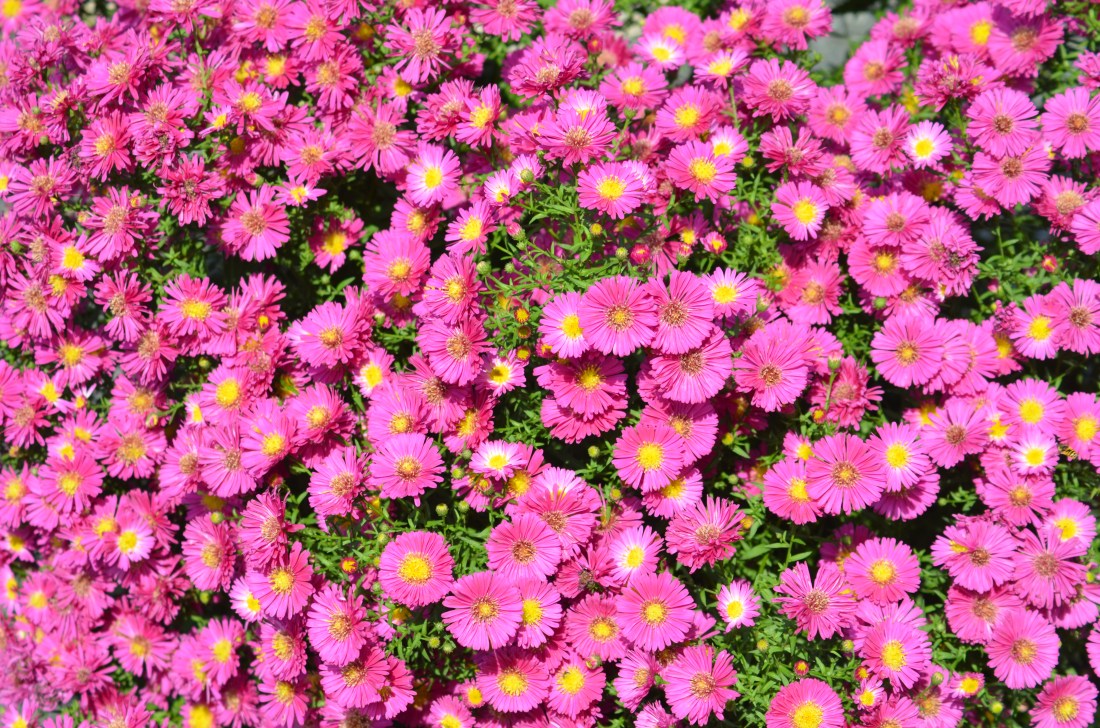
Note to self: There are remarkably few poems about mothers.
Happy Mother’s Day to all those celebrating.
From you have I been absent in the spring, When proud-pied April, dressed in all his trim, Hath put a spirit of youth in everything, That heavy Saturn laughed and leapt with him, Yet nor the lays of birds, nor the sweet smell Of different flowers in odor and in hue, Could make me any summer’s story tell, Or from their proud lap pluck them where they grew; Nor did I wonder at the lily’s white, Nor praise the deep vermilion in the rose: They were but sweet, but figures of delight, Drawn after you, you pattern of all those. Yet seemed it winter still, and, you away, As with your shadow I with these did play.

LXVI
THERE is a flower that bees prefer,
And butterflies desire;
To gain the purple democrat
The humming-birds aspire.

And whatsoever insect pass,
A honey bears away
Proportioned to his several dearth
And her capacity.

Her face is rounder than the moon,
And ruddier than the gown
Of orchis in the pasture,
Or rhododendron worn.

She doth not wait for June;
Before the world is green
Her sturdy little countenance
Against the wind is seen,

Contending with the grass,
Near kinsman to herself,
For privilege of sod and sun,
Sweet litigants for life.

And when the hills are full,
And newer fashions blow,
Doth not retract a single spice
For pang of jealousy.

Her public is the noon,
Her providence the sun,
Her progress by the bee proclaimed
In sovereign, swerveless tune.

The bravest of the host,
Surrendering the last,
Nor even of defeat aware
When cancelled by the frost.
TEIRESIAS:
You are the madman. There is no one here
Who will not curse you soon, as you curse me.
OEDIPUS:
You child of total night! I would not touch you,
Neither would any man who sees the sun.
TEIRESIAS:
True: it is not from you my fate will come.
That lies within Apollo’s competence,
As it is his concern.
OEDIPUS:
Tell me, who made
These fine discoveries? Kreon? or someone else?
TEIRESIAS:
Kreon is no threat. You weave your own doom.
OEDIPUS:
Wealth, power, craft of statesmanship!
Kingly position, everywhere admired!
What savage envy is stored up against these,
If Kreon, whom I trusted, Kreon my friend,
For this great office which the city once
Put in my hands unsought-if for this power
Kreon desires in secret to destroy me!
He has bought this decrepit fortune-teller, this
Collector of dirty pennies, this prophet fraud
Why, he is no more clairvoyant than I am!
And a bit further on the blind guy goes on.
TEIRESIAS:
You are a king. But where argument’s concerned
I am your man, as much a king as you.
I am not your servant, but Apollo’s.
I have no need of Kreon’s name.
Listen to me. You mock my blindness, do you?
But I say that you, with both your eyes, are blind:
You can not see the wretchedness of your life,
Nor in whose house you live, no, nor with whom.
Who are your father and mother? Can you tell me?
You do not even know the blind wrongs
That you have done them, on earth and in the world
below.
But the double lash of your parents’ curse will whip you
Out of this land some day, with only night
Upon your precious eyes.
Your cries then-where will they not be heard?
What fastness of Kithairon will not echo them?
And that bridal-descant of yours-you’ll know it then,
The song they sang when you came here to Thebes
And found your misguided berthing.
All this, and more, that you can not guess at now,
Will bring you to yourself among your children.
Be angry, then. Curse Kreon. Curse my words.
I tell you, no man that walks upon the earth
Shall be rooted out more horribly than you.
The commonplace I sing; How cheap is health! how cheap nobility!

Abstinence, no falsehood, no gluttony, lust; The open air I sing, freedom, toleration,

(Take here the mainest lesson-less from books-less from the schools,)
The common day and night-the common earth and waters, Your farm-your work, trade, occupation,

The democratic wisdom underneath, like solid ground for all.

1891

e. e. cummings

since feeling is first
who pays any attention
to the syntax of things
 will never wholly kiss you,

wholly to be a fool
while Spring is in the world

my blood approves,
and kisses are a better fate
than wisdom
lady i swear by all flowers. Don't cry
-the best gesture of my brain is less than
your eyelids' flutter which says

we are for each other: then
 laugh, leaning back in my arms
for life's not a paragraph

And death i think is no parenthesis
I AM the land of their fathers.
In me the virtue stays.
I will bring back my children,
After certain days.

Under their feet in the grasses
My clinging magic runs.
They shall return as strangers.
They shall remain as sons.

Over their heads in the branches
Of their new-bought, ancient trees,
I weave an incantation
And draw them to my knees.

Scent of smoke in the evening,
Smell of rain in the night-
The hours, the days and the seasons,
Order their souls aright,

Till I make plain the meaning
Of all my thousand years-
Till I fill their hearts with knowledge,
While I fill their eyes with tears.


WHAT should I be but a prophet and a liar,
Whose mother was a leprechaun, whose father was a friar?
Teethed on a crucifix and cradled under water,
What should I be but the fiend’s god-daughter?
And who should be my playmates but the adder and the frog,
That was got beneath a furze-bush and born in a bog?
And what should be my singing, that was christened at an altar,
But Aves and Credos and Psalms out of the Psalter?
You will see such webs on the wet grass, maybe,
As a pixie-mother weaves for her baby,
You will find such flame at the wave’s weedy ebb
As flashes in the meshes of a mer-mother’s web,
But there comes to birth no common spawn
From the love of a priest for a leprechaun,
And you never have seen and you never will see
Such things as the things that swaddled me!
After all’s said and after all’s done,
What should I be but a harlot and a nun?
In through the bushes, on any foggy day,
My Da would come a-swishing of the drops away,
With a prayer for my death and a groan for my birth,
A-mumbling of his beads for all that he was worth.
And there sit my Ma, her knees beneath her chin,
A-looking in his face and a-drinking of it in,
And a-marking in the moss some funny little saying
That would mean just the opposite of all that he was praying!
He taught me the holy-talk of Vesper and of Matin,
He heard me my Greek and he heard me my Latin,
He blessed me and crossed me to keep my soul from evil,
And we watched him out of sight, and we conjured up the devil.
Oh, the things I haven’t seen and the things I haven’t known,
What with hedges and ditches till after I was grown,
And yanked both ways by my mother and my father,
With a “Which would you better?” and a “Which would you rather?”
With him for a sire and her for a dam,
What should I be but just what I am?
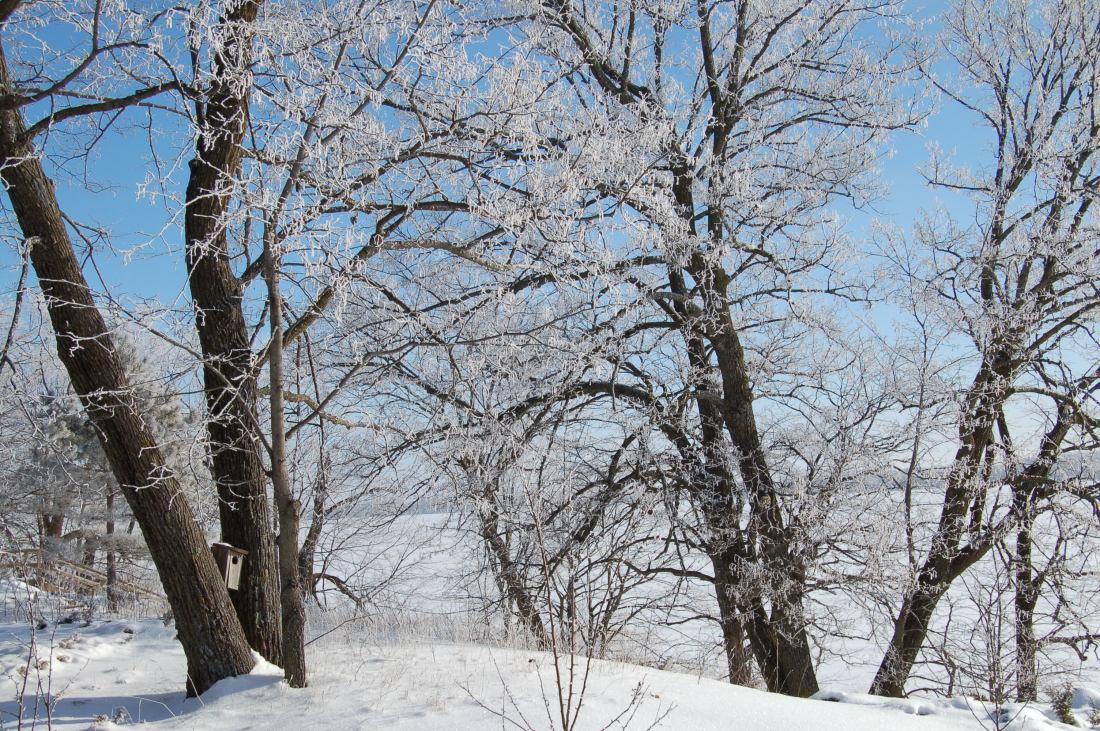
The way a crow
Shook down on me
The dust of snow
From a hemlock tree
Has given my heart
A change of mood
And saved some part
Of a day I had rued.

Opa grew up dirt poor in northwestern MN, one of a large family of Swedish immigrants. He was more or less orphaned when he was sixteen, so he persuaded a couple of buddies to see if they could winter off the land up along the Canadian border.
Whenever the temps and wind chills dig into the minus twenty, minus thirty range, I wonder how they pulled it off back around 1923. It’s no wonder that one of his favourite poems was The Cremation of Sam McGee. He knew it by heart and needed little prompting to recite it to you.
The Cremation of Sam McGee

BY ROBERT W. SERVICE

There are strange things done in the midnight sun
      By the men who moil for gold;
The Arctic trails have their secret tales
      That would make your blood run cold;
The Northern Lights have seen queer sights,
      But the queerest they ever did see
Was that night on the marge of Lake Lebarge
      I cremated Sam McGee.

Now Sam McGee was from Tennessee, where the cotton blooms and blows.
Why he left his home in the South to roam 'round the Pole, God only knows.
He was always cold, but the land of gold seemed to hold him like a spell;
Though he'd often say in his homely way that "he'd sooner live in hell."

On a Christmas Day we were mushing our way over the Dawson trail.
Talk of your cold! through the parka's fold it stabbed like a driven nail.
If our eyes we'd close, then the lashes froze till sometimes we couldn't see;
It wasn't much fun, but the only one to whimper was Sam McGee.

And that very night, as we lay packed tight in our robes beneath the snow,
And the dogs were fed, and the stars o'erhead were dancing heel and toe,
He turned to me, and "Cap," says he, "I'll cash in this trip, I guess;
And if I do, I'm asking that you won't refuse my last request."

Well, he seemed so low that I couldn't say no; then he says with a sort of moan:
"It's the cursèd cold, and it's got right hold till I'm chilled clean through to the bone.
Yet 'tain't being dead—it's my awful dread of the icy grave that pains;
So I want you to swear that, foul or fair, you'll cremate my last remains."

A pal's last need is a thing to heed, so I swore I would not fail;
And we started on at the streak of dawn; but God! he looked ghastly pale.
He crouched on the sleigh, and he raved all day of his home in Tennessee;
And before nightfall a corpse was all that was left of Sam McGee.

There wasn't a breath in that land of death, and I hurried, horror-driven,
With a corpse half hid that I couldn't get rid, because of a promise given;
It was lashed to the sleigh, and it seemed to say: "You may tax your brawn and brains,
But you promised true, and it's up to you to cremate those last remains."

Now a promise made is a debt unpaid, and the trail has its own stern code.
In the days to come, though my lips were dumb, in my heart how I cursed that load.
In the long, long night, by the lone firelight, while the huskies, round in a ring,
Howled out their woes to the homeless snows— O God! how I loathed the thing.

And every day that quiet clay seemed to heavy and heavier grow;
And on I went, though the dogs were spent and the grub was getting low;
The trail was bad, and I felt half mad, but I swore I would not give in;
And I'd often sing to the hateful thing, and it hearkened with a grin.

Till I came to the marge of Lake Lebarge, and a derelict there lay;
It was jammed in the ice, but I saw in a trice it was called the "Alice May."
And I looked at it, and I thought a bit, and I looked at my frozen chum;
Then "Here," said I, with a sudden cry, "is my cre-ma-tor-eum."

Some planks I tore from the cabin floor, and I lit the boiler fire;
Some coal I found that was lying around, and I heaped the fuel higher;
The flames just soared, and the furnace roared—such a blaze you seldom see;
And I burrowed a hole in the glowing coal, and I stuffed in Sam McGee.

Then I made a hike, for I didn't like to hear him sizzle so;
And the heavens scowled, and the huskies howled, and the wind began to blow.
It was icy cold, but the hot sweat rolled down my cheeks, and I don't know why;
And the greasy smoke in an inky cloak went streaking down the sky.

I do not know how long in the snow I wrestled with grisly fear;
But the stars came out and they danced about ere again I ventured near;
I was sick with dread, but I bravely said: "I'll just take a peep inside.
I guess he's cooked, and it's time I looked"; ... then the door I opened wide.

And there sat Sam, looking cool and calm, in the heart of the furnace roar;
And he wore a smile you could see a mile, and he said: "Please close that door.
It's fine in here, but I greatly fear you'll let in the cold and storm—
Since I left Plumtree, down in Tennessee, it's the first time I've been warm."

There are strange things done in the midnight sun
      By the men who moil for gold;
The Arctic trails have their secret tales
      That would make your blood run cold;
The Northern Lights have seen queer sights,
      But the queerest they ever did see
Was that night on the marge of Lake Lebarge
      I cremated Sam McGee.

The first goal is to see the thing itself in and for itself, to see it simply and clearly for what it is.

No symbolism, please.

The second goal is to see each individual thing as unified, as one, with all the other ten thousand things. In this regard, a little wine helps a lot.

The third goal is to grasp the first and the second goals, to see the universe and the particular
simultaneously.

Regarding this one, call me when you get it.
An Echo
The first goal is to show that the individual has agency and free choice.
The second goal is to show that the individual is also a part of kin and kith, without fail, with no exception. These groupings are varied and vast and remake through time.
The third goal is to demonstrate an interaction between the individual and their communities such that there are private and communal benefits in a consistent fashion, operating under predictable forces.
Regarding this one, I’m working on it.

I measure every Grief I meet
With narrow, probing, eyes –
I wonder if It weighs like Mine –
Or has an Easier size.

I wonder if They bore it long –
Or did it just begin –
I could not tell the Date of Mine –
It feels so old a pain –

I wonder if it hurts to live –
And if They have to try –
And whether – could They choose between –
It would not be – to die –

I note that Some – gone patient long –
At length, renew their smile –
An imitation of a Light
That has so little Oil –

I wonder if when Years have piled –
Some Thousands – on the Harm –
That hurt them early – such a lapse
Could give them any Balm –

Or would they go on aching still
Through Centuries of Nerve –
Enlightened to a larger Pain –
In Contrast with the Love –

The Grieved – are many – I am told –
There is the various Cause –
Death – is but one – and comes but once –
And only nails the eyes –

There's Grief of Want – and grief of Cold –
A sort they call "Despair" –
There's Banishment from native Eyes –
In sight of Native Air –

And though I may not guess the kind –
Correctly – yet to me
A piercing Comfort it affords
In passing Calvary –

To note the fashions – of the Cross –
And how they're mostly worn –
Still fascinated to presume
That Some – are like my own –

Poets.org
Thinking of friends who have experienced some out-of-the-natural-course-of-things deaths in recent years. Wishing them peace in this holiday season.
I enjoyed this film adaptation of Song of Lunch, a poem by Christopher Reid. Poetry is best read out loud. Add in visuals and astute acting for an interesting medium.

by W.S. Merwin

Out of the dry days
through the dusty leaves
far across the valley
those few notes never
heard here before

one fluted phrase
floating over its
wandering secret
all at once wells up
somewhere else

and is gone before it
goes on fallen into
its own echo leaving
a hollow through the air
that is dry as before

where is it from
hardly anyone
seems to have noticed it
so far but who now
would have been listening

it is not native here
that may be the one
thing we are sure of
it came from somewhere
else perhaps alone

so keeps on calling for
no one who is here
hoping to be heard
by another of its own
unlikely origin

trying once more the same few
notes that began the song
of an oriole last heard
years ago in another
existence there

it goes again tell
no one it is here
foreign as we are
who are filling the days
with a sound of our own
W. S. Merwin (September 30, 1927 – March 15, 2019) received the 2009 Pulitzer Prize in poetry for The Shadow of Sirius. His many works of poetry and translation included Present Company (2007), Migration: New and Selected Poems (2005), and a version of Sir Gawain and the Green Knight (2004).
From The Atlantic

Henry Wadsworth Longfellow – 1807-1882
All houses wherein men have lived and died
Are haunted houses. Through the open doors
The harmless phantoms on their errands glide,
With feet that make no sound upon the floors.
We meet them at the door-way, on the stair,
Along the passages they come and go,
Impalpable impressions on the air,
A sense of something moving to and fro.
There are more guests at table than the hosts
Invited; the illuminated hall
Is thronged with quiet, inoffensive ghosts,
As silent as the pictures on the wall.
The stranger at my fireside cannot see
The forms I see, nor hear the sounds I hear;
He but perceives what is; while unto me
All that has been is visible and clear.
We have no title-deeds to house or lands;
Owners and occupants of earlier dates
From graves forgotten stretch their dusty hands,
And hold in mortmain still their old estates.
The spirit-world around this world of sense
Floats like an atmosphere, and everywhere
Wafts through these earthly mists and vapoursdense
A vital breath of more ethereal air.
Our little lives are kept in equipoise
By opposite attractions and desires;
The struggle of the instinct that enjoys,
And the more noble instinct that aspires.
These perturbations, this perpetual jar
Of earthly wants and aspirations high,
Come from the influence of an unseen star
An undiscovered planet in our sky.
And as the moon from some dark gate of cloud
Throws o’er the sea a floating bridge of light,
Across whose trembling planks our fancies crowd
Into the realm of mystery and night,—
So from the world of spirits there descends
A bridge of light, connecting it with this,
O’er whose unsteady floor, that sways and bends,
Wander our thoughts above the dark abyss.

Elizabeth Bishop

                           I

Let us live in a lull of the long winter winds
      Where the shy, silver-antlered reindeer go
On dainty hoofs with their white rabbit friends
      Amidst the delicate flowering snow.

All of our thoughts will be fairer than doves.
     We will live upon wedding-cake frosted with sleet.
We will build us a house from two red tablecloths,
      And wear scarlet mittens on both hands and feet.

                          II

Let us live in the land of the whispering trees,
    Alder and aspen and poplar and birch,
Singing our prayers in a pale, sea-green breeze,
    With star-flower rosaries and moss banks for church.

All of our dreams will be clearer than glass.
    Clad in the water or sun, as you wish,
We will watch the white feet of the young morning pass
    And dine upon honey and small shiny fish.

                         III

Let us live where the twilight lives after the dark,
    In the deep, drowsy blue, let us make us a home.
Let us meet in the cool evening grass, with a stork
    And a whistle of willow, played by a gnome.

Half-asleep, half-awake, we shall hear, we shall know
    The soft "Miserere" the wood-swallow tolls.
We will wander away where wild raspberries grow
    And eat them for tea from two lily-white bowls.
Emily Brontë
Fall, leaves, fall; die, flowers, away;
Lengthen night and shorten day;
Every leaf speaks bliss to me
Fluttering from the autumn tree.
I shall smile when wreaths of snow
Blossom where the rose should grow;
I shall sing when night’s decay
Ushers in a drearier day.


We do not speak of geography,

so shortcuts cannot affect our way.

I cannot even permit your saying “No shortcuts,”

because the blackbird must sing three notes

before it sings a fourth,

because there are (movements

to be passed through)

no shortcuts,

because the bubbles that rise to the pond’s surface

must work their way through the lily roots,

and each concentric circle touch the shore.


This is not geography,

because we cannot foretell

where we are going,

seeing as how we are carried,

and know only where we have come,

recognized if we are lucky

by where we were last.

The rose leaf has no destination

when it drops through the trellis

and could not land on the bench

without drifting by the hedge

and does not after all stay


anywhere. A breeze lifts it

beside the cat who comes round the corner

of the hedge to find the lizard,

a surprise impossible to fall upon

by crawling through the hedge

with any idea of shortcut.

I find myself

in a garden of no geography,

and could not have come another way

when I did not even know

this as a place where we would arrive.
Judith Lee Stronach (1943–2002) was a journalist, poet, arts patron and social activist. A leader in numerous human rights and peace organizations as well as Buddhist groups, she was also a great friend to Inquiring Mind and served as poetry editor for the past few years.
The brain is wider than the sky,
  For, put them side by side,
The one the other will contain beside.
  With ease,and you beside.

The brain is deeper than the sea,
  For hold them, blue to blue,
The one the other will absorb,
  As sponges, buckets do.

The brain is just the weight of God,
  For, heft them, pound for pound,
And they will differ, if they do,
  As syllable from sound.
Emily Dickinson’s mind was so much her own that there is nothing in literature quite like her unpredictable twists of thought and her trick of changing cryptic non sequiturs into crystal epigrams. She is inexhaustible and inimitable.
Lives of the Poets
Dream VariationsLangston Hughes – 1902-1967
Monsieur Qui Passe

A purple blot against the dead white door
In my friend’s rooms, bathed in their vile pink light,
I had not noticed her before
She snatched my eyes and threw them back to me:
She did not speak till we came out into the night,
Paused at this bench beside the klosk on the quay.

God knows precisely what she said—
I left to her the twisted skein,
Though here and there I caught a thread,—
Something, at first, about “the lamps along the Seine,
And Paris, with that witching card of Spring
Kept up her sleeve,—why you could see
The trick done on these freezing winter nights!
While half the kisses of the Quay—
Youth, hope,-the whole enchanted string
Of dreams hung on the Seine’s long line of lights.”

Then suddenly she stripped, the very skin
Came off her soul,-a mere girl clings
Longer to some last rag, however thin,
When she has shown you-well-all sorts of things:
“If it were daylight-oh! one keeps one’s head—
But fourteen years!—No one has ever guessed—
The whole thing starts when one gets to bed—
Death?-If the dead would tell us they had rest!
But your eyes held it as I stood there by the door—
One speaks to Christ-one tries to catch His garment’s hem—
One hardly says as much to Him—no more:
It was not you, it was your eyes—I spoke to them.”

She stopped like a shot bird that flutters still,
And drops, and tries to run again, and swerves.
The tale should end in some walled house upon a hill.
My eyes, at least, won’t play such havoc there,—
Or hers—But she had hair!—blood dipped in gold;
And there she left me throwing back the first odd stare.
Some sort of beauty once, but turning yellow, getting old.
Pouah! These women and their nerves!
God! but the night is cold!

And Paris, with that witching card of Spring Kept up her sleeve,—why you could see The trick done on these freezing winter nights! While half the kisses of the Quay—
I SEEK not what his soul desires.
  He dreads not what my spirit fears.
Our Heavens have shown us separate fires.
  Our dooms have dealt us differing years.
Our daysprings and our timeless dead
  Ordained for us and still control
Lives sundered at the fountain-head,
  And distant, now, as Pole from Pole.
Yet, dwelling thus, these worlds apart,
  When we encounter each is free
To bare that larger, liberal heart
  Our kin and neighbours seldom see.
(Custom and code compared in jest--
  Weakness delivered without shame--
And certain common sins confessed
  Which all men know, and none dare blame.)
E'en so it is, and well content
  It should be so a moment's space,
Each finds the other excellent,
  And--runs to follow his own race!
by Rudyard Kipling

The Glasgow people do take pride
In their river both deep and wide,
In early times the youth and maid
Did o’er its shallow waters wade.
But city money did not grudge,
And dug it deep with the steam dredge,
And now proudly on its bosom floats
The mighty ships and great steamboats.
No wonder citizens take pride
For they themselves have made the Clyde,
Great and navigable river,
Where huge fleets will float forever.
Dunbarton’s lofty castle rock
Which oft’ has stood the battle’s shock,
The river it doth boldly guard,
So industry may reap reward.
But more protection still they deem
Is yet required so down the stream
Strong batteries are erected,
So commerce may be safe protected.
Old ocean now he doth take pride
To see upon his bosom ride
The commerce of his youngest bride,
The fair and lovely charming Clyde.
The husbands portrayed by Chaucer are uniformly unromantic and pathetically unheroic. Rarely in literature have males been so roundly ridiculed, so easily cajoled, and so blandly cuckolded. Chaucer’s married men are regularly henpecked, humiliated, beaten, betrayed, and exhibited as objects of defenseless servility. In a few rare instances-“The Knight’s Tale” and “The Franklin’s Tale” are two of them-Chaucer allows that marriage and love can flourish in the same bed. But the poor husband is at peace only if he relinquishes the role of master and remains a servant to his termagant spouse.
Lives of the Poet’s, Louis Untermeyer
Apparently the macho male, master of his family, is a more modern creation. From the 1300’s to today, something changed in the power structure of marriage. Domestic power in the Middle Ages swilled around the women. And Chaucer didn’t mince words on how its influence appeared in the fairer sex.
Women as women, however-and, in particular, women as wives were terrible realities. They were not merely shrewish but shameless, garrulous, greedy, disloyal, and licentious. Worse, they were united in an un written but universally recognized conspiracy to subject their husbands to every possible indignity. The husband of Philippa cannot be definitely identified with the creator of The Canterbury Tales, but it is unlikely that a happily married author would speak so scurrilously of the marital state and take obvious pleasure in so many humiliating incidents, grimly detailing the triumphs ofSo wifehood and the ignominious capitulation of the woman’s miserable partner.
In the 600 years since Chaucer is thought to have wrote The Canterbury Tales (around 1380) household power dynamics made a mighty shift. Now that women have come back into their own, maybe it’s time to be on the watch once again for the hen pecked husbands.

I HOLD you at last in my hand,
— Exquisite child of the air.
Can I ever understand
— How you grew to be so fair?
You came to my linden tree
— To taste its delicious sweet,
I sitting here in the shadow and shine
— Playing around its feet.
Now I hold you fast in my hand,
— You marvelous butterfly,
Till you help me to understand
— The eternal mystery.
From that creeping thing in the dust
— To this shining bliss in the blue!
God give me courage to trust
— I can break my chrysalis too!
South winds jostle them,
Bumblebees come,
Hover, hesitate,
Drink, and are gone.
Butterflies pause
On their passage Cashmere;
I, softly plucking,
Present them here!


I have a little shadow that goes in and out with me,
And what can be the use of him is more than I can see.
He is very, very like me from the heels up to the head;
And I see him jump before me, when I jump into my bed.
The funniest thing about him is the way he likes to grow—
Not at all like proper children, which is always very slow;
For he sometimes shoots up taller like an india-rubber ball,
And he sometimes gets so little that there’s none of him at all.
He hasn’t got a notion of how children ought to play,
And can only make a fool of me in every sort of way.
He stays so close beside me, he’s a coward you can see;
I’d think shame to stick to nursie as that shadow sticks to me!
One morning, very early, before the sun was up,
I rose and found the shining dew on every buttercup;
But my lazy little shadow, like an arrant sleepy-head,
Had stayed at home behind me and was fast asleep in bed.
Source: The Golden Book of Poetry (1947)
 Home Economics