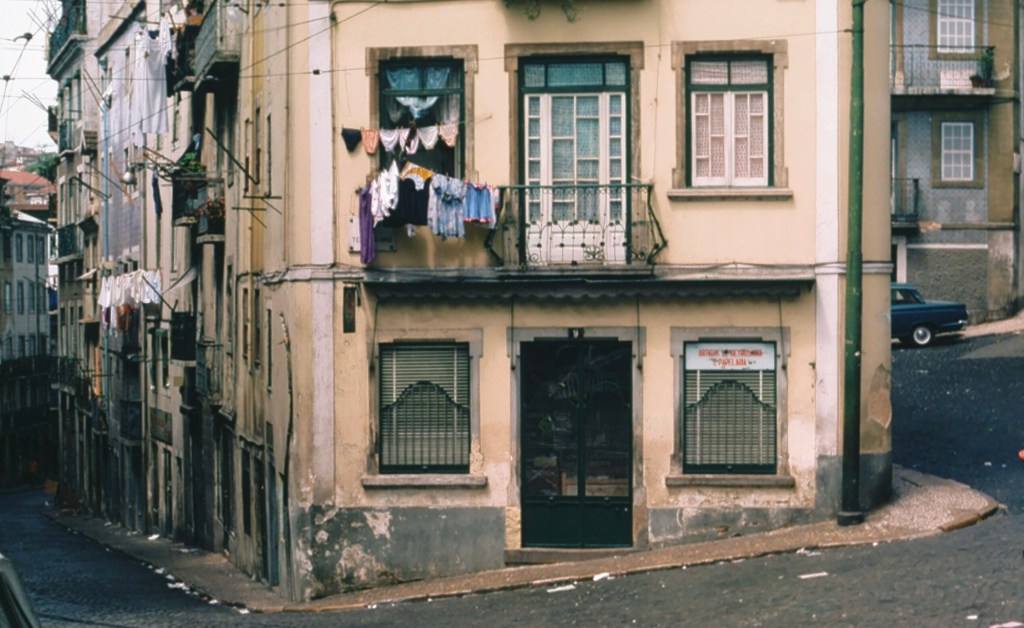
We the Living by Ayn Rand is worth the read. The writing is authentic to the times and the people– at least that’s the way it seemed to me. The strained pinch of always curbing to a need, the fear of someone telling, the burden of always in a line, all standing as obstacle in the pursuits one’s own dream. But the lack of access to personal space due to over-crowding housing must have been particularly unpleasant.
In 1917-1919, Lenin implemented a state housing system allocating each citizen something like 9 square meters of space. Large houses were broken up and unfamiliar parties lived room to room with barely a door between them. If you were unlucky to be an on suite, ope, people walked through to use the washroom at will.
Fortunately, private ownership return in what was the old Soviet Union by the 1990s. And now the area has one of the highest home ownerships in the world. Still the nuts and bolts of titling and settling disputes can be a trick. Luckily there are organizations to help.
Claude: World Bank – Land & Property
The World Bank is arguably the most active global body on this. It funds land titling programs, registry digitization, and property rights reform in 50+ countries. With approximately $1.5 billion in commitments, the World Bank has supported more than 50 countries over the last 25 years to improve land tenure security through policy and legal support, institutional development, and financing land titling and digitalizing land registration systems. World Bank Blogs It also ran the Doing Business index, which measured the quality of land administration systems across five dimensions: reliability of infrastructure, transparency of information, geographic coverage, land dispute resolution, and equal access to property rights.