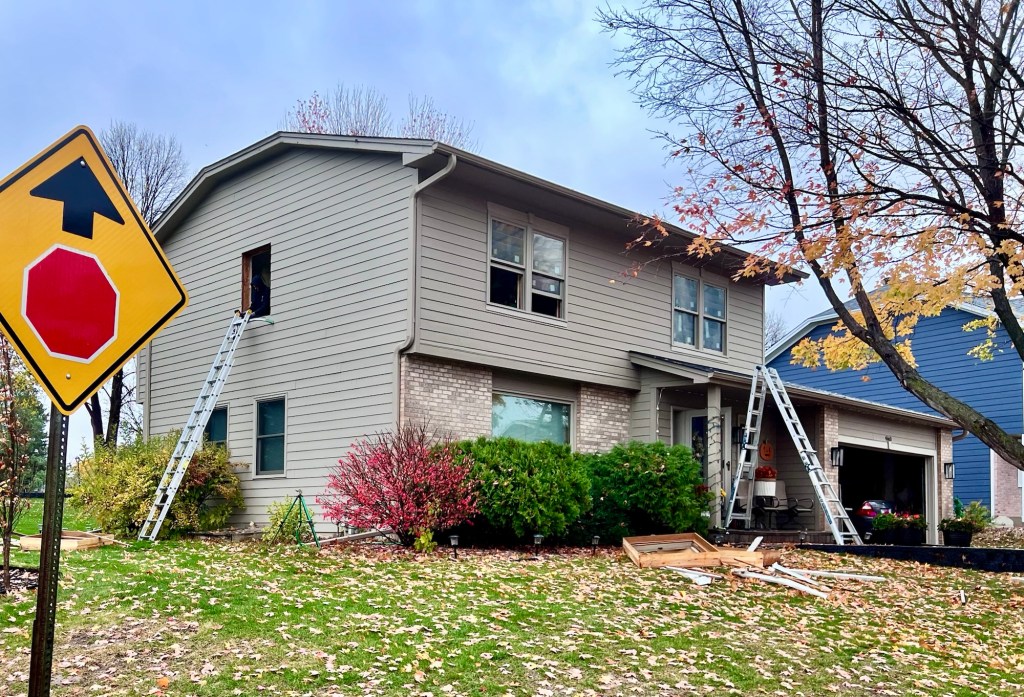
Ideally, homes sell in a reasonable timeframe allowing their owners to move onto other plans. This frees up the property for a new owner with their hopes and ambitions for their new residence. Some factors have a greater impact on marketability than others. Significant home repairs is one example. A new buyer is often tapping their resources to just get into a home. To commit to a property which will demand a large investment in, say window replacement, is too uncomfortable. Not only are windows a big-ticket item, but it’s also the type of project that can trigger other repairs like flashing, insulation or wood framing repair.
Other obstacles include changes which affect financing. The City Reporter cites troubles on refi’s for buildings in New York, those effected by the new rent freeze rules.
Government-backed Fannie Mae, which has become the lender of last resort for private rent-regulated buildings, has toughened its underwriting standards since the rent freeze passed in June. Freddie Mac, the other government-backed lender, has instituted a “pause” on new loans while it assesses the impact of the freeze, according to several real-estate sources who spoke to The City Reporter.
Cash buyers have a lot of freedom to purchase under many circumstances. But those who depend on financing not only need the rules to be agreeable to the lenders but also the insurance carriers as home insurance is a requirement for the financing. There was a time when the insurers decided they would no longer cover homes whose electrical service included glass fuse plugs in the electrical panel. In one swoop, properties with the older service were more difficult to sell.
Homeownership not only gives one satisfaction of owning your own little fiefdom, it is also most people’s most important asset. Clipping a person’s ability to trade it or to move into better circumstances is an affront to a core freedom.


