For those outside the U.S., the pull of a Friday-night high school football game can be hard to grasp. Under the lights, the stands fill with a cross-section of the community that few other local events still manage to gather.
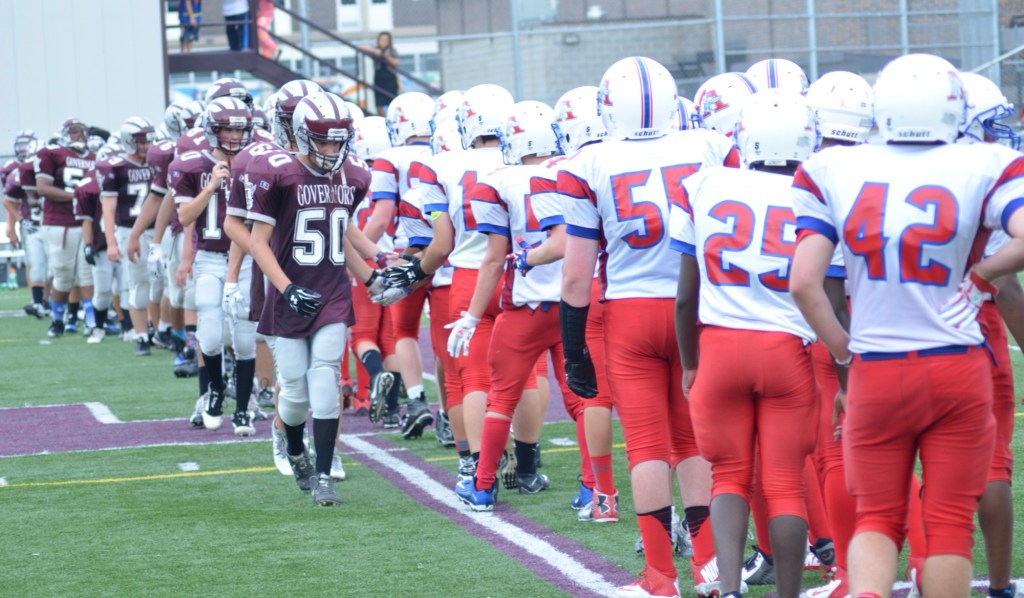
The players are the obvious center—skill, effort, and the particular intensity of teenagers competing in front of people who know their names. Their parents are usually the most constant presence, turning the game into one of the rare social hours available to people whose calendars are already spoken for by work and younger children. The games themselves are straightforwardly fun, which is a draw.
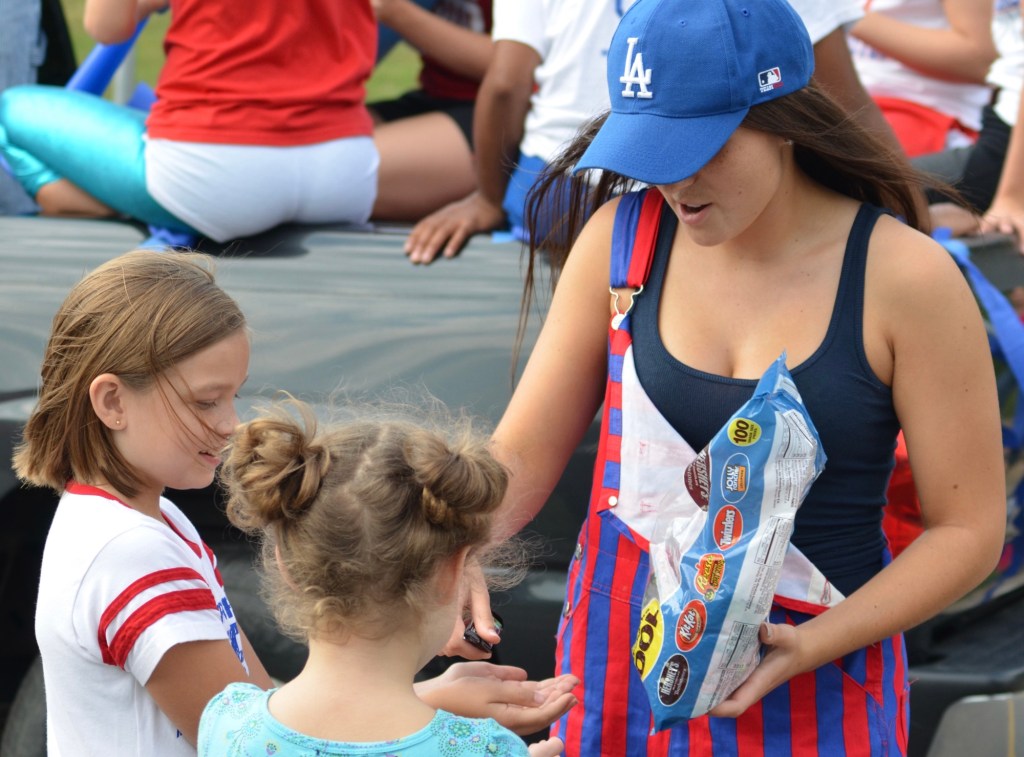
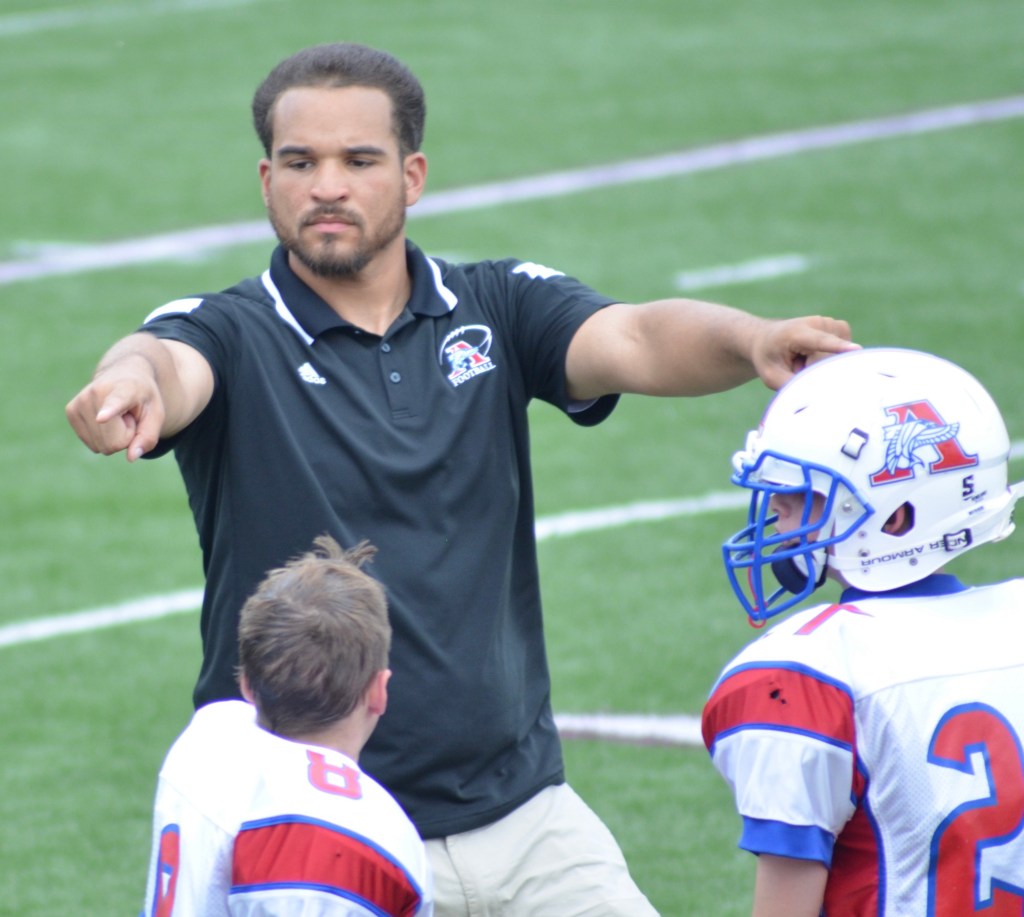
Grandparents often treat the evening as a reason to get out. Once they’re there, other relatives tend to follow, arriving with extra jackets, mittens, and seat cushions against the cold metal bleachers. Classmates show up in coordinated themes, adding noise and color. Junior-high kids move through the crowd with face paint and beads, largely unsupervised, absorbing the spectacle. Coaches, assistants, and the volunteer photographers are there on duty yet largely unpaid, offering the kind of ordinary advice that accumulates over a season. The marching band supplies its own volume and continuity.
The circles of influence that radiate from the event are wide. That is why a shooting at one of these games—committed by someone with no connection to the school or the people gathered there—registers as an especially broad violation. It doesn’t just interrupt a sporting event; it reaches into the ordinary, overlapping lives of families, volunteers, and kids who had come for something ordinary and communal.