Natural amenities are not fixed background conditions. They are produced, maintained, degraded, and sometimes destroyed, and those changes show up directly in real-estate prices.
The paper, Taxing Paradise: Political Capture of Amenity Rents and the Missing Migration to California by Philip E. Graves, treats California’s climate, coastline, and mountains as essentially unchanged and therefore attributes the state’s long-running domestic out-migration to the political capture of the location rents those amenities generate. The distinction between amenity value and its capture is useful, but the premise that the amenities themselves are stable understates how much their effective quality depends on access, density, risk, and private investment.
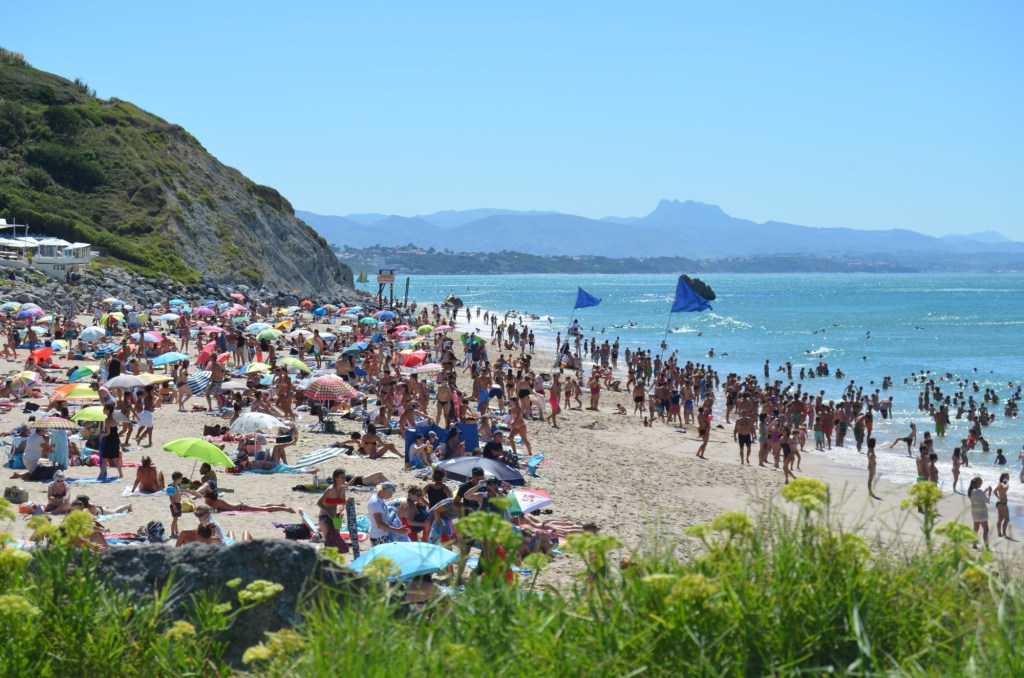
Beaches illustrate the point. Forty years ago many California beaches were relatively open and lightly used. Over time, shoreline access has narrowed through private development, parking restrictions, and simple crowding. Even where a public beach remains, the same physical strip of sand now serves a much larger population. The amenity that enters a household’s location decision is not the geological feature; it is the experience of using it. That experience has deteriorated for many people even if the coastline itself has not moved.
Amenities can also be destroyed. Homes overlooking western canyons or forested ridges once commanded premiums for the views. Recurrent wildfires have altered both the scenery and the risk profile of ownership. Higher insurance costs, or the simple unwillingness of some buyers to accept the residual risk, reduce the capitalized value of those locations. The natural feature may still exist, but its contribution to property value has changed.
Amenities can likewise be created or amplified. A developer who erects a tall building does not invent the distant mountains or coastline, but the upper-floor units that capture unobstructed views of them sell at large premiums relative to lower floors that look into neighboring windows or a busy street. The view is a natural amenity; the ability to enjoy it at that intensity is an artifact of construction and location within the building. Similar effects appear with landscaping, trail systems, or waterfront improvements that raise the usability of existing natural features.
None of this denies that natural amenities matter for real-estate pricing, or that governments can capture the rents they generate. It does suggest that the stock of effective amenities is endogenous to population pressure, land-use rules, maintenance, environmental change, and private development. A fuller account would therefore need to track how the quality and accessibility of those amenities evolve alongside the tax and regulatory instruments the paper emphasizes. The rents are real; the amenities that produce them are not static.