When I was a young loan officer, just out of college, a couple came into the bank to apply for a car loan. They were only a few years older than me, and already homeowners with some equity in a starter home. Their employment history showed they hadn’t gone on to higher education — instead, they’d entered the workforce and bought a house.
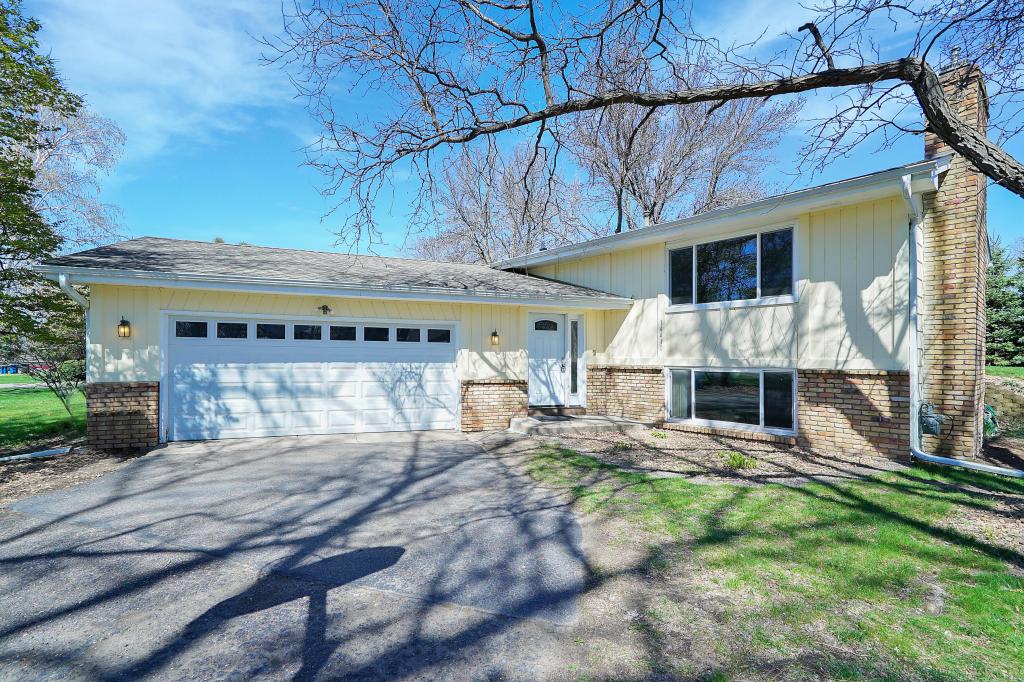
At first, I was taken aback by how much further along the path of building net worth those few years had put this couple. But it was the fact that they had acted — taken a risk, made a purchase, and settled in — that gave them their financial edge. This was all in a working-class neighborhood in a northern suburb of the Twin Cities. Split-entry homes built in the late seventies: two bedrooms up, two down, double slider windows, a double attached garage. Nothing fancy.
When I hear today that people are struggling to get into housing, that the cause is price, that people are locked out, I can’t help but think of this couple. They did what they needed to do. They picked the best option available and stuck with it. That put them a step ahead of their age cohort who’d gone to college. They were ready to move up to the next level of housing before they’d even had time to think they could get what they really wanted.
Time and again, I’ve watched people delay or postpone a purchase because they feel they’re not getting enough for their money. The whole idea of a starter home is to get in the game — start building equity, learn a little about being a homeowner and doing renovations. Whether it’s an inability to envision interior improvements to a house or to imagine influencing positive outcomes across a neighborhood, some people won’t get where they want to be, because they won’t put in the effort to find the path.