It’s always a treat to read a book written in another era, fresh from current tropes. Marion Clawson’s Man and Land in the United States (1964) doesn’t flinch: right after the American Revolution, the federal government’s primary goal with the public domain was brutally simple—sell huge swaths of land to big investors and speculators. Why? The nation was drowning in war debt and those empty western acres were the only real asset it had. The Land Ordinance of 1785 wasn’t some noble grid for yeoman farmers; it was a surveying machine built to sell fast and tax later. Economics first, romance later.
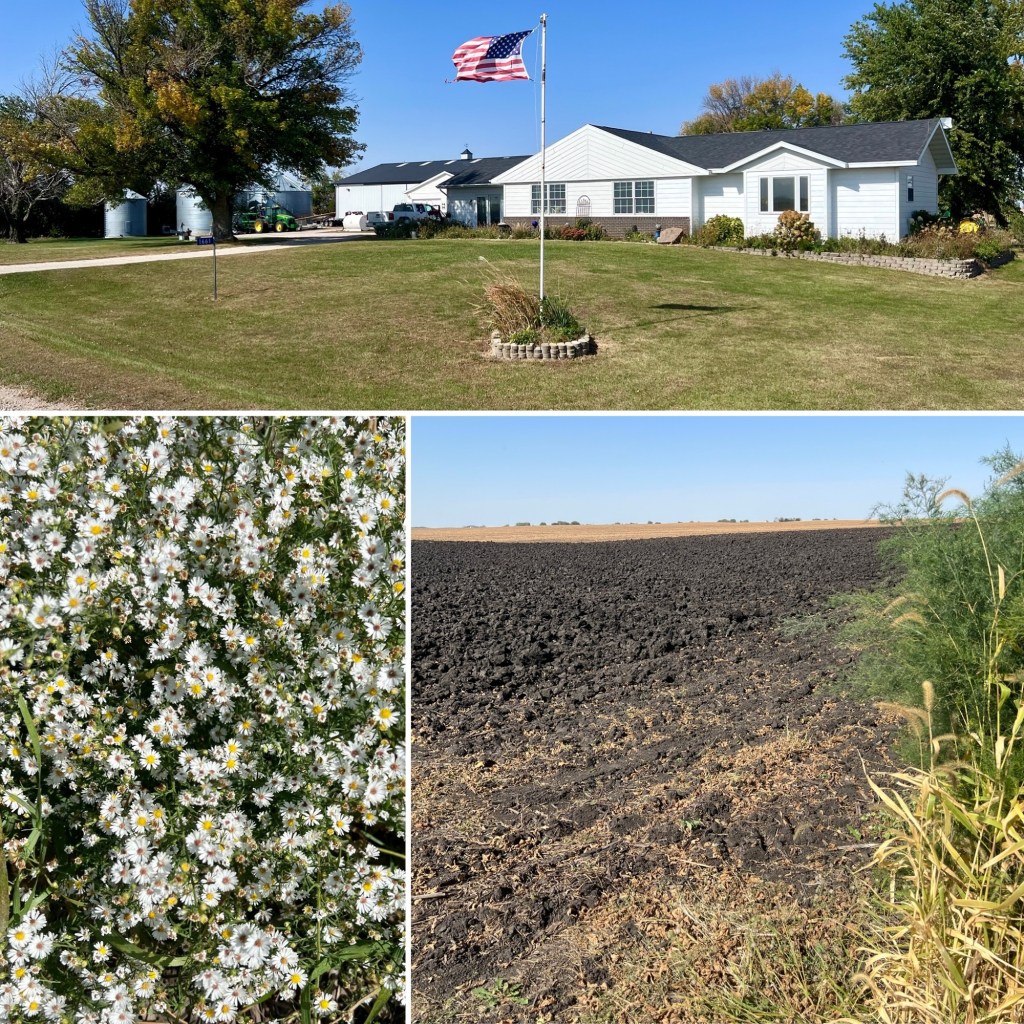
Yet within a generation Thomas Jefferson’s vision took hold: the independent family farm as the bedrock of republican virtue. The individual settler, not the absentee investor, became the ideal. The Wild West followed—horse-trading, shady deals, claim-jumping, and countless homesteaders who broke and walked away. But here’s the quiet genius Clawson reveals: out of all that chaotic, small-scale bargaining a standardized system of real-estate transactions slowly crystallized. Title, survey, deed, mortgage, clear transfer. And with it came the deep cultural conviction that if you cleared the land, improved it, and worked it, you could actually accumulate wealth.
The largest peaceful land transfer in world history happened in the decades after the Revolution—roughly 1.8 billion acres of public domain eventually moved from federal hands into private ownership. George Will has often recounted the Constitutional moment as one of hard-headed institutional craftsmanship: the framers knew a weak central government couldn’t pay its debts or secure the frontier. So they built a framework—federal control of western lands (Article IV), clear property rights, enforceable contracts—that turned raw wilderness into capital.
How much of America’s distinctive faith in markets, mobility, and earned wealth was “feathered” (as Will might put it) by those early trading institutions and the lived experience of buying, improving, and owning land? The horse-trading was messy, the failures heartbreaking, but the emergent order was powerful: work the land, trust the deed, and the system will let you keep what you build.
That’s not just history. It’s the quiet origin story of the American dream of property as the ultimate stake in the game.