On his SlowBoring substack today, Matt Yglessias wrote how the seniors are quite a bit better off than in years of yore. Fewer live check to chek and many have additional assest, their homes included. To close the piece he notes:
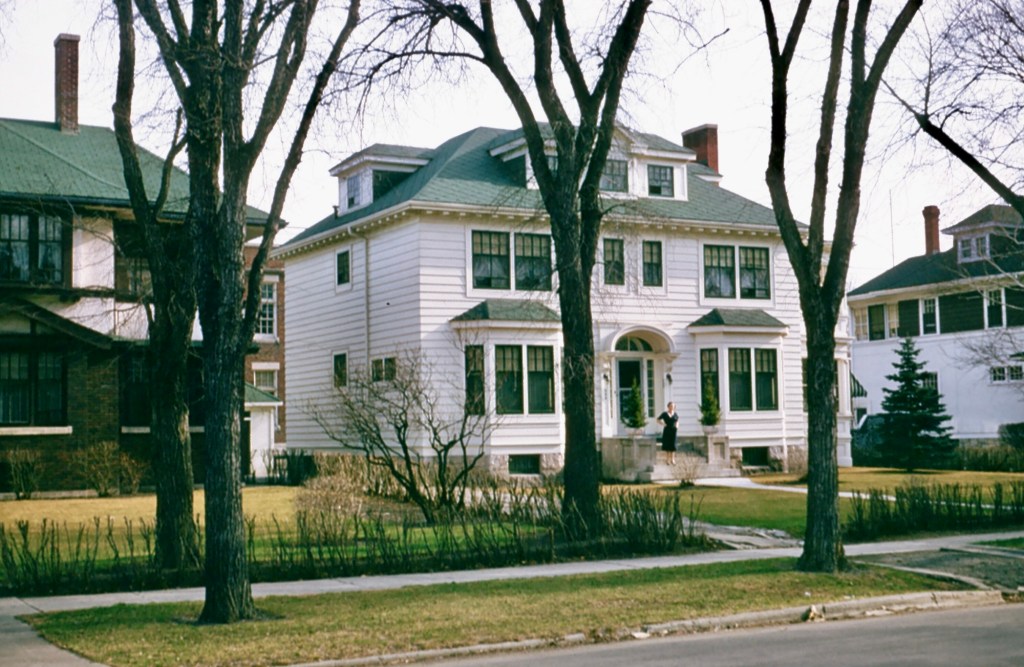
Right now, 28 percent of America’s large homes with 3+ bedrooms are owned by empty-nesters. I’m not a communist who thinks we should seize those homes and redistribute them to young zoomer couples who want to get married and have kids.
But if affluent boomers were to sell their homes, realize large capital gains on the transaction, and move into smaller dwellings and live off their financial windfall, that would be a fine outcome for the country. When Senator Kelly says that Washington doesn’t talk about the problems of retired people enough, he has the actual situation completely backwards.
This syncs with yesterday’s post in that it may not be the quantity of homes in a community, but rather there could be gains by right-sizing of the household to the structure.
An elderly person may feel comfortable in their 4,000 sq ft home while living in only three to four rooms. They may have financial incentives to stay put if a move leads them to an assisted living facility. But it is not always ideal. The repairs, and fear of repairs, can be wearing.
If a municipality were to offer services to help ease them into other forms of living than these move-up houses would be freed up for new families. Some of these might be practical, like having pick up days where all items left at the curb would be collected at no cost. The burden of things can be an obstacle to a move. Tours of other types of living options might get people interested. Stressing the ease of less to care for, or the conveniencce of being closer to medical facilities might be an angle.
Giving up a long-time resident is difficult for many, at any age. When the constraints of being on in years make everything a bit more of a project, offering ways to facilitate a move could better align the people with the structure.