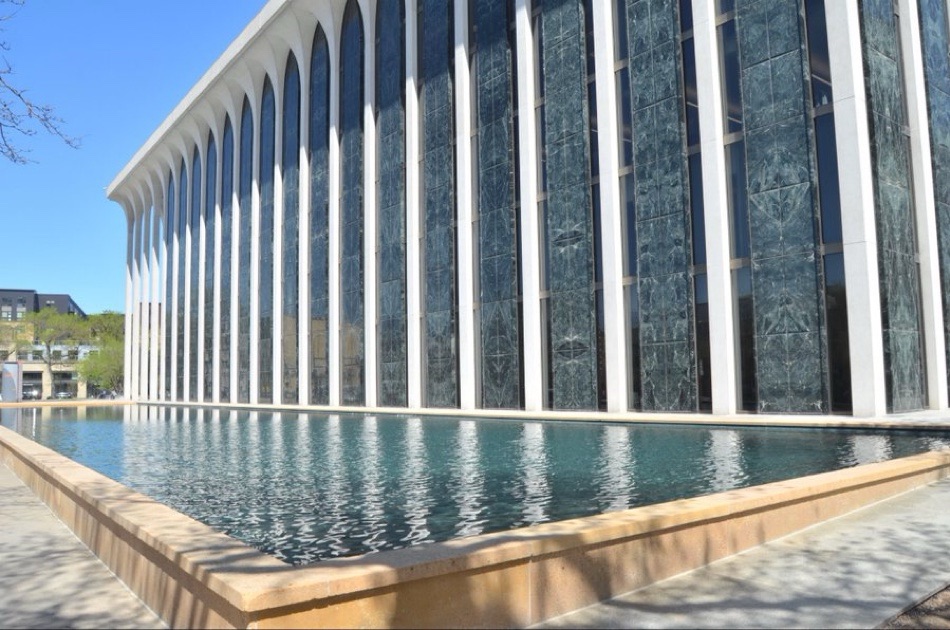
This beautiful structure is apparently sitting vacant. A developer has a proposal in the works to convert it to a hotel. It is not the only flagship building on the block.
Both downtowns have suffered significantly over the past several years. Remote work, corporate relocations, and shifting consumer habits have drained daytime activity, leaving once-vibrant urban cores quieter and less economically dynamic than before. Office towers sit partially empty, foot traffic has declined, and the ripple effects on retail, restaurants, and small businesses have been painful and persistent.
The consequences of political choices often unfold slowly, eroding trust and relationships over years before their full damage becomes obvious. Rebuilding that trust and those relationships takes even longer. Yet many assessments of urban policy overlook two critical factors that are essential to understanding the trades at play.
First, core cities remain deeply dependent on the broader metropolitan population that lives outside their municipal boundaries. Suburban and exurban residents fuel downtown economies through commuting, business activity, tourism, shopping, and entertainment. When city leadership pursues political ambitions that dismiss or alienate those outsiders—treating their preferences on taxes, safety, transit, or quality of life as irrelevant—it is profoundly shortsighted. You cannot sustain a vibrant urban core by writing off the very people who help pay for it and keep it alive.
Second, analyses frequently ignore the importance of time series—the delayed and cumulative nature of policy effects. Negative outcomes often take years to fully materialize, allowing leaders to claim success in the short term while quietly degrading the institutions, incentives, and social capital that once maintained balance. Crime trends, business flight, declining public services, and changing perceptions of safety do not show up immediately in headline statistics. By the time the damage is undeniable, the systems that supported downtown vitality have already been weakened.
Finally, the timeline and cost of recovery are routinely underestimated. Attracting businesses, retailers, and consumers back to these geographic fiefdoms will require far more than rhetoric or one-time subsidies. It demands consistent, credible improvements in safety, cleanliness, taxation, and overall experience—over many years. Reversing course is always harder and more expensive than preventing the initial erosion.
In short, downtown recovery cannot be engineered by ignoring suburban realities, wishing away time lags, or pretending that political decisions have no long-term economic consequences. Sustainable urban vitality requires policies that respect the interdependence of the entire metro area and a clear-eyed recognition that trust, once lost, is extraordinarily costly to restore.
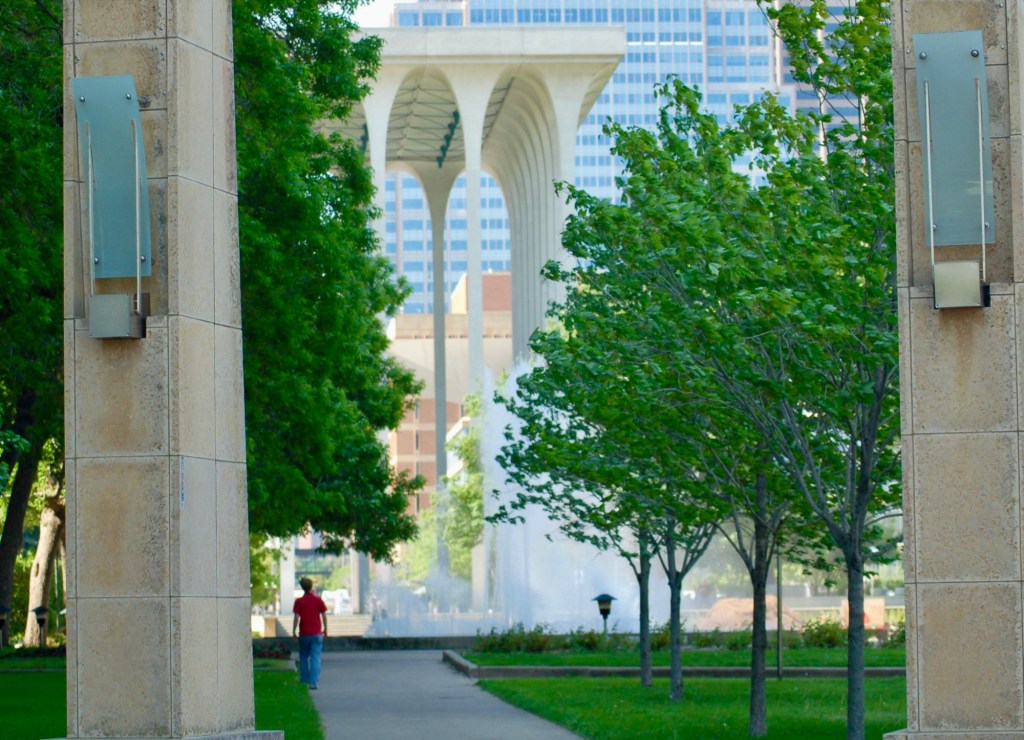
The building features an 85 foot (26 m) portico that serves as the visual terminus for the Nicollet Mall.


