When should a community gather up its resources and provide a service to all members? And when should individuals be turned out into the world to navigate on their own dime? These debates cross all levels of government.
Some provisions are accepted as a government thing, like piped water or sewer. Even basic universals like education attract conversation about private options. Roads are sometimes (although truly not very often) toll roads. Bridges are mostly a public venture, as are parks. What takes a good out of private production and places it in the receivership of a bureaucracy?
Fear usually. Police and firefighters are in place to ensure personal safety. The New Deal was to alleviate fears against a repeat of depression era outcomes. When society risks a loss that compels a human response, society steps forward with a safety net.
Mamdani, New York Cities new mayor, sold the people on a fear of escalating grocery prices and thus the need for a government run store. This seems different than when a small community rounds up a helicopter rescue for a mountain climber who ventured up a nearby peak alone and unprepared.
So who gets to pick what there is to fear? Not everyone does this well. Here’s Mises (from Theory and History)
They recommend some policies, reject others, and do not bother about the effects that must result from the adoption of their suggestions.
This neglect of the effects of policies, whether rejected or recommended, is absurd. For the moralists and the Christian proponents of anticapitalism do not concern themselves with the economic organization of society from sheer caprice. They seek reform of existing conditions because they want to bring about definite effects. What they call the injustice of capitalism is the alleged fact that it causes widespread poverty and destitution. They advocate reforms which, as they expect, will wipe out poverty and destitution. They are therefore, from the point of view of their own valuations and the ends they themselves are eager to attain, inconsistent in referring merely to something which they call the higher standard of justice and morality and ignoring the economic analysis of both capitalism and the anticapitalistic policies. Their terming capitalism unjust and anticapitalistic measures just is quite arbitrary since it has no relation to the effect of each of these sets of economic policies.
Taking over a grocery is sure to fail financially without ensuring any additional food security for those who need it. It’s a vanity project. Wouldn’t it be like telling the mountaineer that a government representative would need to participate in the planning and execution of his climb? Yet here, the little community bears a disproportionate cost for the climbers’ foolishness.

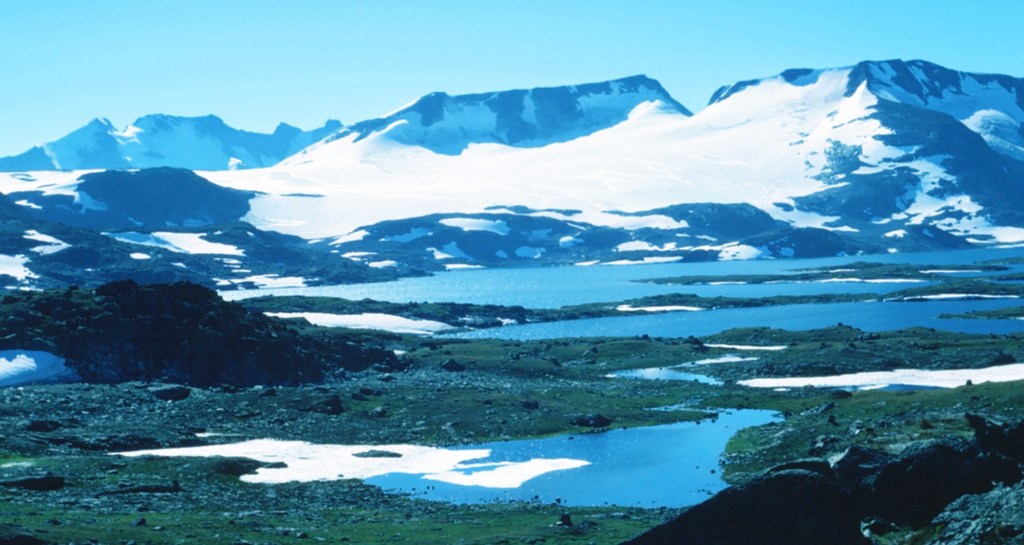
It seems that the risk to persons and the community happens to various degrees. Whether the risk triggers community involvement has to do with its extreme and the distance between the risky step and all the other steps in between.


 Home Economics