Harnessing a Spontaneous Order?

Randy Clark has gotten a hold of a turn-a-bout momentum, bringing the DC metro into an about-face toward ridership satisfaction. Is there a method to his madness? First, consider the background, from the Washingtonian.

Clarke arrived in Washington at a low point for Metro. In July 2022, the Omicron variant was causing a midsummer spike in Covid cases and DC had one of the highest rates of remote work in the country. Bus and rail trips were still stuck at about half their pre-pandemic levels. The previous October, a relatively new 7000-series train had derailed on the Blue Line in Arlington, leading to a rebuke from the National Transportation Safety Board.

The metro chief was not a train enthusiast from the start. But as he went through school, he became fascinated by how transport touches many other aspects of life. People need to connect with each other and travel the distances to do just that, which gives the service a public flair. This sets up the juggle between the funding flow from governing bodies and the satisfaction of the general population.

There are two sometimes conflicting areas of public-transportation management: (a) politics, or how to obtain funding and craft policy, and (b) operations, or how to make trains and buses run safely and on time. An effective transit leader has to excel at both.

The payer and the end user are disjointed. So how does a manager of such a system tie the money and the product together?

A regular rider, Clarke has a commuter’s perspective on Metro—and an executive’s fluency with how it works. Onboard, he tells me about the relative quietness of the system’s tracks (they use massive lengths of continuous welded rail, so they don’t make the loud click-clack of, for example, the New York City subway) and the stretch of track where trains travel fastest (the tunnel between Rosslyn and Foggy Bottom).

It’s hard to get payers on board when the users are unhappy with the product. Clark dedicates himself to changing that.

When the system is working poorly, Metro can feel dated, even a little sad. But when it’s working well, it’s easy to feel the pride behind its creation. Clarke’s fans credit him with restoring that feeling, and he believes vibes matter. When transit infrastructure is broken and dirty, he says, riders and local politicians get frustrated. They ride less, drive more, and—consciously or unconsciously—devalue the system. By contrast, when trains and buses run frequently and stations feel clean, riders feel more pride and lawmakers believe the system is worth supporting.

Priming the pump to lure riders back to the metro is only one side of the story. The funding side is more complicated for this public good because 1. it has no dedicated funding source, and 2. its ridership draws from Virginia, Maryland and DC. Clark must shake out the individuals who place train transit at the forefront of their priorities. He is looking for the individuals out of the three groups who share this transit goal.

For now, Clarke is riding high, the closest thing to a rock star local transit has ever known. And he’s not changing his hands-on approach. As he rides the rails, he notes any problems he sees: Recently, he pointed out a broken gate to a station manager, and repairs were soon made.
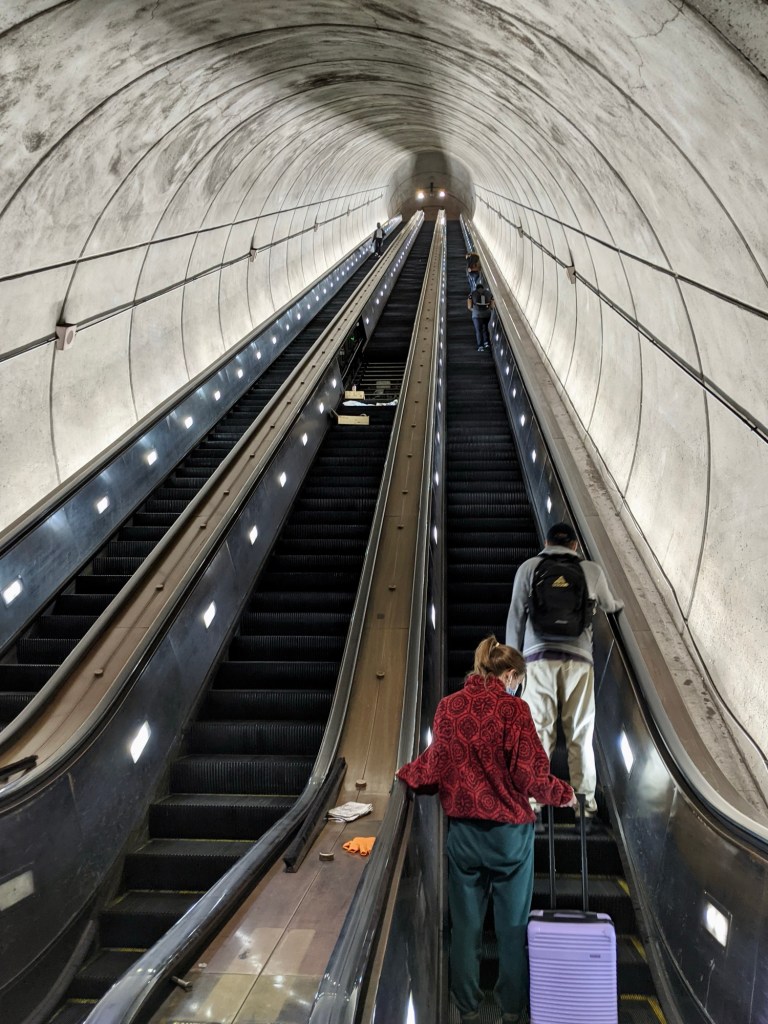
Minimal ridership in 2021

Private subsidizes eventually expire

Yesterday’s post revolved around Adam Pratt’s framing of the groups with a stake in Uber & Lyft’s departure from Minnesota, in his article Getting to the Big Picture on Rideshare. Today’s post tries to sort through which groups will have a thumbs up or thumbs down on their value outcome.

Pratt describes how the two tech companies were able to enter into a market and survive for a decade without making a profit.

Like some tech companies of the era, Uber was funded with billions in venture capital to allow it a path to viability. And like other tech stars of the era, that glide path lasted over a decade and allowed Uber to price its service below cost and pay drivers more than it could profitably afford.

The profit motive is important. If a private company is a going concern, then it needs to make a profit under the existing constraints. So many of the tech companies blasted through traditional ways of doing business and shut them down. Or disrupted them, as the then-popular phrase went. But in effect, only some of the new platforms delivered enterprises that ended up being profitable. And for Lift and Uber to make a go of things, part of the restraints is the objectional driver wages.

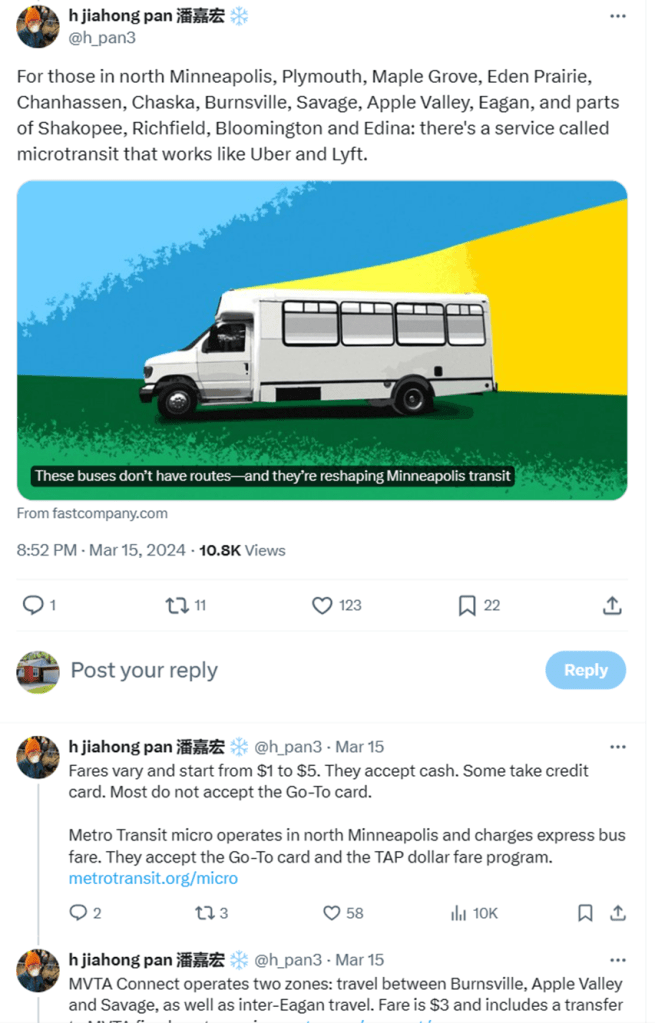
There has always been a subsidized transportation system available to the public. And this journalist, H Jiahong Pan, did a fantastic thread outlining all the options. He points out that many of them are less expensive than the ride shares. These buses don’t have routes is one of his articles about micro-transport but read his thread for all the details.

In effect, Uber & Lyft became a subsidized ride system for more than a decade. The consumers preferred it as it was timely and came to your doorstep. If you are blind, for instance, this can be world-changing. It wasn’t because it was cheaper. Others who benefit from the private subsidy (gift from private VC) are all those others who could have paid for a taxi, or driven their vehicle, but preferred a ride if they were going to throw back a few.

All riders will lose convenience with the departure. But those on the low-income scale will be most inconvenienced. Those on the mid-to-high income scale will replace the service with other for-hire drivers. Those who drink and drive could suffer, and cause suffering.

If anything, new information about the market should give public transit clear directions on what customers value. After all, even though a profit motive is not entirely in play, ridership is still a measure of the performance of the various public transit options. In many cities tracking of public transit is available online so riders can make their connections.

The drivers who need a full-time driver positions can transfer to public transit driving and earn quite a bit more money as well as benefits. The thing is, if they had wanted those jobs, they would have already made the switch. Most probably they don’t want to be committed to a boss and a schedule and they benefit in some way from the flexibility of being self-employed. All those who were doing it part-time just lost their part-time gig. Many side jobs are lower paid without benefits. It seems like this group, which is quite large, will lose out financially.

The politicians can tally a score in the win column. They went to bat on an issue and won. But to say they can account for a positive value in the people-over-profits net sheet is very much in question.