Listen to Grumpy (cont 2)

There’s truth in this phrase.

There is no blob of “government” money, or “policy” that can make something affordable for one without making something else less affordable for another.

So if tenants get immediate relief from a rent freeze, where does that money come from?

Those outside the business may think that this will trigger a direct transfer from a wealthy landowner. Structurally this is an impractical notion. Even for those who have equity, it is just that: wealth tied up in the value of the property. It is not cash that can circulate and pay bills.

But in most all cases, the funds that come in from rent are pegged to go out to another obligation. This might be property taxes which are known to increase every year. This might be to a bank that financed the purchase of the property. And the insurance company which provides property isurance as required. This might be to a utility company. Each of these obligations have recourse for non-payment which ultimately leads to their making first claims on the income.

The funds which subsidize the rent freeze are most likely to come from monies intended for repairs and maintenance of the property. These vary from tasks that are good to do but not urgent, to things that if defrayed cause additional costs, to things that need immediate attention like a leaky pipe or a furnace outage. To give an idea of the number of routine items involved in the care of real estate, consider this post.

Over time, two things tend to occur. First, the new landlords with all their positive energy and desires to get ahead can’t maintain a financial foothold and leave. Other longer term owners prioritizes the most important fixes but let the cosemetic upgrades go. Over time more and more of the longer term components age, yards get overgrown, appliances become run down. The housing stock deteriorates.

The neighborhood at large is depreciated by blight, taking a little chunk of equity from every property owner nearby.

The cost of uncertainty

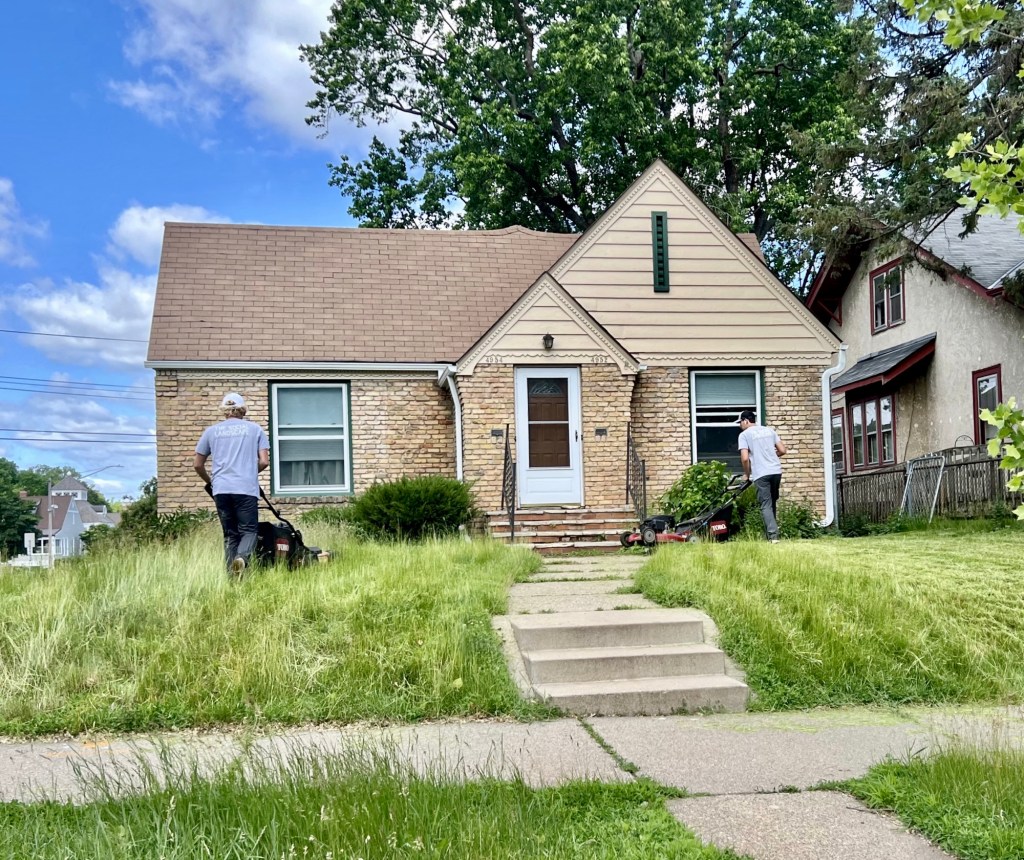
I showed a house this week in a modest but well-situated neighborhood. It had some problems, but mostly superficial– carpet, paint, appliances, and the like. Yet, even at a price below the comparable sales, it remains on the market. What? Uncertainty.

The property has been through a foreclosure, and as the tax records show, the bank holding the paper, Midfirst Bank, repurchased it. But this is a murky ownership situation.

At a sheriff’s sale, the buyer is not immediately given a full and clear ownership title the way they would in a normal real estate closing. Instead, the buyer typically receives one of two legal instruments depending on the state:

  1. Sheriff’s Certificate of Sale (common in states like Minnesota)
    • This document shows that the buyer purchased the property at the sheriff’s sale.
    • It is not a deed and does not yet transfer full title.
    • The original owner still has a redemption period (often 6–12 months, depending on the type of property and state law) to pay off the debt and reclaim the property.
  2. Sheriff’s Deed
    • If the redemption period expires without the former owner redeeming the property, the sheriff’s certificate is converted into a sheriff’s deed (sometimes automatically, sometimes requiring a filing).
    • The sheriff’s deed conveys whatever interest the debtor had in the property to the buyer, but it usually comes without warranties of clear title. That means the buyer takes the property subject to existing liens, unpaid taxes, or other encumbrances, unless state law says otherwise.

The property is being marketed by the owner who went through foreclosure, even though their right to the property is only through redemption. They would have to find a buyer to settle the full amount owed to Midfirst. This middle-ground ownership area makes the market uneasy. What if the bank wants more than the sheriff’s sale for fees and expenses? What if the property’s condition deteriorates between the offer and closing? Who will handle the repair? Will the title transfer be handled properly in the end?

Minnesota’s foreclosure rate is very low at one-half of one percent of the housing stock. So these sales are rare, and an investor will undoubtedly find it worthwhile to take on as a project. But in areas with insecure property rights and poor banking relations, the surcharge for uncertainty carries a hefty surcharge.