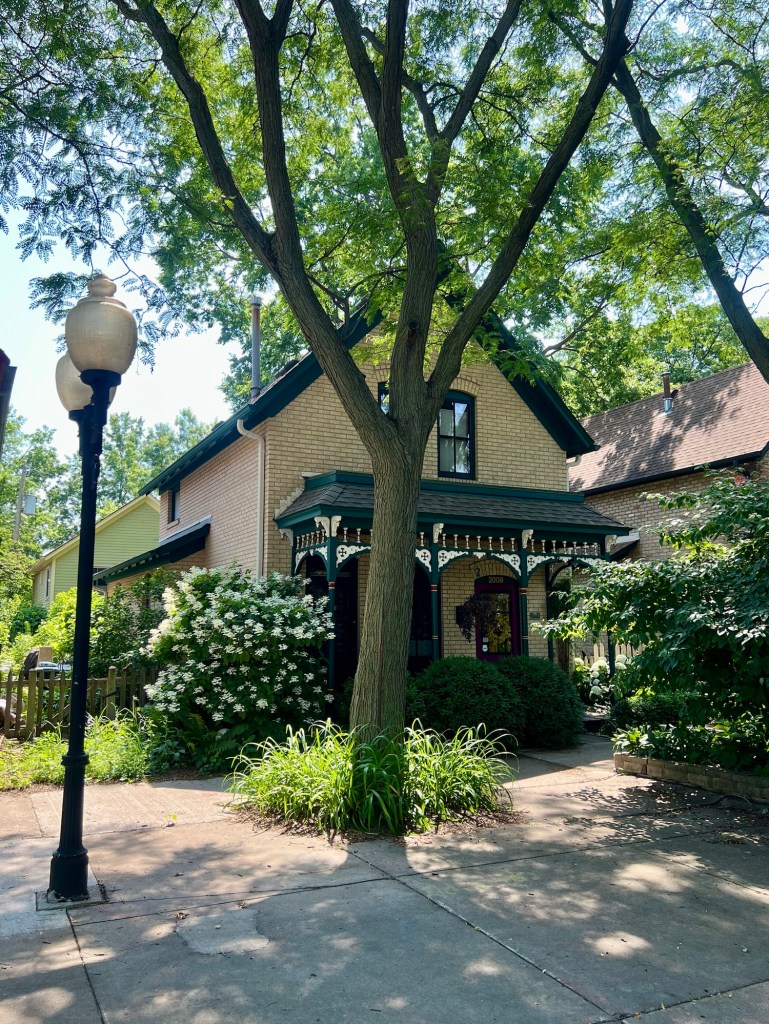
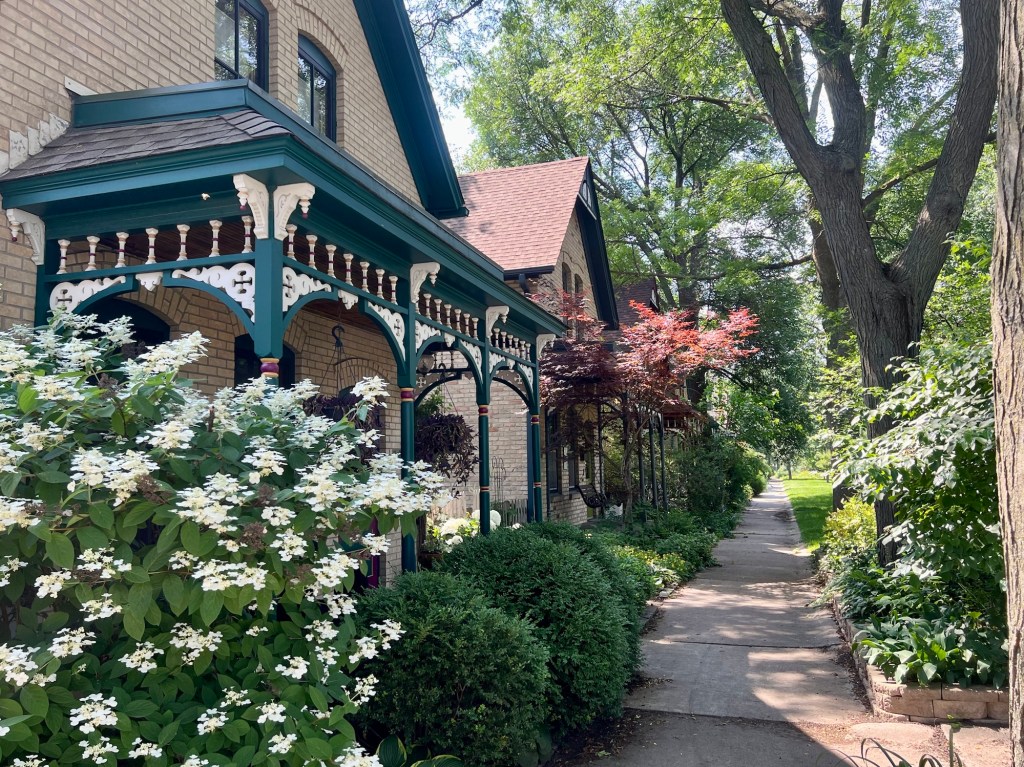
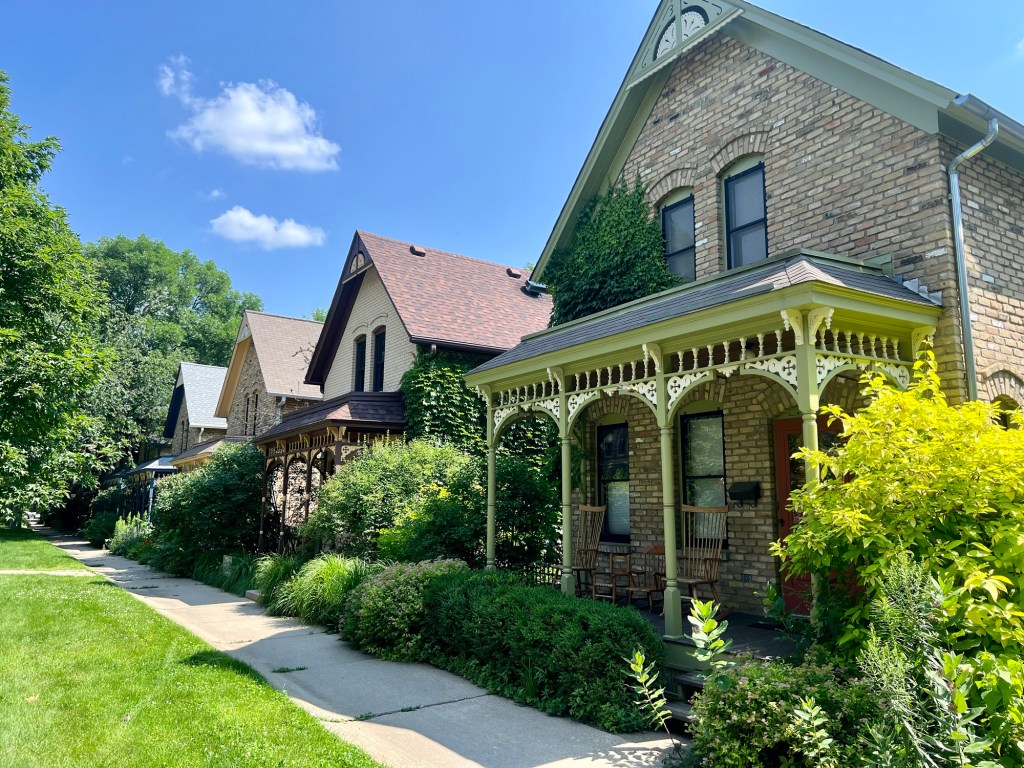
Milwaukee Avenue Historic District, Minneapolis

Chronology
1883
Real estate agent William Ragan purchases four blocks in Minneapolis to develop high-density housing for the growing numbers of immigrant workers coming to the city.
1890
Ragan’s development, along what comes to be known as 22 ½ Avenue, is completed.
1906
The residents of 22 ½ Avenue petition for the name of their street to be changed to Woodland Avenue. It changes to Milwaukee Avenue instead, perhaps because of the nearby Milwaukee Railroad.
1970
The houses of Milwaukee Avenue are run down due to suburban growth and disinvestment in city neighborhoods since the 1950s.
1970
The Minneapolis Housing and Redevelopment Authority plans to demolish most of the western portion of the Seward Neighborhood, including Milwaukee Avenue, as part of their urban renewal plan. This inspires citizens to organize to stop demolition.
1971
Activists who oppose the renewal plan gain control of the Seward West Project Area Committee.
1973
Tense negotiations between the PAC and MHRA motivate Jeri Reilly and Robert Roscoe of the PAC to form the Milwaukee Avenue Planning Team with Bill Schatzlein and Bob Scroggins of the MHRA to discuss how to advance the redevelopment plan.
1973
The Milwaukee Avenue Planning Team launches a study to determine the feasibility of rehabilitation.
1974
Milwaukee Avenue receives its designation from the National Register of Historic Places on May 2.
1974
The MHRA gives up on its demolition plan and begins to support the Milwaukee Area Planning Team’s recommendations for rehabilitation.
1975
Rehabilitation begins on three Milwaukee Avenue houses in October.
1975
The Minneapolis Heritage Preservation Commission designates Milwaukee Avenue a historic district.
2007
Milwaukee Avenue celebrates its thirtieth anniversary of rehabilitation with a self-guided walking tour of eight of the restored homes The Preservation Alliance of Minnesota organizes the event.
2015
The Milwaukee Avenue Homeowners Association (MAHA), sponsored by the Seward Neighborhood Group (SNG), receives grant money to install a bronze plaque on Milwaukee Avenue describing the district’s evolution and historic status.
 Home Economics