And of course, as I wrote on July 6, while the American housing market is extremely capitalistic in the sense that the key decision-makers are profit-seeking investors, it is very much not a free market. If you own a parcel of land and would like to build a mid-rise apartment on it, the odds are very high that this is illegal. And it will continue to be illegal no matter how many bona fide safety or environmental externality rules you comply with. It’s just normally the case in the United States that you cannot build a four-story, eight-unit building on a plot of land that you own and then rent it out to willing customers.
The above excerpt is from Matt Yglesias’s newsletter today. It reflects perfectly how most public intellectuals define the “housing market.” They treat houses as widgets that are manufactured and sold. In their telling, developers are the primary producers, the main influencers, and the principal profit-takers. Different product “flavors”—most notably “affordable housing”—are then imagined as responses to market prices, even though this notion itself contradicts the idea of freely floating prices.
What they are actually describing is a relatively small slice of the activity that houses people and their families—perhaps 13–15 percent of the relevant transactions. The other 85 percent of household-related exchanges do not involve the new-structure market they fixate on. Because these commentators are widely regarded as authoritative, their narrow and distorted framing circulates as if it were a comprehensive understanding of the housing market.
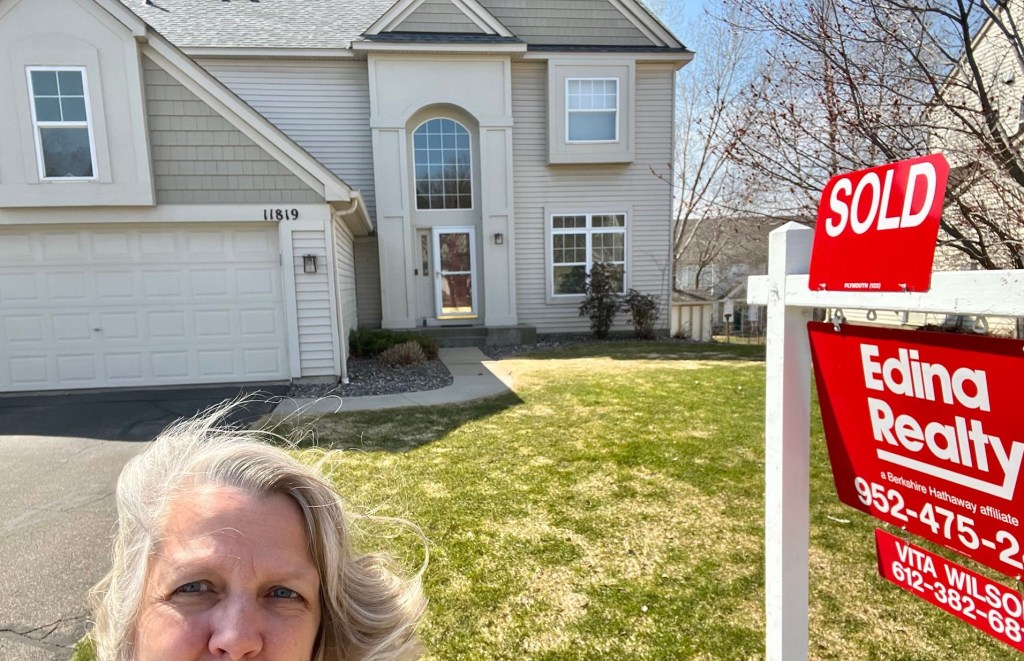
The reality is that 85–90 percent of the housing market consists of ordinary home buyers and sellers. There is no greedy developer to vilify. Each side of the transaction is simply weighing its own interests—timing, finances, life stage, and personal priorities—when deciding what to offer or accept. People at different points in life bring different advantages and constraints, but the exchange remains primarily between private individuals, not between households and some distant mega-corporation. Corporate or institutional buyers account for only about 6 percent of total sales.
A housing market is the aggregate of these countless private interactions. The prices that emerge reflect what large numbers of people value or dislike about the physical structures themselves, the quality of municipal services, the schools that educate children, the transportation infrastructure, and a host of other local conditions.
So let’s keep the conversation more nuanced and richer in detail. Let’s stop fixating on the small minority of developers who either make a profit or lose their shirts. If we want to talk seriously about housing, we should start by talking about ourselves.


