
I know tombstones are out of fashion, but there’s something sacred about standing at a gravesite. In that moment, we pay tribute to those who came before us—the parents, grandparents, and ancestors whose lives shaped our own. We lay flowers, say a prayer, or simply pause in silence
Or you can use the excuse of a visit to bring you back to your ancestral country, even if you’re thousands of miles from where your roots first took hold. The headstones tell stories of immigration, hardship, and resilience. The soil of your lineage lies beneath your feet.
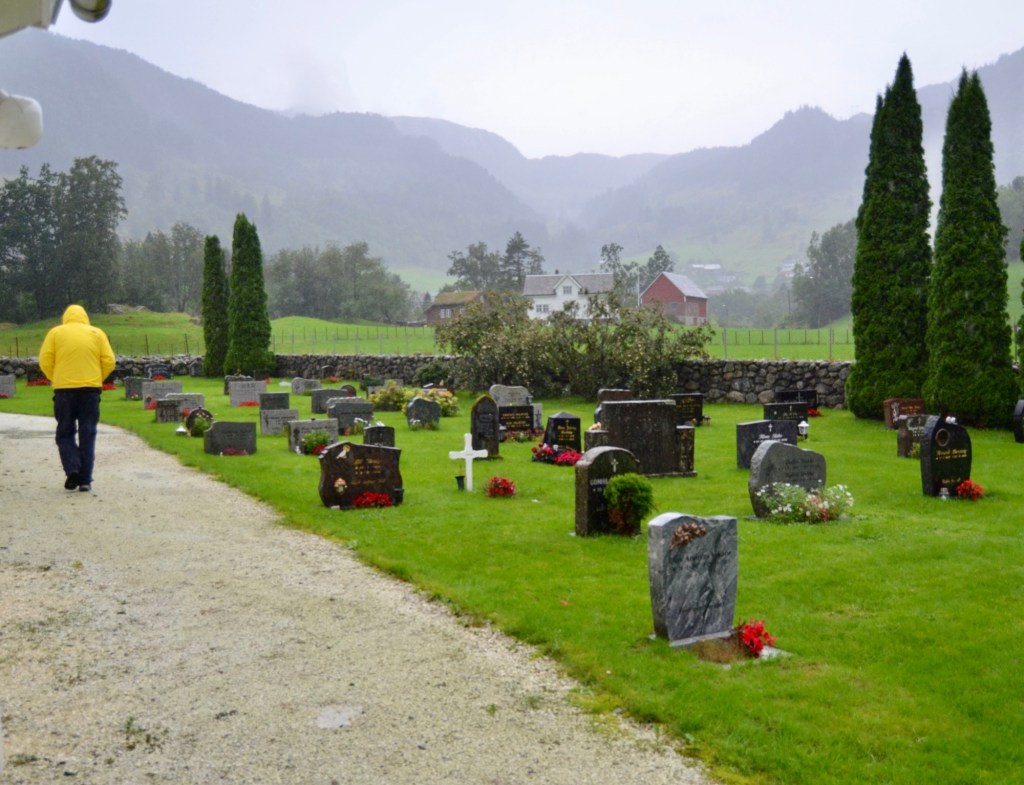
The ritual of the visit itself is grounding. Cleaning the marker, pulling weeds, sitting on a nearby bench—these small acts become a meditation. Gravesites are peaceful places, often surrounded by ancient relics of stone and weathered bronze that have stood watch for decades or centuries. The wind moves through the trees, a light rain falls, birds call overhead, and for a brief time, the noise of the modern world fades.
It’s a beautiful form of communing with the past while staying firmly in the present. You carry their memory forward in your daily life, your choices.
We all share this truth: We live. We die. It’s the one universal experience that binds every human who has ever walked this earth. Yet in our modern world, with community activities on a smaller scale, funerals are no longer the regular communal events they once were. That makes these intentional visits to memorials even more importance.
So if you haven’t lately, consider making the trip.


