The Homestead Act of 1862 was a public initiative to make land in the middle of the US available to settlers at a very low fee. It encouraged the westward expansion by allocating 160-acre parcels of government-owned land to those who agreed to live on it for five years, build a home, and cultivate the land. By granting ownership after fulfilling these requirements, the US essentially gave away millions of acres to individuals who could prove up their claims.
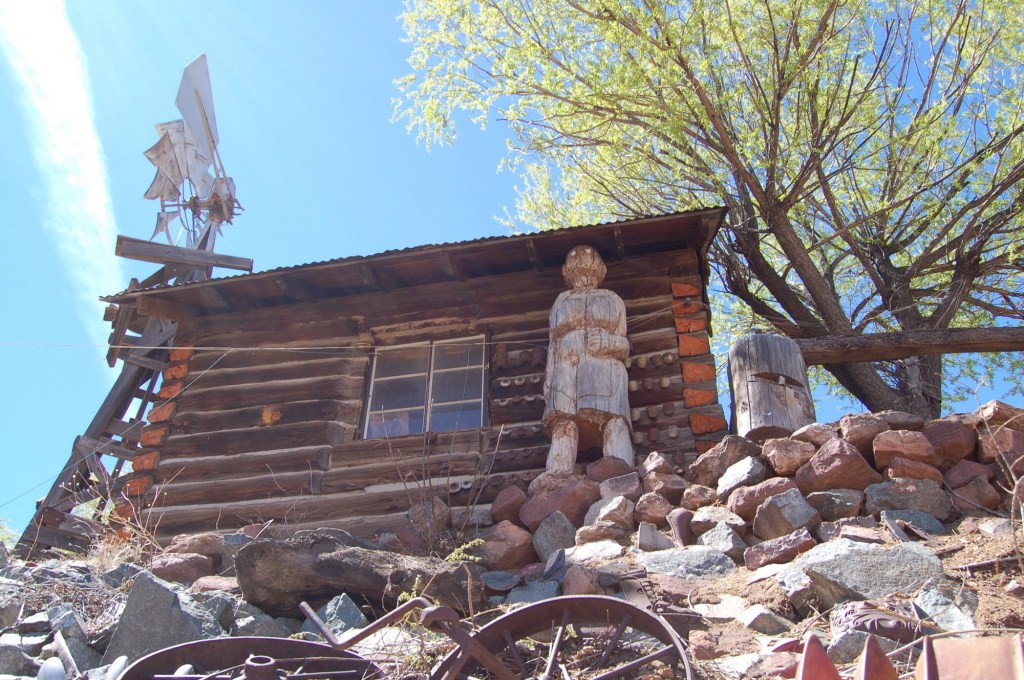
This policy hinged on a belief that one could turn labor into assets. The government asked people to take their families into the wilderness, far from protective services, to live in caravans or sod houses until they were able to build little cabins, to clear land of growth and turn the soil into protective crop acreage. This exchange offered little in way of immediate return. And the most successful groups turned out to be from cultures of strong family networks for support and a willingness to live frugally in anticipation of a better future.
In truth, the bargain entailed even more. The government was basically asking people to not only see to their own needs on their claim, but to collaborate with neighbors in townships and see the roads get built, and the one-room schoolhouses be completed. In exchange for 160 acres of private property, sweat and toil had to also be dedicated to transportation infrastructure and provisions for education. These early settlers had to have had an enormous desire for a homesite.
I don’t know if such a government program would be successful today. It seems like a tall order. Yet it would be helpful to know at what point the average citizen can be energized to volunteer their labor in support of public infrastructure or support. When are they energized to provide aid in response to a neighboring disaster? What severity of wrongdoing triggers the impulse of an observer to overcome possible whistle-blower costs and report? Where are their public goods ready to be provided spontaneously and who can match that need with their labor?

 Home Economics