The Stag Hunt, explained as a shifting public–private balance
Imagine a small group of hunters living at the edge of a forest. Together, they can hunt a stag. A stag is large: it feeds everyone for days. But it can only be taken if all hunters cooperate, hold their positions, and act in coordination. The stag, once caught, is a group-public asset: no one hunter can claim it alone, and everyone benefits.
Individually, however, each hunter can hunt a hare. A hare is small, but it can be caught alone, quickly, and with certainty. The hare is a private asset: the hunter who catches it keeps it.
At first, cooperation dominates. The group trusts itself, norms are strong, and everyone expects the others to stay. Hunting the stag makes sense.
But conditions begin to change. Perhaps the forest becomes less predictable. Perhaps hunger becomes more acute. Or perhaps some hunters discover they are particularly good at catching hares. The private return to individual action rises, while the reliability of collective action weakens.
Now the calculation shifts. Any single hunter who abandons the stag hunt early can secure a hare for himself. If even one hunter defects, the stag escapes and the group gets nothing. As more hunters privately consider this possibility, the group-public asset becomes fragile. Trust erodes not because cooperation is irrational, but because its success depends on others remaining committed.
Eventually, everyone hunts hares. The group survives, but on less than it could have had. The stag hunt fails not because hunters become selfish in character, but because the balance between public and private returns has shifted.
Rousseau introduced the Stag Hunt in 1755, in Discourse on Inequality, as a way to illustrate how early cooperation collapses when private, individually secure options undercut fragile collective commitments. The Stag Hunt shows how cooperative systems fail not through greed, but through the gradual rise of privately secure alternatives that undercut shared commitment.
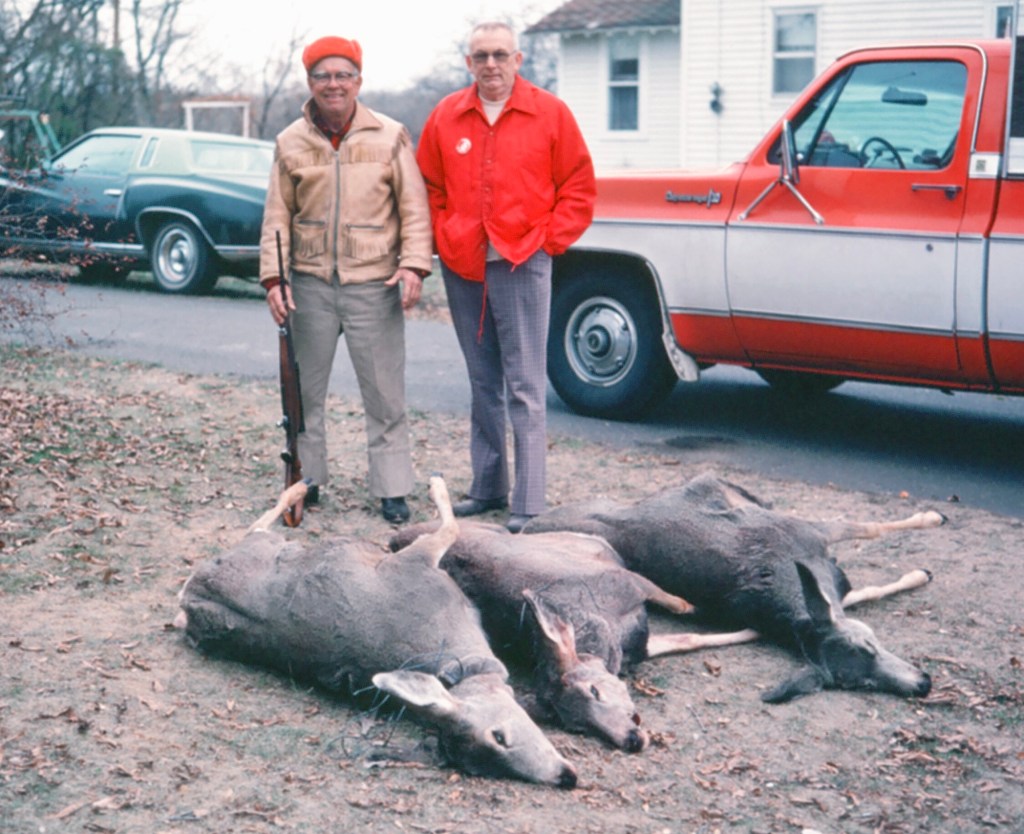
My experience is that mostly hunters group up. Partly because they share a similar interest. Partly for the camaraderie. But also because they share the work of baiting, setting up, tracking, and processing.

 Home Economics