The chat out there is that there are too many regulations in housing, driving up the cost of building, owning, and maintaining a home. This is true. But there’s nuance missing.
The people who enforce rules have an impact on how the drag they pose. This can happen in several ways.
- Holding the rule to the letter of the law when the issue at hand is not causing harm.
- Frequently changing rules catch owners and practitioners off guard, leaving them to scramble and incur costs to catch up or reformulate their plans.
- Enforcers, being subject to human impulses, become zealous enforcers with an overt sense of obligation to lay down the law.
The people in the mix can add costs simply by providing incorrect information. For instance, a homeowner is considering refurbishing certain items in their bathroom. Upon a preliminary call to the permitting department, they are given a lengthy list of what they should do without being provided with a reduced list of what could be done at a lower level. This discourages the homeowner to the point of throwing up their hands and not proceeding with any improvements.
Many people look into new construction over a several-year period. Many folks are hitting their maximum budget, as is easy to do with a new build. And every time they return to talk to the builder representative in the model, they are told about a new building code that adds $3-4K to the price. That’s enough to bounce some buyers out of the market.
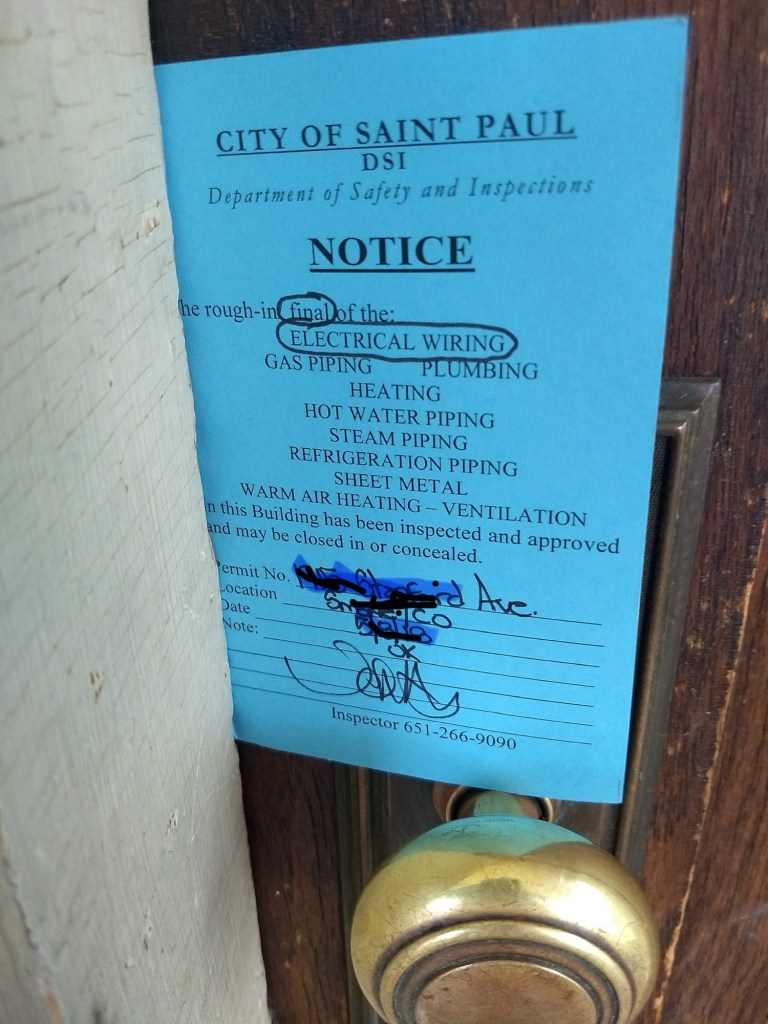
Many inspectors are great. Some inspectors enjoy their jobs, too much so. They crane their necks around and try to find some new objection in the nearby vicinity of the project at hand. They infer there’s more to it until questioned for specifics. In effect, they feel more attached to the notion of a power broker than to the idea of helping a community maintain safe housing.
Ultimately, counting the number of regulations as a measure of the process’s drag is one indicator. But it is an underestimation. At the first step of inquiry, then during the application for a permit, and finally at the time of final approval, the individuals involved in the process can add a substantial drain on the timeline. These costs are in both time, money, and emotion.

 Home Economics
Thanks for writing in! Please see today’s post: Stagnant vs Dynamic – Home Economics
LikeLike
I appreciate the insightful analysis presented in your article regarding the implications of regulation in the current economic landscape.
The emphasis on how regulations go beyond mere compliance resonates, particularly in the context of fostering innovation within industries. To expand on this, it’s worth noting that some companies are leveraging compliance not just as a necessity but as a strategic advantage. For example, businesses in the renewable energy sector often find that adhering to strict environmental regulations can spur innovation, leading to the development of more efficient technologies.
This proactive approach not only helps them meet regulatory standards but also positions them as leaders in a rapidly evolving marketplace. Moreover, regions such as the European Union have implemented a range of regulations that encourage sustainable business practices. The circular economy framework, which promotes recycling and reusing materials, has not only reduced waste but has also opened up new business opportunities. Companies that embrace these regulations find themselves at the forefront of sustainability and often cultivate a loyal consumer base that values corporate responsibility.
Given these perspectives, I’m curious:
How do you think businesses in sectors with fewer regulations can proactively embrace innovative practices that mirror those in more regulated industries? Would you see this as a potential path for fostering overall market responsibility?
LikeLike