A few months ago, I wrote about an investor who bought a property with an old style of electrical wiring called knob and tube. Their post was an example of the complexity of a rehad project. The price of the building was undoubtedly part of their decision-making. But you don’t always know what you are buying. Inspections are done to determine all the variables upfront; when it comes to real estate renovations, there are bound to be some unexpected costs. The expense of rewiring a nine-unit building was a downstroke against their profit.
Homes have so many features, which leads people to make different choices depending on their skills, what they value, and their tolerance to risk. Some homeowners, for instance, will not purchase a home with a tuck-under garage. The thought of the amount of energy loss every time the twenty-foot double garage door goes up in the winter when it is below zero makes them cringe. The energy inefficiency of this floor plan makes the home unacceptable in their eyes.
Over time, particularly when mechanicals or construction processes improve, old systems like knob and tube wiring make their way out of the market. First, the market starts to reject the item, so sellers, in preparation for sale, determine they would be best off making the improvement before going on the market. Sometimes, the insurance company will influence the market by making it more expensive to insure certain features, which provides incentives for replacing those items. Eventually, the old way of doing things becomes obsolete and unacceptable to buyers.
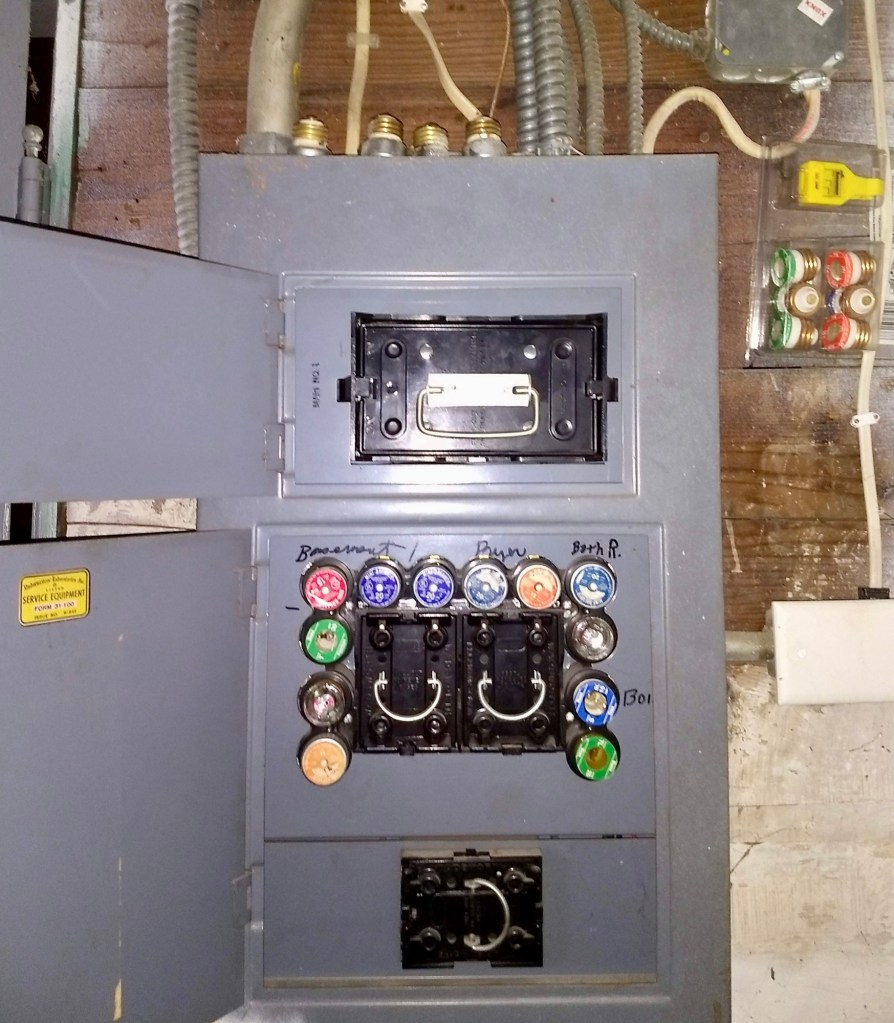
This process may take a couple of decades or a quarter century. Old-timers grumble about replacing perfectly feasible mechanicals, wasting funds that could be spent elsewhere. A long time ago, a local electrician advised that as long as the cylindric glass fuses supported the current demand, then all was well. When one insurance company refuses coverage, other smaller companies may step in. And around it goes until the verdict changes and most homes have been converted.
Consider this method versus a regulation. Once an empowered authority draws a line and publishes a restriction, the market no longer has the ability to evaluate this change in contrast to all the dozens of other upgrades and improvements that can go into a home. The burden falls most heavily on the more dated homes, which are often owned by people who have gotten on in years and are not keeping up on things or those of lesser means who patch and plug problems as that’s the best they can do.
A decree from above creates an acute demand for that one mechanical, which, in my experience, causes opportunistic behavior and price inflation. The market system is the kinder and gentler way to transition from one set of norms to another.

 Home Economics