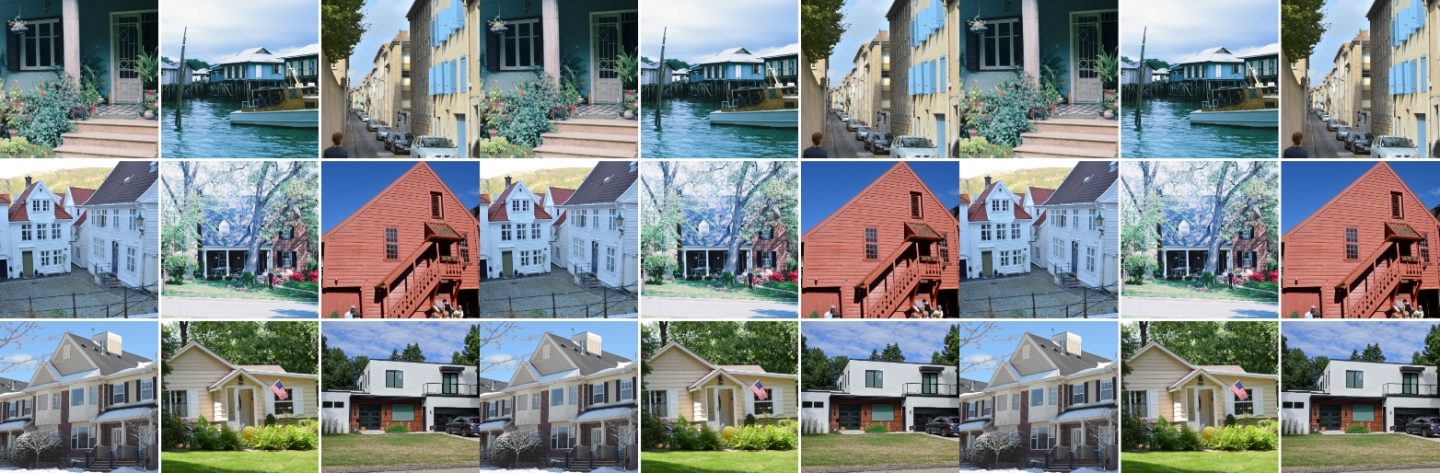
Here at Home Economics, much thought is given to the distribution of labor and resources throughout all facets of life. In the twentieth century, the economy is talked about as if held in a sphere of its own nested in greater society, with the government sitting on high, ready to use its power to intervene.

Embedded is a term used to depict a feature of this model. The sphere where all the money is exchanged for goods and services, from industry to agriculture to banking and so on, is cradled in a nest. The business works logically within the sphere but is nudged and tugged at by all the pesky twigs and branches that make up the lodge that holds it. This world isn’t complicit with the education system or the family. These are subsidiary concerns present to push things along for industry. They are supports, not players, in economic affairs.
By the 1970s, the public started voicing concerns. Many objected when acid-stained river beds from industrial pollutants burned through some of the thatchings in the nest. When small farmers were displaced by large-scale operations or factory closures caused massive layoffs, the support structure thinned, and people fell right through it. Market failure was the term coined for every debacle left behind by the economic sphere, guided by the rational economic man. The dented and damaged underpinnings of greater society were left for the government to fix.
I suggest we focus on Carl Menger, a European economist (1840-1921), who proposed a different view of the economy’s driver: the actors. Introducing Ed and Frida.

Individuals make independent decisions about their welfare and needs based on their present situation. Although they look after themselves, they are directed by human impulses like fairness, justice, and altruism. They are also influenced by what polymath Michael Polanyi described as tacit knowledge since individual experiences weigh heavily on one’s judgment throughout one’s life. The bubble around the figures represents their tacit knowledge as well as their education, or human capital, and unique skills, which are inalienable.
As atomic agents, individuals cling to others who share a similar goal in producing goods and services to accomplish those goals. This may very well be in industry, family life, the care of their elderly parents, and the countless other interests people pursue and share. These groups form, merge, and reconfigure. The model becomes a dynamic structure of movement as actors group and regroup throughout the day.

Each dot under the magnifying glass is a person with agency on the move. Generally, a spontaneous order pulls and pushes contributors to various objectives. They use their time, talents, and resources together with others and then move on to do it all again.
For the most part, we think of these agents as adults with the capacity to hold a job, raise a family, make it to the doctor regularly, and so on. But we all start out in this world as vulnerable infants in need of constant care. And many of us will need care again before we die. For this reason, it makes sense, for calculation purposes, to use a household as a base unit of analysis.
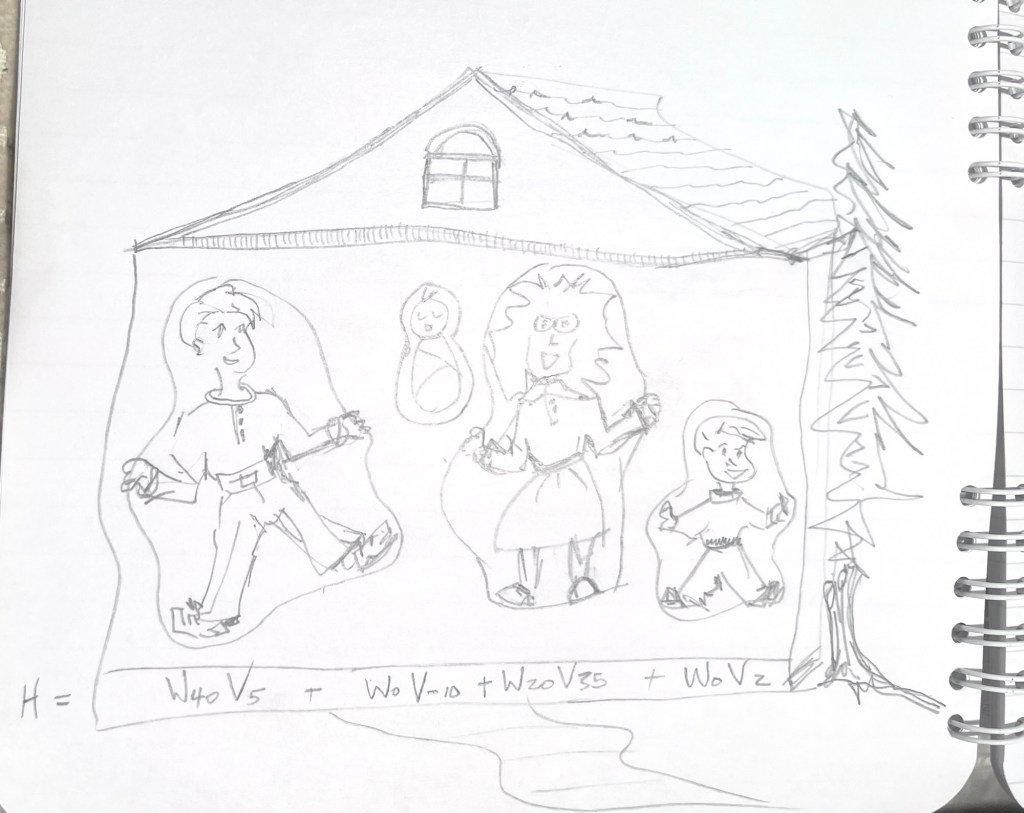
Throughout 2025, the goal will be to show how individuals participating in systems of spontaneous order contribute to or deter from the viability of their household unit and how that impacts neighborhoods and the public goods found herein. This is Home Economics.


