Everyone is talking about peeling back regulations. I, too, think this is a good thing. Picking which rules should go and which should stay is the question of the day. The rules were put in place often to save folks from some harm, so those would be worth keeping, right? But where is the final test to turn for such judgement?
Every industry will be different. Perhaps people in each walk of business will have an opportunity to point out the absurd or even the slightly off base.
Real estate construction offers a wide play of potential overreach by bureaucrats. At least from the layman’s side of things, it’s a bit difficult to understand the fine nuances of a vent’s proximity to a floorboard. Can a metal heat vent ever rise to a temperature that would ignite a beam? If the vent turns at this angle it is unacceptable, yet a few degrees to that angle it passes.
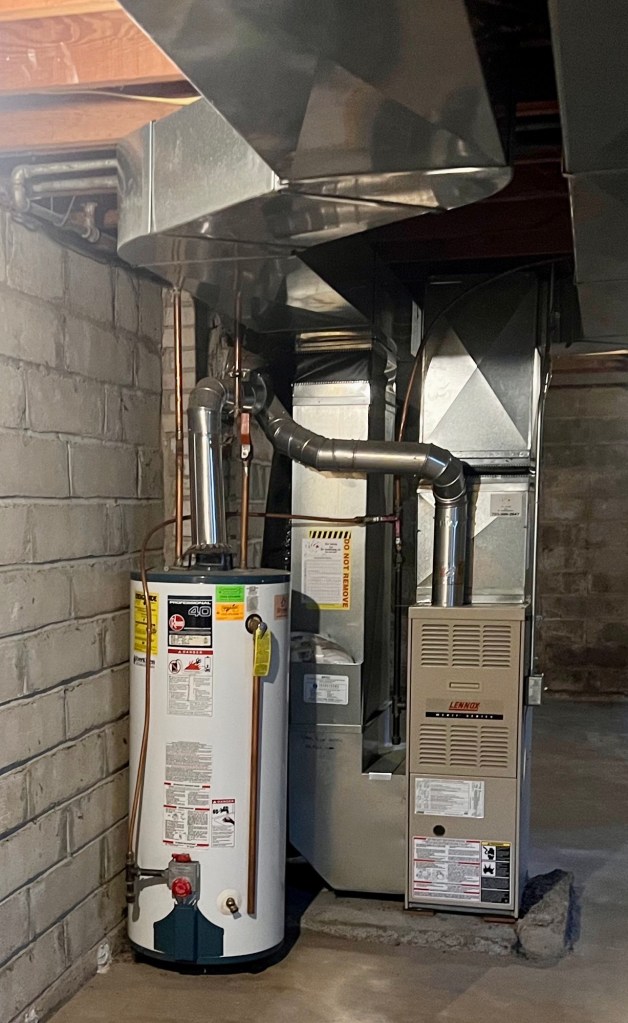
AI could be one way to double-check the interpretations of safety requirements. Instead of well-intended people imposing the most stringent interpretations of what is safe, a history of events could be considered. The power of scanning large files allows thousands of cases of, say, insurance claims to detail actual construction failures that resulted in harm. If there has never been a claim involving a heat vent setting framing on fire, that should give some direction on whether the rule is worth pursuing.
The standards each community picks will reflect its risk tolerance. But if the level of acceptability has risen far above what the average person tolerates in their own dwelling, then the rule makers are stifling the construction process and adding undue expense.

 Home Economics