It’s unclear to me why some stories from one’s youth stay with you and some don’t. I must have keyed into my grandmother feeling self-concious about a financial sparsing of the cost to pave over the county road which serviced their home. Whenever there are costs and people and public goods, there is bound to be a bunch of judging on who is doing what and whether it is enough.
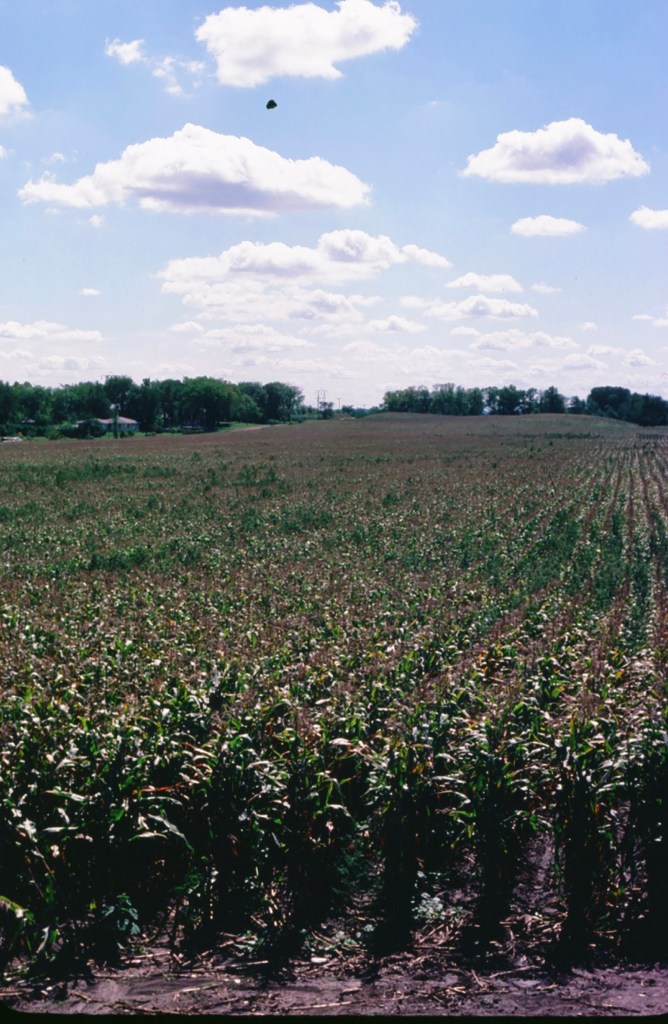
My grandparents lived on a gravel road on the outskirts of a small town. They also owned the farmland along their side of the road. Across the thoroughfare the land had been parceled into perhaps twenty homesites. For many years a gravel surface was considered adequate, despite the layer of dust left on a car going to and from and despite the washboard effect that eventually appeared and made the vehicles tremor as the wheels caught the dirt ridges.
At some point, enough neighbors got together and decided it was time to make a request to the township to pave the road with asphalt. This takes a bit of work. There’s a process. Enough of the residents need to be interested to start a government agency’s wheels in motion. The cost of the improvement shows up as an assessment where, in many cases, the cost to the homeowner is based on the number of feet of frontage to the road.
At least that’s the standard setup.
But in this case my grandmother objected. Her theory was if they all got the same use out of the road, then that is what should determine how the expense should be covered. Afterall, they don’t expect people from Bemidji to pay, even though in theory anyone from Bemidji can use the road. The residents on the road each come and go with a similar frequency, and fair would be to say those who use it split it equally.
My grandmother was savvy enough to know that property ownership would play into her final bill for this public amelioration. But she didn’t think she should have to pay 20 times more than the folks across the road simply because her farmland abutted the pavement. Furthemore, she realized that her lack of support for the project could endanger it from going forward.
I’m not sure where the numbers settled exactly. The road has been paved ever since. What is interesting is that this story is an example of a bartering in order to come to a cooperative solution to community improvement. All these neighbors were of similar standing. It would be difficult for any of the others to call out two educators as evil landowners. It was just a group of neighbors, in a small town arriving at a balance between use-value, property ownership and resources.

 Home Economics